
7 Unforgivable Things the Catholic Church Has Ever Done
The Catholic Church — A history of controversy and scandal.
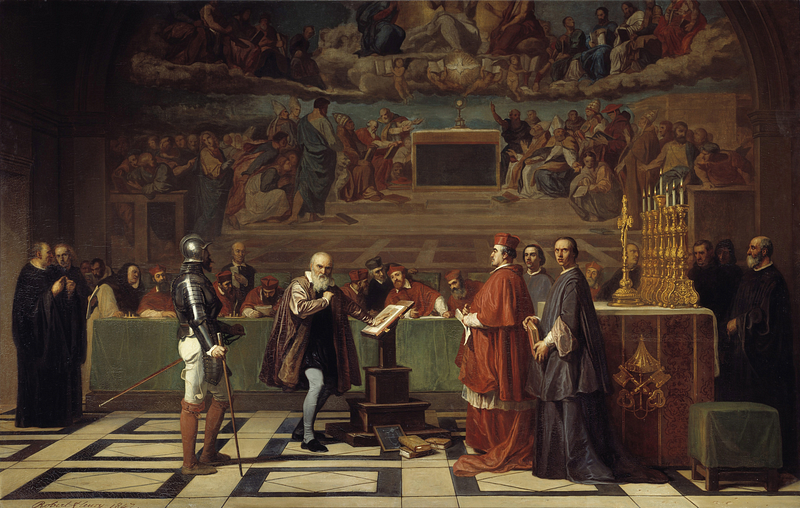

The Catholic Church has been around for centuries and is one of the oldest and largest religions in the world.
Despite its long and revered history, it has also been responsible for some of the most unforgivable and outrageous acts imaginable.
From its role in the Inquisition to its handling of the sexual abuse scandals, there are several things the Catholic Church has done over the years that are truly disturbing and deeply disturbing.
In this article, we take a look at seven of the most absurd and unforgivable things the Catholic Church has ever done.
7- The Ethics of Silence — Exploring Pope Pius XII’s Moral Responsibility During The Holocaust
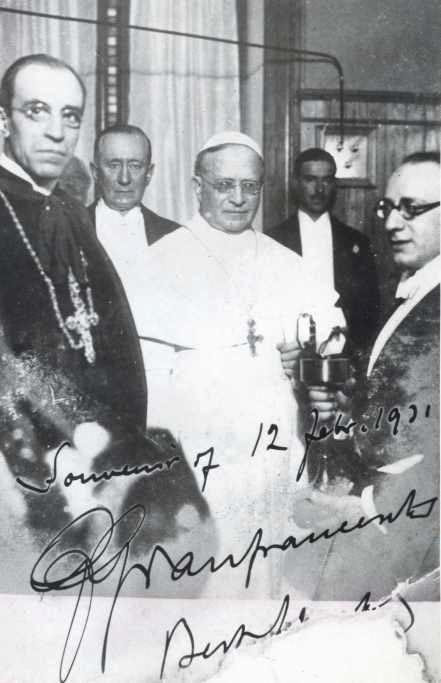

During the Holocaust, Pope Pius XII’s response to the atrocities being carried out against Jewish people was nothing short of appalling.
Despite numerous eyewitness reports of mass executions and other horrific events, the pope remained silent, refusing to condemn the actions of the Nazis.
This silence, which some have argued was a tacit approval of the Nazi’s actions, was even more shocking given that the Church had previously been highly critical of anti-Semitic policies.
Furthermore, Pius XII never once personally spoke out against the Nazis, even though he had done so in the past. His most public statement on the matter was merely a plea for “Christian charity” to be shown to those persecuted by the Nazi regime.
Sadly, this indifference to the plight of Jewish people likely caused countless unnecessary deaths.
6- Pope Boniface VIII’s Controversial Papacy — A Historical Analysis
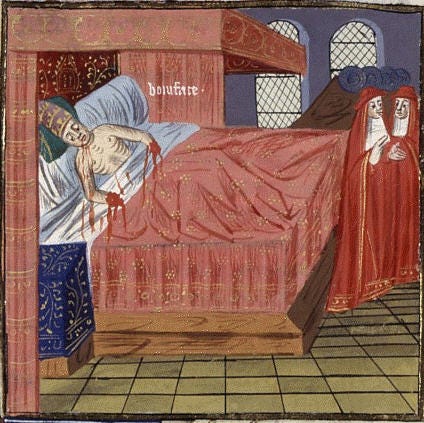

Pope Boniface VIII was a controversial leader of the Catholic Church who ruled from 1294 to 1303. During his time in power, Boniface committed some of the most absurd and unforgivable acts in the Church’s history.
He declared the supremacy of the papacy over all European monarchies, causing resentment and backlash. Moreover, was known for exercising power without restraint and ruling with an iron fist.
Proclaimed that all Christians must pay taxes to the pope and that anyone who disagreed could be excommunicated.
Boniface also attempted to seize control of the papal election process. To ensure his position as Pope, he declared that cardinals could not vote for any candidate unless they had been approved by him.
This allowed him to place his supporters in power, making it impossible for any other person to challenge his rule. Perhaps the most infamous incident associated with Boniface was his ruthless treatment of the Colonna family.
The Colonna were powerful Italian nobles and opponents of the papacy, and Boniface ordered them to be tortured and imprisoned. He even threatened to excommunicate anyone who showed mercy to them.
Boniface VIII also issued several edicts that undermined civil liberties, including allowing torture and arbitrary arrest of those suspected of heresy. These acts are still viewed as some of the most heinous offenses ever committed by a Pope.
In conclusion, Pope Boniface VIII’s actions were nothing short of outrageous and unforgivable.
From trying to control the papal election process to issuing edicts that violated civil liberties, he left an indelible mark on the Catholic Church’s history. His reign of terror is a stain that will never be forgotten.
5- The Tragic Story Of Joan of Arc — Burned For Dressing Like A Man
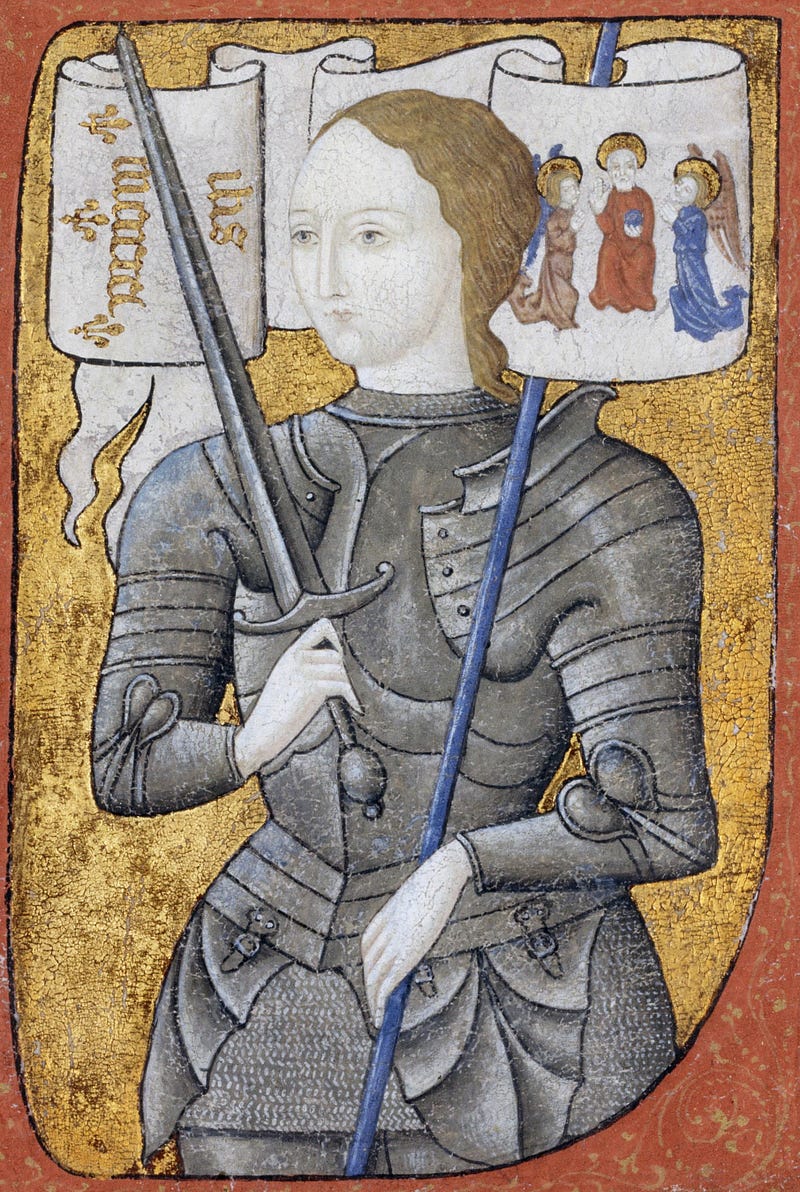

The Catholic Church has had its fair share of horrible moments in history, but one of the most tragic stories involves Joan of Arc. Joan was a French peasant girl who gained fame as a military leader during the Hundred Years’ War.
In 1431, she was charged with heresy and brought to trial by the Church.
While they found her innocent of all charges, they determined that her dressing like a man was grounds enough to have her burned at the stake.
To this day, this act is seen as one of the most heinous committed by the Catholic Church and an unforgivable example of how religious authority has been abused over the centuries.
4- The Dark Side Of The Church — The Reign Of Terror Under Pope Innocent VII


Pope Innocent VII (1339–1406) was a particularly paranoid man and so, in an attempt to combat the growing fear of witchcraft, he ordered that anyone found guilty of it should be sentenced to death.
This led to a wave of mass hysteria that resulted in thousands of innocent women being executed for their supposed ties to the occult.
In some cases, women were put to death simply because they were found to possess books of magic or knowledge about plants and medicine.
It was believed that these activities were the work of the devil and so anyone caught practicing them was deemed guilty and put to death.
Many of these women were also accused of consorting with spirits and performing evil acts such as casting spells or hexes on people.
Innocent VII’s paranoia extended far beyond just the practice of witchcraft. He was also suspicious of anyone who practiced science, medicine, or philosophy. This led to countless intellectuals and scholars being persecuted, tortured, and executed simply for their knowledge or beliefs.
In some cases, even priests and bishops who questioned his authority were put to death. The Pope’s wave of terror soon reached its climax when he declared that any woman found guilty of witchcraft should be burned at the stake.
This resulted in thousands of women being put to death, often in the most barbaric manner imaginable.
While Innocent VII’s paranoia has long since been debunked and his heinous acts denounced by the Catholic Church, the legacy of his reign still lingers to this day.
3- The Ethics Of Paying For Absolution — A Catholic Perspective
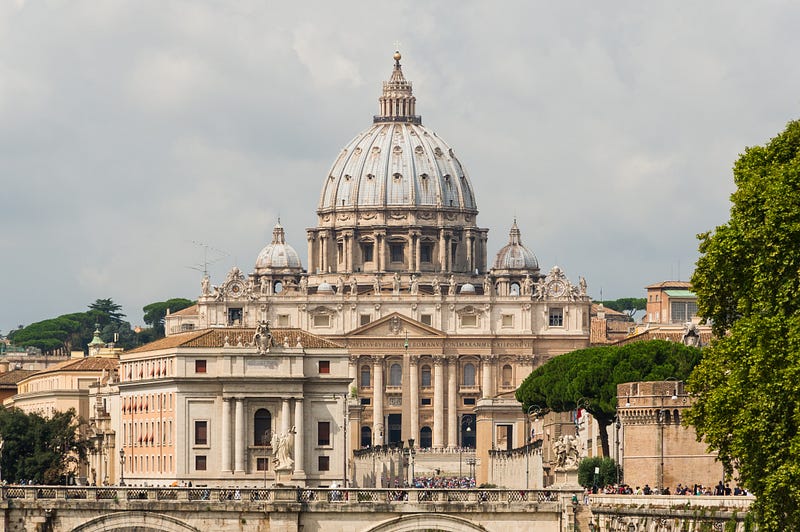
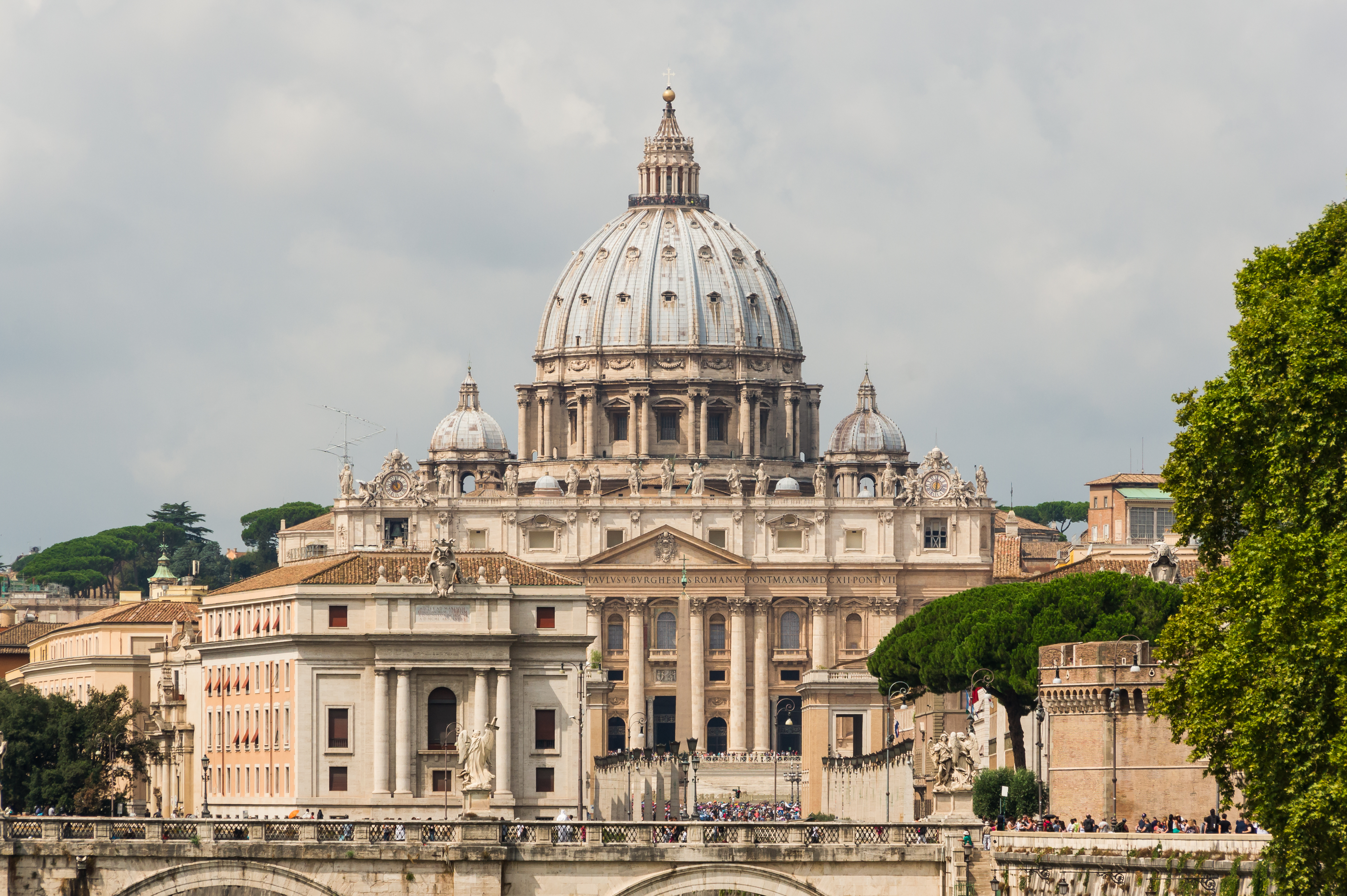
The Catholic Church has, throughout its long history, accepted payment in exchange for absolving sins. During the 15th century, this practice was so prevalent that it sparked a reform movement in the Church.
The Reformers were outraged that paying money could rid one of the most serious offenses, and they sought to abolish the practice. Unfortunately, it was too late. People had been doing it for centuries, and the practice was deeply entrenched in the Church.
In addition to forgiving sins for payment, the Church also offered absolution for sins not yet committed. This allowed people to atone for hypothetical crimes, thus assuaging their guilt and preventing them from going through with it.
Of course, these types of payments were much more expensive than those for sins already committed, as they were considered a form of insurance against future transgressions.
The Catholic Church’s practice of absolving sins for money is a dark chapter in its history.
It is difficult to understand how any institution could condone such a system, especially one that professes to preach the moral teachings of Jesus Christ.
In any case, this practice has since been abandoned by the Church, and many have praised the Church for taking this step toward reform.
2- Jan Hus — A Martyr For His Theological Convictions
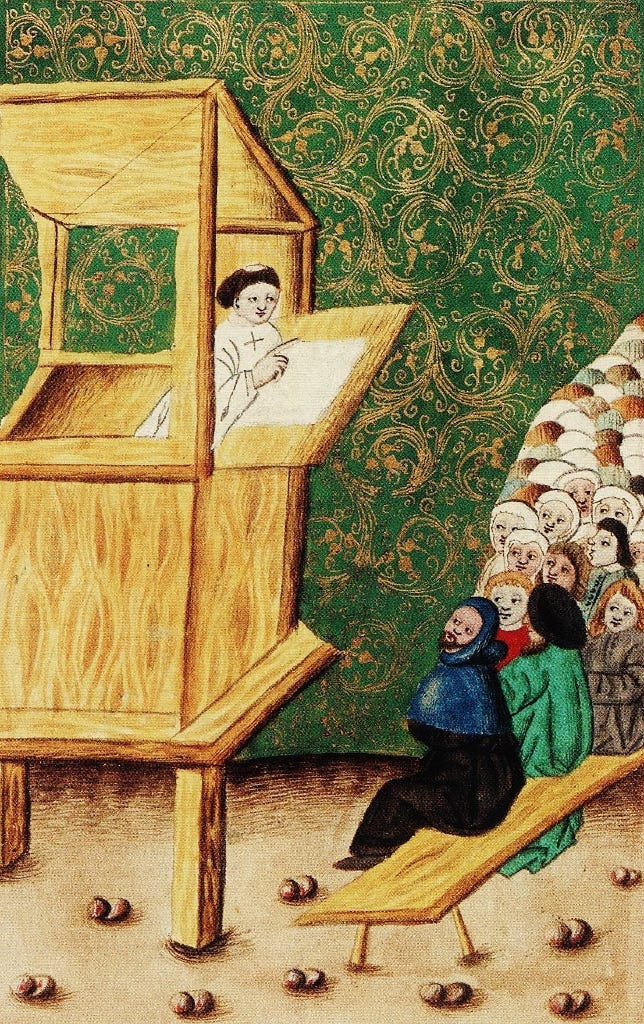

Jan Hus was a 15th-century Czech philosopher and theologian whose controversial writings got him in trouble with the Catholic Church. In 1415, Hus was tried by the Church for heresy and ultimately burned at the stake.
The Church was particularly incensed by his rejection of certain Church practices, such as the sale of indulgences and the use of Latin during Mass.
He also had some views that conflicted with traditional Catholic theology, such as rejecting the concept of Purgatory.
Hus’s execution outraged many of his followers and contributed to the emergence of Protestantism. This event remains one of the most infamous cases of religious intolerance in the history of Catholicism.
It serves as a reminder of how extreme and unforgiving the Church could be when faced with challenging ideas that threatened its authority.
1- Love Magic — The Forbidden Practice Of The Roman Inquisition
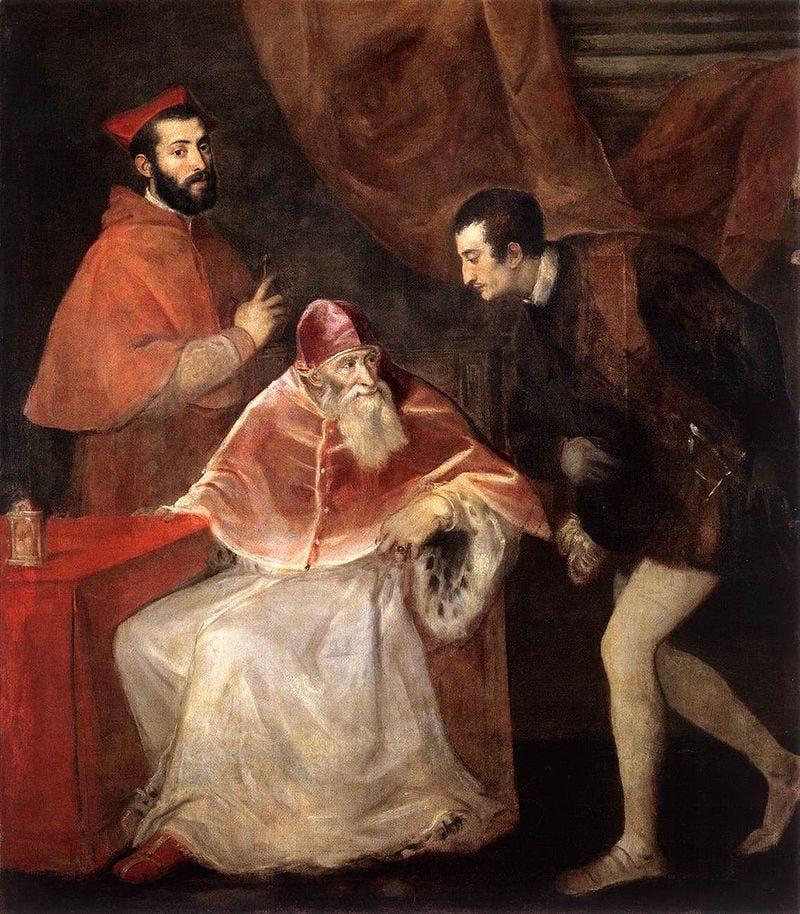

The Roman Inquisition was a period of intense repression for all those who opposed the teachings of the Catholic Church.
Under the orders of Pope Paul III, this tribunal was formed in 1542 and it targeted individuals who committed heretical acts or who practiced Judaism or Islam.
One of the most controversial punishments of the time was that of love magic. This included the belief in astrology, alchemy, and other forms of sorcery, which were viewed as forms of superstition.
Those found guilty were often severely punished, with some facing life imprisonment or even death.
The Roman Inquisition also targeted those who practiced Judaism. Jews were seen as enemies of the church and were persecuted for their beliefs and practices.
Jews were prohibited from practicing their religion in public and were denied rights such as owning land or businesses. This period saw numerous Jews being put on trial and condemned to death or exile.
The Roman Inquisition was a dark chapter in the history of the Catholic Church, one which still haunts its reputation today.
Its actions were cruel and unjustified, leading to countless suffering among those persecuted for their beliefs.
Sadly, many of these injustices continue to go unpunished, making it impossible for those affected to seek closure and justice.
Points To Ponder
In conclusion, the Catholic Church has been responsible for some of the most abhorrent acts in history.
From actively denying the Holocaust and burning Joan of Arc to absolving sins for cash payments and executing Jan Hus for his philosophical views, the Church has committed a variety of unforgivable transgressions.
Despite these grim deeds, however, it is still an important part of many people’s lives around the world. Forgiveness and compassion should be shown to all — even those who have done wrong in the past.
Join Medium Today
More from the author: