
7 Infamous Examples When Fascism Triumphed Over Democracy
The fall of democracy — The grim reality.
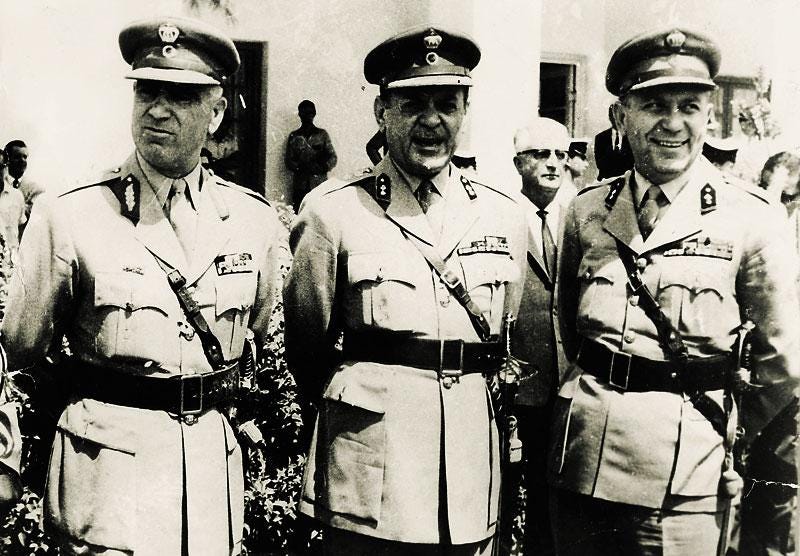

The ideal of democracy has long been heralded as the fairest and just form of government. Unfortunately, this isn’t always the case.
Throughout history, there have been numerous occasions where fascism has managed to take hold and overthrow the people’s right to choose their leaders.
In this article, we will explore the darker side of democracy and examine seven specific instances where fascism superseded the power of the people.
7- Gyula Gömbös — Militarization And Expansionism
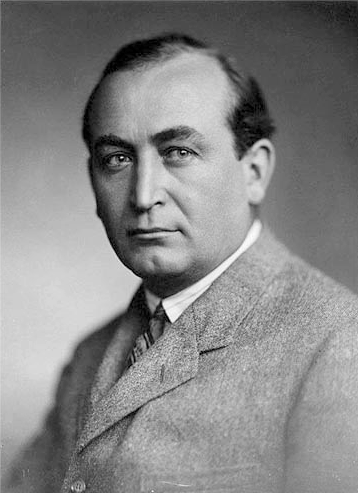

Gyula Gömbös was a Hungarian politician and the leader of the right-wing nationalist group, The Party of Racial Defense.
He was Hungary’s Prime Minister from 1932–1936, during which time he was successful in implementing various authoritarian policies.
He believed in a strong state and placed importance on strengthening law and order and returning power to the old elites. His government passed several laws which were seen as anti-semitic and worked to undermine democracy in Hungary.
Gömbös saw himself as a representative of the people, but his policies were mostly aimed at increasing the power of those in power. Ultimately, he set the stage for a fascist takeover in Hungary.
6- Ion Antonescu — Hero Or Villain?
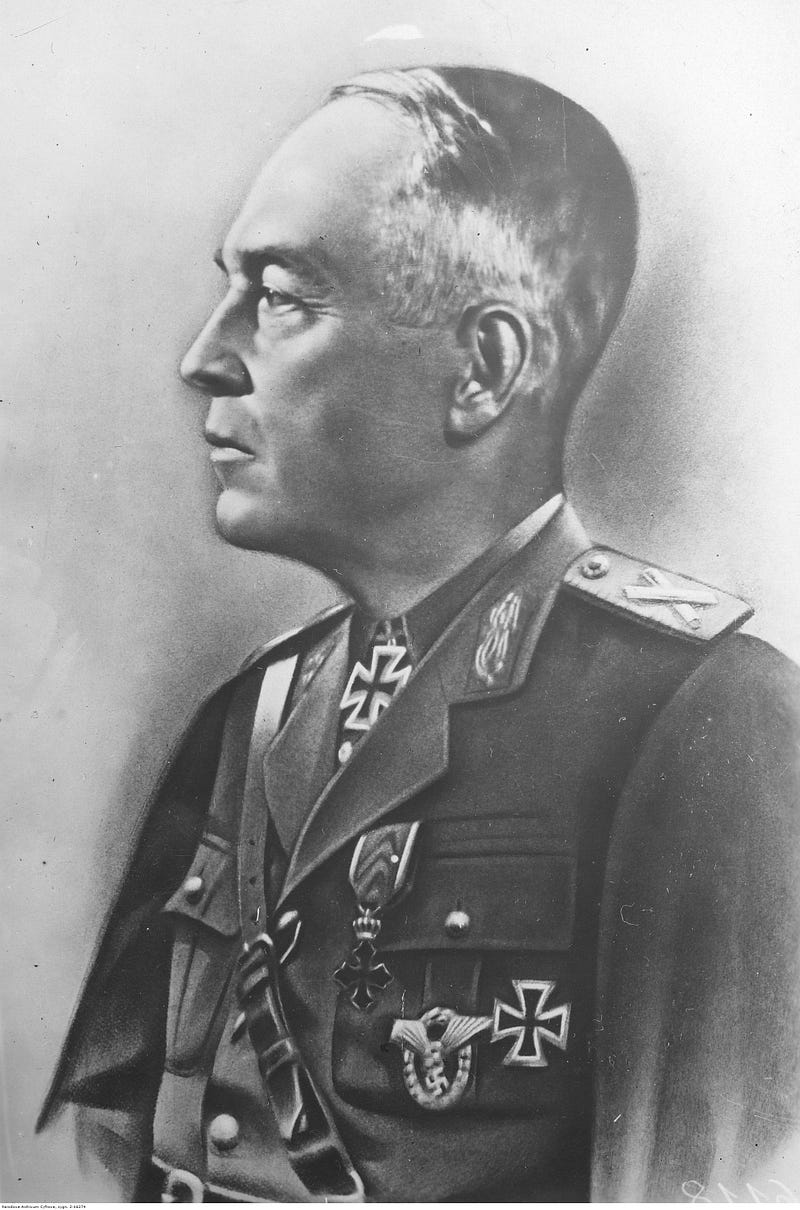
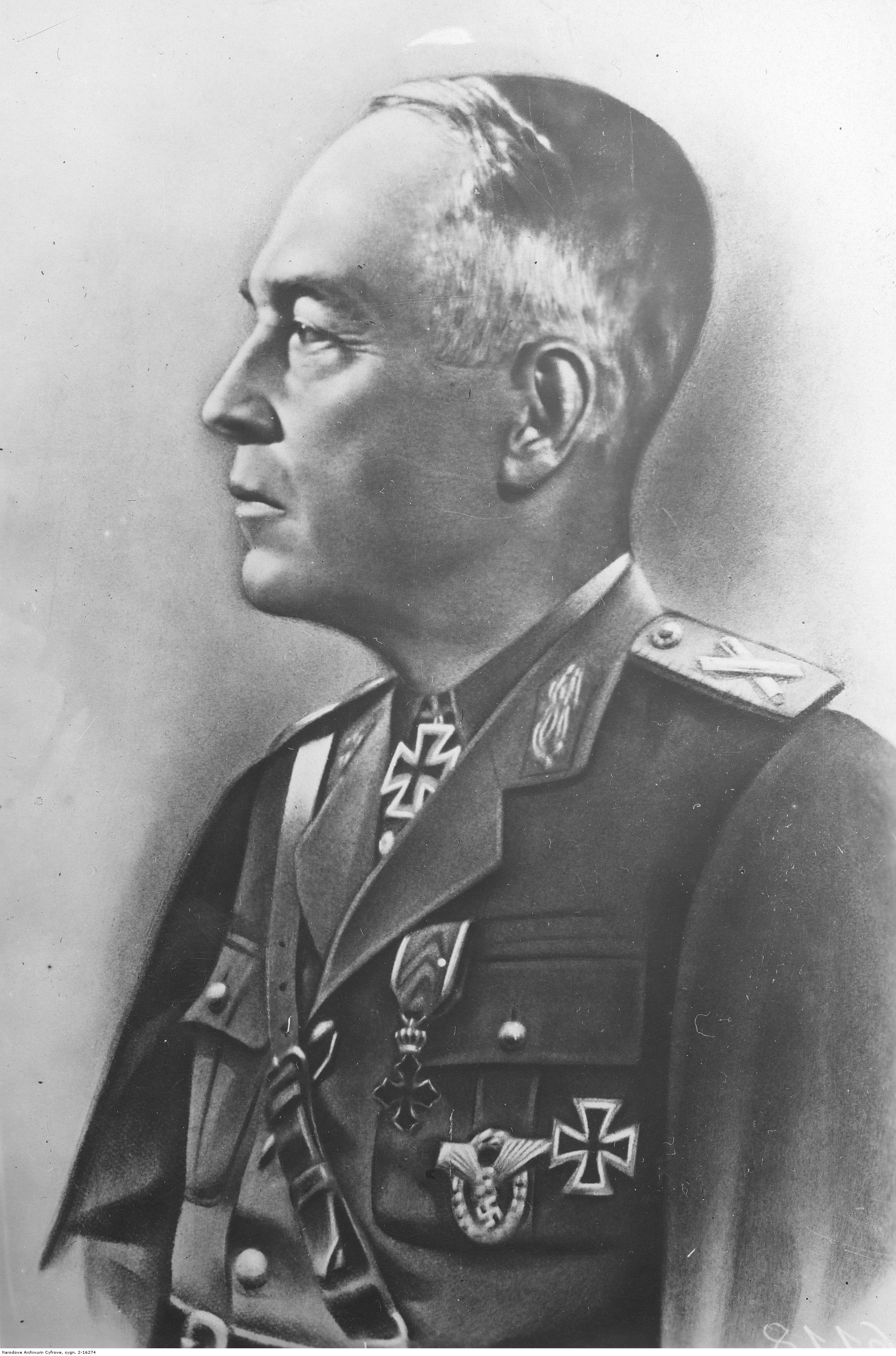
Ion Antonescu was a Romanian dictator who took power in 1940 and ruled until his execution in 1946. He was a right-wing extremist who aligned himself with Nazi Germany and helped establish a fascist regime in Romania.
During his reign, Antonescu was responsible for the deaths of thousands of Jews, Roma, and other minorities. He also implemented harsh censorship laws, limited freedom of speech and expression, and passed anti-democratic legislation.
Antonescu’s government was ultimately overthrown in 1944 by the Romanian people, who rose against his oppressive rule.
While he faced trial and was found guilty of war crimes, he was posthumously pardoned by Romania’s president in 2019. His legacy continues to haunt Romania to this day.
5- Engelbert Dollfuss — Rose To Power In Interwar Austria
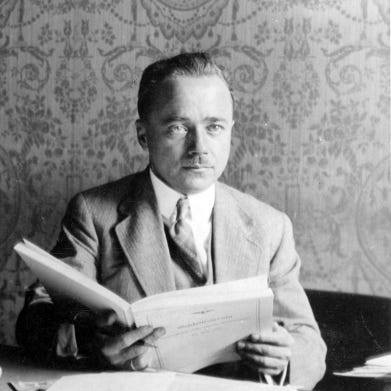

Engelbert Dollfuss was an Austrian politician who served as the country’s 32nd Chancellor from 1932 until 1934.
He was an ardent supporter of Austrofascism, an authoritarian political system that combined elements of both Italian Fascism and German Nazism, and his regime was heavily influenced by his beliefs.
On 25 July 1934, Dollfuss seized power and dissolved parliament, declaring a one-party state. He also banned all other parties, labor unions, and civil society organizations, while giving complete control to the executive branch of government.
Dollfuss’ rule was marked by extreme violence, including banning all newspapers except for his party’s official publication and cracking down on dissenters.
The repression led to widespread public discontent and eventually, in February 1934, Dollfuss’ government was overthrown in a coup d’état led by the Social Democrats. Despite this, Dollfuss remains one of the most controversial figures in Austrian history.
4- Augusto Pinochet — A Tragic Chapter In Chile’s History
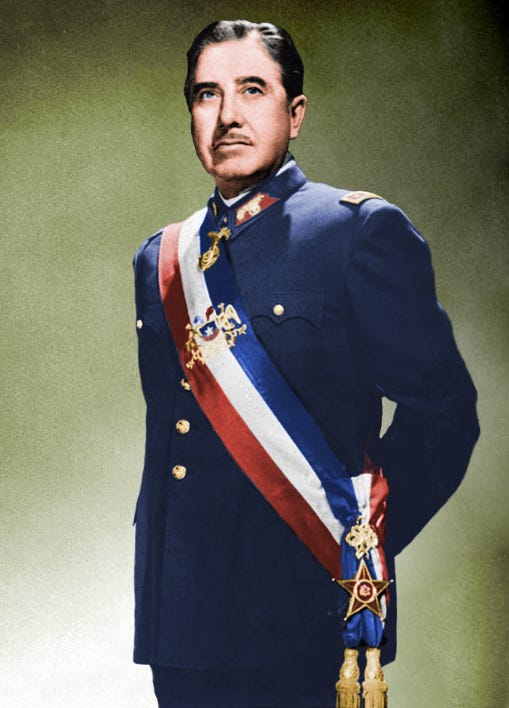

Augusto Pinochet was a dictator who ruled Chile from 1973 to 1990. During his rule, the Chilean government was authoritarian and oppressive.
Pinochet’s regime was marked by human rights abuses and economic turmoil. He also implemented controversial economic reforms such as privatizing industries, cutting social services, and introducing free-market policies.
These reforms caused massive unemployment and poverty among the population. In 1988, a referendum was held that ultimately led to Pinochet’s ouster in 1990.
Despite his ouster, Pinochet still has many supporters in Chile and his rule is seen as a period of economic growth.
3- The Regime Of The Colonels — Greece Under Dictatorship
In 1967, a group of Greek military officers calling themselves the ‘Colonels’ overthrew the government and took control of Greece.
Led by Georgios Papadopoulos and Andreas Papandreou, they ruled with an iron fist, crushing all political opposition and imposing martial law.
They censored the press and media, outlawed strikes and demonstrations, and imprisoned anyone who opposed them. They also abolished civil liberties and stripped Greeks of their right to vote.
The Regime Of The Colonels lasted until 1974 when it was overthrown in a popular uprising.
During this time, human rights abuses were rampant and thousands of innocent people were arrested, tortured, and executed without trial. It was a dark period in Greek history and its effects are still felt today.
2- Ante Pavelic — Croatia’s Controversial Leader
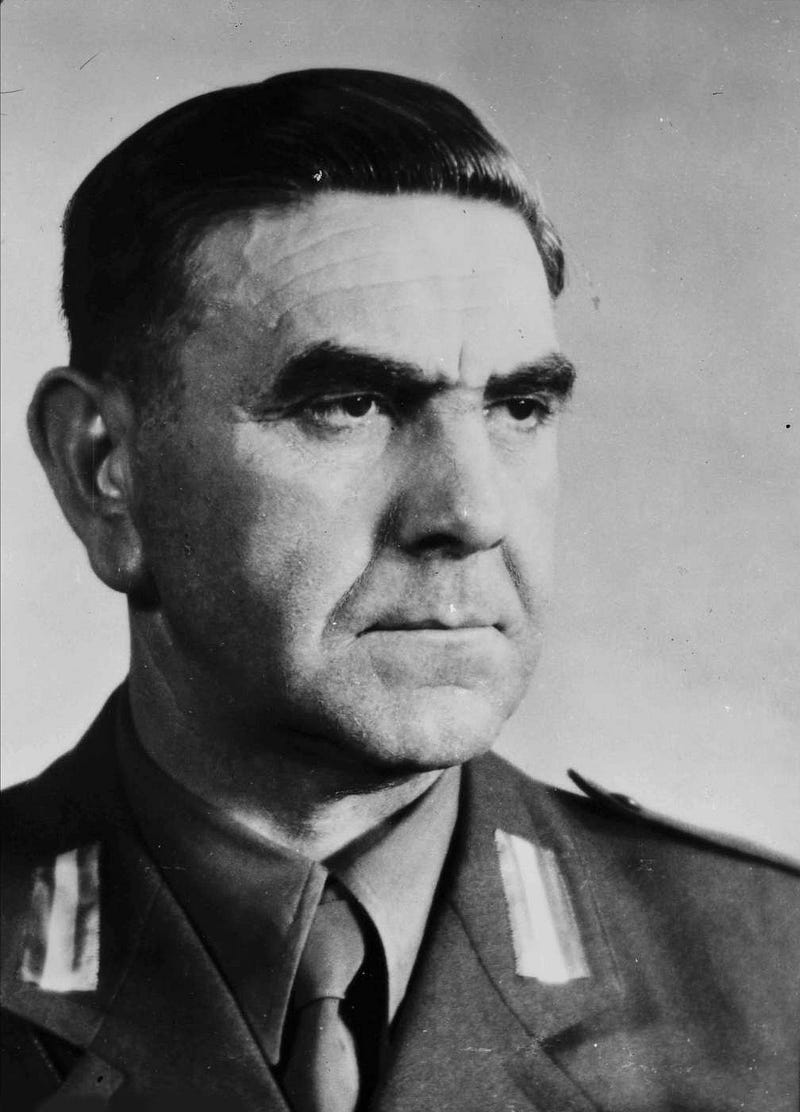

Ante Pavelic was the leader of the Croatian fascist Ustaša movement.
He took power in Croatia in 1941, with Nazi Germany’s support, and declared the Independent State of Croatia as a totalitarian state based on his fascist beliefs. Under Pavelic’s rule, Croats who were not part of the Ustaša movement were persecuted and thousands of Jews and Serbs were killed.
The atrocities committed during Pavelic’s reign were some of the worst examples of fascism in Europe.
Pavelic’s government implemented a series of repressive policies which included forced labor, censorship, mass arrests and internments, and the extermination of minority populations.
After the end of World War II, Pavelic went into exile and eventually died in Spain in 1959.
1- Adolf Hitler — Fascination With The Occult
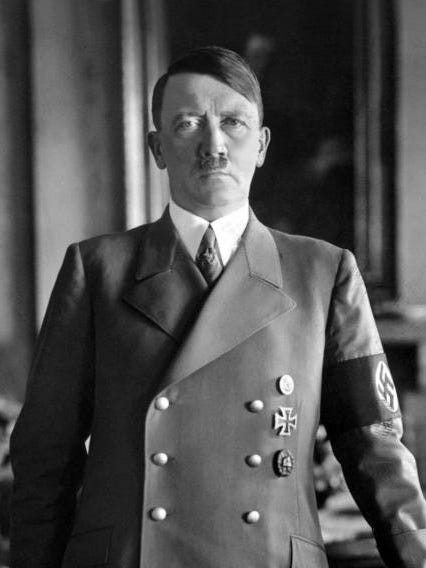

Adolf Hitler rose to power in Germany in 1933 and quickly implemented oppressive policies that abolished freedom of speech, freedom of the press, and freedom of assembly.
He led a campaign of extermination of Jews, Romani, disabled people, and other so-called ‘undesirables’.
Hitler’s attempt to dominate Europe resulted in World War II, leading to the death of millions of people across the world. In 1945, he committed suicide in his bunker as Allied forces advanced on Berlin.
Hitler’s regime was an extreme example of fascism that had dire consequences for humanity.
Points To Ponder
In conclusion, the idea of fascism overtaking democracy is a terrifying one that has unfortunately occurred multiple times throughout history.
In this article, we have discussed seven examples of this phenomenon — the rule of Gyula Gömbös, Ion Antonescu, Engelbert Dollfuss, Augusto Pinochet, The Regime of the Colonels, Ante Pavelic, and Adolf Hitler — to illustrate the dangers of authoritarianism and its consequences for society.
Despite the prevalence of these instances, it is important to remember that democracy still stands as a beacon of hope and justice in the world today. It is up to us to ensure that we protect it and safeguard it for generations to come.
Join Medium Today
More from the author: