avatarHailey

Free AI web copilot to create summaries, insights and extended knowledge, download it at here

3779

Abstract

robiology Institute to the Center of Theological Inquiry in 2016.</p><p id="fafb">The main aim of the research was to investigate how religious leaders from different faiths and their followers will react to the discovery of extraterrestrial life and how the news of life beyond our planet will impact their beliefs and the purpose of life.</p><p id="4d82">Even if the research is something that sort of makes sense, it is still useless information because there is virtually no chance that we will ever find an alien — at least not with the technology we currently possess.</p><p id="014b">The study has implications for religious organizations as well as for academics, decision-makers, and society at large.</p><p id="1ee7">Why? Because it sheds light on how we might approach one of the most difficult questions humanity has ever had to address: are we alone in the universe?</p><p id="a2a9">In case you forgot, all the funds used for this research were provided by taxpayers like you and many others.</p><h1 id="a1bc">4. Study Conducted To Know The Fear Of Dentist</h1><figure id="d092"><img src="https://cdn-images-1.readmedium.com/v2/resize:fit:800/0*7IV2iOPFdFrDW3e5"><figcaption>Image Source — <a href="https://www.pexels.com/photo/unrecognizable-dentists-using-medical-equipment-during-teeth-treatment-in-modern-clinic-3881315/">Pexels</a></figcaption></figure><p id="0f78">The National Institutes of Health went all out in order to investigate the root cause of why more than half of Americans are scared of visiting the dentist.</p><p id="69f4">Furthermore, the plan was to find out why 20 percent of these people were developing a serious phobia.</p><p id="700b">The cost of the research which was conducted was north of 3.5 million dollars.</p><p id="5f9b">However, the results which came out after the research were very interesting.</p><p id="bbc4">The study revealed that the primary reason behind dental anxiety was fear of experiencing pain during dental procedures.</p><p id="7c5b">This is not surprising at all — because the thought of a drill piercing through bones embedded in one’s skull can be unnerving and anxiety-inducing.</p><h1 id="2e36">5. Studying With Barbie Dolls</h1><figure id="8957"><img src="https://cdn-images-1.readmedium.com/v2/resize:fit:800/0*5S0Ho8AsXYVdvy29"><figcaption>Image Source — <a href="https://pixabay.com/photos/barbie-doll-pretty-blonde-girl-1565718/">Pixabay</a></figcaption></figure><p id="4b43">In 2016, the National Eye Institute and National Science Foundation carried out a study costing taxpayers more than 300,000 US dollars.</p><p id="24f3">Why? To investigate whether playing with Barbie dolls, which was more prevalent among women participants, could enhance their ability to recognize faces.</p><p id="2958">The researchers explained that because the facial features on Barbies varied, women might possess an inherent advantage and naturally be better at remembering facial features.</p><p id="a5f0">However, the findings suggest otherwise.</p><p id="1003">Therefore, it appears that the study incurred a cost that did not yield any significant outcomes, with the funds drawn from your earnings.</p><h1 id="b15f">6. Alcohol Buying Spree For Diplomats And The Rich</h1><figure id="ae99"><img src="https://cdn-images-1.readmedium.com/v2/resize:fit:800/0*sqHASvmzNZ1QwHHg"><figcaption>Image Source — <a href="https://www.wallpaperflare.com/assorted-wine-bottles-alcohol-bar-beer-beverage-cocktail-wallpaper-aoakp">WallpaperFlare</a></figcaption></figure><p id="0345">According to the Washington Times, in 2013, the state department procured liquor worth $180,000 prior to the government shutdown.</p><p id="7eb9">The bill included purchases made at the last minute from embassies all over the world, including almo

Options

st 16,000 USD on bourbon and whisky from Moscow, a bit over 5,500 USD on gratuity wine from the Rio de Janeiro embassy, and about 22,500 USD on wine from the Tokyo embassy.</p><p id="af95">The government was spending on liquor like they are some sort of medicine, and the apocalypse was — just around the corner.</p><h1 id="cf00">7. Failed Recruitment Plan</h1><figure id="fef9"><img src="https://cdn-images-1.readmedium.com/v2/resize:fit:800/0*IuzPOjgbRble31yQ"><figcaption>Image Source — <a href="https://upload.wikimedia.org/wikipedia/commons/6/66/Dale_earnhardt_jr._%2834284548211%29.jpg">Wiki</a></figcaption></figure><p id="9761">An American news agency recently reported that a few years ago, the National Guard sponsored a famous NASCAR driver Dale Earnhardt Jr. with an exuberant amount of 136 million dollars.</p><p id="d3c9">The result was 24,800 potential recruits.</p><p id="6089">However, only 20 candidates were accepted into the Guard, and none of them decided to enlist.</p><p id="e247">According to Senator Claire McCaskill of Missouri, the explanation was that the whole program was affected by demographics.</p><p id="8a27">The National Guard target was people between the ages of 18 and 24, whereas race-car fans were more typically between the ages of 35 and 54.</p><p id="6329">As a result, the Army, Marines, and Navy terminated their NASCAR sponsorship due to a lack of suitable recruits.</p><h1 id="2639">Final Words</h1><p id="7695">The examples given illustrate a range of cases of wasteful spending by government departments and agencies that had little to no tangible benefits or outcomes for taxpayers.</p><p id="62aa">These situations demonstrate the importance of sensible resource management in order to avoid wasteful spending and give priority to initiatives that will benefit society.</p><p id="88b1">More from the author:</p><div id="2ef5" class="link-block"> <a href="https://readmedium.com/6-eye-opening-religious-borrowings-that-challenge-our-beliefs-38de35bb0e9a"> <div> <div> <h2>6 Eye-Opening Religious Borrowings That Challenge Our Beliefs</h2> <div><h3>Surprising Connections Between Faiths.</h3></div> <div><p>medium.com</p></div> </div> <div> <div style="background-image: url(https://miro.readmedium.com/v2/resize:fit:320/1*Roh06bDCu3ARPLbUOMe7Tw.jpeg)"></div> </div> </div> </a> </div><div id="49d5" class="link-block"> <a href="https://readmedium.com/4-surprising-historical-things-that-still-exist-today-cff5fa2321e5"> <div> <div> <h2>4 Surprising Historical Things That Still Exist Today</h2> <div><h3>Stuff that has survived the test of time.</h3></div> <div><p>medium.com</p></div> </div> <div> <div style="background-image: url(https://miro.readmedium.com/v2/resize:fit:320/1*yCJVCZKDWpsrCZttsGAJAw.jpeg)"></div> </div> </div> </a> </div><div id="dc44" class="link-block"> <a href="https://readmedium.com/5-famous-historical-events-that-actually-never-happened-b30badb383d3"> <div> <div> <h2>5 Famous Historical Events That Actually Never Happened</h2> <div><h3>Major events that we got wrong.</h3></div> <div><p>medium.com</p></div> </div> <div> <div style="background-image: url(https://miro.readmedium.com/v2/resize:fit:320/1*jSTsPcq3AEvMbcz0fpE0Cg.jpeg)"></div> </div> </div> </a> </div></article></body>

7 Absurd Places You Won’t Believe Your Taxes Really Go

Laugh or cry — the weird, wacky world of government spending.
Source: Image by author

Imagine visiting your local government office for inquiring how your taxes were being spent.

There you see few officials standing around a new state-of-the-art vending machine which dispenses pens for the government employees.

You rub your eyes in disbelief, questioning how can your hard-earned tax dollars were simply spent on a fancy machine.

Now stop imagining and come back to reality — because it is worst.

From monkey drool to Barbie dolls, the authority spend the taxes on some extremely bizarre things.

Sadly, we regularly pay taxes without fully understanding how our money is being spent.

While some government spending, like supporting public education or maintaining infrastructure, may seem straightforward.

But, there are many other odd and unexpected costs that you might not expect.

We’ll explore the strange world of government expenditure in this topic and look at some of the weird ways your taxes are used.

1. Spending Tax Money On Random Monkey Drool
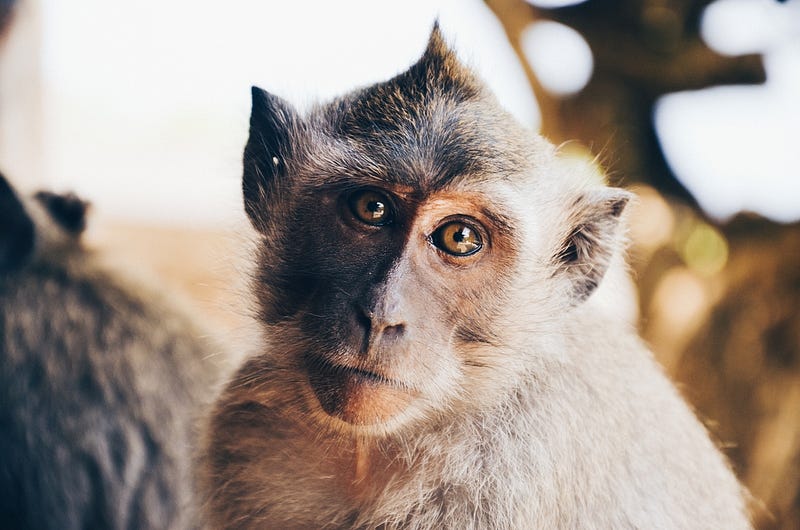
Image Source — Rawpixel

The State University of New York at Buffalo carried out a study in 2016 to examine the primate’s saliva in more detail.

The National Institutes of Health provided 817,000 US Dollars for the research project. The study’s main goal was somewhat ridiculous.

In an effort to identify the missing link between humans and these types of primates and learn more about how our saliva evolved into what it is today, researchers compared human drool to that of other primates — such as apes, monkeys, and the related species.

The research program was a waste of money because no noteworthy breakthroughs were ever made.

2. Unplanned Solar Panel Installation

Image Source — Rawpixel

A federal grant was used to install solar panels on the car park at Manchester-Boston International Airport.

However, it was discovered that the reflective panels were a problem because they were making the pilots blind.

The result was that 25% of the panels needed to be taken out, but the pilots were unaffected.

Despite this setback, the airport authorities predict that the remaining panels will save $2 million over a 25-year period.

3. Research On How Religious Groups Will Respond To New Of Alien Discovery
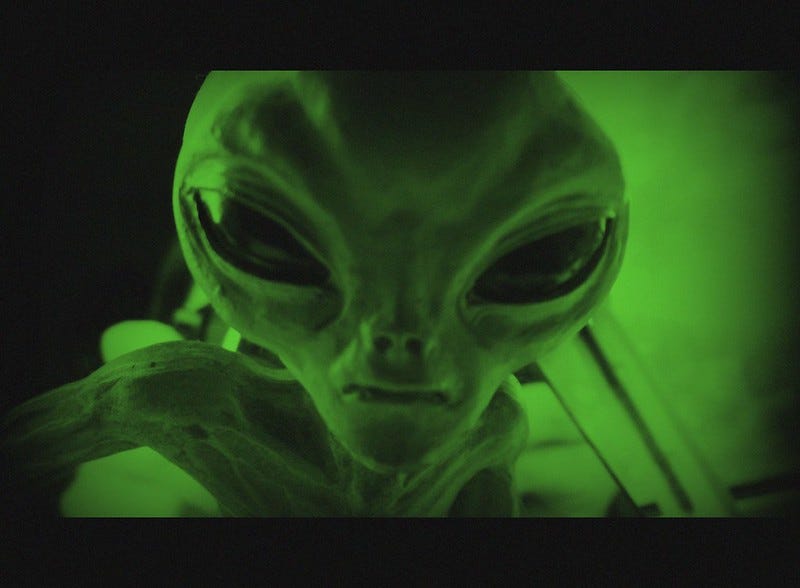
Image Source — Flickr

NASA has conducted research on the possible responses of various religious groups to the discovery of extraterrestrial life.

This intriguing study was made possible by a 1.1 million dollar grant from the NASA Astrobiology Institute to the Center of Theological Inquiry in 2016.

The main aim of the research was to investigate how religious leaders from different faiths and their followers will react to the discovery of extraterrestrial life and how the news of life beyond our planet will impact their beliefs and the purpose of life.

Even if the research is something that sort of makes sense, it is still useless information because there is virtually no chance that we will ever find an alien — at least not with the technology we currently possess.

The study has implications for religious organizations as well as for academics, decision-makers, and society at large.

Why? Because it sheds light on how we might approach one of the most difficult questions humanity has ever had to address: are we alone in the universe?

In case you forgot, all the funds used for this research were provided by taxpayers like you and many others.

4. Study Conducted To Know The Fear Of Dentist
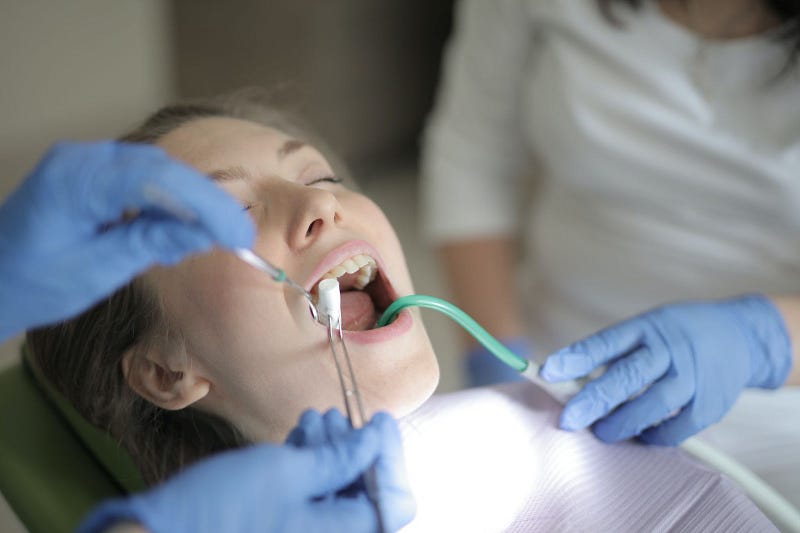
Image Source — Pexels

The National Institutes of Health went all out in order to investigate the root cause of why more than half of Americans are scared of visiting the dentist.

Furthermore, the plan was to find out why 20 percent of these people were developing a serious phobia.

The cost of the research which was conducted was north of 3.5 million dollars.

However, the results which came out after the research were very interesting.

The study revealed that the primary reason behind dental anxiety was fear of experiencing pain during dental procedures.

This is not surprising at all — because the thought of a drill piercing through bones embedded in one’s skull can be unnerving and anxiety-inducing.

5. Studying With Barbie Dolls
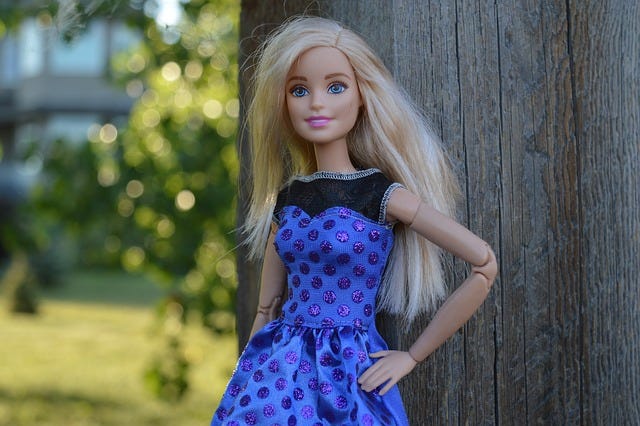
Image Source — Pixabay

In 2016, the National Eye Institute and National Science Foundation carried out a study costing taxpayers more than 300,000 US dollars.

Why? To investigate whether playing with Barbie dolls, which was more prevalent among women participants, could enhance their ability to recognize faces.

The researchers explained that because the facial features on Barbies varied, women might possess an inherent advantage and naturally be better at remembering facial features.

However, the findings suggest otherwise.

Therefore, it appears that the study incurred a cost that did not yield any significant outcomes, with the funds drawn from your earnings.

6. Alcohol Buying Spree For Diplomats And The Rich
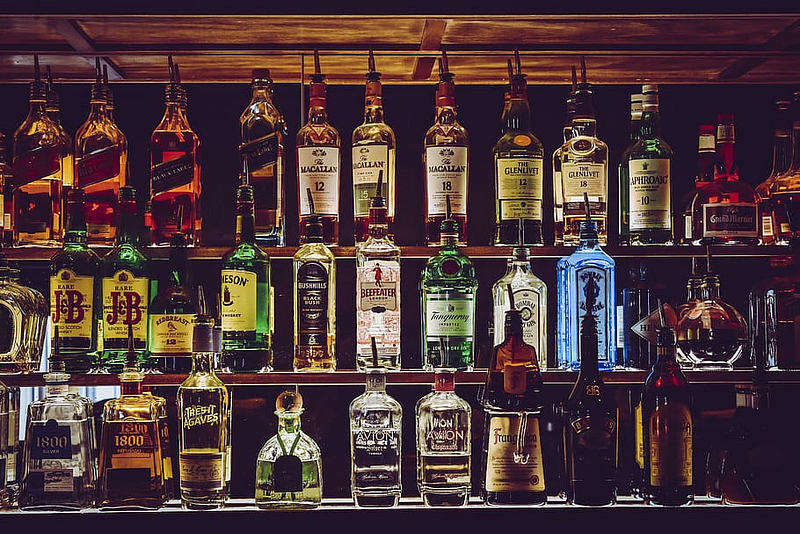
Image Source — WallpaperFlare

According to the Washington Times, in 2013, the state department procured liquor worth $180,000 prior to the government shutdown.

The bill included purchases made at the last minute from embassies all over the world, including almost 16,000 USD on bourbon and whisky from Moscow, a bit over 5,500 USD on gratuity wine from the Rio de Janeiro embassy, and about 22,500 USD on wine from the Tokyo embassy.

The government was spending on liquor like they are some sort of medicine, and the apocalypse was — just around the corner.

7. Failed Recruitment Plan

Image Source — Wiki

An American news agency recently reported that a few years ago, the National Guard sponsored a famous NASCAR driver Dale Earnhardt Jr. with an exuberant amount of 136 million dollars.

The result was 24,800 potential recruits.

However, only 20 candidates were accepted into the Guard, and none of them decided to enlist.

According to Senator Claire McCaskill of Missouri, the explanation was that the whole program was affected by demographics.

The National Guard target was people between the ages of 18 and 24, whereas race-car fans were more typically between the ages of 35 and 54.

As a result, the Army, Marines, and Navy terminated their NASCAR sponsorship due to a lack of suitable recruits.

Final Words

The examples given illustrate a range of cases of wasteful spending by government departments and agencies that had little to no tangible benefits or outcomes for taxpayers.

These situations demonstrate the importance of sensible resource management in order to avoid wasteful spending and give priority to initiatives that will benefit society.

More from the author:

History
Culture
Education
Life
Politics
Recommended from ReadMedium