
6 Things That Can Affect Your Memory
And what you can do to improve it.
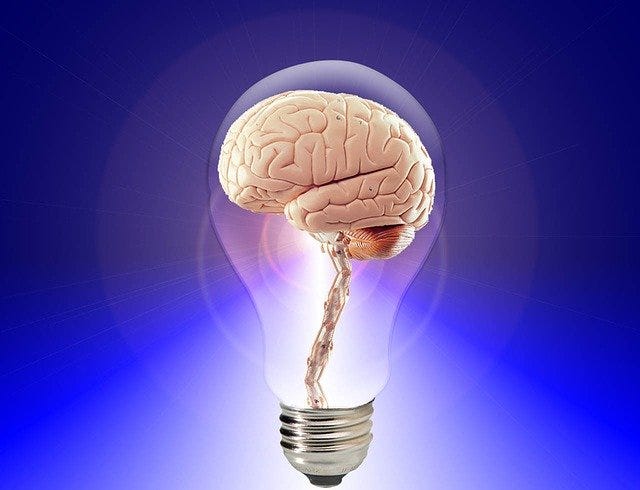
Memory is an essential part of who we are as people.
When memory is impacted it can affect our whole way of life. There are different levels of memory loss from just simply forgetting to do things to serious medical conditions that can cause forgetfulness.
I have found that as I have got older I have become a little bit more forgetful. Although I do not think my memory is anything to worry about, I think it would be beneficial to have a super sharp memory that can recall most events.
I have also found that my short term memory is not always as good as my long term memory. In the past, I have enjoyed drinking lots of alcohol with friends and eating the wrong foods, which could have had an impact on how good my memory is.
So, what are the things that could be affecting your memory, and what can you do about it?
1. B12 Deficiency
Not getting enough vitamin B12 is no joke. Lack of B12 can cause a range of problems. Not only can it affect your memory, but it can also affect your vision and nervous system. Lack of B12 can also cause pernicious anaemia, which has been linked to dementia. With pernicious anaemia abnormal red blood cells are produced.
The reason that a B12 deficiency causes memory loss is because B12 is essential to healthy brain function. This vitamin is believed to reduce the loss of neurons in the brain. As people get older they need increased levels of vitamin B12 to keep these symptoms from developing.
Solution
It may sound obvious but taking a B12 supplement can reduce this type of memory loss. The recommended daily amount of B12 that you can take is 2.5 mcg per day for adults, and 2 mcg for children aged nine to thirteen years old. It is safe to take vitamin B12 and any excess taken over the recommended amount does not get absorbed by the body, and is passed through the urine.
Changes to your diet can also improve your intake of B12. Meat, fish, and dairy products are all high in B12. If you are vegetarian or vegan there are alternatives that you can have. Other B12 rich foods include almond milk, some seaweeds, and tempeh.
There are occasions where a B12 deficiency is not related to your diet. If you are eating the right foods but still have a lack of this vitamin, then you may need injections. If needed the doctor can administer these injections every 2 to 3 months or as recommended to keep your levels up. If you want to know if your levels are improving you may need to take blood tests before and after any changes are made.
2. Smoking
Smoking is linked to faster cognitive decline. The bad news for men is that they experience this cognitive decline faster than women. Memory problems in smokers increase the longer that you keep smoking. It has been reported that smoking e-cigarettes can also cause memory impairment.
It has also been reported that smoking can cause an increased risk of dementia over time. A study that compared smokers and non-smokers found that smokers had an increased risk of dementia. The main type of dementia that can develop as a result of smoking is vascular dementia. This is because smoking increases vascular problems, which in turn can trigger dementia.
Solution
The good news is that if you quit smoking you can reduce your risk of memory problems and developing dementia. It is thought by researchers that after quitting smoking for two and a half years your memory becomes better than those that still smoke.
Quitting smoking has also been linked to increasing everyday memory. Everyday memory involves remembering short-term information, such as peoples’ names and jobs for the day.
When smokers initially stop smoking the withdrawal symptoms can negatively affect their memory, but over time an improvement is seen.
If you are struggling to quit smoking there is lots of help out there. Your doctor can discuss the options that are available. Things like nicotine patches and hypnosis may help.
3. Thyroid Problems
Hypothyroidism is also known as an underactive thyroid is a medical condition that means the body does not produce enough of the thyroid hormone. Having an underactive thyroid can also affect the hippocampus. Hippocampus is a part of the brain that affects learning and development.
Some of the symptoms that have been reported in people with underactive thyroids are forgetfulness, memory issues, and brain fog. It can also affect concentration.
Solution
An underactive thyroid can either be temporary or permanent, but both of these are treatable.
One way of treating this condition is through thyroid medication. These medications are designed to restore hormone levels back to a normal level. For people with permanent thyroid problems, they may have to take this medication long term. The medications are also designed to reduce the symptoms of hypothyroidism.
Changing your diet can also have a positive impact on improving the symptoms of an underactive thyroid, Including improving memory. Changing to a Paleo diet for up to six months has proved beneficial to some. On a Paleo diet, people eat whole foods and avoid processed food, alcohol, and sugar amongst other things.
Some people may consider surgery to combat an underactive thyroid. By speaking to your doctor you can consider all the options that are available to you.
4. Sleep
Lack of sleep can impact your memory by stopping your ability to process information and learn. Sleep deprivation can stop your brain from effectively storing information and events.
When people have less sleep than they need information cannot reach the cortex part of the brain, which makes it difficult to remember events. Lack of sleep can have an impact on both adults and children.
It is also thought that too much sleep can also affect how the brain processes memories.
Solution
The only way of fixing this is to get the right amount of sleep. Adults need between 7 and hours of sleep every night. Children need more sleep than adults. It is recommended that children get 10 to 12 hours of sleep every night.
If you are having problems sleeping experts suggest adding exercise to your daily routine. Some research has shown that exercise increase insomnia. The most beneficial type of exercise is aerobic exercise. It is advised not to exercise within three hours of going to sleep.
Also avoiding caffeine and alcohol close to bedtime can have a positive impact on sleep. The caffeine can keep you awake. Melatonin supplements can also help with getting a good night’s sleep. Melatonin is a chemical in the brain that makes us feel sleepy. As melatonin is not regulated in some countries you should be careful where you purchase this from.
5. Stress
It is said that stress can affect your short term memory. This is because the way that the brain learns is altered when you are stressed.
It is also thought that stress affects the nervous system, which in turn impacts memory. Stress can also affect the way that things are remembered. Sometimes when people are stressed they do not recall events correctly. Stress can also make you tired which can also impact a person’s memory.
Solution
By exercising regularly you can reduce your stress levels. Exercise will increase the blood flow to your brain, which will increase mental clarity and memory. It is recommended for adults to undertake at least 2.5 hours of exercise every week.
To reduce stress use techniques that will stop you from getting stressed. One technique is to keep a list of things that you need to do so that you will not have to worry about remembering things. Try to stay in calming environments if you can, to help you to think clearly.
A lot of people make time for meditation. Some people have linked meditation to reduced levels of stress.
6. Aging
As we get older it can become more difficult to remember things.
“There are three signs of old age: loss of memory…I forget the other two.” — Red Skelton
As we get older is more likely that we will start to forget things like where we put the car keys or dates for events. As people get older blood flow decreases and brain function declines, affecting memory.
Solution
One of the biggest things that can affect age-related memory loss is keeping your brain active. To stay active you should socialise as much as you can because conversations keep your brain functioning. Take up some hobbies that will involve having to use your brain, for example, puzzles are a great way of exercising your brain.
Make sure that you are eating high-quality foods so that your brain is getting all the nutrients that it needs. By eating lots of fruit, vegetables, and whole foods your brain is getting what it needs to function.
Practice memory techniques. One technique that can be used is the Loci technique. This technique uses visualisation to recall information. As part of the Loci technique, you visually place items that you want to remember in certain parts of your home.
Thanks for reading. If you like this article you can follow me for more great reads.


