
BOOK CHAPTER
#6. 10 Minute Author — Plan
Task 4: Brain-dump your book and begin to organize
I wrote a book in 10 minutes a day, so I wrote another book about how I did that. 10 Minute Author shares the steps I took so that others can too. Click here for the Chapter Guide for easy access to find the section you need. This special Medium adapted version includes additional resources not available elsewhere. Get unlimited access to everything by joining Medium (this is an affiliate link and I receive financial compensation if you join from it. Thanks for feeding a writer).
PART 1: PLAN
Brain-dump Your Plan
Have you heard of Pantsing?
This is writing by the seat of your pants without a plan and without knowing where the story, narrative, or direction is going. It can be a very open and creative process, but it’s fraught with the dangers of writer’s block, procrastination, and lack of clarity. A pantser (especially a NEW writer) will often spend much time re-writing and editing. The advantage is flow, character connection, and trusting your intuition.
Have you heard of Planning or Plotting?
A planner/plotter doesn’t need to edit as much because everything is planned before they begin writing. If you’re worried that that will take away your creativity, think of it this way, by removing the thinking process when it comes to writing you can truly allow intuition to drive you and isn’t that really what creativity is all about? The primary danger is getting stuck within your own plan and losing the flexibility to adapt and explore.
Have you heard of Plantsing?
I call myself a Plantser. Plantsers use a combination of planning and pantsing. This is and exactly what I do in writing my own books: I do the planning and thinking before the writing, then I pants within an outline. I like to Plan to Pants. Remember, whatever method you choose, be aware of your propensities and at least plan how you will deal with them.
I like to Plan to Pants.
If you are interested in following my process as a plantser, I invite you to have a look at my Rainbow Circus Publication. This follows the creation of my Rainbow Circus series including planning and raw ‘yeet’ draft creation through to editing, book publication, and production.
What is a brain-dump?
So, the next step is to brain-dump your plan. Wondering what a brain-dump is? A brain-dump is simply an unorganized mind-map. It is an opportunity to get your thoughts and ideas out of your head and onto the page so that you can then organize them. It’s much easier to organize unorganized thoughts that you can see than it is to organize theoretical compartments within your mind. Brain-dump everything you think or feel that needs to be in your book and don’t worry about organizing yet, just dump it out.
Non-fiction brain-dump
Brain-dumping a non-fiction book is a simple process of asking yourself two questions. Think back to your message, your audience, and your intentions, and these questions should be easy to answer.
- What do they want? What does your ideal reader want to read about? What is the information that they are buying your book to get? What is the surface message they are seeking to have answered?
- What do they need? Think about the things that you know that they need to move forward that perhaps they have not yet recognized or admitted. What is the deeper message and your core message and what do they need from you to receive those messages?
Fiction brain-dump
Brain-dumping fiction is a little different. When brain-dumping fiction, you need to consider:
- Your story beats/plan (if you are new to writing, consider using the hero’s journey or three-act structure)
- Your plot (two major plot points — you can introduce sub-plots)
- Your character arcs (what do your characters learn and how do they change?)
Start by brain-dumping the characters and how they fit into your plan (eg/ for the hero’s journey — are they the protagonist, the antagonist, the mentor, the sidekick?) How will your character grow or change during the story? What is the main plot and what are some of the sub-plots and how will these play out over a simple three-act structure? What are the key turning points and plot developments?
Let’s organize this dump
Once you’ve completed your brain-dump, it is then time to go back and organize everything.
Non-fiction: When organizing your non-fiction brain-dump, group similar thoughts. Always refer back to your audience and your intentions and be flexible enough to let a subject go if it doesn’t fit in or align with the rest of your book. You can always write another book! Consider if you wish to go wide vs deep — would you prefer to cover a lot of topics but only shallow dive, or would you prefer to cover only a few topics and dive deep? More importantly, what does your ideal reader want?
Fiction: When organizing your fiction brain-dump, it is about aligning across four different categories — align your plot and your acts with your hero’s journey and align your character growth across both. Work out your storyline vs your plotline. Your storyline is the story in sequence as your reader reads it whereas your plotline is the sequence of events in time as the character experience is it. Start planning basic scenes based on your brain-dump organization.
Your storyline is the story in sequence as your reader reads it whereas your plotline is the sequence of events in time as the character experience is it.
Importance of the brain-dump
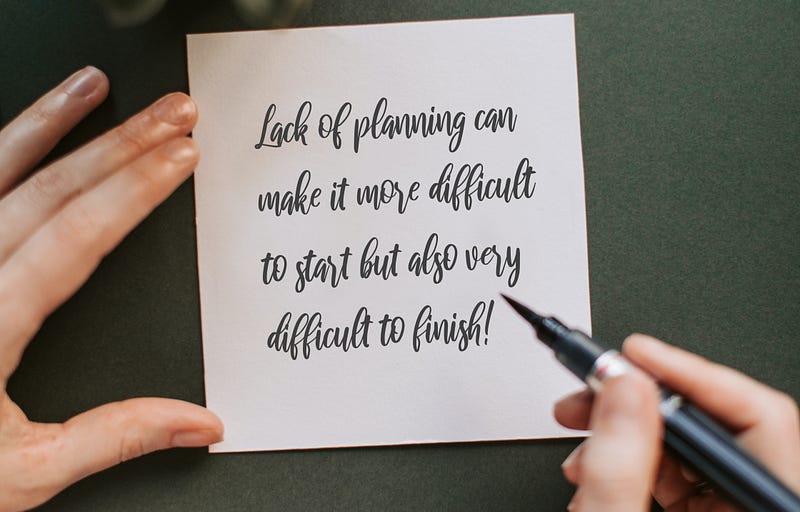
Brain-dumping before organizing and planning your book or manuscript will ensure that you don’t miss anything and it will keep you on track. Remember though, that it is ok to let things go and to add things after you brain-dump and plan — as long as it fits with your purpose, your audience, your message (everything we’ve covered to this point). Lack of planning can make it more difficult to start but also very difficult to finish, whereas brain-dumping means everything is out in the open and all you need to do is shuffle everything around. Be it fiction or non-fiction, brain-dump your thoughts first, get them on paper, and then worry about structure.
YOUR TASK: Brain-dump your book elements and then start organizing them.
Copyright © 2020 Writer’s World
All rights reserved. No portion of this book may be reproduced in any form without permission from the publisher, except as permitted by Australian copyright law.
This book was written a few years ago and published in 2020; however, since then, I have closed the program and website that it refers to so, I need to update it. What better way than to share it on here? You can purchase the full original copy on Amazon here.


