avatarAhu Ermiş

Free AI web copilot to create summaries, insights and extended knowledge, download it at here

5280

Abstract

Sanskrit.</p><p id="fe5e" type="7">“Yoga is a restriction of the fluctuations of consciousness . . .</p><p id="cbc5" type="7">Yoga is the control of the thought-waves in the mind. . . .</p><p id="403e" type="7">Yoga is restraining the activities of the mind. . . .</p><p id="88ef" type="7">Yoga is the process of ending the definitions of the field of consciousness . . .</p><p id="ce89" type="7">Yoga is the cessation of the misidentification with the modifications of the mind. . .”</p><p id="b479" type="7">Patanjali</p><p id="cfef">Patanjali defined Yoga as “<b>Ashtanga”</b> or “<b>Eight Limbs Of Yoga”</b> are Yama (abstinences), Niyama (observances), Asana (yoga postures), Pranayama (breath control), Pratyahara (withdrawal of the senses), Dharana (concentration), Dhyana (meditation) and Samadhi (absorption).</p><h2 id="bec3">1. Yama</h2><p id="7f29">Yama is universal moral practices/disciplines that relate best to what we know as the Golden Rule,</p><p id="43ac" type="7">“Do unto others as you would have them do unto you.”</p><p id="2f45">The five Yamas are;</p><p id="3d0d"><b>Ahimsa</b>: nonviolence</p><p id="a05b"><b>Satya</b>: truthfulness</p><p id="24aa"><b>Asteya</b>: nonstealing</p><p id="2f48"><b>Brahmacharya</b>: continence</p><p id="c075"><b>Aparigraha</b>: non-covetousness</p><h2 id="c899">2. Niyama</h2><p id="ba29">It is the spiritual observation phase known as the second limb. It includes disciplines such as being pure, grateful, and pleased, self-discipline, and self-education. This step is mostly related to the effects of worldly life on humans. Meditation practices, or making a habit of taking contemplative walks, are examples of Niyama practices.</p><p id="3fbc">The five Niyamas are;</p><p id="8644"><b>Saucha:</b> cleanliness</p><p id="2b5b"><b>Samtosa:</b> contentment</p><p id="305f"><b>Tapas:</b> heat; spiritual austerities</p><p id="c89e"><b>Svadhyaya:</b> the study of the sacred scriptures and one’s self</p><p id="2a80"><b>Isvara pranidhana:</b> surrender to God</p><h2 id="4099">3. Asana</h2><p id="93d3">Asana, which means yoga poses, forms the third limb. In different yoga practices, yoga postures differ.</p><p id="b03e" type="7">“The body is your temple. Keep it pure and clean for the soul to reside in.” by B.K.S. Iyengar</p><h2 id="2dd8">4. Pranayama</h2><p id="42c3">This limb is about breathing, which is accepted as life energy in Yoga. <a href="https://readmedium.com/the-expansion-of-life-force-with-breath-a0b3a26842a2">The Pranayama</a> includes the control of life energy.</p><div id="a27d" class="link-block"> <a href="https://readmedium.com/the-expansion-of-life-force-with-breath-a0b3a26842a2"> <div> <div> <h2>The Expansion Of Life Force With Breath</h2> <div><h3>What is Pranayama Practice? What are the benefits of it?</h3></div> <div><p>medium.com</p></div> </div> <div> <div style="background-image: url(https://miro.readmedium.com/v2/resize:fit:320/1*OB6bBtSu7fAj99nbdIcvsg.png)"></div> </div> </div> </a> </div><h2 id="6570">5. Pratyahara</h2><p id="7bbb">Also known as isolation or withdrawal, it is the limb that aims to extract energy from emotions and sense organs consciously. It is a sense of control that you make the conscious effort to draw our awareness away from the external world and outside stimuli.</p><h2 id="e6d1">6. Dharana</h2><p id="4375">The sixth limb, concentration is one of the most challenging steps to be applied in today’s modern world. Yoga teachers aim to increase our concentration level by saying that we should focus our attention on our breath. Pratyahara prepares us for Dharana to achieve one-pointed recognition. When you eliminate the outside disturbance, then you can deal with distractions of the mind. It is not easy, but more practice will improve you.</p><h2 id="328d">7. Dhyana</h2><p id="53dc">Dhyana, which is the seventh step of the yoga journey, is mind training, meditation phase. The Dhyana is different than Dharana since Dhyana is a state of being keenly aware without focus. Your mind is quiet and still at this stage. There is almost no thoughts or few in mind.</p><h2 id="7bd9">8. Samadhi</h2><p id="3055">It is the last limb. It is self-giving as a whole. A transition beyond consciousness is depicted. The person is immobile, as when you are asleep, but mind and consciousness are alert as you are awake. In the book “<a href="https://amzn.to/2OIzJpL">Light on Yoga Sutras of Patanjali</a>,” Samadhi is defined as a complete absorption and the most profound state of meditation. At this stage, the seeker becomes a seer.</p><p id="a3c1" type="7">“Yoga does not just change the way we see things; it transforms the person who sees.” by B.K.S Iyengar</p><p id="316c">After Patanjali, M.S. 600, the Classical period has ended, and Tantra yoga has emerged.</p><figure id="6e5e"><img src="https://cdn-images-1.readmedium.com/v2/resize:fit:800/0*MyXjz4nuhQvGY7n5.png"><figcaption>Photo by <a href="https://unsplash.com/@salty_sandals?utm_source=unsplash&amp;utm_medium=referral&amp;utm_content=creditCopyText">Jason Cooper</a> on <a href="https://unsplash.com/s/photos/temple?u

Options

tm_source=unsplash&utm_medium=referral&utm_content=creditCopyText">Unsplash</a></figcaption></figure><h2 id="7966">Modern Yoga</h2><p id="9811">If we come out of the dusty pages of history and come to the present, Yoga philosophy came to the West in the late 19th century.</p><p id="a35a">With the British colonization of India in the 1800s, Western countries wanted to take advantage of these exotic features of the East. Thanks to the speeches of the Hindu monk Swami Vivekananda in the West in 1893, Yoga was introduced to overseas.</p><p id="531c">Tirumalai Krishnamacharya (1888–1989), one of the essential Yoga teachers of the 20th century and known as the father of modern Yoga, went to Tibet and deepened in the size of Yoga asana, as there were few people practicing asana in India.</p><figure id="bd00"><img src="https://cdn-images-1.readmedium.com/v2/resize:fit:800/0*6AyOVH8AD3bR6Xya"><figcaption><a href="http://merimeel.ee/krishnamacharya-tutvustus/">Tirumalai Krishnamacharya (1888–1989)</a></figcaption></figure><p id="61ae">Krishnamacharya opened the first Hatha Yoga school in Mysore in 1924 and raised three students who will continue their legacy and increase the popularity of Hatha Yoga: B.K.S. Iyengar, T.K.V. Desikachar, and K. Pattabhi Jois.</p><h2 id="e503">B.K. S. Iyengar (1918–2014)</h2><figure id="f782"><img src="https://cdn-images-1.readmedium.com/v2/resize:fit:800/0*-wWTAnWy6zrraF5Q.jpg"><figcaption><a href="https://iymv.org/bks-iyengar-practising-at-rimyi-previously-unpublished-pictures/">B.K. S. Iyengar (1918–2014)</a></figcaption></figure><p id="f5fd">B.K.S. Iyengar met Yoga as the brother-in-law of Krishnamacharya. Iyengar, who died in 2014, is the author of his book “<a href="https://amzn.to/30yZ0bz">Light to Yoga.”</a> Asanas of anatomically detailed statement cited this book has been indispensable over the world in several different Yoga Teacher Training.</p><div id="7f79" class="link-block"> <a href="https://readmedium.com/inspiring-quotes-by-iyengar-that-will-transform-your-life-9b8e43cf7093"> <div> <div> <h2>Inspiring Quotes by Iyengar That Will Transform Your Life</h2> <div><h3>Five inspiring B.K.S. Iyengar’s quotes about life</h3></div> <div><p>medium.com</p></div> </div> <div> <div style="background-image: url(https://miro.readmedium.com/v2/resize:fit:320/1*Ndm5QSzDocsK2fqZiRQl6A.png)"></div> </div> </div> </a> </div><h2 id="14d7">T.K.V. Desikachar (1938–2016)</h2><p id="138f">He was the son of Krishnamacharya. He developed the Viniyoga type, which has healing properties and contains softer asanas.</p><h2 id="fac6">Pattabhi Jois(1915–2009)</h2><p id="50c3">He was the person who made Ashtanga Yoga come to the present. He is the founder of the Ashtanga Yoga Institute in Mysore.</p><p id="dc23">I do not doubt that Yoga practice, which has been changing and developing for more than 5000 years, will be with us in the years to come.</p><p id="7009">Namaste.</p><p id="0fb9"><i>If you liked this article, you might enjoy the below:</i></p><div id="77bc" class="link-block"> <a href="https://readmedium.com/things-you-need-to-know-about-yin-yoga-and-why-should-you-try-it-d67c6d64eae3"> <div> <div> <h2>Things You Need to Know About Yin Yoga: Should You Try It?</h2> <div><h3>“If you want to conquer the anxiety of life, live in the moment, live in the breath.”</h3></div> <div><p>medium.com</p></div> </div> <div> <div style="background-image: url(https://miro.readmedium.com/v2/resize:fit:320/0*J3m-oFb3EzgMf28q)"></div> </div> </div> </a> </div><div id="0993" class="link-block"> <a href="https://readmedium.com/how-to-sit-for-the-meditation-f3549e3a9004"> <div> <div> <h2>How To Sit For The Meditation?</h2> <div><h3>Suitable sitting positions for practitioners who are just starting to meditate or who want to deepen their practice</h3></div> <div><p>medium.com</p></div> </div> <div> <div style="background-image: url(https://miro.readmedium.com/v2/resize:fit:320/1*5SYP8pv6jac1jb8f3RvSkA.png)"></div> </div> </div> </a> </div><div id="0404" class="link-block"> <a href="https://readmedium.com/life-changing-benefits-of-meditation-practice-by-the-proof-of-harvard-university-9647fac0bc20"> <div> <div> <h2>Life-Changing Benefits Of Meditation Practice By The Proof of Harvard University</h2> <div><h3>The brief history of meditation from the East to the West and the proven advantages on the brain</h3></div> <div><p>medium.com</p></div> </div> <div> <div style="background-image: url(https://miro.readmedium.com/v2/resize:fit:320/1*SBO4WUjqCE67enpuIEvWPQ.png)"></div> </div> </div> </a> </div></article></body>

5000 Years Of Yoga Practice The Journey Of Yoga From the Past To Today

“Yoga Is The Journey Of The Self, Through The Self, To The Self”

Yoga is the Indian philosophical system that aims to dominate the body and spiritual life by educating the soul and the body in several ways. It is a Hindu spiritual and ascetic discipline, and the meaning of Yoga is ‘union’ or ‘connection’ in the Sanskrit language.

“Yogi” is a person who is a male master practitioner of yogic discipline, and “Yogini” is a person who is a female master practitioner of yogic discipline.
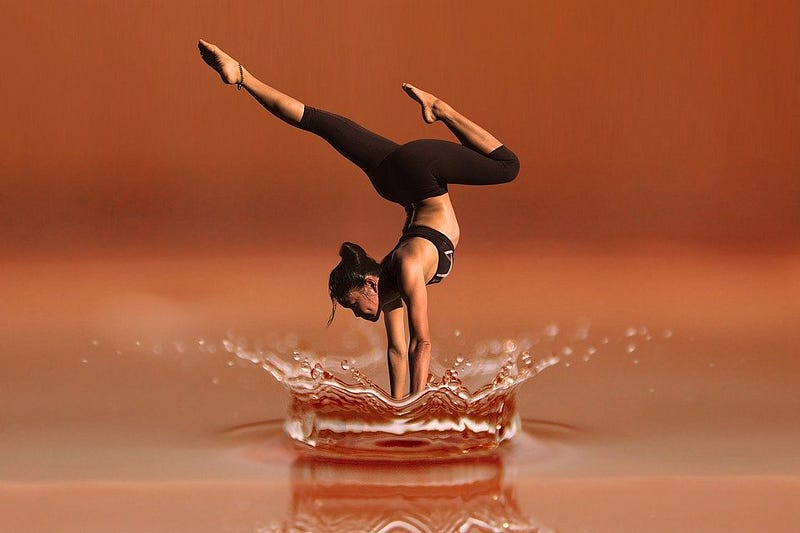
Image by Gerd Altmann from Pixabay

History of Yoga

Yoga history has many uncertainties due to the verbal transfer of scriptures and the hidden nature of its teachings.

Some researchers say that Yoga may have been 10,000–15,000 years old, but its development goes back to 5000 years ago.
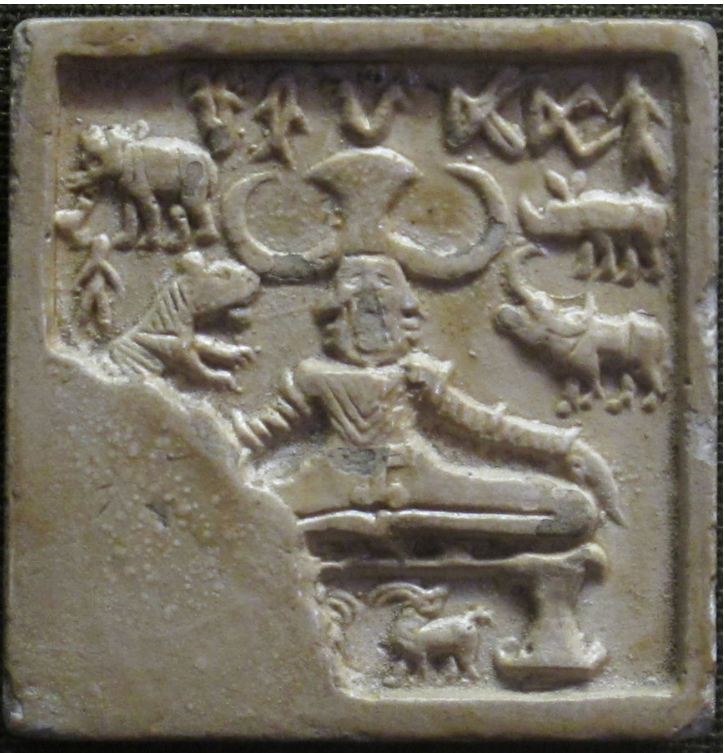
Source

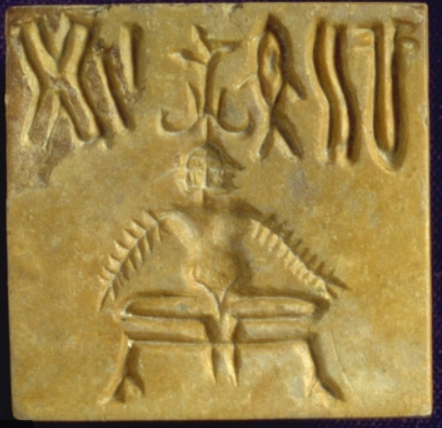
Yoga emerged in the Indus Valley Civilization in South Asia between B.C. 3000 and 1700, during the Bronze Age. The figures on the seals found in the archaeological studies are associated with Yoga. The word “Yoga” does not exist on these remains.

The word Yoga was first mentioned in the oldest written texts of India called “Veda or Vedic Science.” They were written in Sanskrit, which forms the basis of the ancient Hindu religion. Yoga is not associated with a physical practice in this process called the Vedic period.

Vedas are a collection of mantras or hymns, and most of these mantras are in the form of measured strings. The Vedas, which were initially transmitted from generation to generation, have been written in centuries.
Source

The Upanishads; It is one of the four oldest and sacred Vedas in the Vedic literature. The other three sections are Samita, Brahmana, and Aranyaka.

Upanishads are philosophical and spiritual explanations of the Vedas.

It consists of the combination of the words Upa (close/by), ni (down) and shad (sitting), referring to the student sitting down near the teacher while receiving spiritual knowledge.

B.C. Between 485 and 405 Yoga started to take shape with the rise of Buddhism between B.C. 485 and 405. Practically ahimsa (nonviolence) emerged as a reaction to victims in Vedic culture. The main contribution of Buddhism to date is the way to end the pain called “Noble Eightfold Path.” The Eightfold Path consists of eight practices:

  • Right View (Know the truth)
  • Right Intention (Free your mind of evil)
  • Right Speech (Say nothing that hurts others)
  • Right Conduct/Action (Work for that hurts others)
  • Right Livelihood (Respect life)
  • Right Effort (Resist evil)
  • Right Concentration (Practice meditation)
  • Right Mindfulness (Control your thoughts)

Bhagavad Gita (The Song of God) (400 BC — 400 BC) is part of Mahabharata, one of India’s two great epics, said to be the longest poem in the world. It consists of 700 strings divided into 18 sections.

It presented the first useful definitions of Yoga with its content and created a revolution by saying that Yoga is a practice open to everyone with its different forms. Thus, it was the first time that all social groups, including women, had access to this practice.

“Yoga Is The Journey Of The Self, Through The Self, To The Self”

Bhagavad Gita
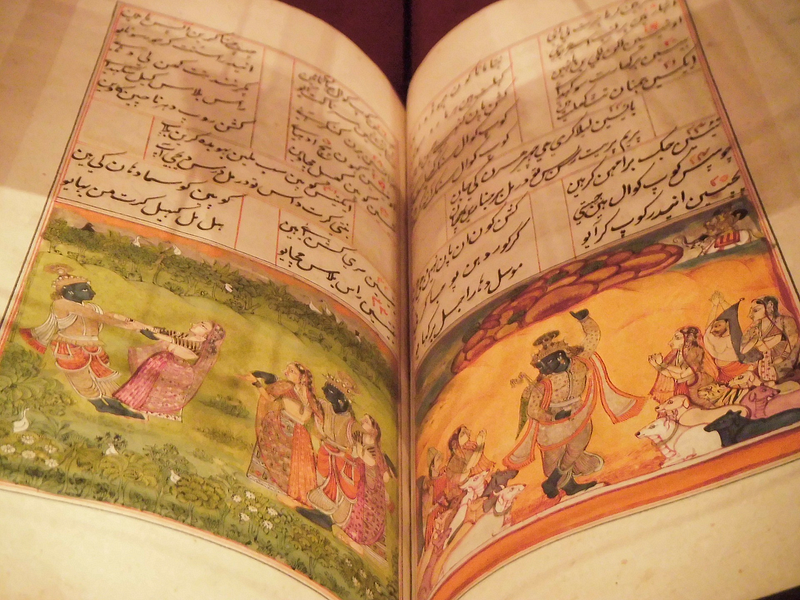
Image by nmoodley from Pixabay

Yoga Sutras of Patanjali, which left its mark on the classical period, are the cornerstone of today’s yoga practice. Practices such as Kriya Yoga, Ashtanga Yoga, and Samyama, which are mentioned today, are described in this inscription. It consists of four chapters and one hundred and ninety-six sutras, written in Sanskrit.

“Yoga is a restriction of the fluctuations of consciousness . . .

Yoga is the control of the thought-waves in the mind. . . .

Yoga is restraining the activities of the mind. . . .

Yoga is the process of ending the definitions of the field of consciousness . . .

Yoga is the cessation of the misidentification with the modifications of the mind. . .”

Patanjali

Patanjali defined Yoga as “Ashtanga” or “Eight Limbs Of Yoga” are Yama (abstinences), Niyama (observances), Asana (yoga postures), Pranayama (breath control), Pratyahara (withdrawal of the senses), Dharana (concentration), Dhyana (meditation) and Samadhi (absorption).

1. Yama

Yama is universal moral practices/disciplines that relate best to what we know as the Golden Rule,

“Do unto others as you would have them do unto you.”

The five Yamas are;

Ahimsa: nonviolence

Satya: truthfulness

Asteya: nonstealing

Brahmacharya: continence

Aparigraha: non-covetousness

2. Niyama

It is the spiritual observation phase known as the second limb. It includes disciplines such as being pure, grateful, and pleased, self-discipline, and self-education. This step is mostly related to the effects of worldly life on humans. Meditation practices, or making a habit of taking contemplative walks, are examples of Niyama practices.

The five Niyamas are;

Saucha: cleanliness

Samtosa: contentment

Tapas: heat; spiritual austerities

Svadhyaya: the study of the sacred scriptures and one’s self

Isvara pranidhana: surrender to God

3. Asana

Asana, which means yoga poses, forms the third limb. In different yoga practices, yoga postures differ.

“The body is your temple. Keep it pure and clean for the soul to reside in.” by B.K.S. Iyengar

4. Pranayama

This limb is about breathing, which is accepted as life energy in Yoga. The Pranayama includes the control of life energy.

5. Pratyahara

Also known as isolation or withdrawal, it is the limb that aims to extract energy from emotions and sense organs consciously. It is a sense of control that you make the conscious effort to draw our awareness away from the external world and outside stimuli.

6. Dharana

The sixth limb, concentration is one of the most challenging steps to be applied in today’s modern world. Yoga teachers aim to increase our concentration level by saying that we should focus our attention on our breath. Pratyahara prepares us for Dharana to achieve one-pointed recognition. When you eliminate the outside disturbance, then you can deal with distractions of the mind. It is not easy, but more practice will improve you.

7. Dhyana

Dhyana, which is the seventh step of the yoga journey, is mind training, meditation phase. The Dhyana is different than Dharana since Dhyana is a state of being keenly aware without focus. Your mind is quiet and still at this stage. There is almost no thoughts or few in mind.

8. Samadhi

It is the last limb. It is self-giving as a whole. A transition beyond consciousness is depicted. The person is immobile, as when you are asleep, but mind and consciousness are alert as you are awake. In the book “Light on Yoga Sutras of Patanjali,” Samadhi is defined as a complete absorption and the most profound state of meditation. At this stage, the seeker becomes a seer.

“Yoga does not just change the way we see things; it transforms the person who sees.” by B.K.S Iyengar

After Patanjali, M.S. 600, the Classical period has ended, and Tantra yoga has emerged.
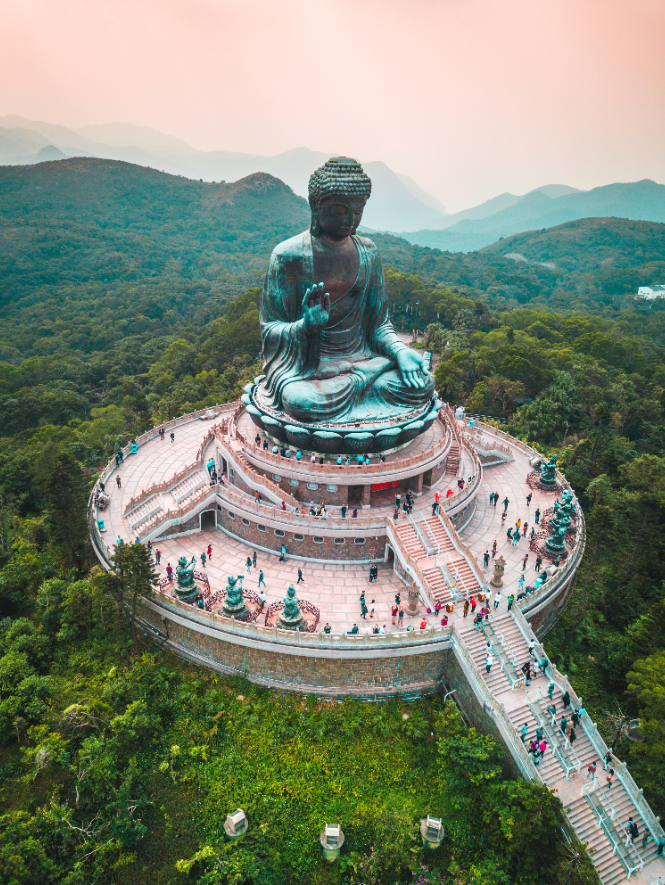
Photo by Jason Cooper on Unsplash

Modern Yoga

If we come out of the dusty pages of history and come to the present, Yoga philosophy came to the West in the late 19th century.

With the British colonization of India in the 1800s, Western countries wanted to take advantage of these exotic features of the East. Thanks to the speeches of the Hindu monk Swami Vivekananda in the West in 1893, Yoga was introduced to overseas.

Tirumalai Krishnamacharya (1888–1989), one of the essential Yoga teachers of the 20th century and known as the father of modern Yoga, went to Tibet and deepened in the size of Yoga asana, as there were few people practicing asana in India.
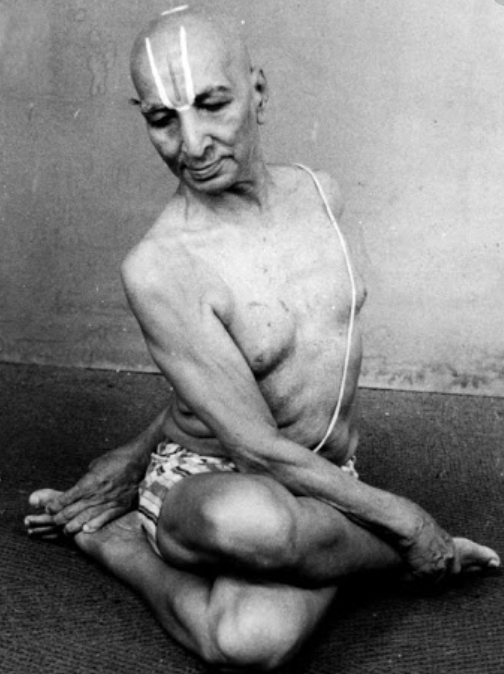
Tirumalai Krishnamacharya (1888–1989)

Krishnamacharya opened the first Hatha Yoga school in Mysore in 1924 and raised three students who will continue their legacy and increase the popularity of Hatha Yoga: B.K.S. Iyengar, T.K.V. Desikachar, and K. Pattabhi Jois.

B.K. S. Iyengar (1918–2014)
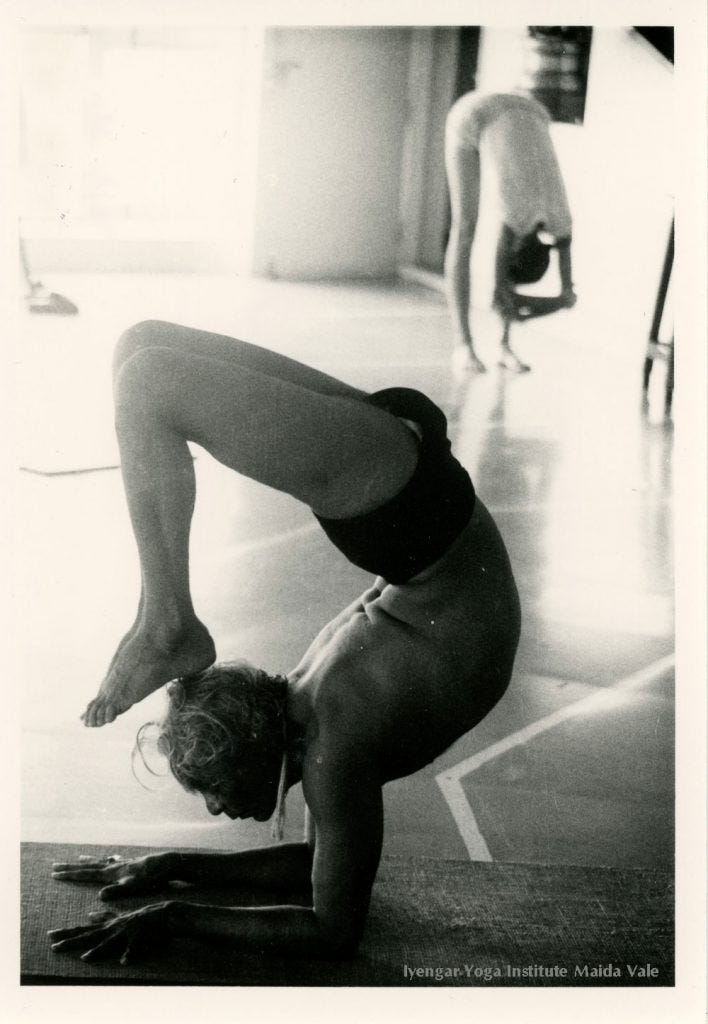
B.K. S. Iyengar (1918–2014)

B.K.S. Iyengar met Yoga as the brother-in-law of Krishnamacharya. Iyengar, who died in 2014, is the author of his book “Light to Yoga.” Asanas of anatomically detailed statement cited this book has been indispensable over the world in several different Yoga Teacher Training.

T.K.V. Desikachar (1938–2016)

He was the son of Krishnamacharya. He developed the Viniyoga type, which has healing properties and contains softer asanas.

Pattabhi Jois(1915–2009)

He was the person who made Ashtanga Yoga come to the present. He is the founder of the Ashtanga Yoga Institute in Mysore.

I do not doubt that Yoga practice, which has been changing and developing for more than 5000 years, will be with us in the years to come.

Namaste.

If you liked this article, you might enjoy the below:

Yoga
Mindfulness
History
Spirituality
Self
Recommended from ReadMedium