avatarAhu Ermiş

Free AI web copilot to create summaries, insights and extended knowledge, download it at here

1654

Abstract

mic mysticism and Sufism with the shift of meditation further west.</p><p id="d5ca">In the last centuries of the Byzantine empire, Christianity met with meditation.</p><p id="cdbe">With the British colonization of India in the 1800s, Western countries wanted to take advantage of these exotic features of the East.</p><p id="a40e">By the speeches of the Hindu monk, Swami Vivekananda in the West in 1893, Yoga and meditation were introduced to overseas.</p><p id="b4e0">In the late 1950s, Hindu meditative techniques arrived in Australia.</p><p id="1bd3">During the 1970s and 1980s, there were much scientific research has been reported to clarify the mechanism of meditation; however, it is still not clear.</p><p id="23ae">Today, many people still believe that meditation is a superstition or a form of worship from the East, but they are wrong. Meditation is a proven brain practice with positive effects on the brain.</p><p id="eb04">The Neuroscientist Sara Lazar researched to show the positive impact of meditation on the brain at Harvard University.</p><p id="5374">In this study, they took people who had never meditated before and put check their initial brain type with a scanner. Then they started a meditation-based stress reduction program for eight weeks, and people are responsible for meditating for 30–40 minutes each day.</p><p id="5ebf">The results were surprising; many parts of the brain became larger.</p><p id="e9e1" type="7">“Participants reported significantly reduced perceived stress. Reductions in perceived stress correlated positively with decreases in right basolateral amygdala gray matter density. Whereas prior studies f

Options

ound gray matter modifications resulting from the acquisition of abstract information, motor and language skills, this study demonstrates that neuroplastic changes are associated with improvements in a psychological state variable.” based on the study Britta K. Hölzel and Sara W. Lazar</p><p id="62c3">Please check the changes in the brain below;</p><figure id="8ce6"><img src="https://cdn-images-1.readmedium.com/v2/resize:fit:800/0*KfOf8vjem-8Miot2"><figcaption>Source: <a href="https://www.youtube.com/watch?v=m8rRzTtP7Tc&amp;t=395s">How Meditation Can Reshape Our Brains: Sara Lazar at TEDxCambridge Talk 2011</a></figcaption></figure><figure id="89b2"><img src="https://cdn-images-1.readmedium.com/v2/resize:fit:800/0*DdiRqjdL-_8oVEWO"><figcaption>Source: <a href="https://www.youtube.com/watch?v=m8rRzTtP7Tc&amp;t=395s">How Meditation Can Reshape Our Brains: Sara Lazar at TEDxCambridge Talk 2011</a></figcaption></figure><figure id="af1c"><img src="https://cdn-images-1.readmedium.com/v2/resize:fit:800/0*GUz3XYbnl-51S7ku"><figcaption>Source: <a href="https://www.youtube.com/watch?v=m8rRzTtP7Tc&amp;t=395s">How Meditation Can Reshape Our Brains: Sara Lazar at TEDxCambridge Talk 2011</a></figcaption></figure><p id="dd31">In light of this information above, I think meditation is necessary and beneficial for people. I recommend you not to listen if there are people who say I have practiced but have not seen any change.</p><p id="6fc4">Everyone is different, and everyone’s practice varies from person to person. Even if we don’t notice a change from the outside, it’s working somewhere deep.</p><p id="f03f">Stay mindful.</p></article></body>

Life-Changing Benefits Of Meditation Practice By The Proof of Harvard University

The brief history of meditation from the East to the West and the proven advantages on the brain

Photo by Zoltan Tasi on Unsplash

More than 7000 years ago, the evidence showed that people seated in meditative postures with half-closed eyes.

B.C. 3000–1700 during the Bronze Age, The figures on the seals found in the archaeological studies in the Indus Valley Civilization in South Asia, and they are associated with Yoga and meditation. The word Yoga was not mentioned on these remains yet.
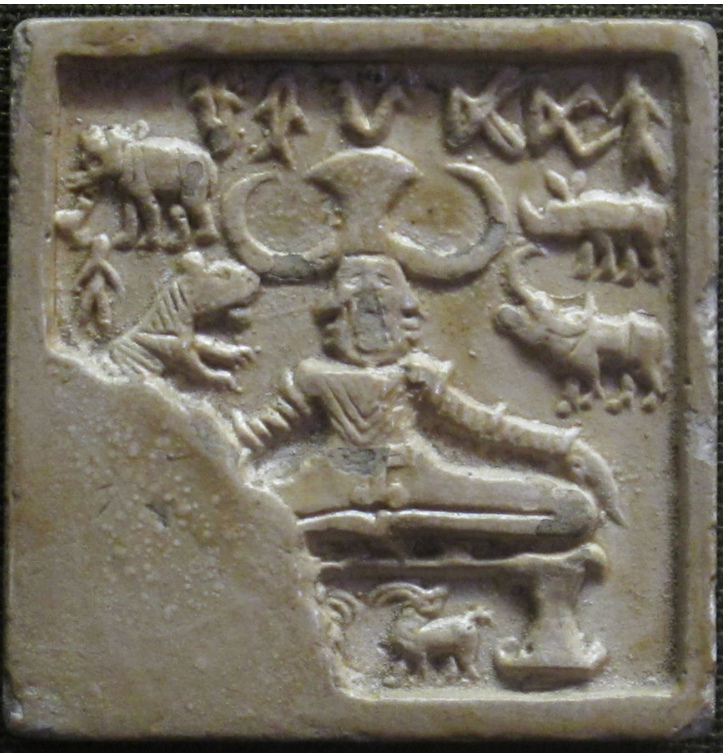
In Buddhist India, the meditation tradition passed from generation by word of mouth and, the students were sent to Gurukuls(school) to learn by Guru.

In those years, there were different meditation techniques generated in India and Taoist China. Meditation practices varied by breathing techniques, sitting style, and mantras.

Then the practices arrived in Japan from China. By the 12th century, it is influenced by Islamic mysticism and Sufism with the shift of meditation further west.

In the last centuries of the Byzantine empire, Christianity met with meditation.

With the British colonization of India in the 1800s, Western countries wanted to take advantage of these exotic features of the East.

By the speeches of the Hindu monk, Swami Vivekananda in the West in 1893, Yoga and meditation were introduced to overseas.

In the late 1950s, Hindu meditative techniques arrived in Australia.

During the 1970s and 1980s, there were much scientific research has been reported to clarify the mechanism of meditation; however, it is still not clear.

Today, many people still believe that meditation is a superstition or a form of worship from the East, but they are wrong. Meditation is a proven brain practice with positive effects on the brain.

The Neuroscientist Sara Lazar researched to show the positive impact of meditation on the brain at Harvard University.

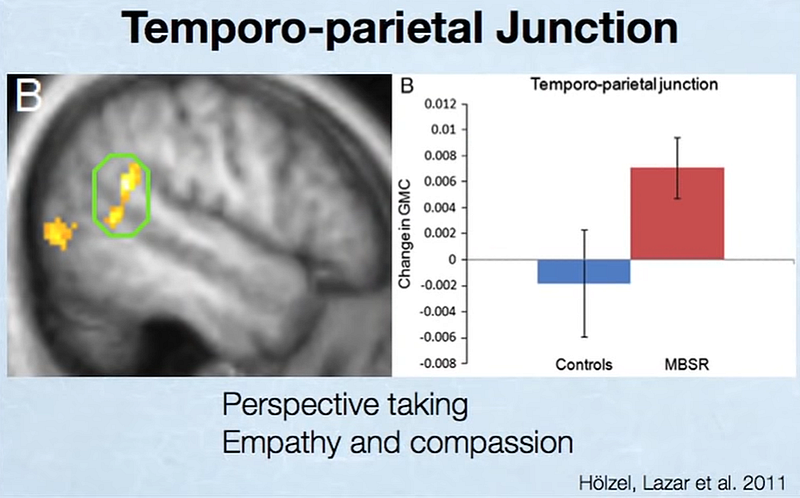
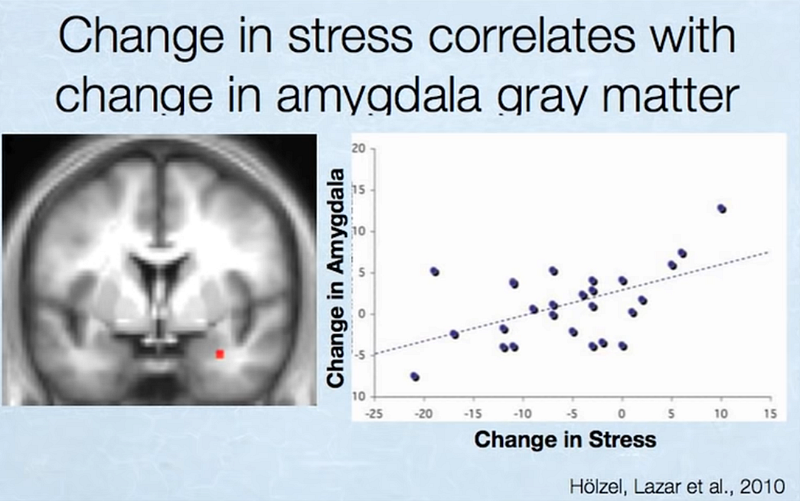
In this study, they took people who had never meditated before and put check their initial brain type with a scanner. Then they started a meditation-based stress reduction program for eight weeks, and people are responsible for meditating for 30–40 minutes each day.

The results were surprising; many parts of the brain became larger.

“Participants reported significantly reduced perceived stress. Reductions in perceived stress correlated positively with decreases in right basolateral amygdala gray matter density. Whereas prior studies found gray matter modifications resulting from the acquisition of abstract information, motor and language skills, this study demonstrates that neuroplastic changes are associated with improvements in a psychological state variable.” based on the study Britta K. Hölzel and Sara W. Lazar

Please check the changes in the brain below;
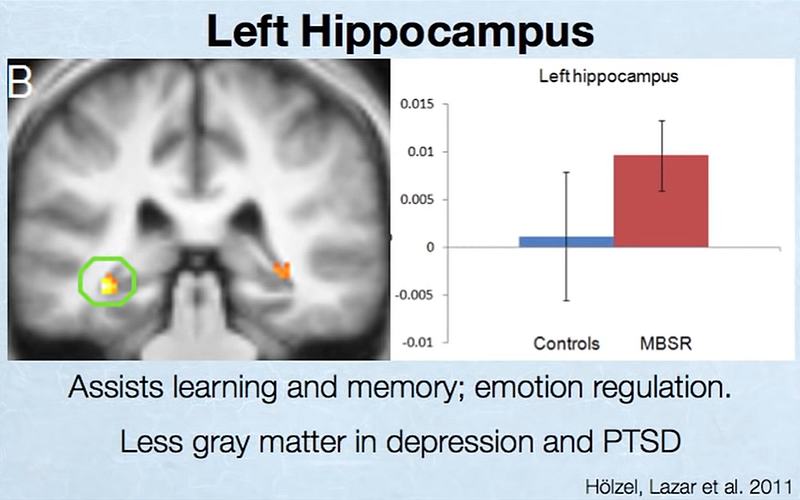
Source: How Meditation Can Reshape Our Brains: Sara Lazar at TEDxCambridge Talk 2011

In light of this information above, I think meditation is necessary and beneficial for people. I recommend you not to listen if there are people who say I have practiced but have not seen any change.

Everyone is different, and everyone’s practice varies from person to person. Even if we don’t notice a change from the outside, it’s working somewhere deep.

Stay mindful.

Meditation
Brain
Mindfulness
Self Improvement
Self
Recommended from ReadMedium