
5 Unheard Bizzare Festivals Will Definitely Question Your Sanity
You can run but cannot hide from the wrath of the Horned Santa
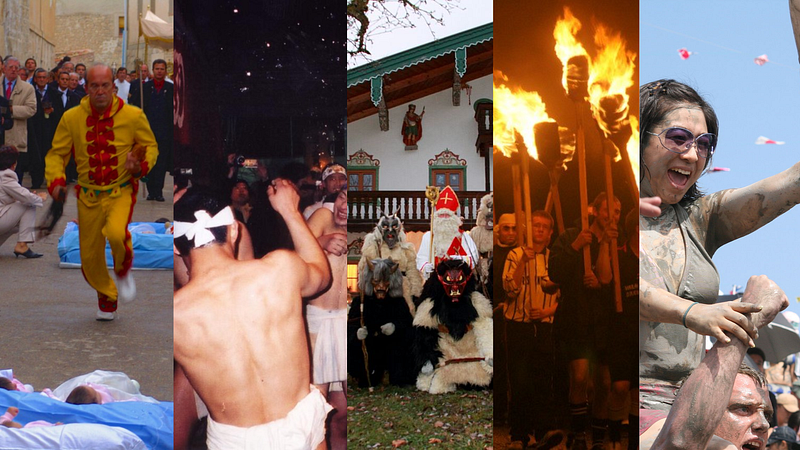
Festives are contagious ways to stimulate and spread joy among people. At times they hold a religious value and many of the times are practiced within a geographic vicinity. You already know about the Christian Christmas, the Muslim Eid, and the Jewish Hanukkah. But today, I want to enlighten you about festivals you probably haven’t heard of and should celebrate. Umm..maybe?
1- Krampusnacht or the Night of The Anti-Santa
Krampusnacht is celebrated in Germany, on the night before December 6th annually and features the anti-Santa, Krampus. Every year St. Nicholas or “Santa” gives gifts to well-mannered children, while naughty kids get a lump of coal from Krampus, as well as a good scaring.
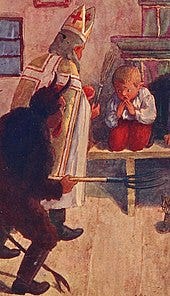

The Krampus is an anthropomorphic folklore creature with horns in Central and Eastern Alpine During the Christmas season, the Krampus scouts out, mischievous children.
He is an assistant to Saint Nicholas and the pair visits the children on the night of 5th December, with Saint Nicholas gifting the good children treats such as oranges, dried fruit, walnuts, and chocolate, while the mischievous ones only get punishment from the anti-Santa with birch rods.
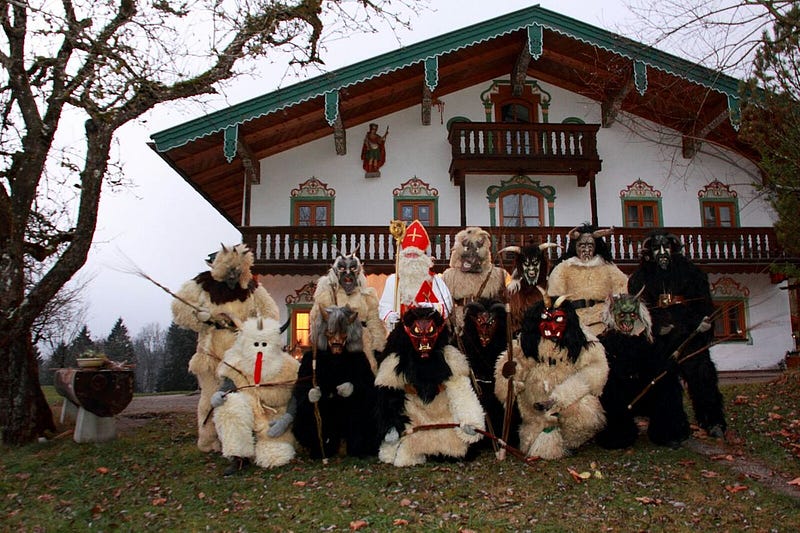

The origin of the figure is not known; some folklorists and anthropologists have said it has pre-Christian origins. In traditional parades like the Krampuslauf young men cosplay as Krampus and attempt to scare the audience. Even on holiday greeting cards, Krampus is featured.
Since 1984, Krampus has been featured in Hollywood horror films and has become an unlikely figure in modern pop culture.
2- Hadaka Matsuri (裸祭り or “Naked Festival”
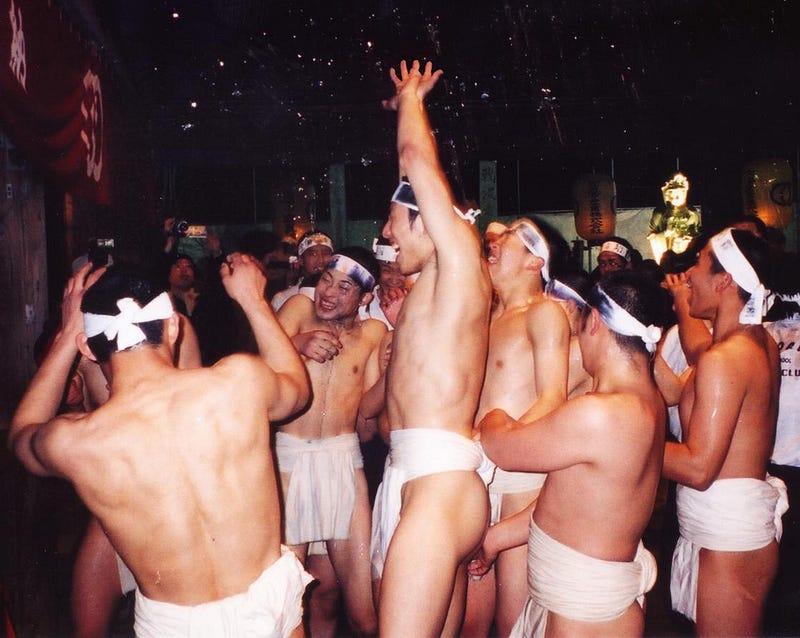
In Japan, there are two naked festivals celebrated annually, on the twelfth day of the first month of the Chinese calendar, Konomiya Hadaka Matsuri, and the third Saturday in February, Saidaiji Hadaka Matsuri.
In these festivals, the participants wear minimum clothing, usually just a loin cloth, and occasionally go completely naked. Both these festivals hold religious values and celebrate the blessings of the previous year, and pray for good luck and prosperity for the next.
3- Up Helly Aa
Up Helly Aa is a unique celebration in Shetland usually on the last Tuesday night of January to mark the end of the yule season. Lerwick Up Helly Aa is a celebration of the island’s history, a burning spectacle, and a bold demonstration of its people’s talents and passion.
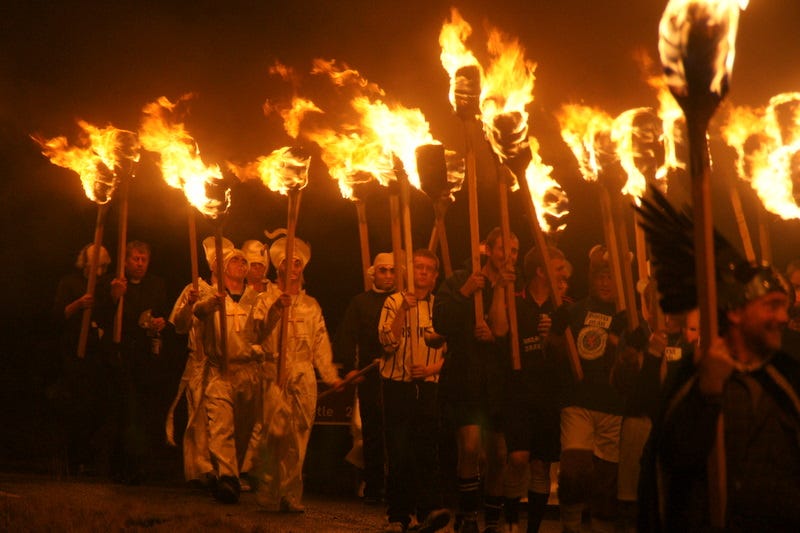

This event is run entirely by volunteers and goes on for one whole day and night. Thousands of people spend 364 days organizing the festival until the blessed 365th day arrives for them to finally light their torches.
Much of the preparation is entirely confidential and the most well-kept secret of all is which Norse Saga character the head of the festival called the ‘Guizer Jarl or Viking Chief’ will represent.
4- Beer Floating
In the summer months, mostly August, Finland has an unofficial event open to all called Kaljakellunta or Beer Floating. During the event, Finnish people float on the Kerava River or the Vantaa River to a downstream riverside beach in Helsinki. They aboard small rubber boats, while equipped usually with no more than a paddle and bottles of beer.


The event is not organized strictly, and much of the details are decided on open social forums such as Facebook. The Festival dates back to 1997 when only 10 people participated in the event, but now due to its rising popularity, thousands of people float down rivers with beers in hand to celebrate their culture.
Baby jumping
In Castillo de Murcia, Spain, the small town people partake in an extraordinary fiesta that involves music, fun, and jumping over babies.
Baby jumping or El Colacho is a Spanish festival that began in 1620 and takes place annually to celebrate the Catholic feast of Corpus Christi in the small town. Men dress up as the Devil or Colacho in red and yellow suits, armed with whips and castanets. The babies born the previous year, are set comfortably in mattresses spread on the street.
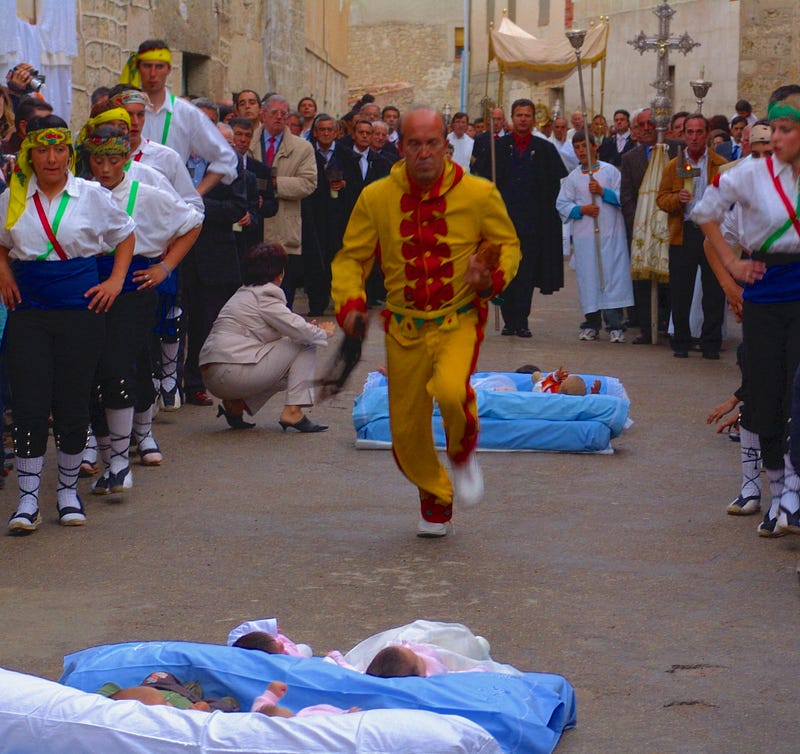
At the start of the main event, “The Flight of the Devils”, pious men called “Atabalero” arrive. These men shun the devils who are taunting the crowds with insults, and this begins their jump. As the devils flee, they jump over the toddlers, absorbing and taking away their sins.
The Brotherhood of Santísimo Sacramento de Minerva is the head organizer, and the festivities can last an entire week starting on Sunday with the Flight of the Devil.
The origins of the tradition are unclear, but it is said to free the infants of original sin, much like baptism, and ensures them a life free of illness and evil.
The world’s a beautiful mixture of unique cultures and traditions, and we should always aspire to celebrate and learn about people unlike ourselves. Which one of these festivals do you think you would most enjoy? Let me know!
Want to follow up more from me and other amazing writers on Medium?
Hop on the chance to join: