
5 Top Sketchiest Financial Scams in US History
High likely that you or your loved one was one of its victims.

How can you protect yourself from being swindled by big financial scams?
It’s difficult to know, as most people don’t even realize they’re being scammed until it’s too late!
If you or someone you know has ever been tricked by any of these big financial scams in US history.
Check out this detailed article to learn how to avoid the same mistakes in the future.
5- The Enron Scandal — Mask Losses And Inflate Profits


Enron had long been praised as one of the most successful companies in America and was highly respected on Wall Street.
However, it was revealed that the company had hidden billions of dollars in losses off its books and inflated its profits. This allies the executives to REITs’ large bonuses while the employees and investors lose billions.
The scandal exposed how corporations can use aggressive accounting practices to mask losses and inflate profits.
It also showed how executives could exploit their own companies to benefit themselves financially.
As a company, the scandal led to more stringent regulations and oversight from the Securities and Exchange Commission (SEC).
Today, the Enron scandal reminds you of how important it is to protect yourself from financial scams.
Be sure to research before investing your money, and always be wary of any promises that seem too good to be true. Remember, if an investment sounds unrealistic or too good to be true, it’s highly likely that it isn’t.
4- The Madoff Investment Securities LLC Scandal — Ponzi Scheme
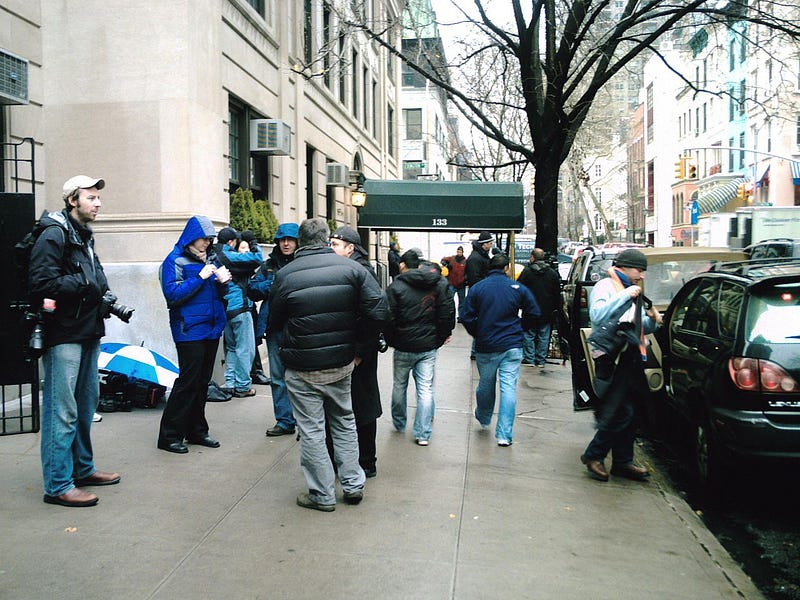
In 2008, one of the most infamous financial scams in US history occurred when the Madoff Investment Securities LLC investment scandal was uncovered.
Bernard Madoff, a former stockbroker, had been operating an elaborate Ponzi scheme for years that cost investors billions of dollars.
Madoff ran a seemingly legitimate investment business. He offered investors consistent returns from investing in stocks and other securities.
However, rather than investing money, Madoff used new investors’ money to pay off earlier ones. This Ponzi scheme went on for years before being exposed by the FBI in December 2008.
When news of the fraud broke, it shocked the financial community.
Madoff was eventually sentenced to 150 years in prison. In addition, many of his investors lost their savings from the scam.
3- The AIG Bailout — The Great Recession

In response, the federal government provided AIG with an $85 billion loan. This was done to prevent the company’s and its subsidiaries complete collapse.
This bailout was highly controversial as many felt it was rewarding a company for bad behavior and making taxpayers pay for mistakes made by corporate executives.
It was also felt that this bailout was too generous and that the government should have asked AIG to make more cuts to save itself.
Despite these criticisms, the bailout did help AIG avoid bankruptcy and allowed it to continue its operations.
It also helped the economy recover from the Great Recession, as many companies that AIG insured were able to stay afloat during this difficult time. While many people feel that the bailouts were unfair, they are still considered necessary in our history.
2- The Lehman Brothers Bankruptcy- Chapter 11 Bankruptcy


Unfortunately, these measures did not solve their liquidity problems and put them on the brink of bankruptcy.
When the country’s economic downturn hit in 2008, Lehman Brothers had to file for Chapter 11 bankruptcy protection.
They could never recover from this crisis, and in September 2008, they filed for Chapter 11 bankruptcy protection.
It was shocking because it was thought that Lehman would be bailed out by other companies or would file for bankruptcy after a brief closure like so many failing banks had done before them.
But Lehman Brothers was too big to bail out, and thus began the Great Recession. JPMorgan Chase purchased assets from Lehman for $1.2 billion but refused to pay more than that due to fear of insolvency.
At the time, JPMorgan Chase was one of the largest banks in the world with assets over 2 trillion dollars and felt that paying more could have jeopardized its survival during such an unstable time.
1- The 2008 Subprime Mortgage Crisis — Banks And Lenders Offering Mortgages

The subprime mortgage crisis originated from banks and lenders offering mortgages to borrowers not qualified for traditional home loans.
These borrowers were typically given subprime mortgages with higher interest rates and fees. Many of these borrowers eventually defaulted on their loans, leading to significant bank losses.
The impact of the subprime mortgage crisis was far-reaching. The housing market crashed, and millions lost their homes due to foreclosures.
The stock market also took a huge hit, as the Dow Jones Industrial Average plummeted by nearly 8,000 points in 18 months.
The ripple effect of this financial scam extended beyond the US, with countries such as Iceland, Ireland, and Greece being significantly impacted by the resulting recession.
It is important to note that this crisis was not a result of natural economic cycles but rather a result of banks taking risks with subprime loans and failing to recognize the inherent danger they posed.
As a result, the 2008 subprime mortgage crisis has served as a cautionary tale for how banking systems can be manipulated for profit at the expense of those most vulnerable.
Points To Ponder
It’s hard to believe that some of the biggest financial scams in US history were able to occur without any consequences.
But these events are a harsh reminder that the adage is true: if it sounds too good to be true, it probably is.
To protect yourself from being victimized by a financial scam, it’s essential to research before investing in anything and remain vigilant when it comes to promises of incredible returns.
You can help protect yourself from being defrauded by staying informed and aware. Nowadays, there are many different investment scams — some sophisticated and others less so.
No matter what kind of scam you come across, it’s always best to avoid trusting strangers with your money, as they could take advantage of your vulnerability and make off with all your funds.
Don’t get caught up in these substantial financial scandals — learn how to avoid them by reading our article on how to stay safe!
More from the author: