
7 Murders That Changed The World
Glad we didn’t witness that era.
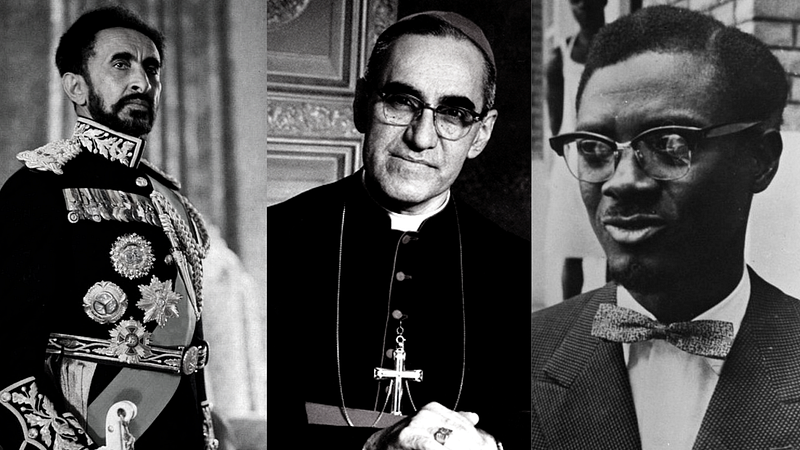

Even though several different elements contribute to the creation of paradigm-shifting historical events.
Sometimes, a single spark can be the straw that breaks the camel’s back and alters the destiny of an entire country, if not the whole planet.
As such a mechanism, assassinations have successfully reshaped political movements, changing history.
From a country’s history and progress perspective, numerous political leader assassinations have gone unnoticed or undervalued.
Even though you might not have been aware of it, these murders altered the path of history.
7. Jean Jaures — A Peace Activist In Pre-War Europe
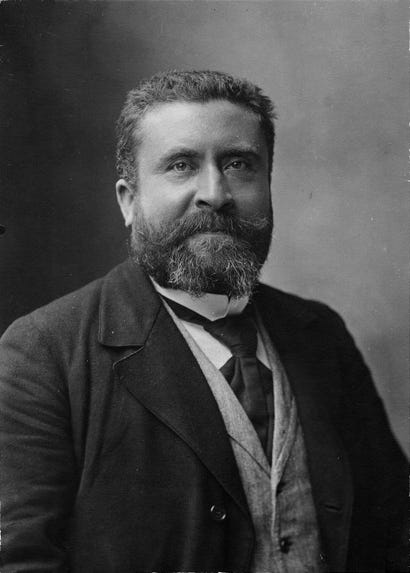

Jaures became one of the most well-known individuals in French history and was a politician, social activist, and anti-war activist.
A person who made an impact on French culture. He was well known for giving persuasive speeches, defending workers’ rights, and being the founder and first head of the French Socialist Party.
Marxist and Jaures’s ideological rival Paul Lafargue referred to him as a “human devil.”
Everyone, including his adversaries and friends, could sense the demonic power — which was also legitimately heavenly — in him.
Perhaps Jaures required such death to provide a rounded artistic image. A great man knows how to pass away in his style.
Lafargue, the Epicurean and Stoic’s equal, lived in a state of relaxation and introspection until 70. At that point, he decided enough was enough and injected poison into his vein.
Jaures, the idea’s athlete, passed away in the ring while battling the worst catastrophe ever to strike humanity.
Jean will live on in society’s collective memory as a prophet and a forerunner of that higher order of human beings that will emerge from suffering, failure, and struggle.
6. Patrice Lumumba — The Most Significant Murder In The 20th Century
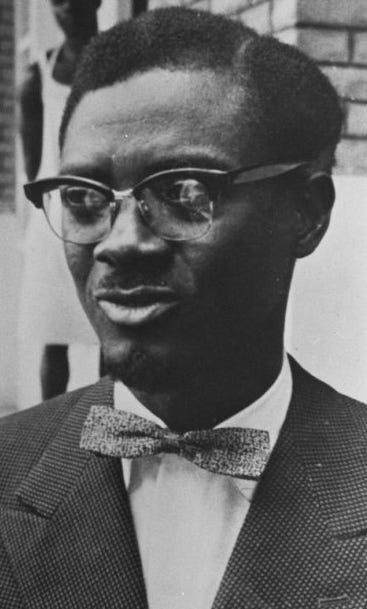

From June through September 1960, Patrice Émery Lumumba, a politician and independence advocate from the Congo, served as the DRC’s first prime minister.
Lumumba’s impact may be heard in contemporary music all around the world. Not to mention the innumerable African artists like Franco Luambo & O.K.
There was a well-known Argentine band named Lumumba in his honor that played jazz and featured Miriam Makeba.
One of the all-time best-selling musicians, American singer-songwriter Neil Diamond, honorably references Lumumba in his song Done Too Soon.
In Hip Hop, Patrice Lumumba received special recognition when multi-platinum award-winning rapper Nas dedicated his song “My Country” to him.
Nas stated that Patrice was simply trying to fight for what’s real but ended up being destroyed by his people.”
5. Emperor Haile Selassie — Man Who United Africans
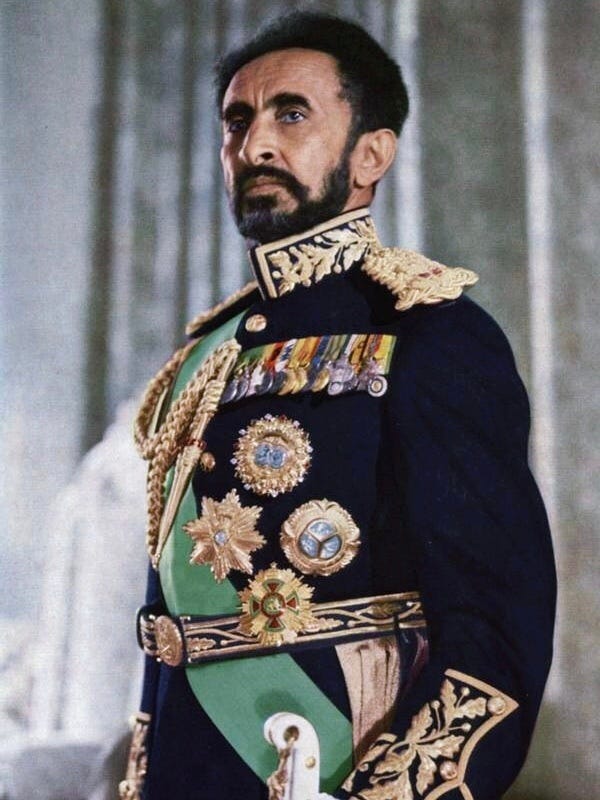

Haile Selassie I, the emperor of Ethiopia from 1930 to 1974, was renowned for modernizing his nation and aiding in creating the Organization of African Unity.
Selassie was concerned with the advancement of his nation, particularly the creation of an effective educational system that benefited his people.
He skillfully established Ethiopia as an influential African state and elevated it to the global stage.
Haile Selassie, aimed to modernize Ethiopia to bring the nation out of its medieval era.
However, Haile Selassie’s Re-Africanization effort profoundly affected Ethiopia and the rest of the world.
Haile undoubtedly contributed more to Ethiopia than any previous Emperor or individual has.
Most notably, he maintained Ethiopia’s independence while reforming the nation’s economy, governance, and educational systems.
Ethiopia is still the only country in Africa whose people have always ruled, and Haile Selassie deserves praise for maintaining its independence while enforcing a Re-Africanization effort.
4. Luis Carlos Galán — Impact Of The Anti-Corruption Advocate’s Brutal Demise.
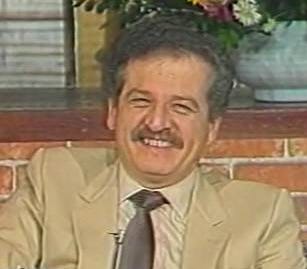

A liberal politician and writer from Colombia named Luis Carlos Galán Sarmiento ran twice for president of that country, the first time supporting the New Liberalism party that he helped create in 1979.
However, history might have gone in a different direction if Galán had been elected president.
Galán could have made Colombia’s drug war even more brutal and terrible than it already was by supporting the practice of extraditing Colombian drug traffickers to the United States for prosecution and imprisonment.
The punishment they most feared. However, it might have been even shorter.
On the other hand, the 1991 constitutional convention that resulted in the humanist Constitution that is in effect today, one of the key events in modern Colombian history, would not have taken place at all.
That’s because the conference was organized in response to Galán’s murder.
3. Salvador Allende — The Mighty Marxist Whom U.S. Government Feared
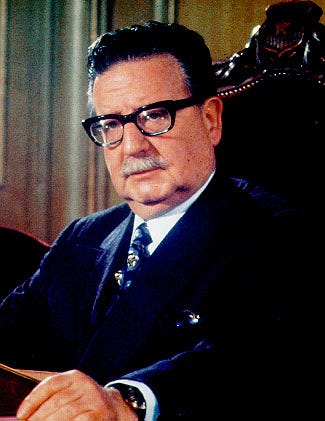

The 28th president of Chile was Salvador Guillermo Allende Gossens, a socialist politician and medical doctor from Chile who presided over the country from November 3, 1970, until his passing on September 11, 1973.
Salvador was Latin America’s first Marxist president, elected in a liberal democracy.
In a more general political sense, Chileans are still divided by their memories of the Allende era and the dictatorship that followed.
Some claim that the three years of Allende’s rule were the only ones in Chilean history where the working class and the poor had a say in how the nation and its economy were run.
Others saw it as a time of political and economic unrest that brought the country dangerously close to anarchy and even civil war.
Even if consensus politics are more prevalent, this Left/Right divide nevertheless shapes Chileans’ voting behavior and the composition of the political alliances that rule the country.
2. Oscar Romero — A Champion Of The Underprivileged And Inspiration For El Salvador
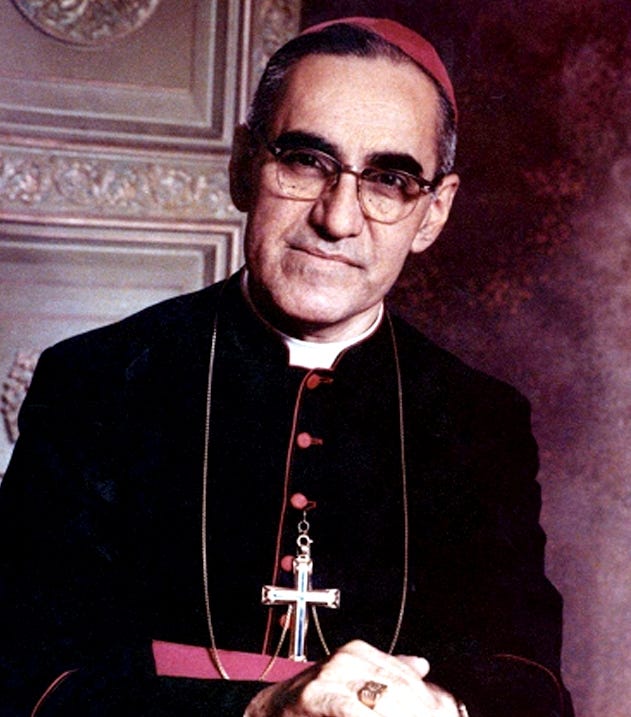

An outspoken opponent of the violent actions taken by the government’s military forces, right-wing organizations, and leftist rebels during El Salvador’s civil war was a Salvadoran Roman Catholic archbishop.
Romero’s picture is on T-shirts like a rock star, which is unusual for a bishop anywhere in the world.
Oscar’s death anniversary is anticipated to be recognized as a national holiday in El Salvador.
Oscar is expected to be canonized someday despite the ongoing debate surrounding him as a symbol of personal devotion and a prophetic witness for all of the Americas.
The masses keep pouring into his tomb. U.S. President Donald Trump spoke in the pulpit located over the archbishop’s tomb on the precise day that the murder’s 30th anniversary fell.
At a Mass, Cardinal McCarrick said of Romero as if he were still alive as if the archbishop’s death had never actually occurred.
1. Franz Ferdinand — Whose Murder Started A World War
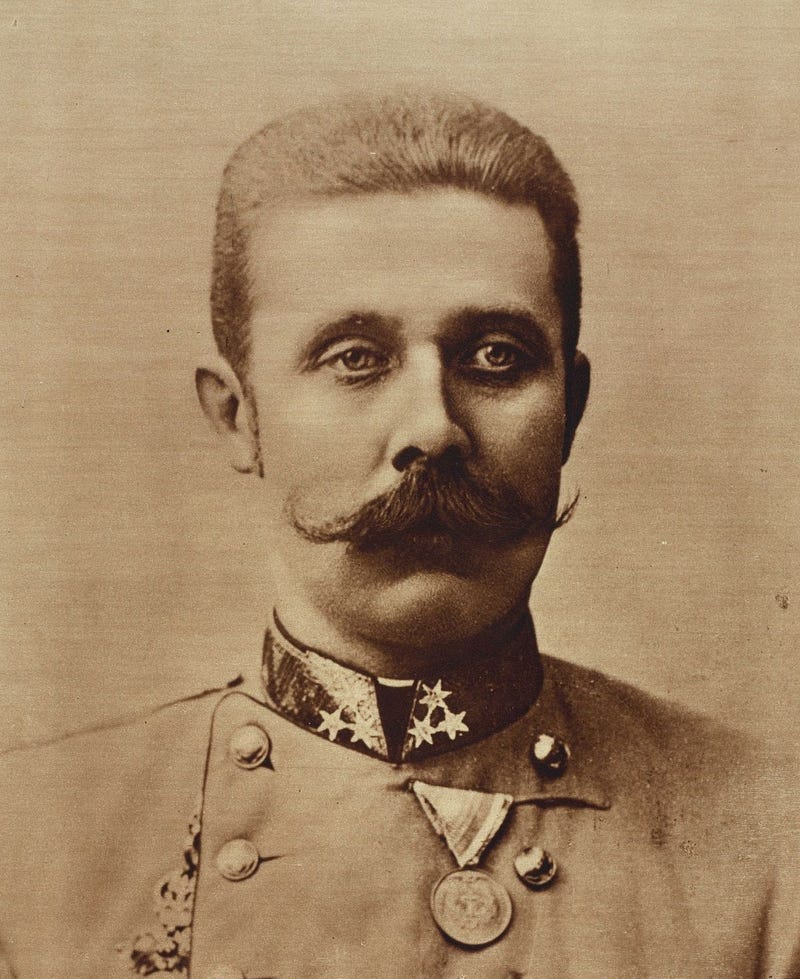
Franz Ferdinand succeeded to the Austro-Hungarian throne as the presumed heir after the deaths of Karl Ludwig in 1896 and Crown Prince Rudolf in 1889.
The killing of Franz Ferdinand provoked the July Crisis, which sparked Austria-declaration Hungary of war against Serbia.
Four weeks after Franz Ferdinand’s death, the allies of Austria-Hungary and Serbia then declared war on one another, beginning World War I.
Though not every alliance was carved in stone, Italy eventually switched sides as the war was declared, and the allied nations encouraged one another to fight and uphold their commitments.
By the end of August 1914, the so-called “entangled alliances” had led to the spread of what should have been a localized struggle among all of Europe’s major powers.
Therefore, political assassinations play a crucial role in governmental and societal processes; they have a spectacular effect.
More from the author: