
5 Simple Do’s and 5 Don’ts of Investing and Saving
About a year ago, I wrote an open letter to my fellow millennials about their financial wins and financial fails (Medium post, CNBC article). The post got pretty good traction and I wanted to follow it up with a list of 5 Simple Do’s and Don’ts of Investing that I’ve acquired over the years.
Also, I wanted to share some of the great (and mostly free) financial products that I love and steer people who don’t have a financial services background away from some of the more common pitfalls of investing.
If you can follow these simple rules, you’ll be in great shape for retirement and achieving your goals. If you neglect them, your financial health will suffer.
5 DO’s of Investing
- DO Track All the Things (automatically)!

One of the challenges that most people face is simply tracking their spending and saving. With hundreds of transactions per month across (often) dozens of accounts, you can’t do it on your own!
Fortunately, there is a great tool that let’s you connect your checking, savings, investment accounts + credit cards to see them all in one place.
Better yet, it automatically creates budgets for you to help you achieve your short and long-term goals.
The (free) product to use: Mint
2. DO Keep an Emergency Fund for 6 Months of Expenses
In my Open Letter to Millennials, one of the most surprising facts I found in my research was how few people have an emergency fund.
More than half of Millennials either had $0 saved or
didn’t.
even.
have.
a.
savings.
account.
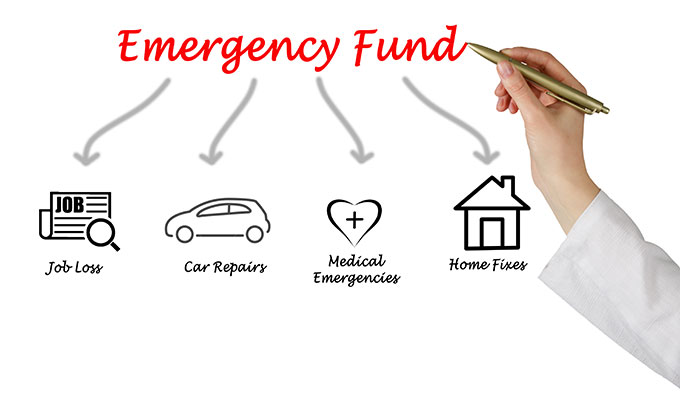
One of the best things you can do for your financial well-being is fortunately also one of the simplest: Save enough money to cover your expenses for 6 months.
Now that you know how much you spend per month (see #1), you know how much you need for a half year with no income.
No one ever expects to be out of a job, have a major medical expense, or some other emergency, which is exactly why you need to start preparing and saving today.
The (best) product to use: Ally
3. DO Invest Early and Often in Low-Cost Investments
Once you’ve started tracking your spending and earnings with Mint and built your emergency fund with Ally, you’re ready to start investing.
Invest early, invest regularly, and invest in low-cost investments.
First, from your Mint account, determine how much left over money you have each month. Set up an automatic transfer to your investment account.
With investment accounts, pick a diversified or index-tracking ETF with low costs (<.2%).
My personal favorite is Vanguard, who has built their massive business on being a low-cost leader and low-cost innovator.
The best products to use:
Acorns (invest your spare change automatically)
4. DO Maximize your employer match and contribute at least 10% of salary to your 401k or a Roth IRA (if you don’t have a 401k)
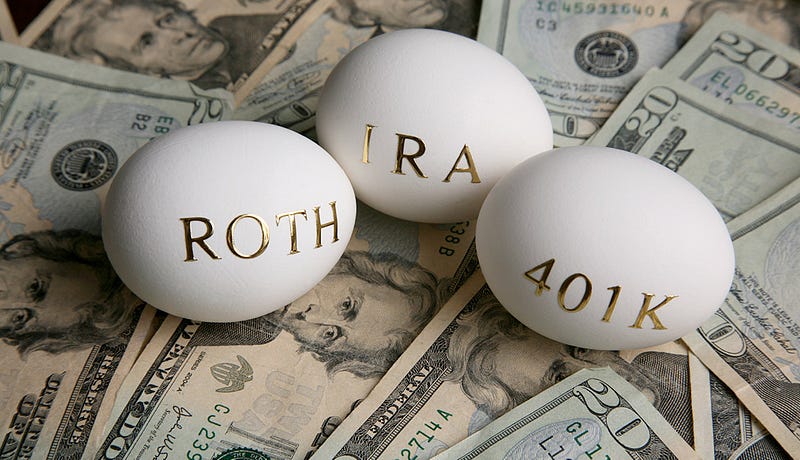
If your employer provides a match to your 401k contributions, that’s FREE MONEY! At the very least, you should contribute enough to take advantage of this benefit. However, I’d recommend that you contribute at least 10% of your salary to your 401k or your Roth IRA.
The sooner you start contributing the better.
Even if you feel your salary is low in your 20’s or 30’s, the power of compounding interest means that your money will often grow faster than higher income individuals who don’t start contributing until their 40's.
5. DO Open a Health Savings Account (HSA)

The future of healthcare is employee-driven. Chances are, your employer already offers a “self-directed” or “high deductible” plan. If you don’t visit the doctor too often or have a complicated medical history, this type of plan can be a great option for you.
These plans come with either a FSA or an HSA. If you have an HSA, you’re in luck. In an HSA, your account balance rolls over each year, you can contribute pre-tax, and you can withdraw for medical expenses without paying taxes (free money!) Better yet, you can actually invest in the same low-cost funds I mentioned in #3 above in your HSA.
A 65-year-old, healthy couple can expect to spend $266,600 over the course of their retirement on Medicare premiums alone, according to HealthView Services.
With that amount of medical expense, opening an HSA today is a great decision. You can find a list of 20 top HSA providers here.
5 DON’Ts of Investing

- DON’T Buy and Sell Stocks Frequently
With the growth of no-trading-fee products like Robinhood, it’s easy to believe that in order to be successful investing, you need to trade often.

This couldn’t be more untrue.
You can’t “time” the market and you’re much more likely to hurt your returns than help them by trading on a weekly (or more frequent) basis. The likelihood that you’ll be able to pick individual stocks that beat the overall market is incredibly low (read: 0, unless your last name is Buffet).
Plus, with this strategy, you won’t be diversified (see #2)
2. DON’T Put All Your Eggs in One Basket

One of the quickest ways to get yourself into financial trouble is to focus a significant portion of your net worth in only one investment.
Whether it’s a speculative fixer-upper, a friend’s business, or a too-good-to-be-true, once-in-a-lifetime opportunity, avoid trouble by diversifying.
A safe rule of thumb is to never put more than 20% of your net worth in any one investment.
Diversifying not only mitigates (some) risk, but if done right, can also increase your net returns in the long-run. As one sector or type of investment declines, another in your portfolio will thrive.
3. DON’T Check Your Investment Performance Every Single Day

Finances are very emotional. If you’re following the stock market and your account balances on a daily basis, you’ll be riding a roller coaster of ups-and-downs that not many people can handle.
Even worse, you’re increasing the likelihood you make a spur-of-a-moment decision to sell everything or double-down that will more than likely cost you in the future. Find a cadence of checking your investment performance that works for you. I recommend every 2–4 weeks as a good place to start.
4. DON’T Live Beyond (or even at) Your Means

So you just got a promotion or a raise, great news!
But, instead of upgrading your car or your rental apartment, put it towards a longer term financial goal.
In my Open Letter to Millennials, the main reason Millennials aren’t saving is because they are spending every last dollar they earned. Do an inventory of your spending and budgets with Mint.
What can you live without?
What can you buy less frequently?
Where can you downgrade?
Don’t spend more than you earn. It’s harder than it sounds.
5. DON’T Take on Debt You Don’t Have To
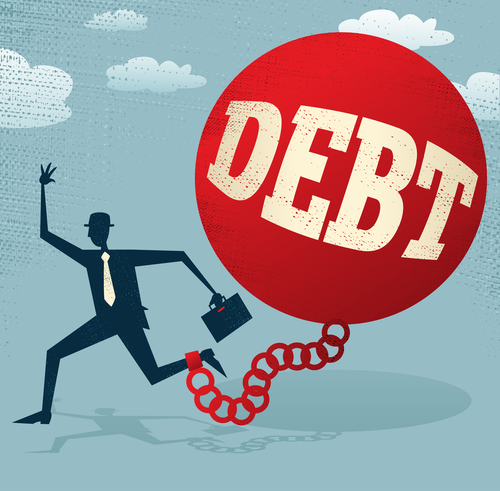
In a good economy, debt is very easy to acquire. Take a minute to think of the debt you have today: Student Loans, Credit Cards, Car Payment, Mortgage. The list goes on and on and on.
Do you have an iPhone? If you’re on their “upgrade plan”, congratulations, you’ve taken on another loan! (P.S. Don’t worry, I am too)
One of the best things you can do for your financial health is to avoid taking on this debt at all costs.
Instead of trading in your older car for a new lease, fix it up and stretch it for a few more years.
Instead of buying a new wardrobe, pay more towards your credit card bills.
Create a plan for getting rid of the debt that you have today and avoid new debt in the future. Also, not all debt is bad (like a house mortgage), it just creates more risk when the economy falters or an unexpected life event occurs.
Do you have any Financial Do’s and Don’ts of your own? I’d love to hear them!
More from Alex Mitchell
Check out Alex’s Book: Building Digital Products
Amazon: https://www.amazon.com/Building-Digital-Products-Ultimate-Handbook/dp/1522824936
Digital Download: https://gum.co/CLccb
Disclosure: Some of the links in this post are affiliate links, meaning that at no additional cost to you, I earn a commission if you click them and purchase a product.