
Roleplaying Games
5 (or more) RPG Systems for Gamers who are DONE with D&D
…and Pathfinder, OSR, and D&D clones in general
I know I’ve said it before, but I’m going to say it again: Dungeons & Dragons is the Conservative Oligarch of roleplaying games.
I’m not sure why so many new gamers started playing it. I would have thought non-pedantic folks would gravitate to more rules-lite systems. Not because they couldn’t handle a heavy system, but because life is too short for crunchy games.
Today I’m talking about systems more than individual games. In no particular order…
Powered by the Apocalypse
Sometimes called the Apocalypse Engine. Mostly narrative. Kinda Gamist because playing the rules can be interesting. Often considered the Anti-OSR because it popularized a lot of newer narrative concepts.
Apocalypse World is not a core rulebook. Still, most PbtA games share some core concepts, like playbooks. Playbooks are both character sheets AND character classes. Playbooks are also cheat sheets for your character. But even pulling triple-duty, they aren’t wall-to-wall stats and skills and gear and stuff.
There are a LOT of PbtA games out there. Such as…
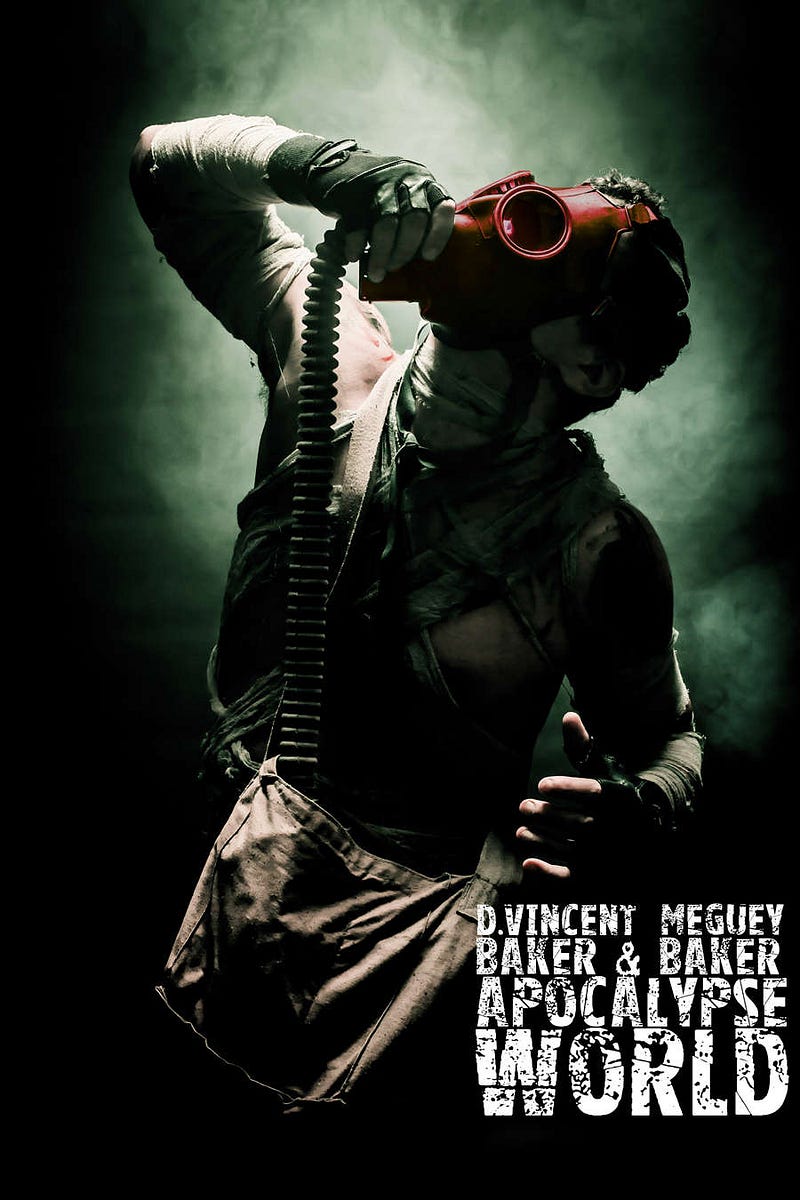
- Apocalypse World is the granddaddy of PbtA gaming. Set in a vaguely defined post-apocalypse. The players make up a lot of the details. Now in its second edition. Originated the idea of unique playbooks. Each playbook is unique for each character type, like The Angel or The Operator. Not AN Angel. You are THE Angel. If you die, The Angel is gone and no one else can play it again.
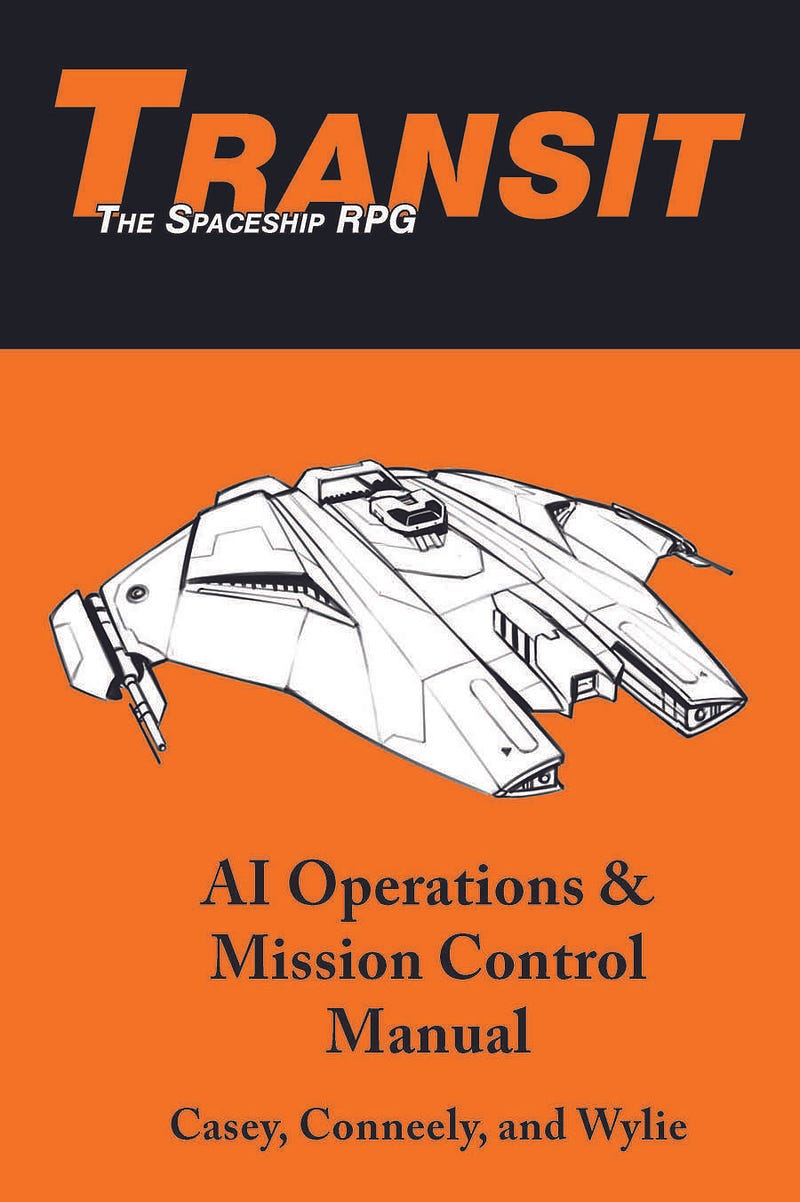
- Transit: The Spaceship RPG is about sentient spaceships. A team-up of Hal from 2001, Moya and Talyn from Farscape, and post-upload L3–37 from Solo. The crews may or may not be on your side, and you may not care.
- Powered by the Apocalypse World is about playing PbtA game designers. How meta.
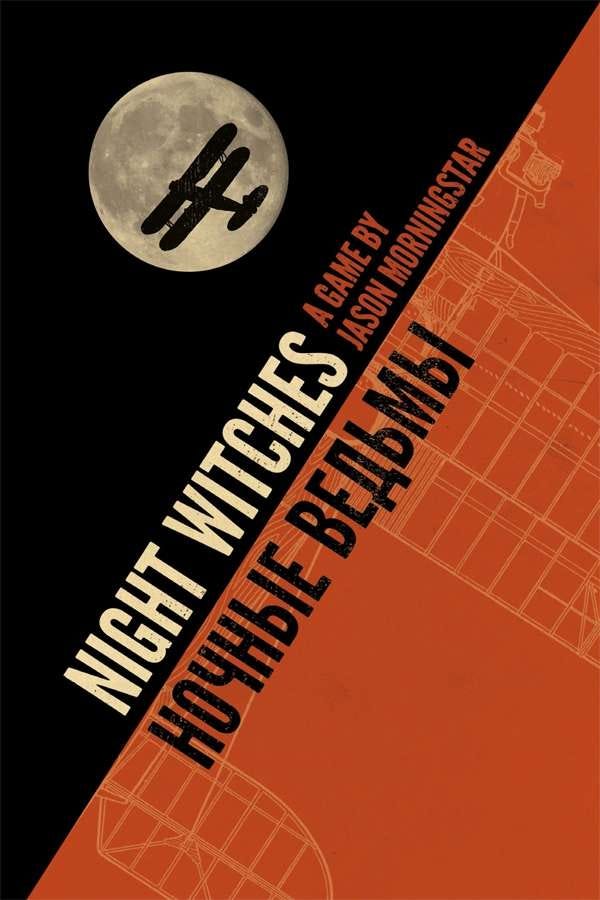
- Night Witches is about Russian women in World War 2 bombing Nazis at night in rickety planes. Features different daytime and nighttime actions.
- Simple World is a stripped-down vanilla version of PbtA. Like a blank canvas. The closest there is to a core rulebook. Uses traditional character sheets instead of playbooks.
Fate
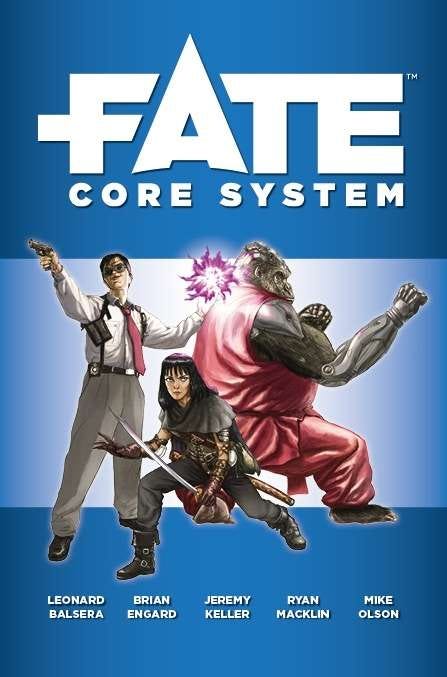
Another narrative system, but grounded in old school low-trust gaming. Uses custom dice, but you can make it work with d6s. Available in three different flavors of starter books: Core, Accelerated, and Condensed. Plus there are four system toolkits, two volumes of basic settings, and a slew of complete setting books. Fate can and does do anything. Except simulationism.
Fate players love the system for two major reasons: Everyone is awesome from the get-go, and the various toolkits invite a lot system tinkering.
Fate is Creative Commons so anyone can publish Fate-powered games.
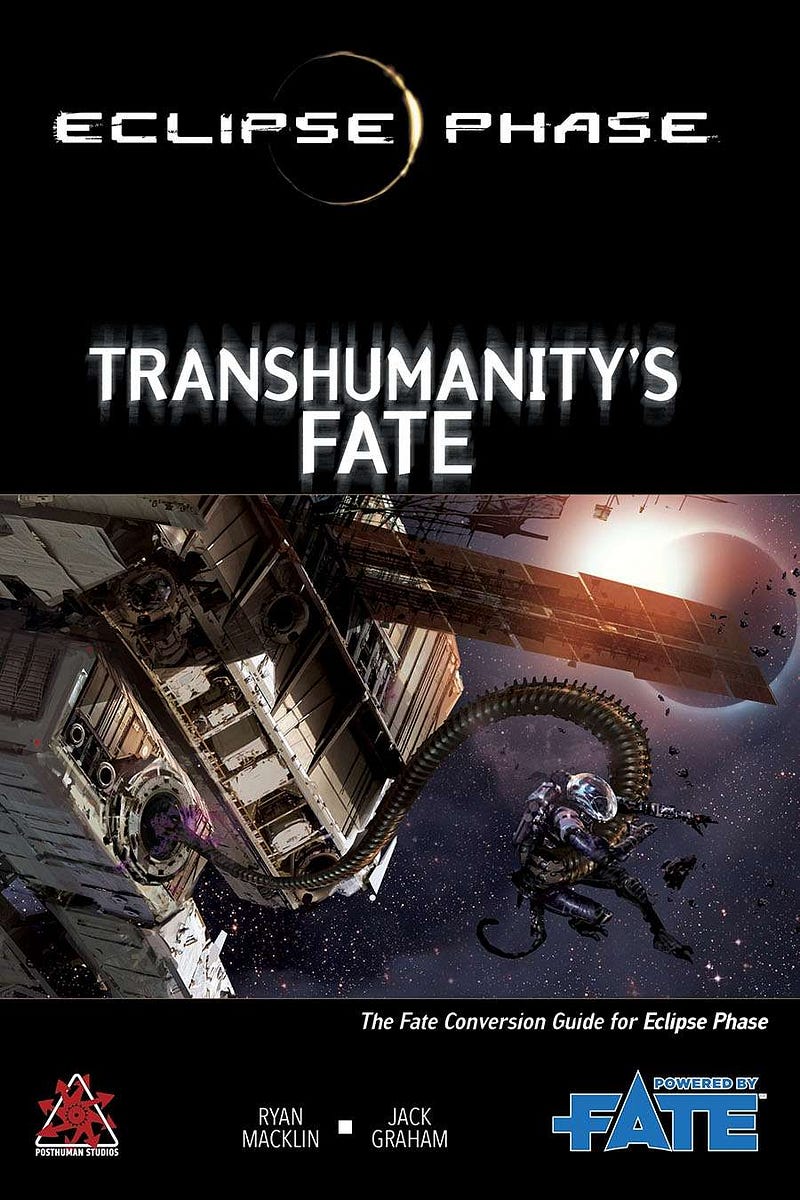
- Eclipse Phase: Transhumanity’s Fate is a slicker version of a super-crunchy transhuman sci-fi horror game. I am fucking in love with this setting but not the original rules.
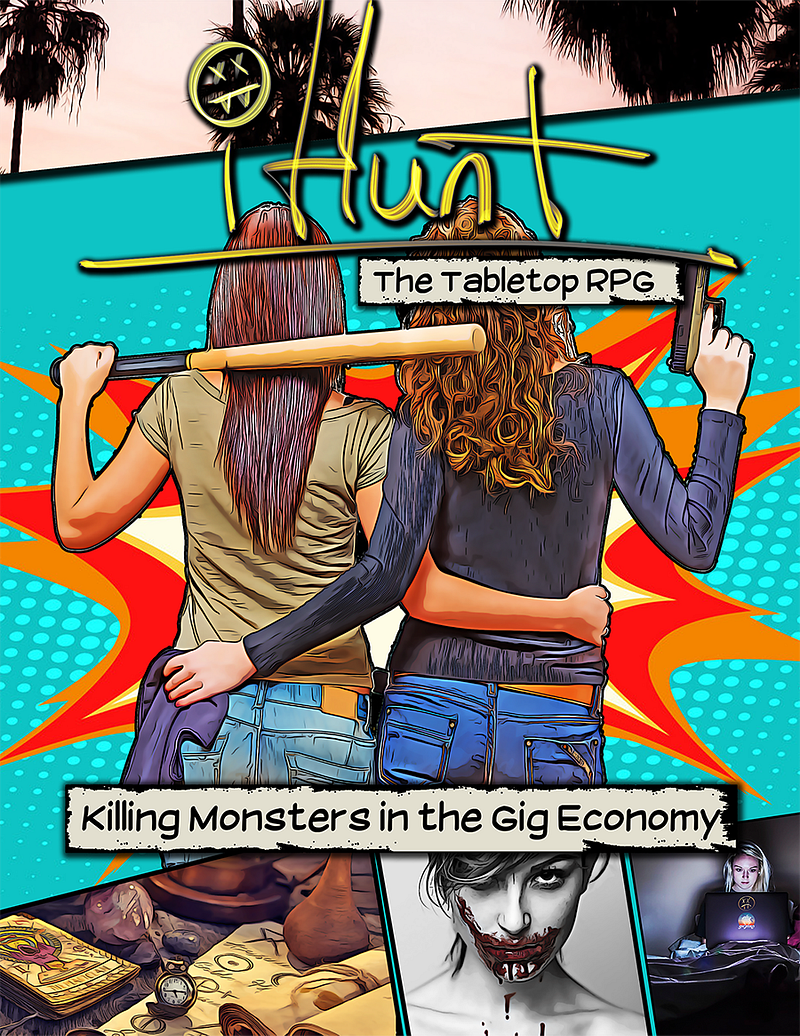
- #iHunt: The RPG is Buffy meets Uber. You play a monster slayer for hire via an app. Surviving monsters is a pain in the ass. Surviving the Free Market is the horror.
- Inverse World Accelerated: Weird fantasy. The world is basically a Dyson Sphere, but the star at the center is a god and the shell is the inside of a planet. Uses the Accelerated version of Fate, so it’s super light weight.
There are a LOT of Fate games. Combined with the toolkits, you could drown in all the options.
Genesys
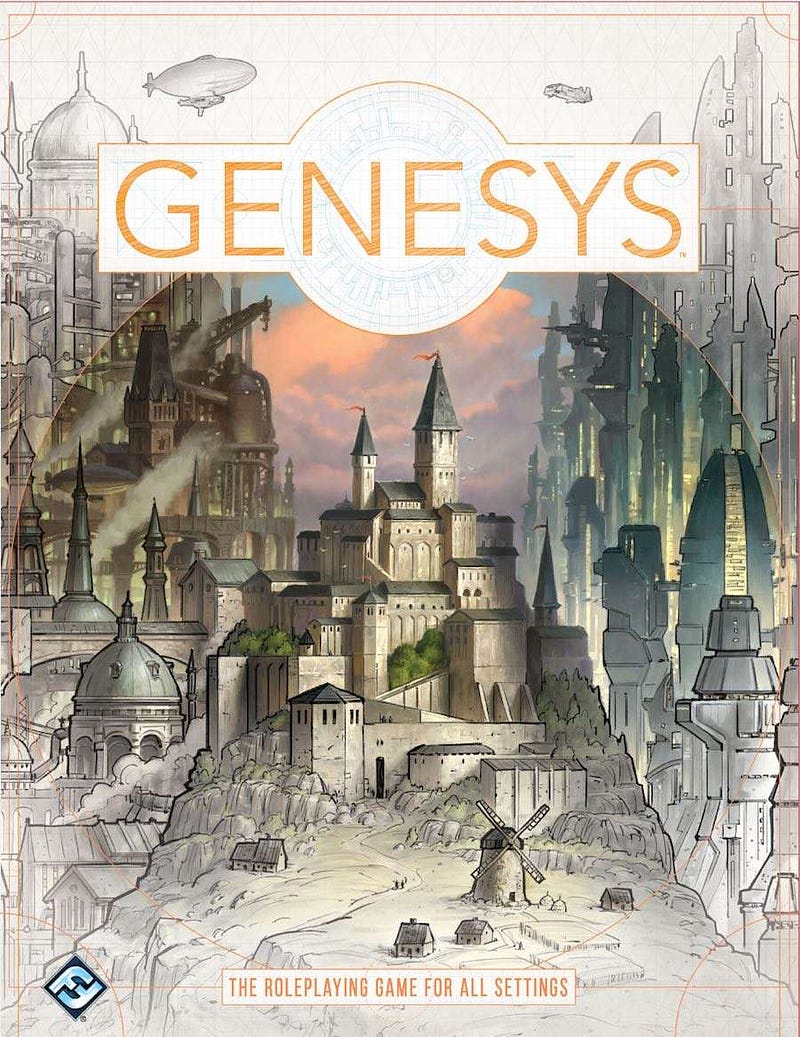
Fantasy Flight’s new-ish system. First used for Star Wars: Edge of the Empire, now ported into a generic rulebook. Fairly gamist. Character generation is somewhat crunchy.
Features completely custom dice, which a lot of people hate, in three severity levels and two flavors. Advantages, like aiming, provide good dice. Disadvantages, like shooting in a sand storm, add bad dice.
The Talent mechanic makes the system shine. Talents either let the player manipulate the dice or break a core rule on occasion.
Community content is getting made through Genesys Foundry, but I haven’t read any of it yet. The existing options include…
- Star Wars — a stand-alone game. In fact, it’s three stand-alone games. Edge of the Empire covers the underworld. Age of Rebellion is about what it says it’s about. Force and Destiny is about on-the-run Jedi. They’re balanced, and starting characters from each game are on par with one another. But it’s three different games with three different core books. The main mechanical additions are the Obligation/Duty/Morality rules, making it more narrative than vanilla Genesys.
[While we’re on the subject, there are too many humans and Jedi in Star Wars. They’re both boring. The next trilogy’s hero should be a droid.]
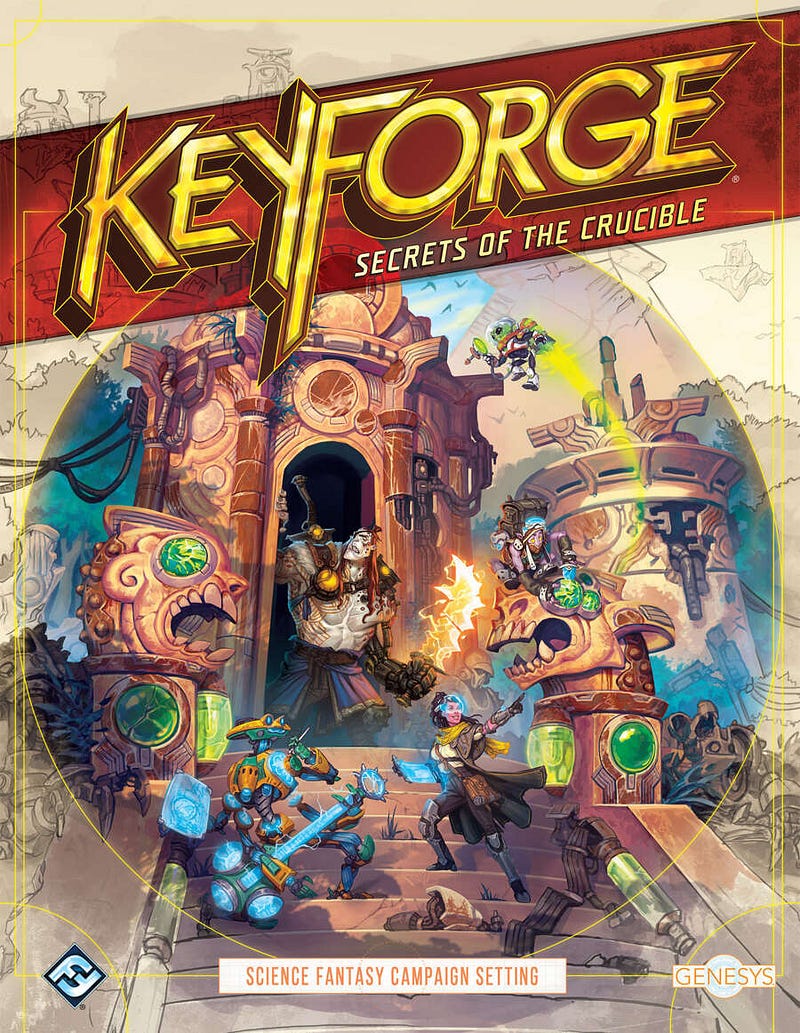
- Keyforge: Secret of the Crucible — like Keyforge the card game, but an RPG. Imagine the best parts of MTG and Gamma World 7th extracted and smashed together. I haven’t played the card game but the universe looks fun. Requires the core Genesys book.
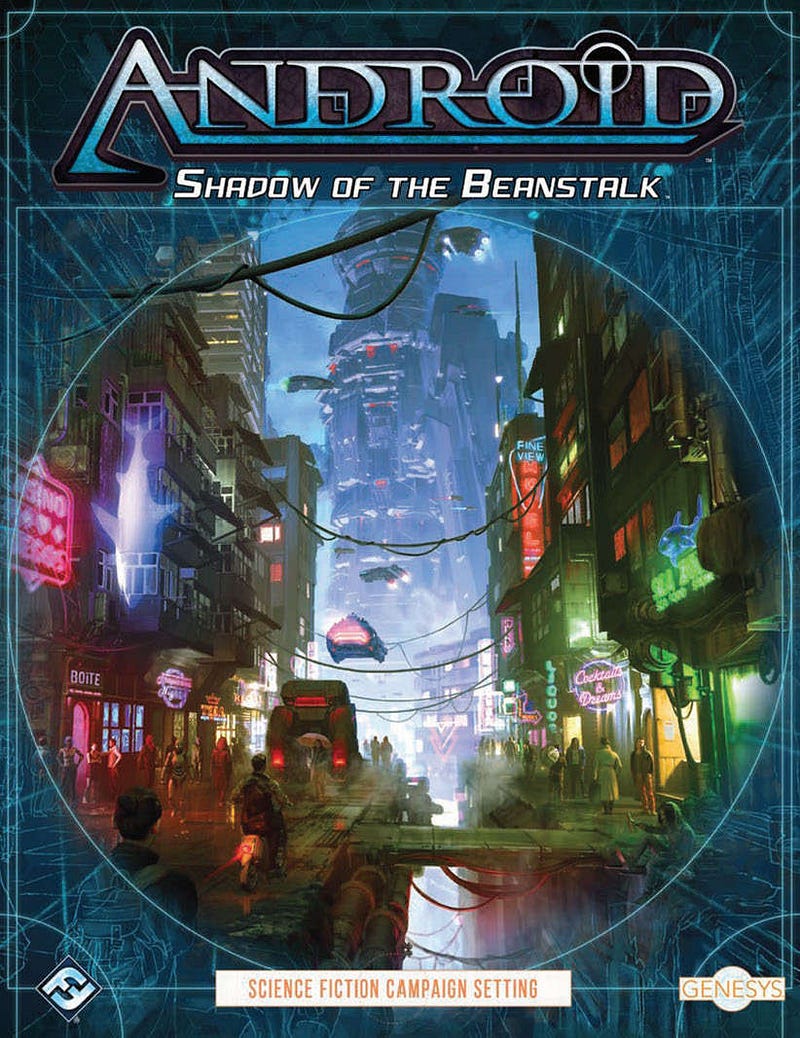
- Android: Shadow of the Beanstalk — also a Genesys expansion. Set in the Android Universe. I know nothing about the book but the setting is neat.
The Cue System
Catalyst’s proprietary system. Rules-lite and slanted to narrativism. Centers on GM-optional play, making the GM less of a “master” and more of a referee/narrator.
Cues are what give the system its name. These are catch-phrases and character quotes. They have little-to-no mechanical use. They’re mostly there to guide roleplaying.
Plot Points are what make it an anti-simulationist system. These let the player alter the game world, like conveniently knowing a guy who knows a guy. When players use Plot Points, they transfer to the GM who can also use them to alter things on the fly.
“System” isn’t the right word for this. “Line” might be more accurate. All four games use use Cues, but can have different resolution mechanics.
- Cosmic Patrol — Buck Rogers/Flash Gordon, but cops. Or, Star Wars but in the 30s. And cops. Super-simple rules. Basic stats range for d4 to d12. To do something you roll that die plus a d12 against a target number.
- Valiant Universe — Cosmic Patrol expanded to handle supers. I fell out of love with Valiant comics, but you can probably use this game for DC or Marvel.
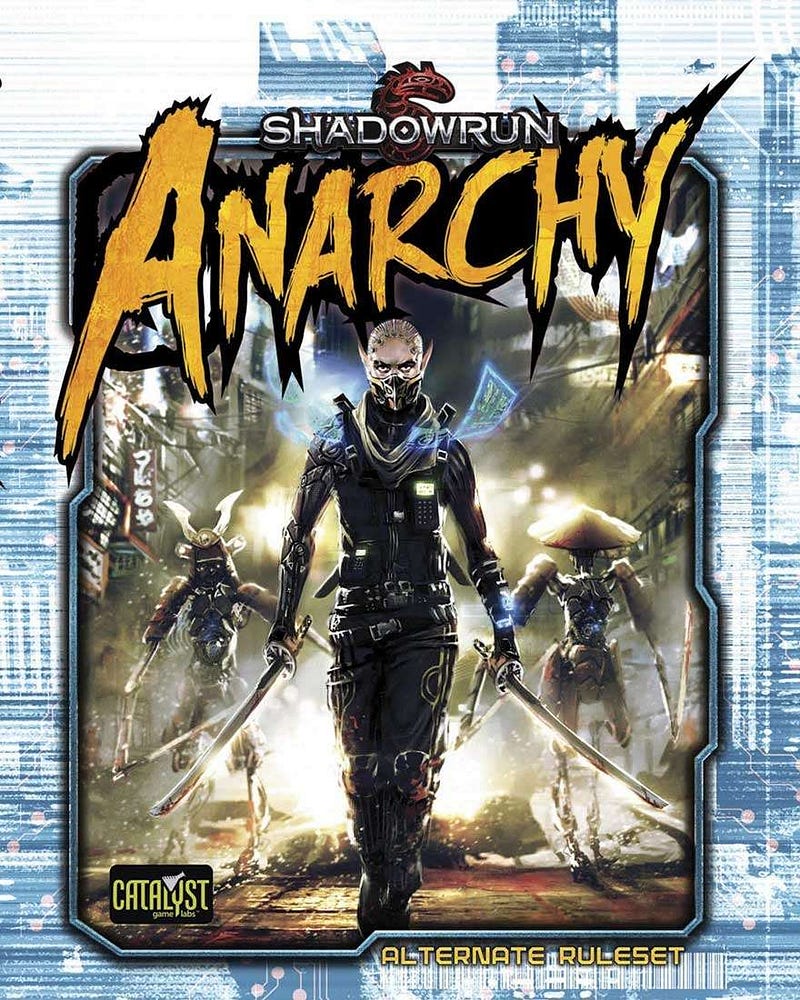
- Shadowrun: Anarchy — Totally different resolution mechanics. Slimmed-down Shadowrun 5th edition rules. No huge lists of skills, guns, cybernetics, and spells. Skills and guns are whittled down to about a dozen each, and everything else is an “Amp”. Amps are either scratch built, using a point system, or converted from 5th.
[While I’m on the subject, Shadowrun is best without human PCs. Again, boring. Either say everyone went meta or that humans are such a tiny minority the players can’t be one.]
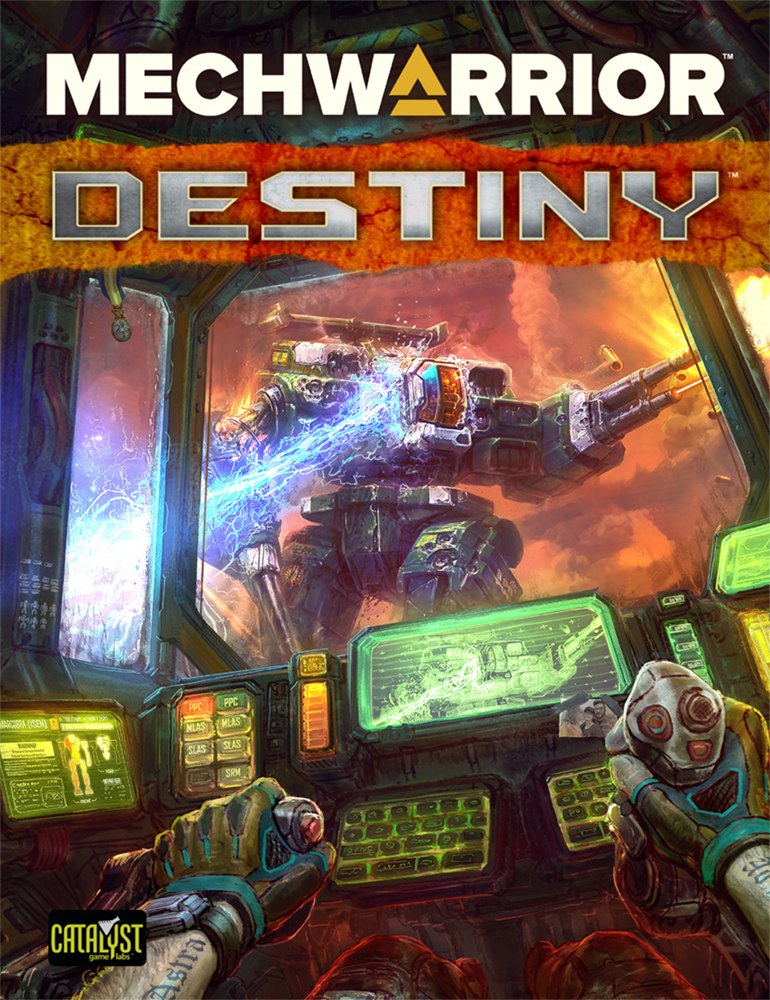
- MechWarrior: Destiny — Like Shadowrun, but Battletech. Mechs and characters can be be ported from the wargame. Features optional miniature/hexmap rules, making it more gamist than other Cue games.
The Cue System doesn’t have a core book or a toolkit. It’s just four games that share some narrative features. If you want to use your own setting, pick a flavor and hack it yourself.
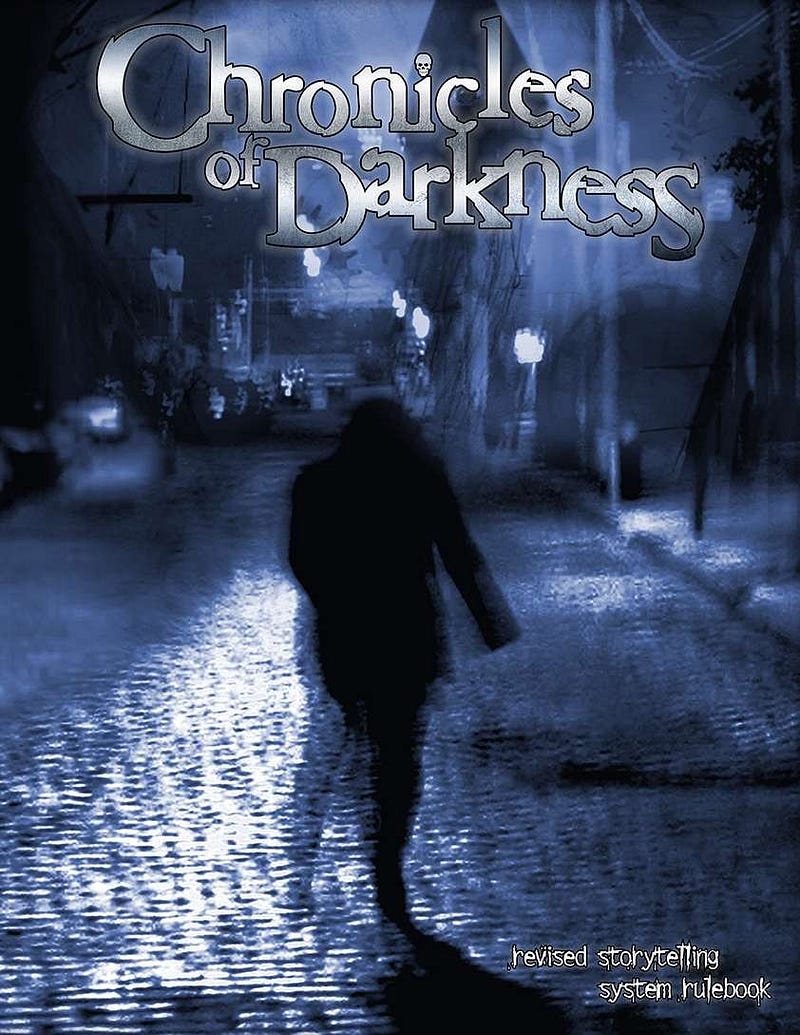
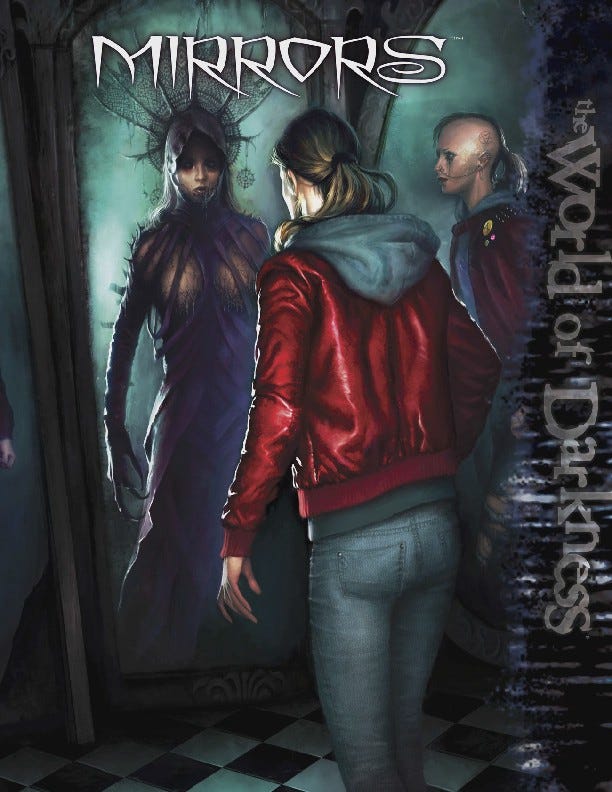
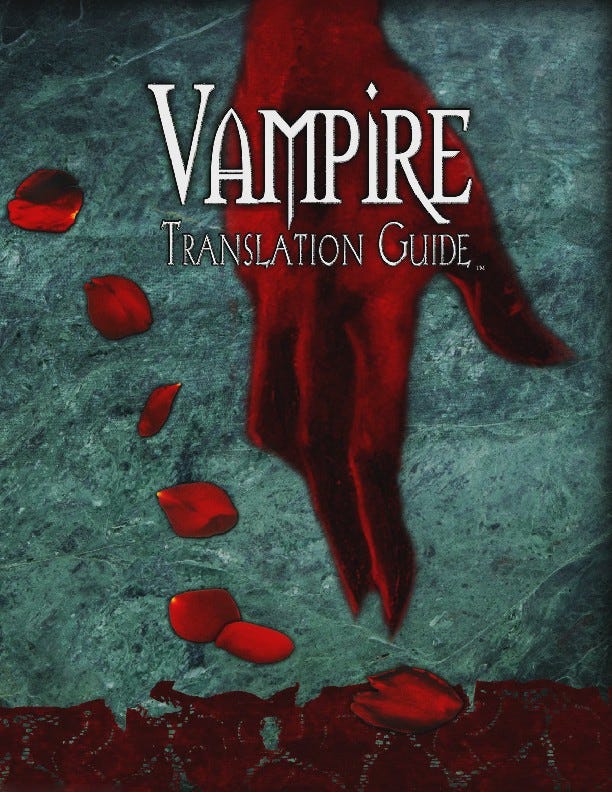
Chronicles of Darkness (+ World of Darkness: Mirrors + the Translation Guides)
The modern version of the game that was almost popular with some of the weirder cool kids you knew in high school. Because vampires are sexy. D10-driven. After D&D, this is probably the most well-know line of RPGs.
I’d say that the system specializes in horror, but RPGs are rarely “scary”. Best to say it specializes in the supernatural.
I fibbed when I called this a system. Chronicles of Darkness is one iteration of The Storytelling System (not to be confused with the StorytellER System). Exalted 2nd also uses the Storytelling System, but it’s not really compatible.
CofD has an excellent hacker’s guide, World of Darkness: Mirrors (because CofD was called World of Darkness back then) that walks you through the logic of changing character traits, systems, and settings. The catch is that CofD 2nd edition added some wholly new mechanics, and there’s no 2nd edition Mirrors. Still, if you’re this far deep already, you can make it all work.
There are 11 splat-games and tons of supplements under Chronicles of Darkness. My current favorites are…
- Demon: The Descent — The Matrix meets The Prophesy. Players are runaway techno-demonic servants of an alien supercomputer that might be God.
- Hunter: The Vigil — John Carpenter’s Vampires, but packed with every kind of secret society you can think of.
- World of Darkness: Slasher — Normal folks can become monsters without getting bitten or cursed. Everyone from Hannibal Lector to Jason Voorhees can be modeled with Slasher.
Four of the CofD splat games have Translation Guides. Enterprising Storytellers can port stuff from WoD to CofD and vice-versa. Vampire: the Masquerade/Vampire: the Requiem, Werewolf: the Apocalypse/Werewolf: the Forsaken, etc.
All this stuff can be remixed and reworked, just not as easily as Fate or Genesys. But that’s what makes it fun. If you’re not interesting in hacking anything, that’s fine too. Chronicles of Darkness is godlike anyway.
Except for Beast. You have to fix that yourself.
Other Options
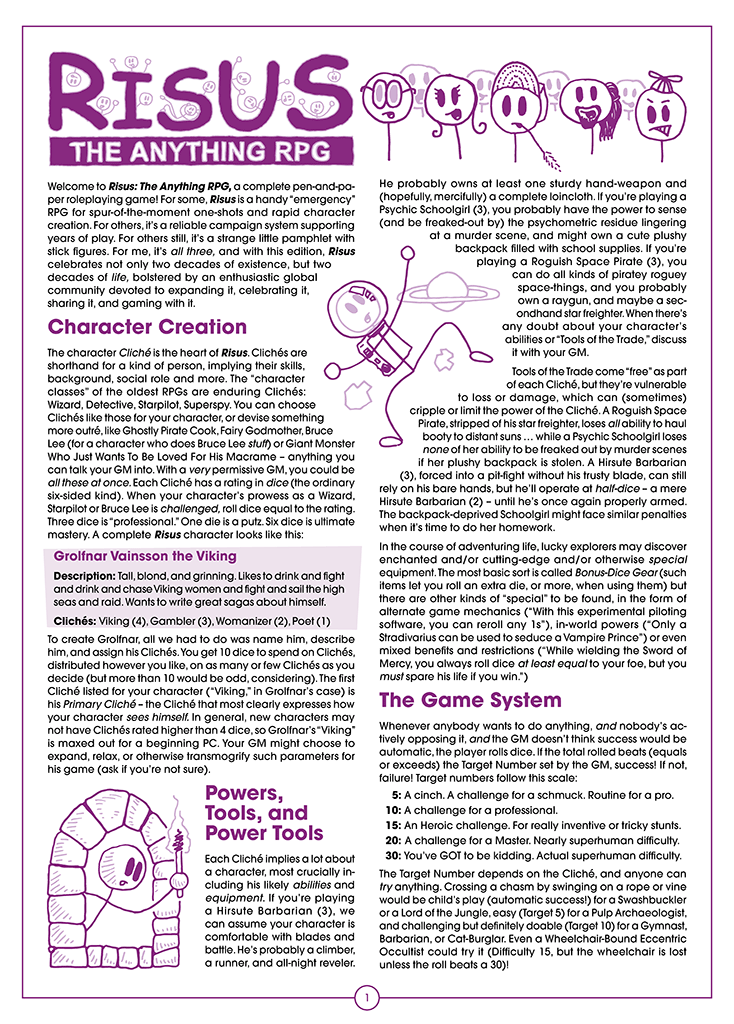
Risus: The Anything RPG
I lied. I AM talking about individual games. But Risus is “The Anything RPG”. It’s easy to learn, easy to play, inexpensive, and refuses to kowtow to simulationists, because they’re the worst.
Risus is a comedy game, but any setting that’s funny even some of the time works. Especially when they’re not supposed to be funny. John Wick is hyperviolent slapstick and 40K orks are hysterical.
Misspent Youth
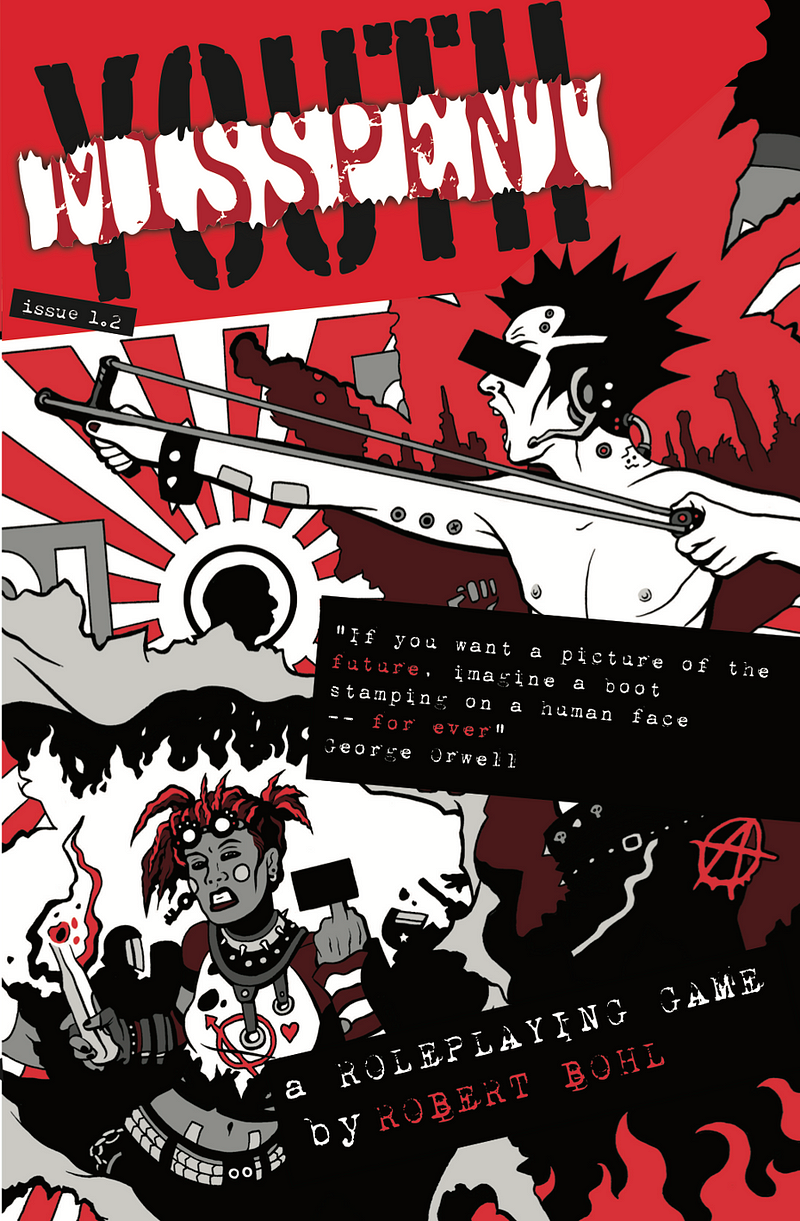
Fight the Power: The Roleplaying Game. Creating the setting is part of the character creation process, and the expansion has 17 pre-made worlds. Features a craps-like resolution mechanic. Very narrativist, bordering on anti-simulationist.
The publisher is winding down, but I think the PDF will stay on DriveThru.
Cortex
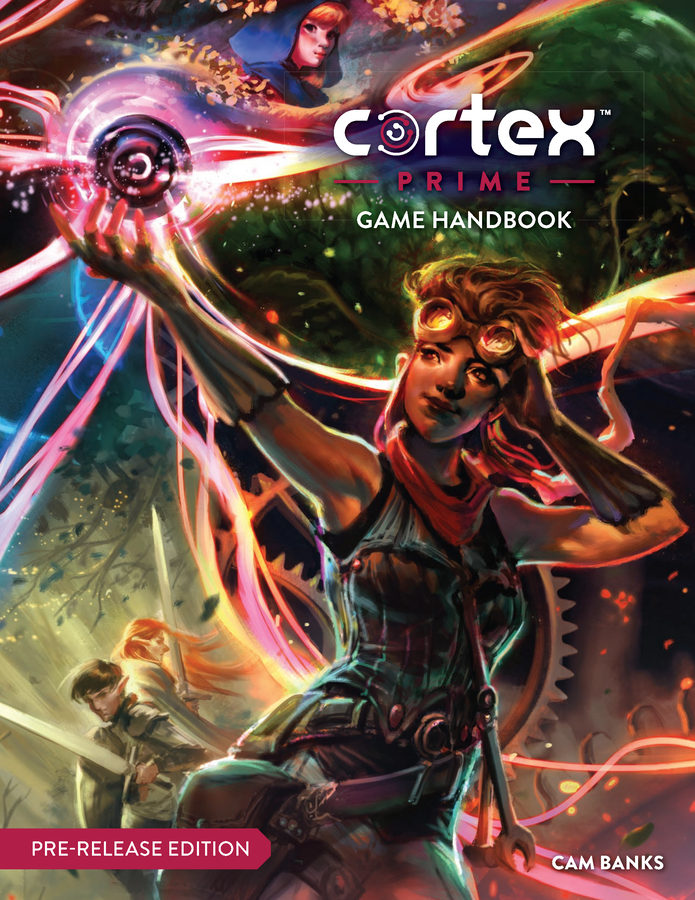
Right now all the Cortex games are out of print. A new generic edition, Cortex Prime, is still in development. I can’t say if it’ll be good or not until it’s released.
For a while it looked like Cortex was trying to corner the market on licensed games. There were Cortex games covering Firefly, Leverage, BSG, Marvel, and Smallville. Now that it’s owned by Fandom.com, I predict a lot of free-to-download setting books for everything from the Arrowverse to RWBY. But that’s just a guess.

Snake Eyes
An in-development universal system. Designed by fellow Medium tabletopper Erica Lindquist. Preview here.