
Python Setup on Linux: Python Complete Course — Part 5

Before we start let me tell you that:
- This article is a part of the Python Complete Beginner to Expert Course which you can find it here.
- This article is also available as a YouTube video here.
Introduction
To start learning Python, you should get Python installed on your machine. Also, you need an editor to write and run your code.
If you are a Linux user, this article is for you. The following articles are for Windows and macOS users.
This article will cover the following outlines:
1. Python Setup on Linux
To get Python on your Linux, follow these steps:
- Open the terminal with Ctrl+Alt+T and type:
sudo apt-get install python3.6Click Enter and make sure to type 3. Otherwise, Python 2.7 is going to be installed.
2. After that, you have to enter the password of your current user.
3. Once it is done, just type:
Python3.6then Enter.
4. If you find Python 3.6, that means you are ready now to use Python. Refer Figure1.

5. Finally, exit out of the Python shell by running Ctrl-z then enter.
Let’s move on and install PyCharm IDE.
2. PyCharm Setup on Linux

Simply, follow the steps:
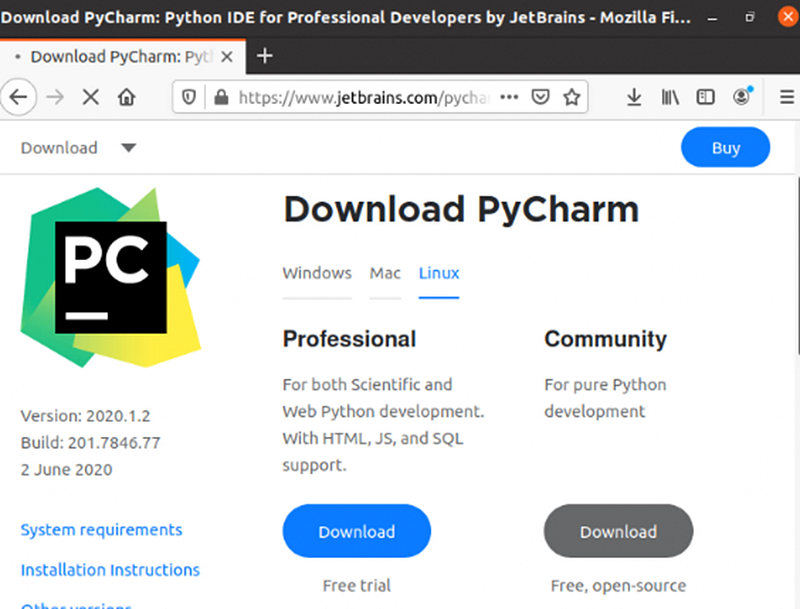
- Visit the official PyCharm site PyCharm download page from your Internet browser.
- Under Linux, select the Community version from the download page. Then click download. Refer to Figure 2.
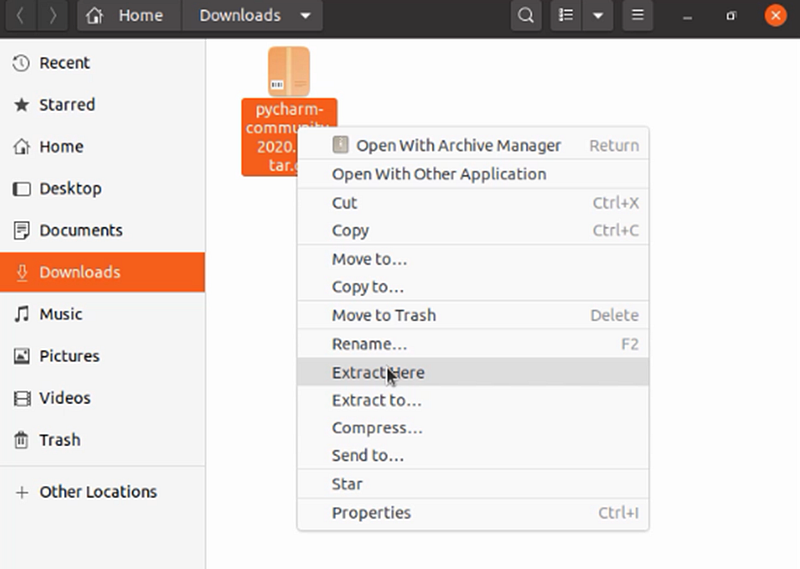
3. Once the tar.gz file has been downloaded on your computer, extract the downloaded file. Refer to Figure 3.
4. Once it’s extracted, you will find multiple folders and files. There is a file, inside the bin folder, its name PyCharm.sh. Refer to Figure 4.
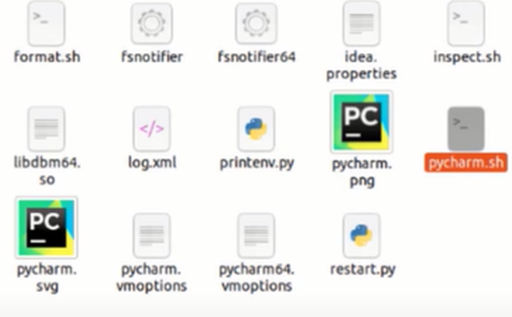
5. Launch the pycharm.sh file script, which is located inside the bin folder. To do that open your terminal and navigate to the script file location.
cd Downloads/pycharm-community-2020.1.2./pycharm.shthen press enter. Refer to Figure 5.
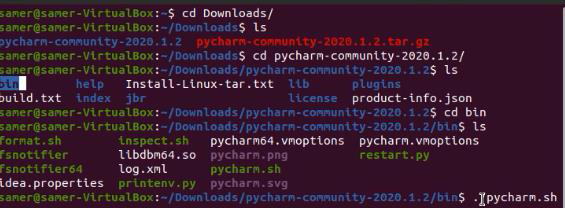
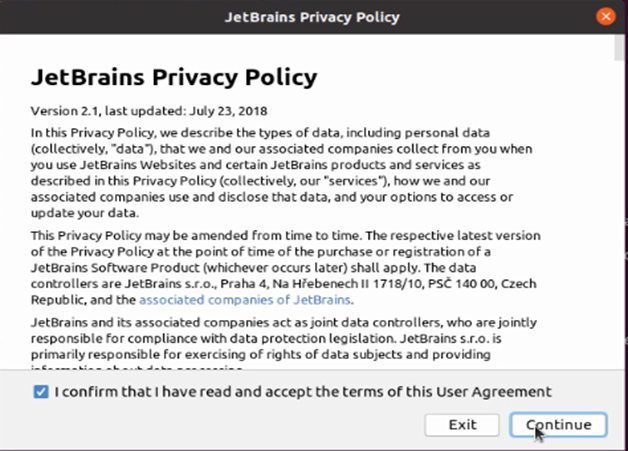
6. Accept the privacy policy and click continue. Refer to Figure 6.
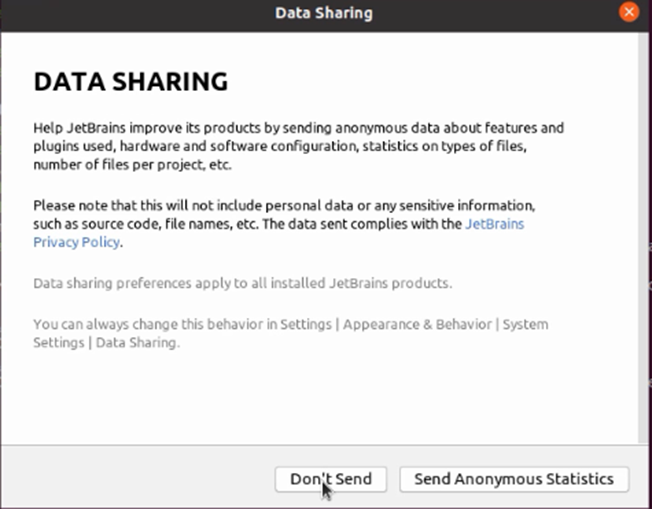
7. It is up to you to share some data from your environment or don’t share. Refer to Figure 7.
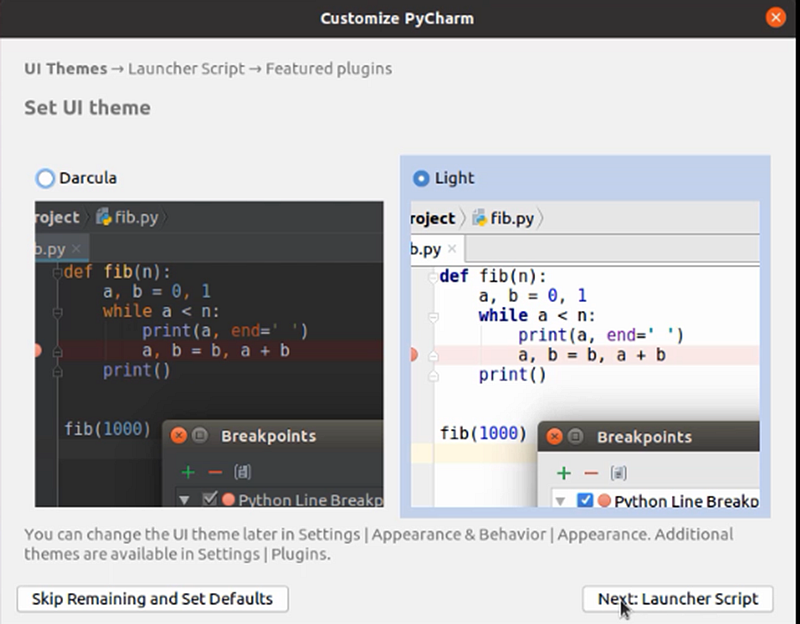
8. Now we can start customizing our PyCharm environment. Select your preferred UI theme, then click Next. Refer to Figure 8.
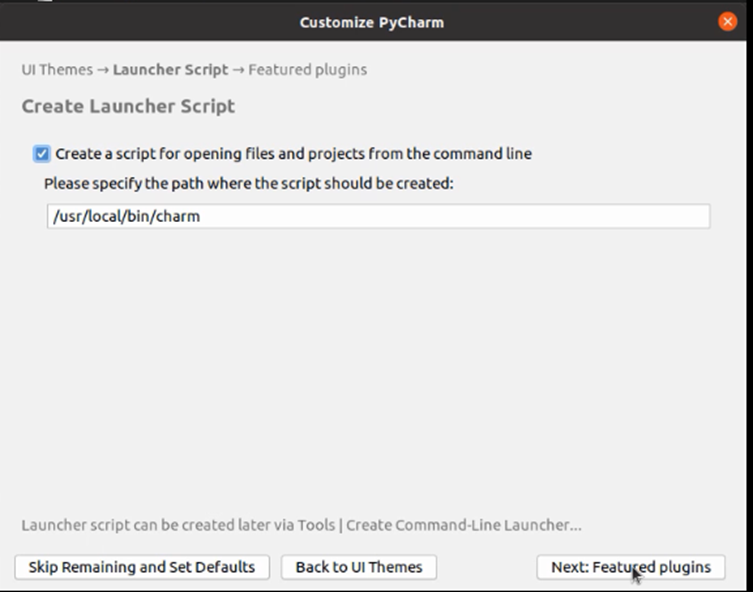
9. Check the box (create a script….), click next. Refer to Figure 9.
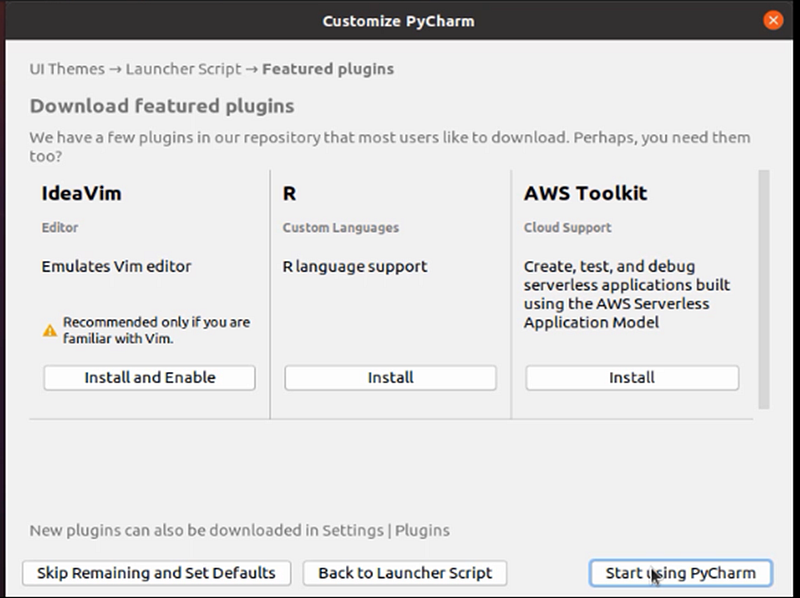
10. You can download and install any of the PyCharm plugins or skip that, click Start using PyCharm. Refer to Figure 10.
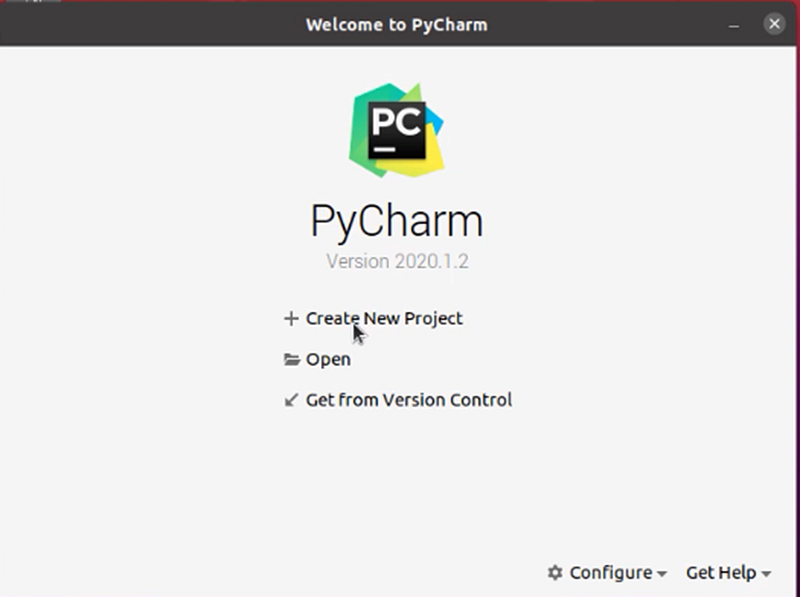
11. The installer will ask you to enter your user password. Enter the password, and then click OK. A welcome window will appear. Here, you can start and create your first project. Refer to Figure 11.
Congratulations! You can start coding on your computer…
Now, let us summarize what we have learned in this article:

In this article we have talked about:
- How to Setup Python on Linux.
- How to Setup Pycharm IDE on Linux.
P.S.: A million thanks for your time reading my story. Before you leave let me mention quickly two points:
- First, to get my posts in your inbox directly, would you please subscribe here, and you can follow me here.
- Second, writers made thousands of $$ on Medium. To get unlimited access to Medium stories and start earning, sign up now for Medium membership which only costs $5 per month. By signing up with this link, you can directly support me at no extra cost to you.
To get back to the previous article, you can use the following link:
Part 4:Python Setup on Windows
To move on to the next article, you can use the following link:


