
5 Bizarre Practices of Lip Disc Where Women Get Wild
From Girlhood to Womanhood: Lip Plates and the Dowry Connection
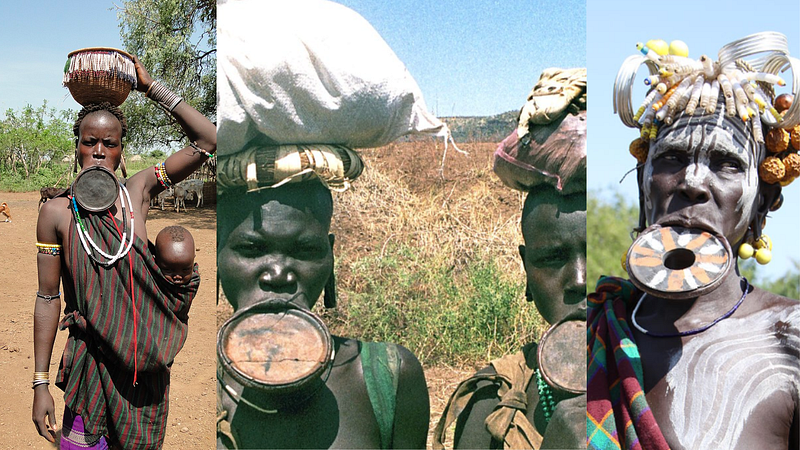
Piercings have been signified throughout history as an important part of cultures as representations of various different symbolisms.
The lip plate for one symbolizes beauty and identity within the Mursi Tribe and it is an alteration done to the female body when they are within the age range of 15–18 years old.
This tradition has not only made the Mursi Tribe stand out but also unfortunately given tourists an excuse to treat them as a cultural attraction.
1- A Symbol of Maturity and Womanhood
What made this type of piercing so important to the Mursi tribe? For one, other than possible influences of peer pressure, the decision of having a lip plate is often left to the woman itself.
Yet there is a stigma around women not wearing the plate, it makes them get perceived as lazy.
However, you can’t blame them for not wanting to wear them, since they are known to be heavy and uncomfortable.
When a woman has completed her ritual of getting her lip plate in, it is said that only then she is defined as a mature lady and has completed her transition from girlhood to womanhood, and men can get attracted to them and officially ask for their hand in marriage if they have not already been courted.
2- Dowry and Lip Plate Size
According to some historians, there is a possibility that the size of the lip plate would signify the amount of dowry (traditionally cattle was usually given as dowry) given in the marriage tradition.
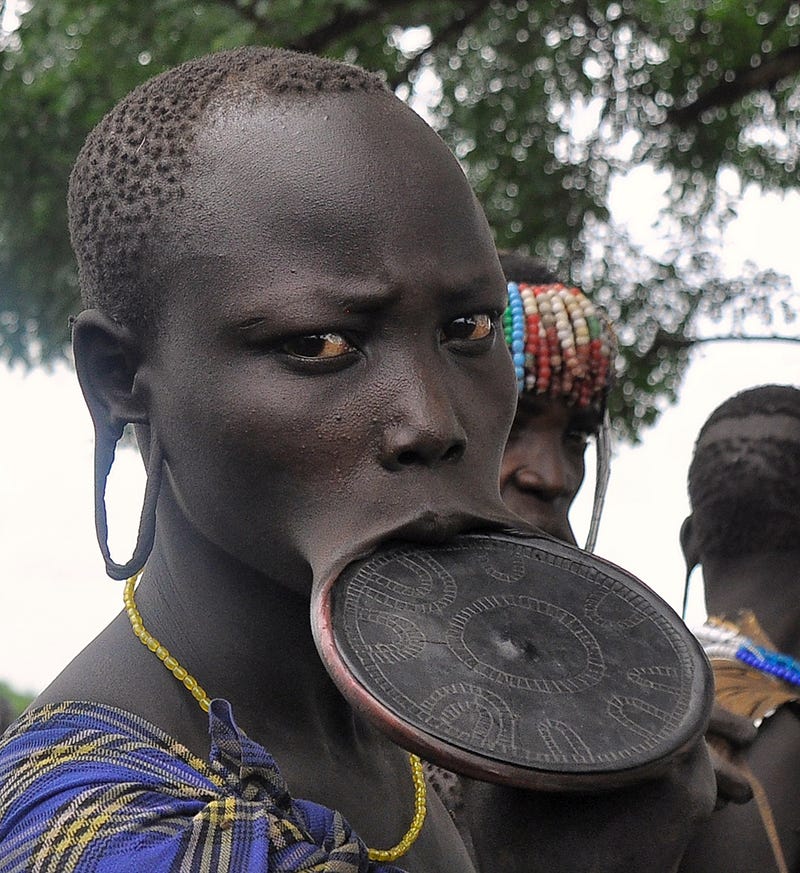
Thus not wearing a lip plate could cause some turbulence in familial relations and a decrease in the number of cattle they were to receive as dowry.
The only problem that is highlighted in this theory is that some women are already set to marry someone before they have even begun the process of lip piercing.
3- Mourning and Lip Plate Removal
The lip plate is also meant to signify the commitment a woman makes to her culture by permanently alternating her features, and when her husband dies the widow removes her lip plate forever, as a way to prove that a woman’s outer beauty fades after the death of her significant other.
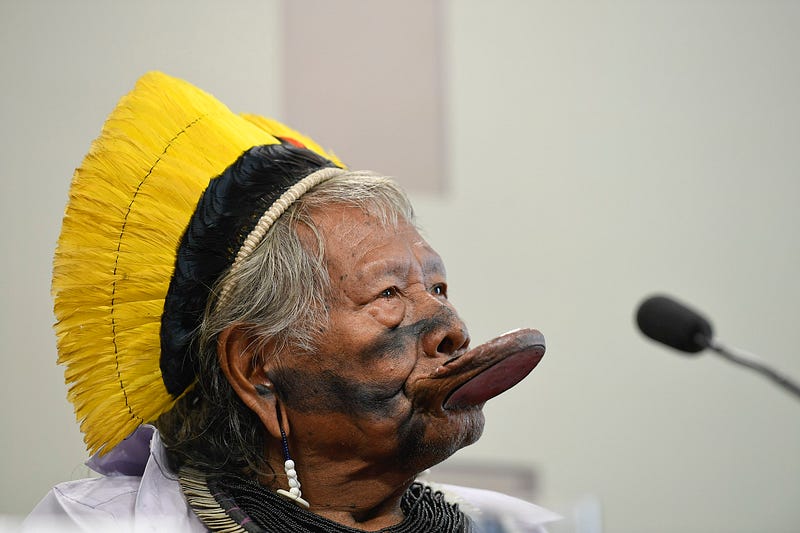
This is also true for a close relative (a parent or a sibling). The woman will remove her lip plate during her mourning period and only put it back in when she is advised to by those around her when they deem she has mourned long enough.
4- Process of Lip Plate Piercing
First, they extract the front two bottom incisors (in some cases all 4) so there is room to fit the ring in.
Once there is room, they make a small slit on the lower lip, usually just a centimeter or 2 long, and insert a temporary wooden peg to allow the piercing to heal until there is enough space for a bigger peg to be inserted.
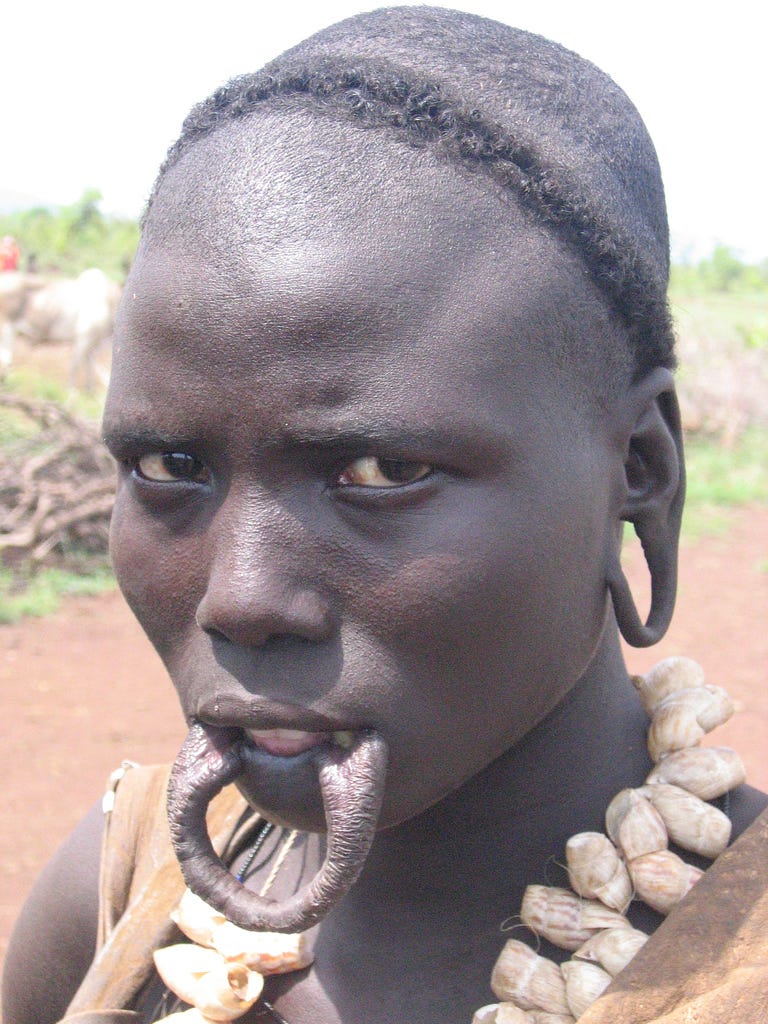
The pegs slowly increase in diameter, until there is enough space for the biggest ring the person wants (8cm-20cm). It is said that women usually create their own lip plates based on their personal preferences.
The pain of this process only lasts for 3 to 6 months, after which, thanks to their herbal ointments, the pain diminishes until there is none left and the healing process ends.
The size of the lip plate a woman chooses depends on 2 factors:
1- She is comfortable with and likes
2- How much their lips can stretch without bordering on tearing.
5- Historical Origins and Contemporary Changes
The solid history of the origins of the lip plate is very questionable since there are various theories provided by different historians through their findings.
But the evidence does state that the lip plate was invented 6 different times in Sudan, Eritrea, and Ethiopia.
Recent developments caused Ethiopians involved in governments to ban the practice of lip plate piercings, due to which there are very few young people who still wear them.
6- Practical Considerations: Eating and Talking
The one question that would be going through your head by the end of this is, “How do they eat food or talk?”.
These plates were only put in whilst serving meals to men as a way to look appealing and ‘show off’ their maturity and during any special ceremonies. They usually took them off when it was time to eat or have conversations.
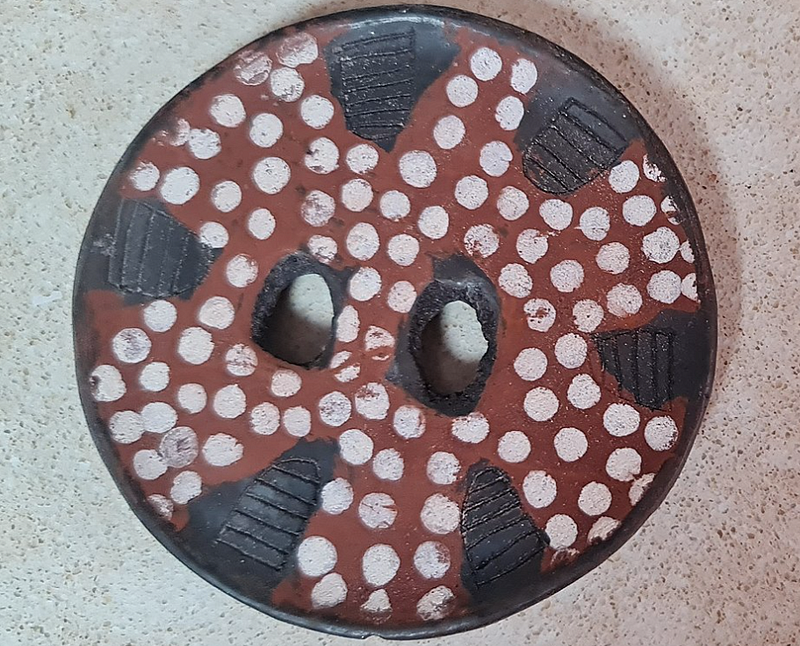
During the healing process, the women can become subject to infections and complications in everyday tasks such as eating, salivating, and talking.
Lip plates are said to permanently alter the speech of women as well, for example, replacing the ‘s’ sounds with ‘th’.
This can also lead to creating gaps in their teeth from the strenuous pulling of the lip, tooth erosion, and gum diseases from the piercings.
So where does this leave us finally?
As mentioned in the beginning, people started to see this tradition as a part of their tourist attractions, and this sickness is by no means new.
In the 19th and 20th centuries, these women were forcefully taken to Europe and North America to be showcased in circuses and pop-up attractions.
This tradition of lip plate piercings still exists to this day, it really shows how long a culture can stay alive if the people are dedicated to it and practice it despite the views and opinions of outsiders.
However, women should have a stronger say in whether they want to continue this or not and there should be campaigns that teach women the hazards of continuing with this specific tradition.
Want to follow up more from me and other amazing writers on Medium?
Hop on the chance to join:


.jpg)


