
3 Disgusting Lies Disney Has Been Telling You Since Ages
Beyond the Magic: Unraveling the Dark Historic Roots of Beloved Fairy Tales
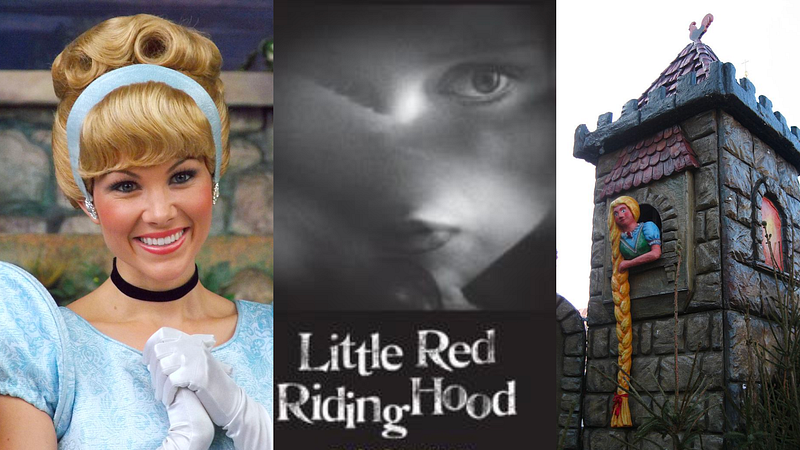
Fairy tales are something we all grew up with, whether it was the glass slipper that enchanted us or the growing nose of a lying boy that scared us into telling the truth to our parents. They’ve shaped us throughout our childhood, but were you aware of the darkness that lurks behind these tales?
Once upon a time… the backstory
Stories are meant to be lessons and morals we should follow. They are true to our time, so we benefit from the life lessons in them.
When the Grimm Brothers sought out these stories, they were living in a period of activism and emerging politics.
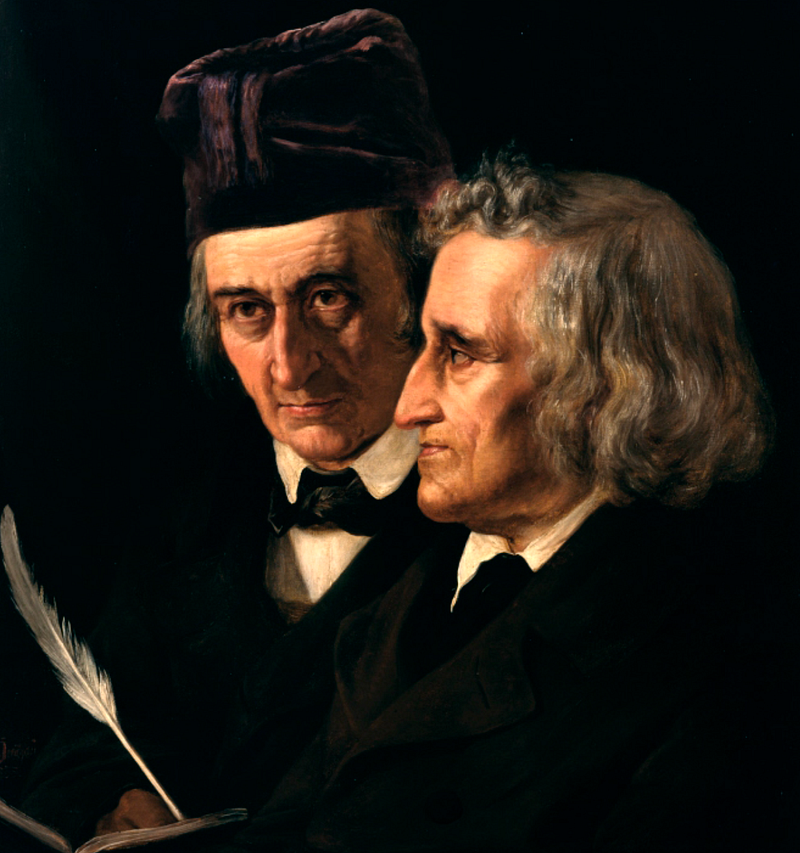

This can be seen reflected in some of their edited works. However, not all the stories (if hardly any) we know and love from the brothers were originally written by them, they simply collected them from people who had heard these stories and passed them down through their ancestral lineage.
1- Original Cinderella Story’s Themes of Class Divide and Inner Ugliness
We all know the tale of the glass slipper and the enchantment of the fairy godmother that turned a simple girl into a mesmerizing princess. The original tale, however, has darker undertones that are not exactly appropriate for kids.
For one, the main theme implores the concept of rich and poor, how the poor people are treated like scum, and how the inner ugliness of the rich people is reflected in their appearance.
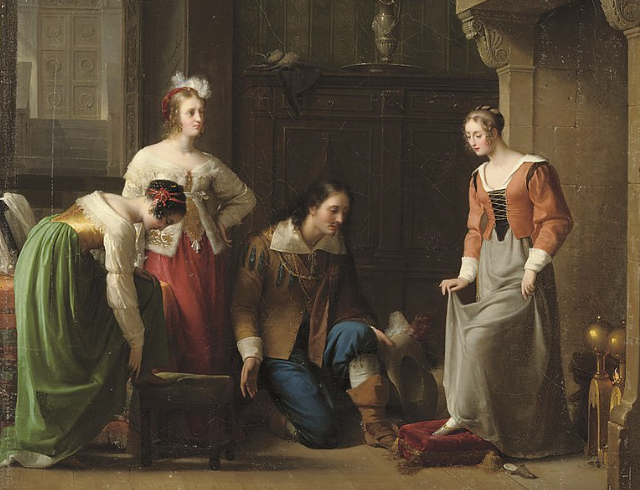

Moreover, the story explores the idea of trying to fit a standard, literally by chopping off the skin (aka plastic surgery these days). This is shown when the stepsisters cut off chunks of their feet to try and fit into the glass slipper (disgusting, I know, but beauty is a pain).
It is also theorized that the crazy stepmother killed Cinderella’s own mother to get to the riches of her father. This also gives us an interesting parallel, showing how 2 people raised on riches behave differently (one as a selfish monster and one sticking to kindness no matter how justified it would be for them to reveal their dark side).
This does not mean that the already existing morals of the story are not important, but the tale is not limited to a single life lesson!
2- With long hair comes the price of child imprisonment
The story of the girl with long hair is one we have all been afraid of, where a creepy witch steals a little girl and locks her in a tower.
What people don’t realize is that this story is based on a real girl, Barbara, whose dad imprisoned her in a tower all because she was too beautiful, and that naturally drew men towards her (pretty privilege doesn’t always work out).
In the darker tales, the witch not only locks Rapunzel up but actually tries to kill the prince who finds her by pushing him out of a window. Thankfully, his fall is broken by a bush; however, the thorns on it blind him and leave him wandering the earth with no sense of direction.
Of course, as all happy stories end, he is united with the princess, but at what cost?
This story highlights the hardships behind beauty, the lengths people reached to protect little girls from getting preyed on, and the effect it had on their psyche (honestly, they should’ve just told them stories about these creepy men, but I guess different times had different solutions, no matter how unethical it may be).
It also raised awareness against child imprisonment and just how disgustingly common it was during those times.
3- Sleeping Beauty — the tale of necrophilia and disgusting men
Out of all the darker tales, the story of the sleeping princess might just take the prize. The original story has very triggering themes, starting with royalty (rich people are always a trigger).
This tale starts with a king who thinks he’s entitled to everything, including the abandoned castle he discovered. In there, a princess lay asleep, cursed to a long slumber.
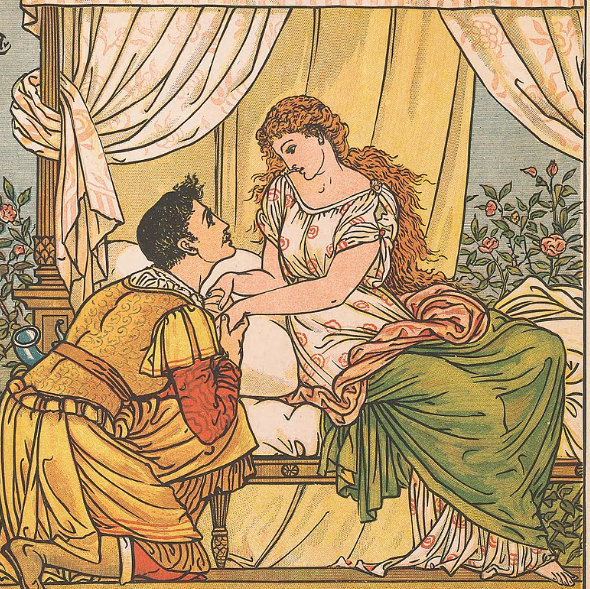

And as all horror stories go, the man saw an unguarded woman and decided to degrade her for his personal pleasure. Some versions claim the King thought the princess was dead, which is why he saw no wrong in what he did (thus being a necrophiliac rapist).
However, the horror show didn’t end there. This act of brutality left Sleeping Beauty impregnated and cursed with the pains of labor in her sleep.
Due to her condition, the twin babies were left to be taken care of by the 3 fairies, who constantly looked after her. Her slumber ended when one of the babies sucked on her finger, taking out the splinter that had cursed her and waking her up.
The third theme in this tale would be Stockholm Syndrome, which took place when the King came back for seconds, causing her to fall for him despite everything he had done to her. And they lived happily ever after.
The Epilogue
While I understand these stories needed to be edited to fit a children’s narrative, these versions should not have been dismissed in their entirety.
These stories had messages for people of all ages, including little kids who were warned not to get enchanted by strangers through the brutality of the Little Red Riding Hood story(originally the wolf murdered and ate the grandmother and the little girl).
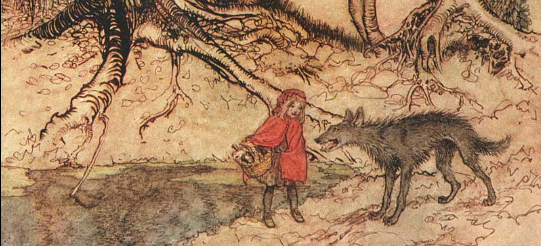

They show a narrative of the times, of the horrors the people had to endure. The history attached to the stories gets erased once the story is rewritten, and the idea of dumbing down stories for children does nothing but kill the essence of the tale and its impact.
Sure, we could all do with a little optimism in our lives, but it leads to imagining an unrealistic reality where fairy godmothers can wave their wands and make all our problems disappear.
Want to follow up more from me and other amazing writers on Medium?
Hop on the chance to join: