
5 Best Zero Waste Products on the Go
How to get rid of plastic?
What is Zero Waste? It’s a lifestyle. We try to generate as little waste as possible, and thus not to pollute the environment. It is an ethical, economic, and visionary goal that helps people to emulate a sustainable natural cycle in which all discarded materials are to become a resource.
Don’t buy things if you don’t need them. Even if they trendy
When we hit the road — to the work, college, vacation — we need equipment we can trust, a nice one so we like it, and why not also ‘eco-friendly’? Here are some examples of how to start living Zero Waste way of life by excluding plastic from our lives.
- Fjällräven Re-Kånken
I fell in love with Fjällräven Re-Kånken rucksack. It’s a special edition of Kånken, made entirely from polyester recycled from eleven plastic bottles. SpinDye technology reduces the amount of water, energy, and chemicals used in the production process.
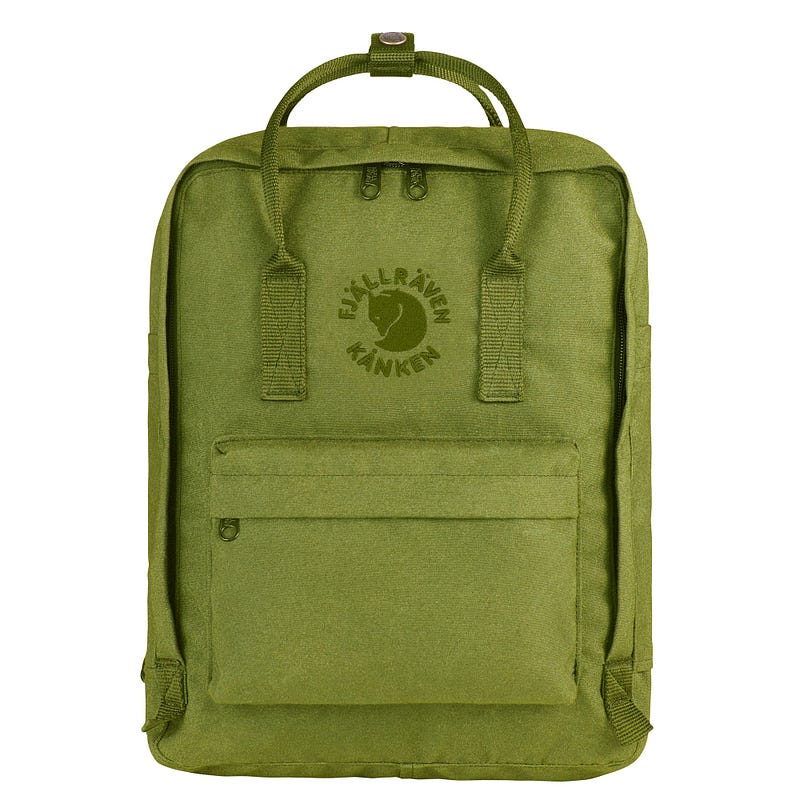
Fjällräven was founded in the 60s and its mission is to enable and inspire more people to spend time in nature. In 1994 they began supporting Fjällräven’s namesake (Fjällräven means arctic fox in Swedish) together with a team of scientists at Stockholm University. By buying their products, you support research and saving foxes.
The price is $90 and I know it’s not the cheapest rucksack on the market, however, materials used in production, technology, and research support encouraged me to buy it. You can order it here.
If you don’t want to spend $90, they are cheaper alternatives like not buying a new rucksack at all or eco-friendly bags. It’s possible to design such bags yourself, and the cost is much less than Kanken. Just type ‘custom eco-bags order’ in Google and get yourself a unique one.
2. Yuhme — The Humanity
The first step to say no to plastic is to have a multi-use water bottle. The most popular are biodegrading and glass ones. There is a lot of the market. I use Yuhme — The Humanity. It costs $30, designed and produced in Sweden and it’s available here. Why I choose this bottle?
It’s made from sugarcane and CO2 it’s negative. Also, BPA free & toxin-free, 100% recyclable, holds 750ml and shipping worldwide is available.
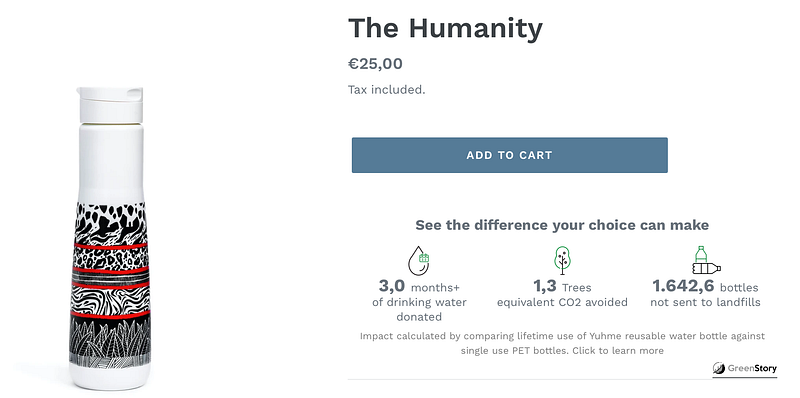
Each bottle provides at least 3 months of clean water to one person in the Central African Republic via their partner Water for Good.
3. Lunch box
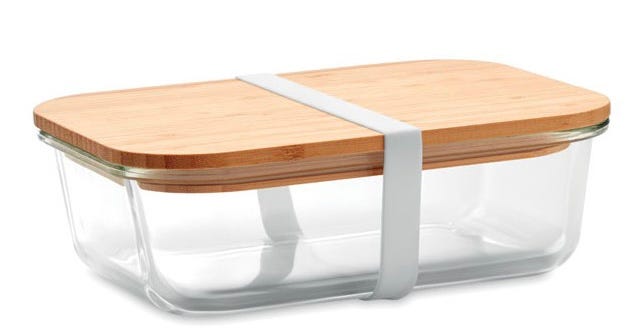
People around me often carry lunch boxes, but every single one own plastic one. So I did some research and found out that there are three types of lunch boxes healthy both for you and the environment. Made from glass, stainless steel, and from non-toxic materials.
The market is full of them and it’s important to choose the one that suits you. The glass ones are the heaviest, but if your meals are worth sharing on Pinterest, then you might be looking at it. If that’s a case, transparent ones are for you.
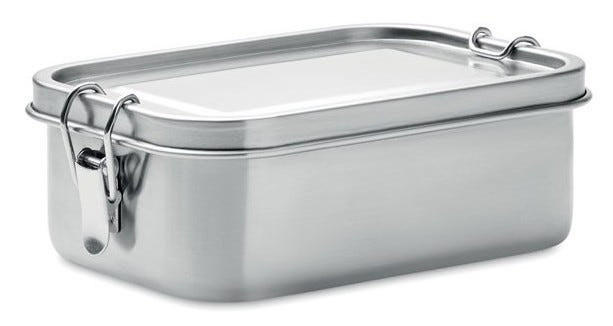
Steel might look nice, all clean, and shiny, but it has sharp edges, and not everyone likes the sterile way it look like. For me, it looks like a box for surgical instruments, not food.
I choose a biodegradable lunch box, made by the British company Huski. It’s made from rice husks, and rice husks are a potential biohazard if not repurposed or disposed of properly. The only way to get rid of them is to burn them or make material from them. It is Non-toxic, melamine, BPA, and silicone-free. Eco-friendly and sustainable. Great for hot or cold foods.
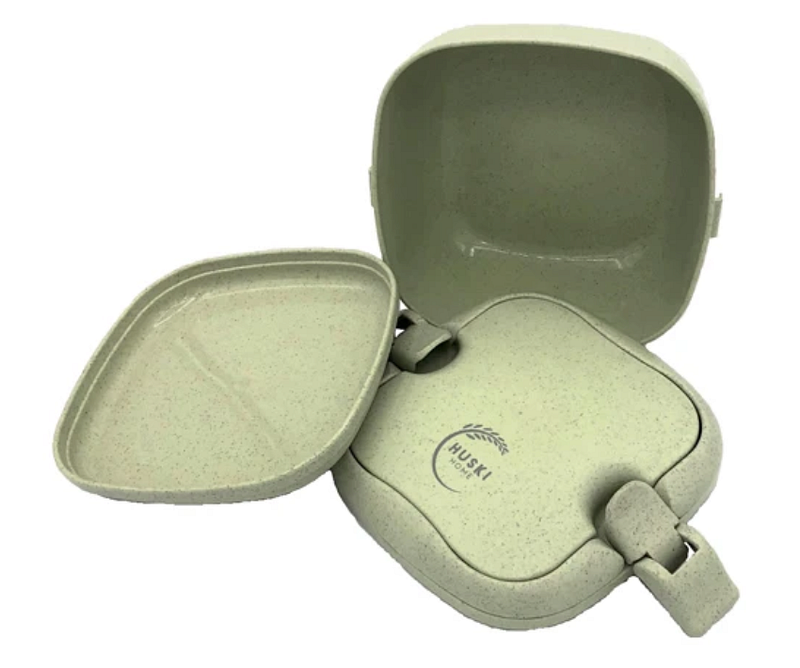
It costs about $16 and you can order it here.
4. Huski Home Eco-friendly travel cup
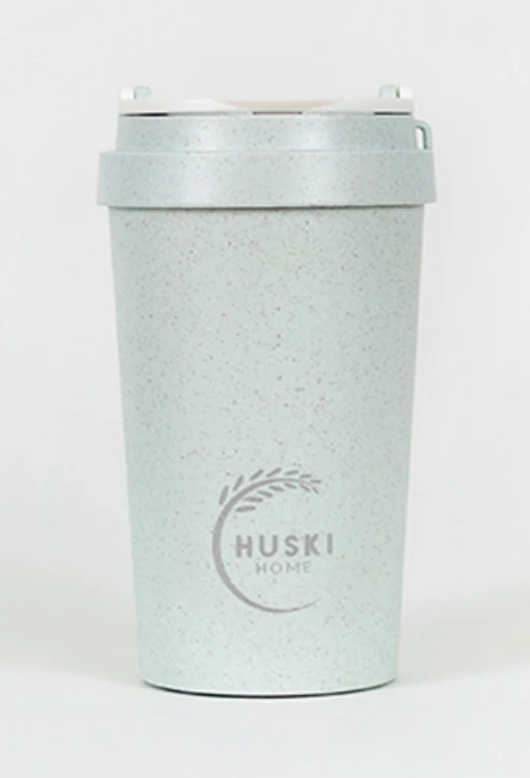
My second product from Huski. Same as lunchbox it’s made from rice husks, non-toxic, melamine, BPA and silicone-free, eco-friendly, and sustainable. Keeps hot drinks at an optimum temperature for up to 90 minutes. Available in sizes of 400ml or 500ml. Cost: $13, order here.
If you want your mug to keep warm longer I suggest picking a thermal mug made from steel.
5. Coconut bowl & spoon
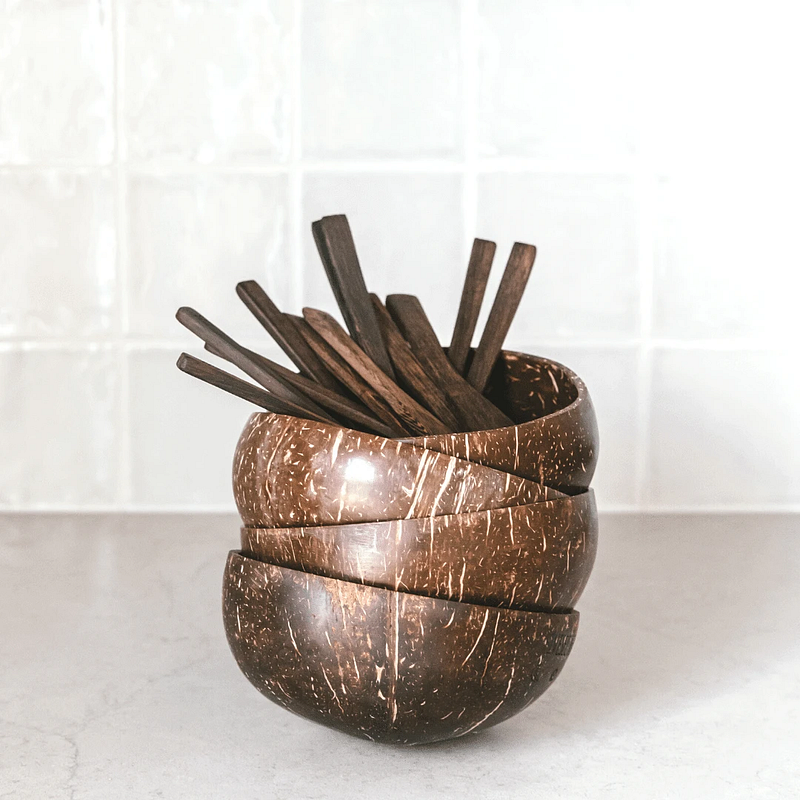
Absolutely must — have! I can’t imagine kitchen without dozen of coconut bowls, and wooden forks, knifes and spoons. It’s a great eco-friendly replacement for plastic cutlery. Take it to your dorm, office or for a trip. Cutlery set should cost around $50 (4 bowls, spoons, forks, knifes).


