
4 Infamous Gangsters Who Shaped & Terrorized America
An untold history of crime and corruption through pictures.
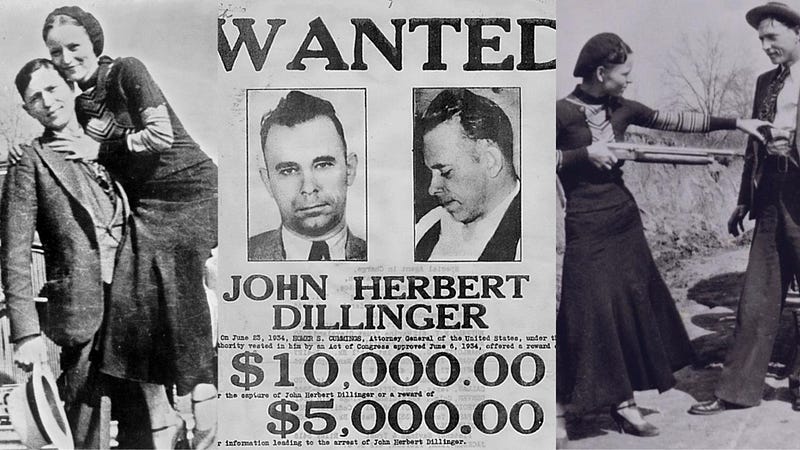
The Prohibition era (1920–1933), when the manufacturing, transporting, or legal selling of alcohol was outlawed in the United States of America, gave rise to the legendary outlaws known as American Gangsters of the 1900s.
They gained power through networks of organized crime — by actively participating in smuggling, racketeering, and other illegal operations.
These criminals attracted a lot of media attention because of their extravagant lifestyles, high-profile crimes, and violent clashes with law enforcement forces.
Al Capone, Lucky Luciano, and John Dillinger are just a few of the most infamous American gangsters of the 1900s.
These gangsters’ impact on American history and popular culture is unquestionable.
1. Al Capone — The Most Famous American Gangsters Of All Time
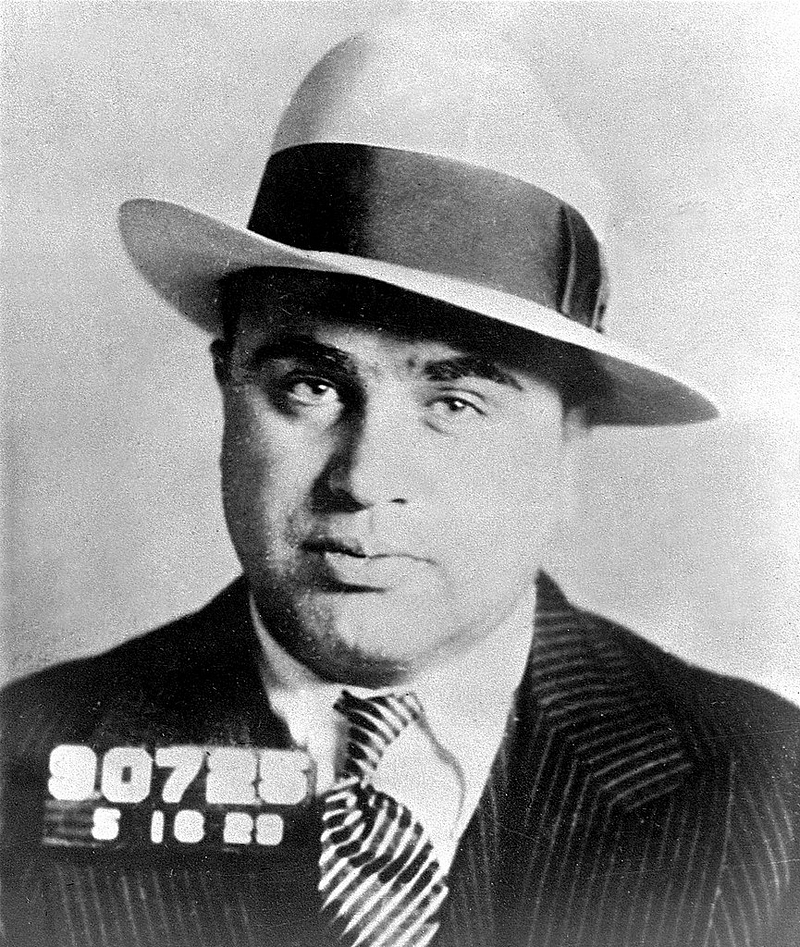

Al Capone, also known as Scarface, was a notorious American gangster who gained fame in the 1920s and 1930s during the Prohibition era.
Capone started his criminal life in Manhattan as a member of the Five Points Gang after being born in Brooklyn, New York, in 1899.
As a violent gangster who was willing to use violence and intimidation to achieve his goals, Capone quickly made a name for himself and rose to become the head of the Chicago Outfit, a notorious gang that was involved in prostitution, gambling, and bootlegging.
One of Al Capone’s most infamous crimes is none other than The Saint Valentine’s Day Massacre, which took place in 1929 and led to the deaths of seven members of a rival gang.
Even when Al Capone was alleged to have given the orders for the murders, he was never found guilty.
Capone was also well-known for engaging in illegal activities, such as tax evasion, bribery, and money laundering.
However, Capone was finally found guilty of tax evasion in 1931 and given an 11-year prison term.
Due to his crimes and notoriety, Al Capone became a representation of the lawlessness and corruption that plagued American society at the time of Prohibition.
Despite being ultimately found guilty, Al Capone continues to be a well-known figure in American popular culture and a warning about the perils of organized crime.
Waterfront view of the infamous residence of Alfonso “Al” Capone in Miami, Florida.
The home was purchased by Al Capone in 1927, and he lived there until his death.
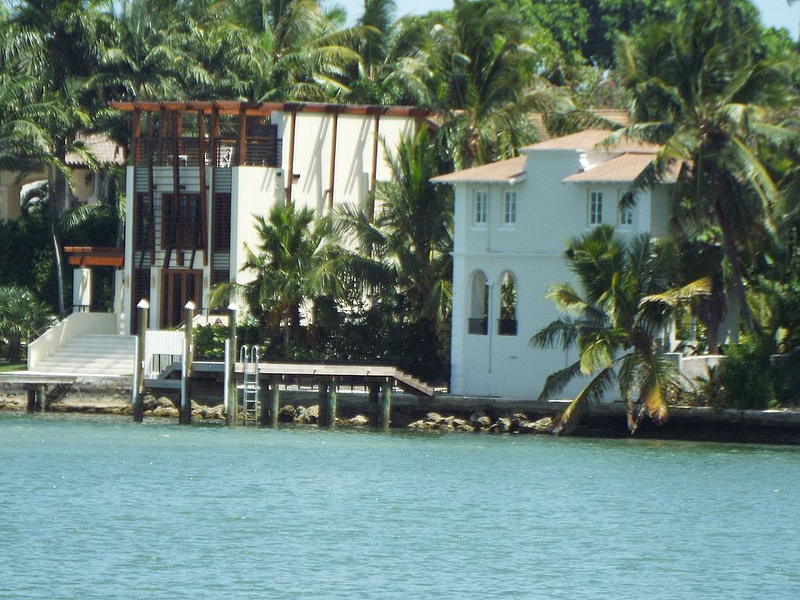

It was in this house that Al Capone planned the notorious St. Valentine’s Day Massacre on 14th February 1929.
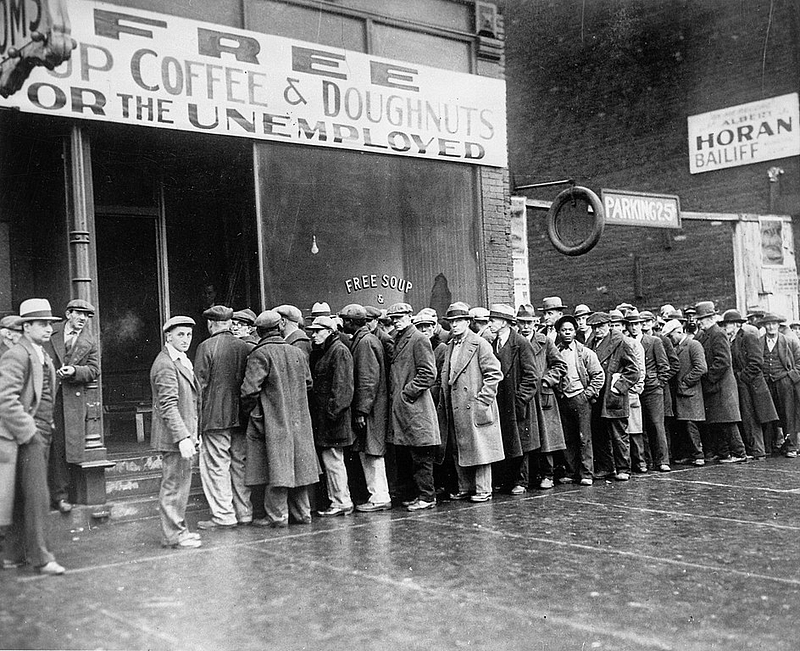

Al Capone was one of the richest gangsters of the 1900s, and during the great depression, he decided to give back to society by giving free coffee, doughnuts, and soup to the unemployed.
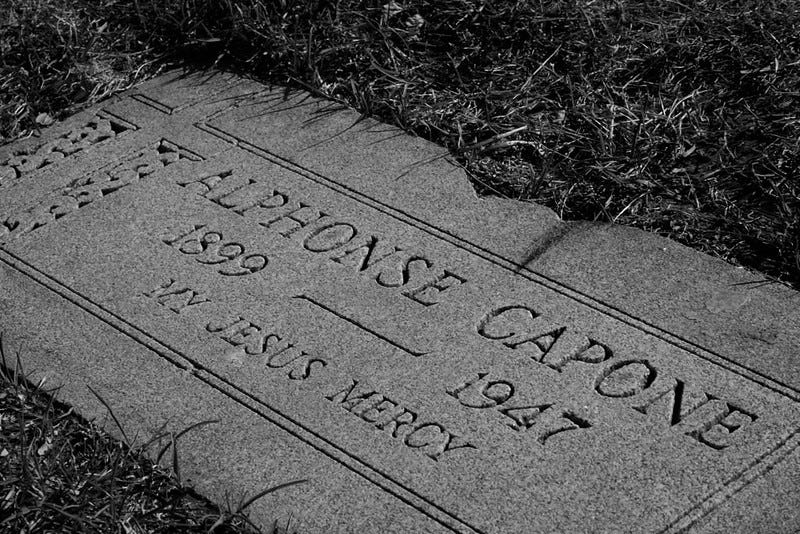
The final resting place of the most well-known American Gangster of all time.
John Dillinger, The Master Of Disguises
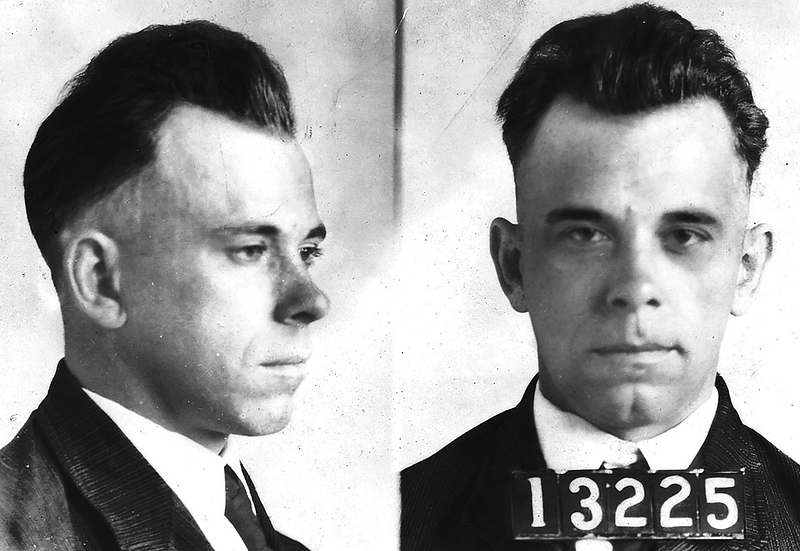

John Dillinger is another notorious American gangster from the Great Depression era of the 1930s.
He was known for his audacious bank robberies, prison escapes, and charismatic personality, which made him a popular figure among the general public.
The crime that Dillinger is most famous for is the robbery of the First National Bank in East Chicago, Indiana, in 1934, where he and his gang made off with over $20,000 (about 400,000 USD of today’s Dollars) in cash and bonds.
John also carried out a series of successful bank robberies across the Midwest, earning him the FBI’s nickname “№1 Public Enemy.”
Dillinger was a master of disguises and frequently escaped from jail — often using weapons smuggled in by his associates.
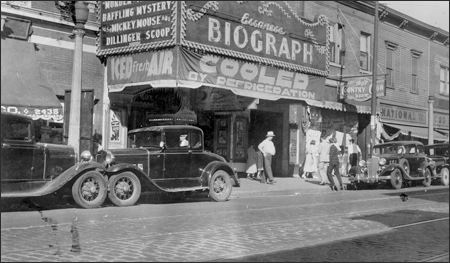
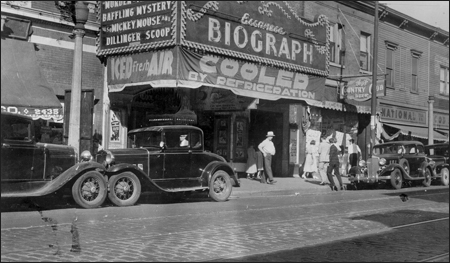
However, his luck ran out in July 1934 when he was ambushed by FBI agents outside of the Biography Theater in Chicago.
He was shot and killed in the confrontation, ending his reign as one of the most notorious criminals of the 1930s.
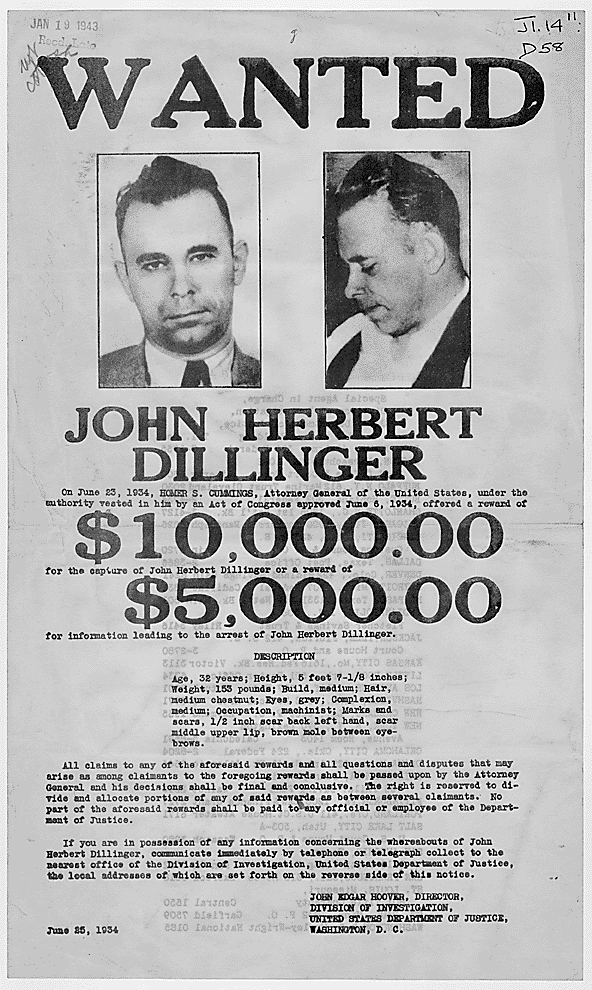
2. Wanted poster of John Dillinger

Biograph Theater where John Dillinger was killed by the cops.
3. The Shocking Power Of Bonnie And Clyde
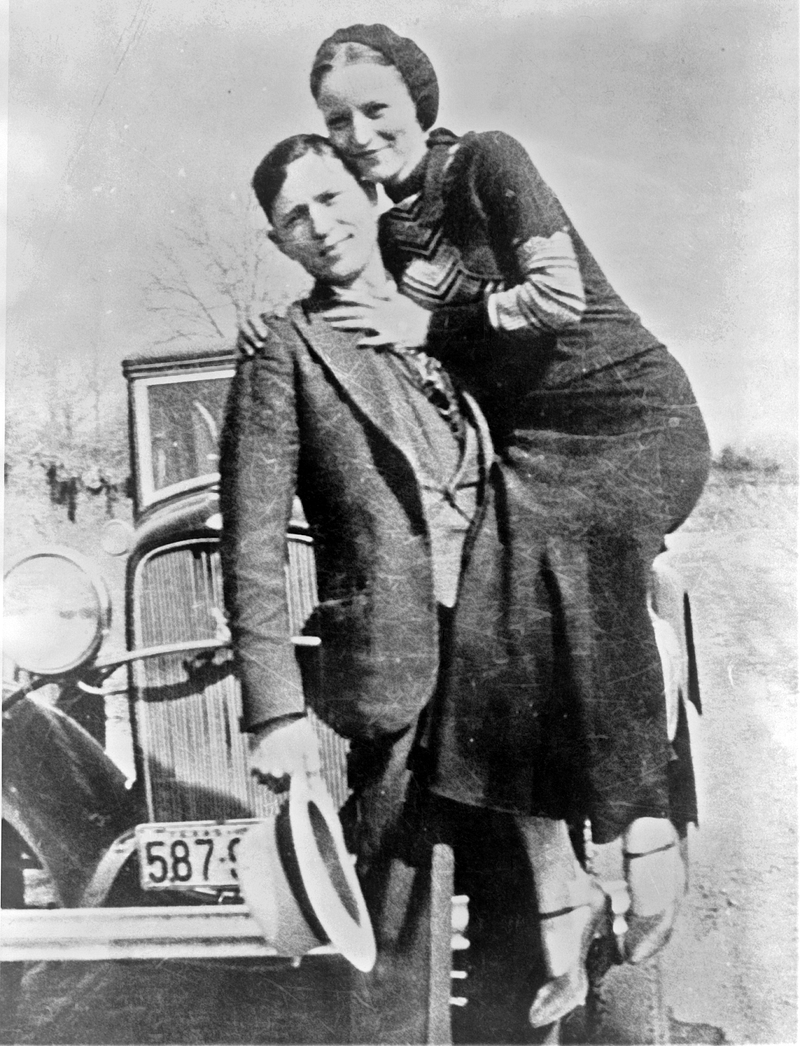
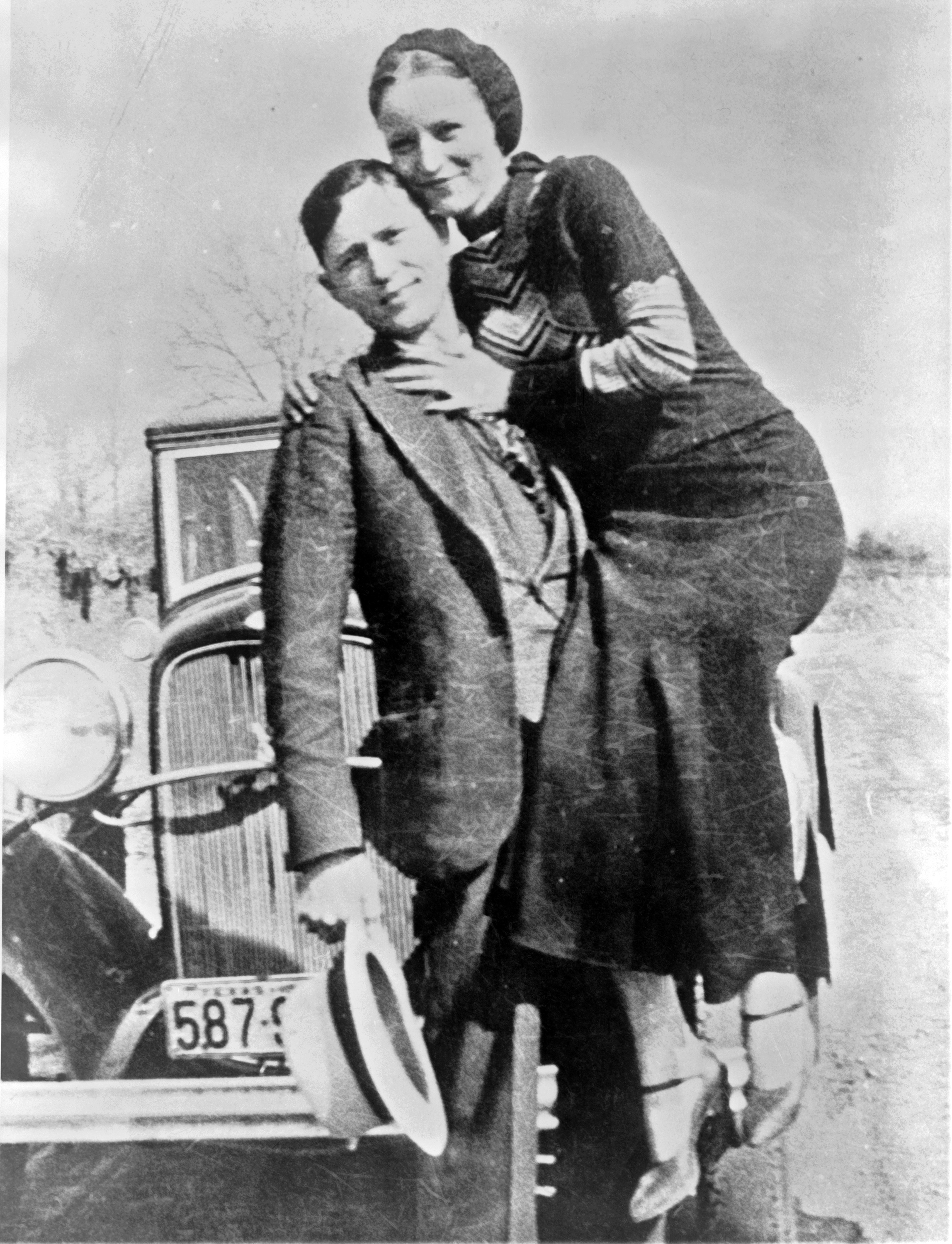
In the 1930s, during the height of the Great Depression, Bonnie Parker and Clyde Barrow were two of America’s most notorious criminals who worked as a duo.
They are best known for a series of robberies and murders that took place across several states in the central United States.
Bonnie and Clyde were well-known among the general public for their daring escapes from law enforcement.
The two were involved in a number of crimes, including murders, bank robberies, burglaries, and vehicle theft, probably the crime for which they are most famous.
They were well renowned for their extreme violence and killed several police officers and ordinary civilians.
On 23rd May 1934, a group of law enforcement officers ambushed the two in Louisiana and gunned down their car, killing Bonnie and Clyde and ending their reign of terror.
They have been romanticized in popular culture, including books, movies, and music, despite their violent and criminal lifestyles, solidifying their place in American folklore.
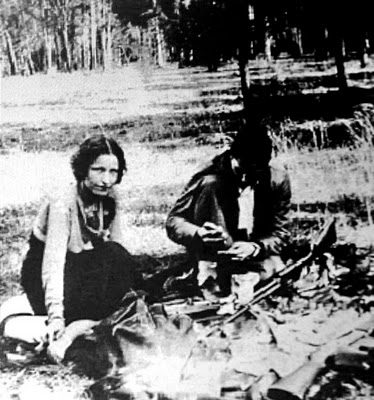
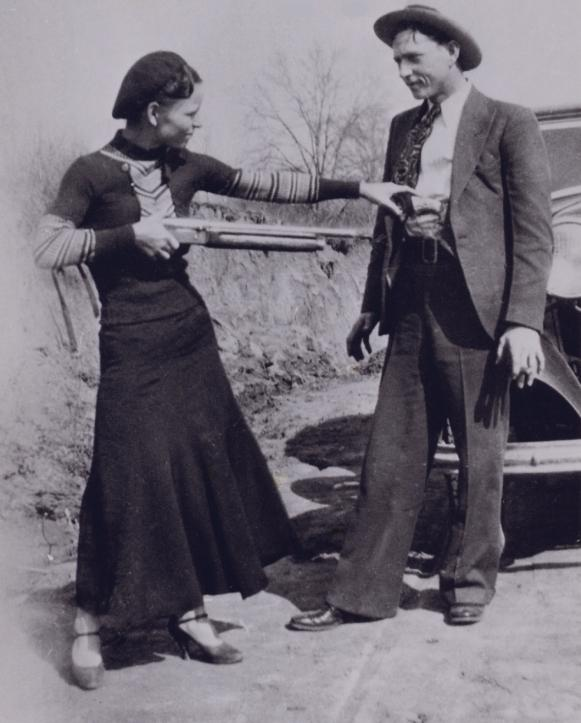
Bonnie and Clyde Camping, 1933.

Bonnie and Clyde fooling around.

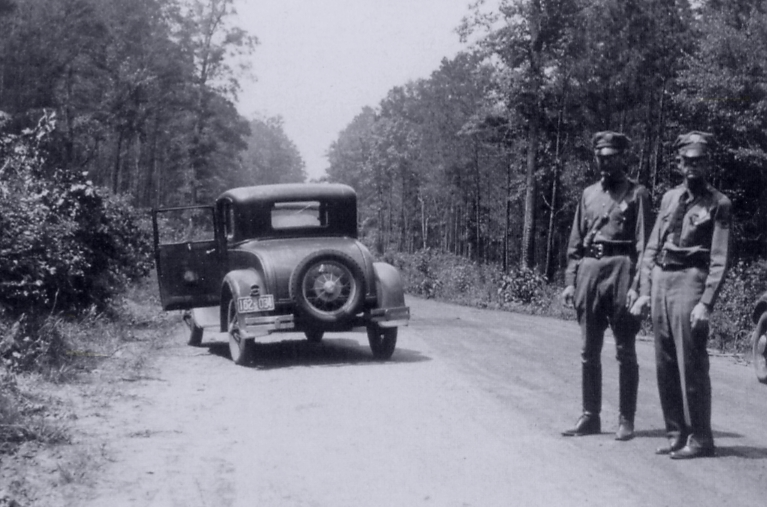
The dirt road where Bonnie and Clyde was ambushed by Texas Rangers.

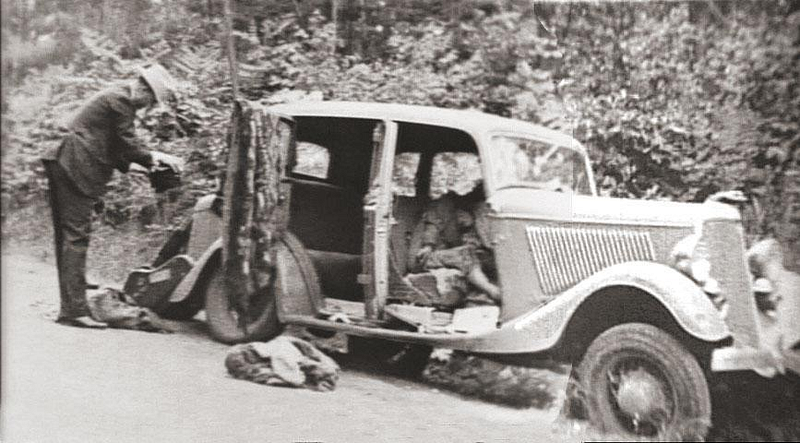
A stolen 1932 Ford V-8 B-400 in which Bonnie and Clyde was gunned down — the image was taken while their dead bodies were inside.

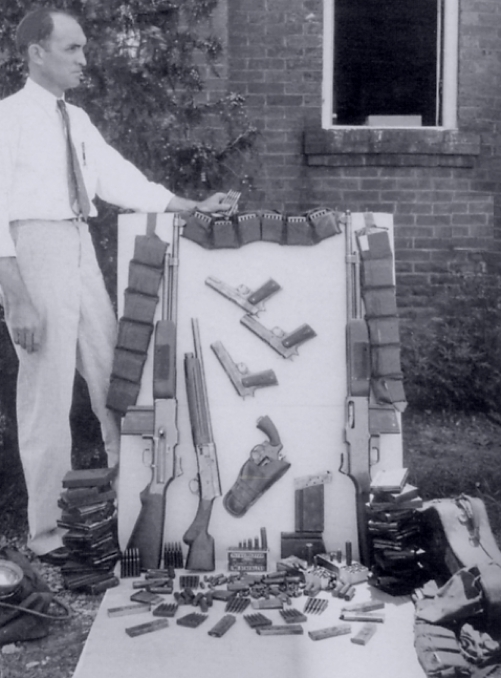
Bonnie and Clyde’s arsenal was found in the car that they were shot in
4. Lucky Luciano — The Founder Of Modern Day Organized Crime
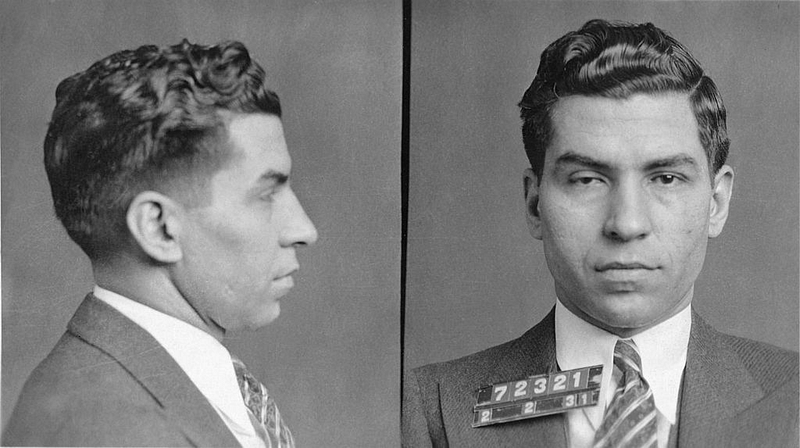

Charles Luciano, famously known as Lucky Luciano, was born in Sicily, Italy, in 1897.
Salvatore Lucania was a legendary leader of organized crime in the United States during the 1920s and 1930s.
He is credited with establishing a Commission, a body that supervised and arbitrated conflicts between the many mafia families across the country, and is frequently referred to as the “founder of modern organized crime.”
Assassinating “The Boss” Salvatore Maranzano in 1931 is one of Lucky Luciano’s most notorious murders, which gave him control over the New York City crime scene and allowed him to establish his position as “The Boss.”
Lucky was responsible for establishing the national crime syndicate, which allowed mafia families from several cities to collaborate on criminal enterprises.
Luciano was ultimately found guilty of prostitution-related charges in 1936 and sentenced to 50 years in prison, but even while serving his time, he continued to exert influence over the crime world.
He was eventually let out of prison in 1946 for his wartime services and sent to Italy, where he lived the rest of his life until his passing in 1962.
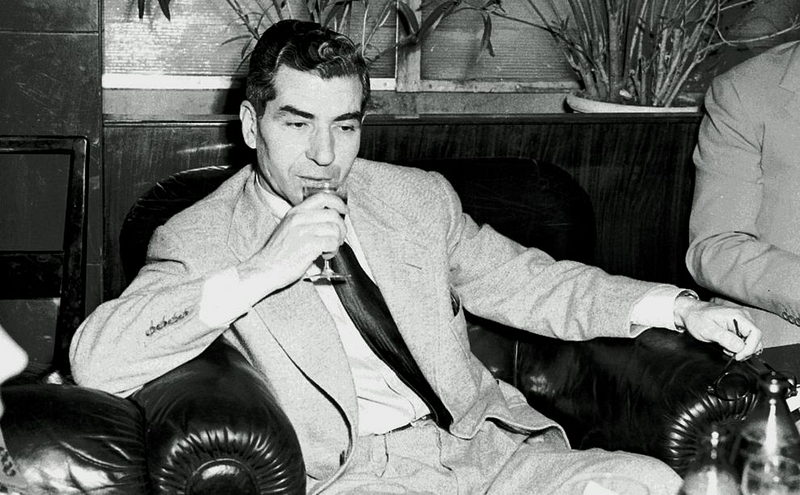
Lucky Luciano sipping wine at Excelsior Hotel, Rome, 1948.

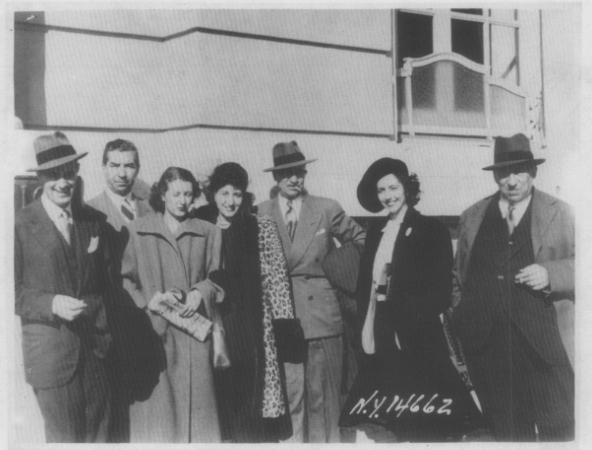
Lucky Luciano along with some famous Italian people, 1949.
More from the author: