
2,500-Year-Old ‘Curse Tablets’ Found in Athens are Archaeological Shock
Athenians used wells to talk with the underworld gods.
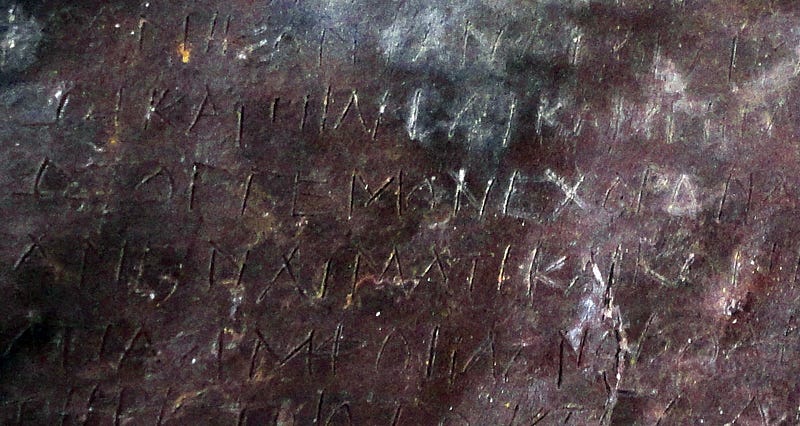
2,500-year-old thirty lead tablets have been found in the well in Athens. What makes this historic find interesting? The curses they contain.
These tablets were used to ask the Underworld Gods to cause harm to others. Initially, the excavation team, under Stroszeck’s direction, was investigating the water supply to a public bathhouse. Little did they suspect they would discover a set of curses.
Apart from the tablets, the archaeologist found drinking vessels, wine vessels, cooking pots, lamps, and wooden pulleys. Interestingly, it was the first time the well was excavated, despite excavation being done near the area regularly for centuries.
Ritual texts were scratched on the small lead objects with the person’s name who was supposed to receive the curse.
Apart from the use of well, the Athenians would also put such cursed objects in tombs, hoping the dead would carry the spells to the underworld. What caused ancient Athens to shift their idea from using graves to the wells for the same purpose?
Athenians sought an alternative route for forbidden magic
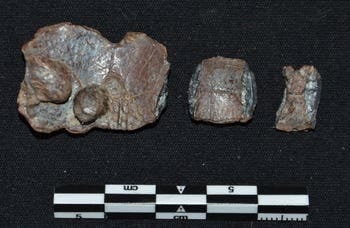
The people switched the place of dropping the cursed tablets because Demetrios of Phaleron, who governed Athens in 317–307, B.C.E., passed legislation concerning tombs management.
The Black Arts were never appreciated in Athens, and with the new laws in place, people could no longer use cemeteries as a medium of transmitting their curses to the underworld gods.
Ill wishers thus sought alternate ways towards the end of the Fourth Century B.C.E. Tossing curses into the wells was the only way they could think of contacting the underworld gods.
People activated the curse by accessing the underworld
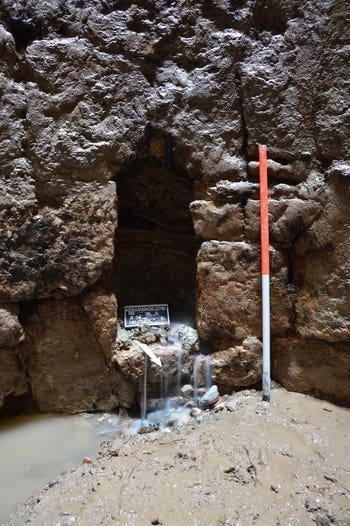
The other beliefs about the people of Athens surfaced when the archaeologists found a built-in pedimented niche composed of limestone. It was constructed for the well’s water nymph. Additionally, to please the fairy, gifts were thrown in the water.
Nymphs protected the water in wells. The well water was considered an access point to the underworld, into which just throwing a curse would activate it.
Today, archaeologists use a digital technology known as ‘reflectance transformation imaging’ to read even the smallest inscription on it.
They aim to know three things: the nymph’s name, actual curses, targeted people, whether they were any famous Athenian commoners.
Type of corpses needed to activate the curse
Athenians believed that certain types of souls remained active around the tombs and that too for a while after death, making them perfect candidates for bearing the cursed messages to the netherworld. In this place, chthonic Gods would fulfill the curses.
Interestingly, inscriptions discovered in Cyprus in the 1930s carried a detailed instruction on how cursing was to be implemented.
An ill wisher was supposed to target a live person to curse and then place the engraved tablet in the tomb of a fresh corpse, making sure that a person had a premature death. Weird.
But, the tomb had to be of someone who could not complete a normal life cycle and died as a child, unmarried, or someone who died by violence such as murder or war. Why such conditions? Athenians deemed the souls of such people to be “unquiet” and capable of carrying the curse to the underworld.
Why did people feel the need to curse back then?
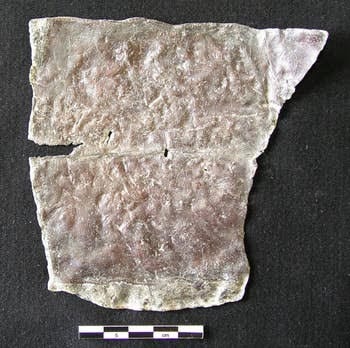
People seemed to curse for four main reasons: to settle a business rivalry, to win athletic competitions, to win a lawsuit, and out of hate or love.
Now, why someone from a society so advanced in logic, science, and philosophy-year-old take such measures and stoop to the Black Arts? The answer dates back to the construction of the Parthenon on the top of the Acropolis.
People did not deem it right to use the national treasury for municipal reasons. This was the reason from where people started actively using curses against oppressors or anyone whom they hate.
More from the author:
References
https://www.thesun.co.uk/tech/10886761/ancient-greece-cursed-tablets-poisoned-well/
https://www.theculturalexperience.com/news/cursed-2500-year-old-tablets-found-at-bottom-of-well/


