
12 easy-to-find plants for herbal teas at home
No need to buy herbal teas, step outside to source your own
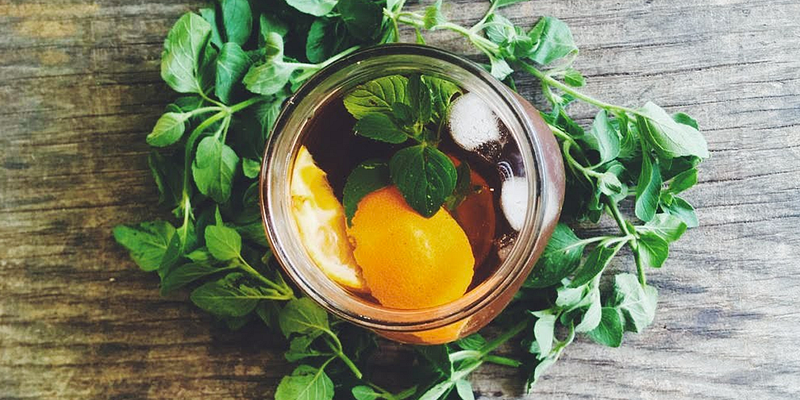
Infusions — the perfect way to end, start, or punctuate any day.
Herbal teas are a great way to flood our bodies with soothing antioxidants that help us to de-stress and boost our immune systems.
However, a lot of pre-made infusions come in packaging that is not kind to the environment. Plastic wrap as well as plastic-coated teabag sachets do not recycle well or decompose properly.
Even cardboard packages require energy to produce and dispose of.
Granted, we needn’t worry too much about cardboard use, but if there’s a way to both eliminate this waste and increase freshness, why not go for it?
Foraging or growing your own tea herbs is a great way to spend more time in nature and learn about the specifics of what’s going into your brew.
By accumulating quantities of locally grown medicinal plants, you will be able to pick and choose which herbs are right for your body on any given day, mixing up infusions specially catered to you, as well as connecting with the ecosystem around you.
The list of plants suitable for brews is endless, but here are a few common examples with pics to get you started.
1. Plantain
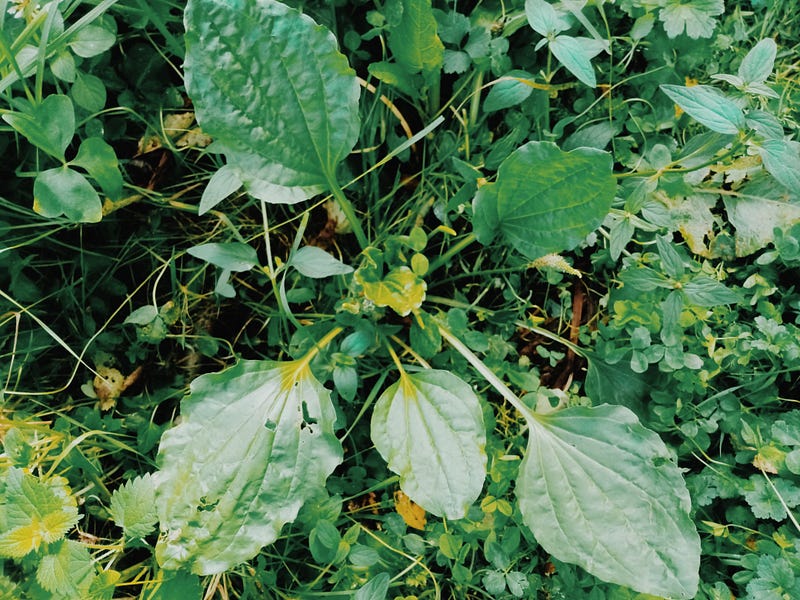
How to spot: Easily recognizable by its veined leaves, plantain can come in the large-leafed and skinnier-leaf varieties. Often found in pathways, fields, and un-mowed lawns.
Good for: Colds and flu.
2. Lemon balm
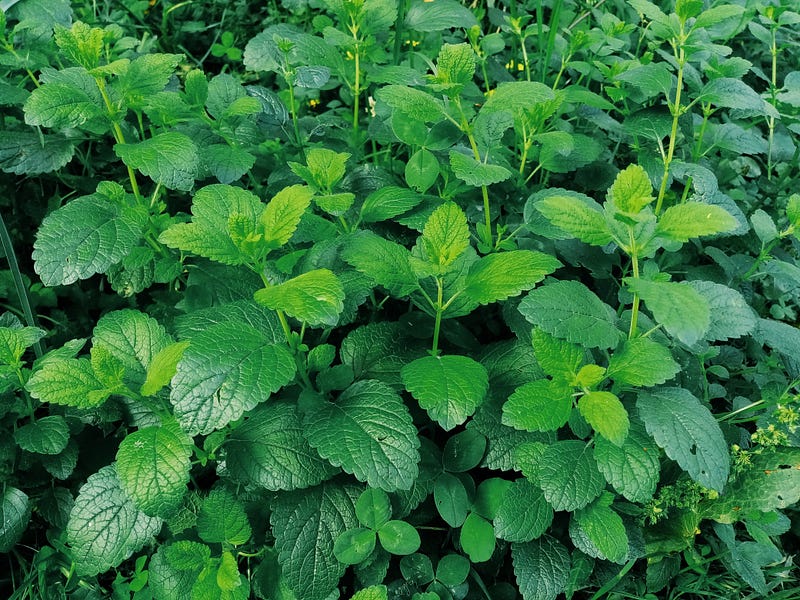
How to spot: Slightly shiny, light leaves. Smells lemony and fresh. It can be bought as a plant or found on pathways. Cuttings are easy to take and when left in water it will sprout roots, which are ready to plant.
Good for: Stress, anxiety, and insomnia.
3. Dandelion
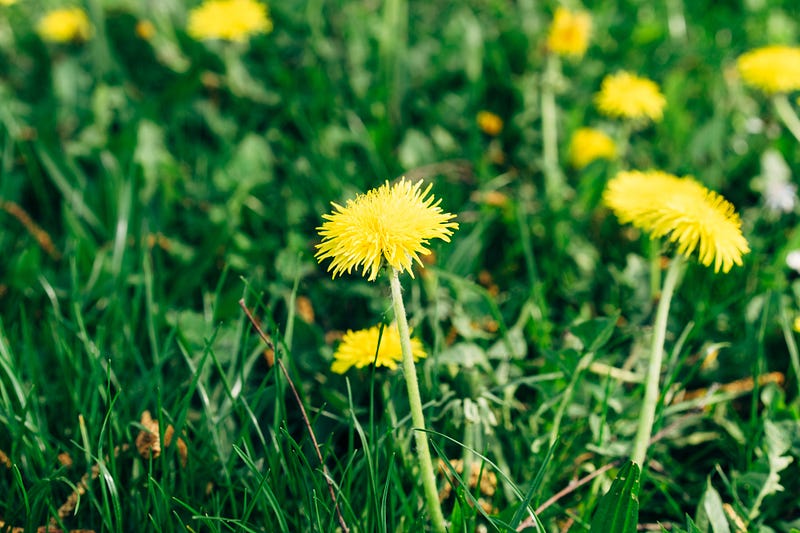
How to spot: An abundant plant that can be used in its entirety: flowers, leaves, and roots. Found in pathways, roadsides, fields, everywhere!
Good for: Digestion, immune boosting, anti-inflammatory.
4. Oregano
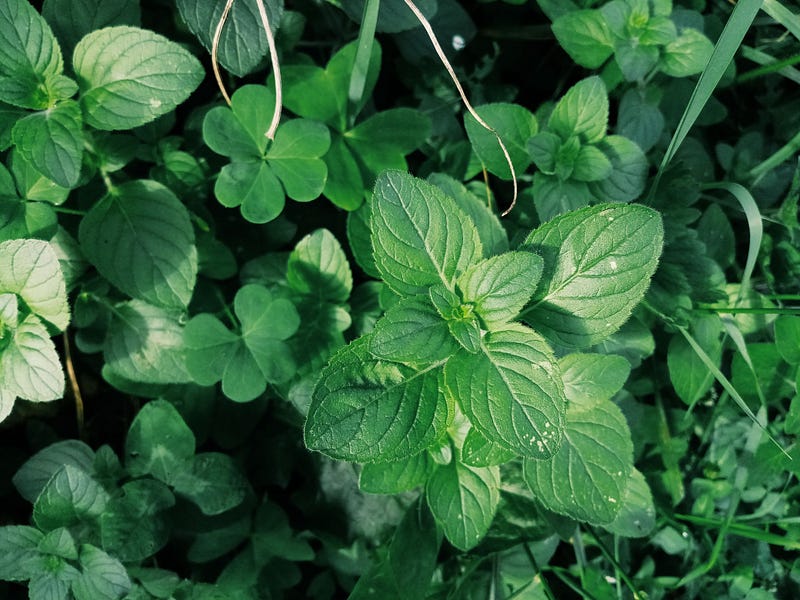
How to spot: There are a few different types, but the above is a commonly found wild version that has a distinct menthol smell. Rounded, slightly pale green leaves.
Good for: Inflammation, indigestion, muscle pain, and sore throats.
5. Mint
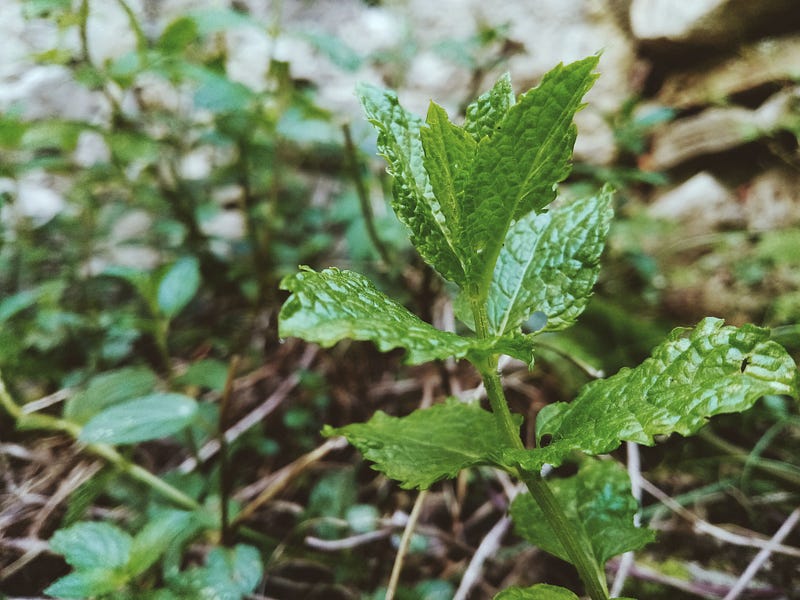
How to spot: Rich, thicker, and shiny leaves. Mint-like smell. There are many different varieties: Some can be found wild, and it is also very easy to grow in pots.
Good for: Sleep, stress reduction, immune system, and pain relief.
6. Calendula
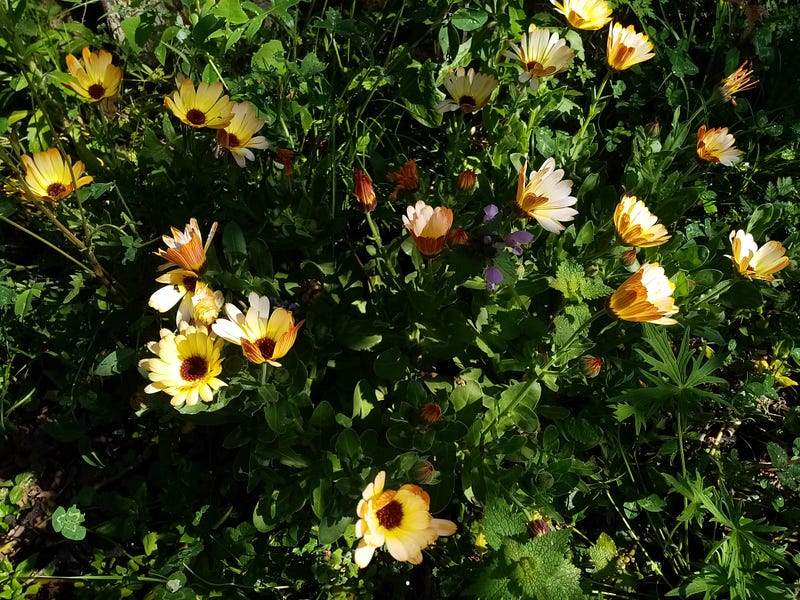
How to spot: Bright orange flowers make this sunny plant easy to find in paths and fields.
Good for: Skin, inflammation, energy, and soothing menstruation pains.
7. Fig
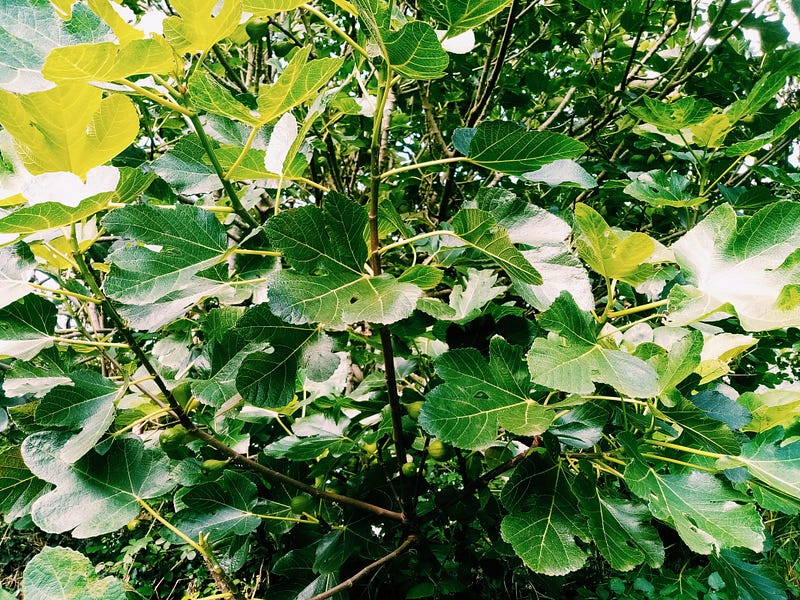
How to spot: Large curved leaves, thin-but-bendy brown branches, possibly with fruit. The leaves make a wonderful brew that tastes like coconut, vanilla, and fig. Yum!
Good for: Diabetes, sex drive, heart health, and cholesterol.
8. Fennel
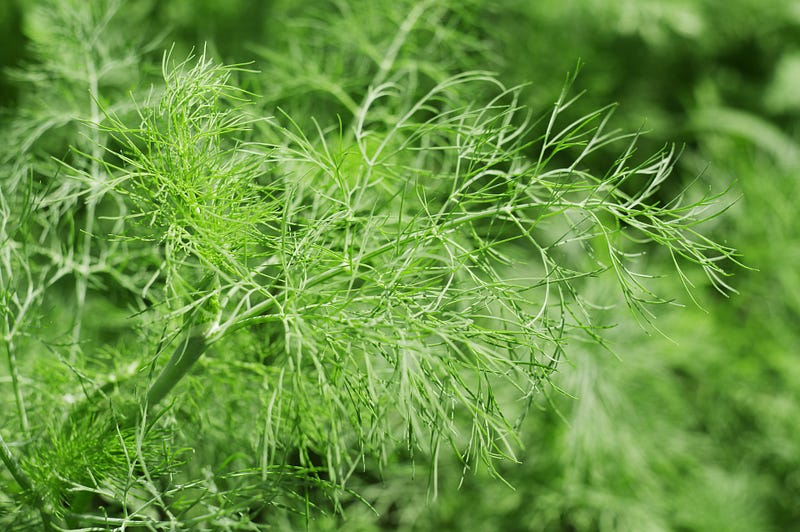
How to spot: Thin, wispy leaves very similar to dill. Smells like anise. Found in fields and pathways. Easy to grow in gardens or pots.
Good for: Digestion, blood pressure, and hormones.
9. Bramble
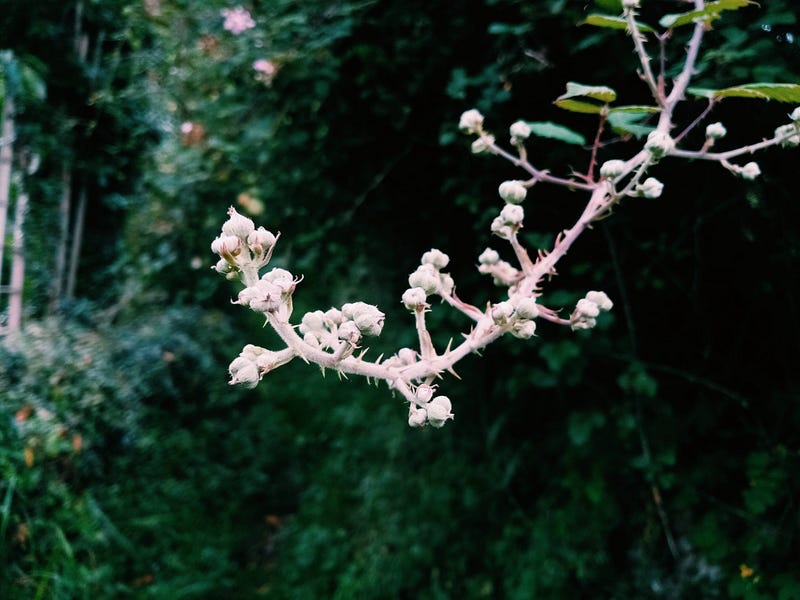
How to spot: They’ll probably find you first with their fierce spikes that stick out into paths! Use the tips, or new shoots, and the leaves for tea.
Good for: Sore throat, sore gums, and mouth ulcers.
10. St John’s Wort
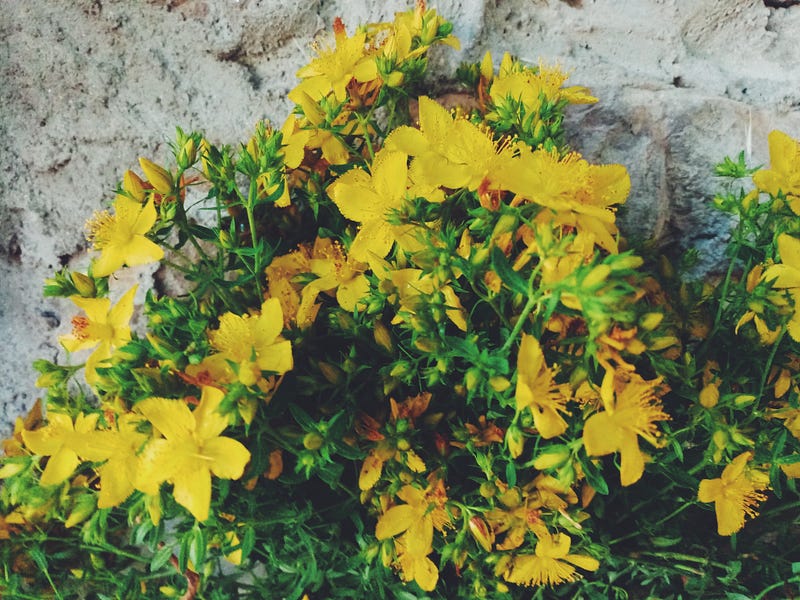
How to spot: Bright yellow flowers appear in late spring-summer. Use the flowers for tea.
Good for: Depression, mild anxiety, and insomnia.
11. Self Heal
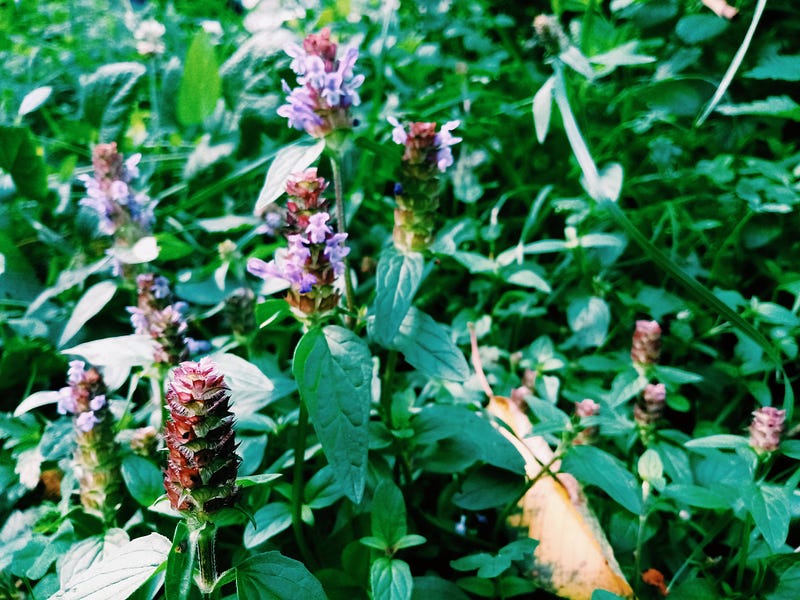
How to spot: Purple heads low to the ground with or without flowers. Found in fields and pathways. Harvest the heads and the leaves for healing brews.
Good for: Headaches, sore throats, and ulcers.
12. Nettles
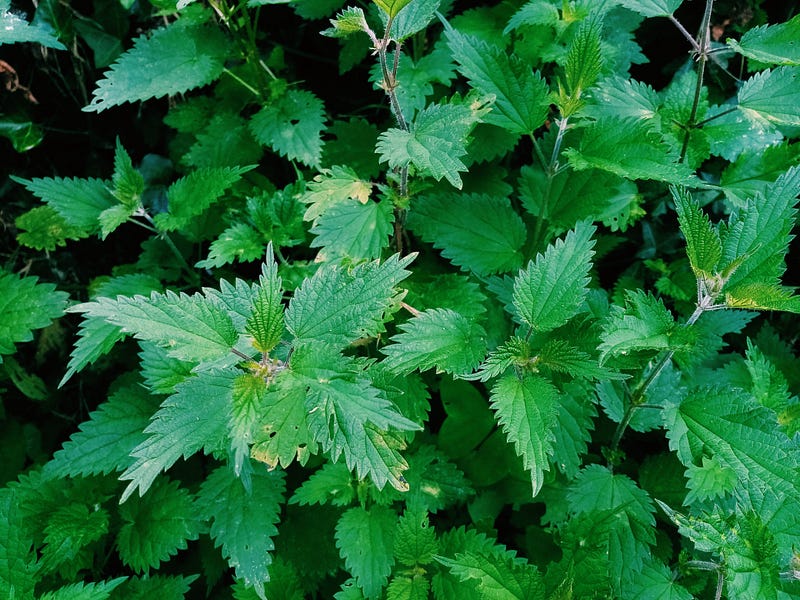
How to spot: Everyone knows what nettles look like, as usually we try to avoid getting stung by them! Be sure to wear gloves when harvesting or pinch the stem hard to avoid getting stung. They can be used fresh or dried — they lose their sting once dry.
Good for: Urinary tract health, arthritis, pain, allergies, and blood sugar management.
Herbs can be easily dried by hanging them up with string or in a paper bag. Once dry, they can be stored in glass jars or kept in their bags. I like to mix mine up into a digestive herbal blend!
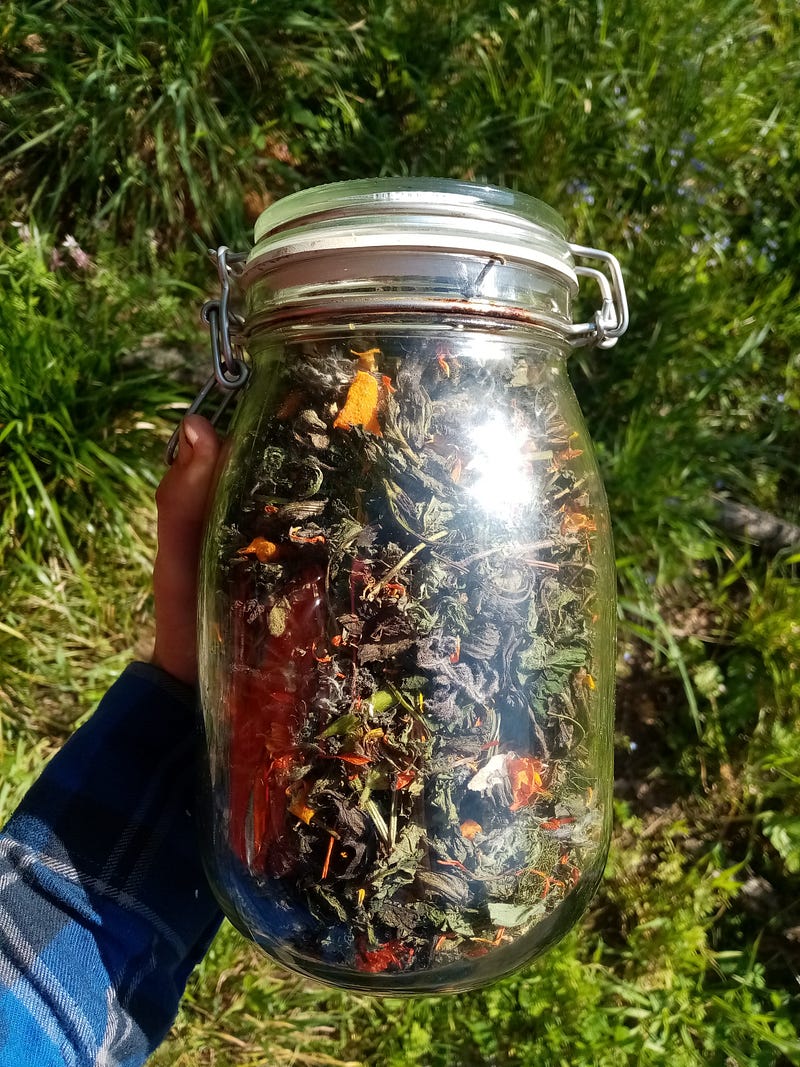
Other common tea plants to look out for are rosemary, yarrow, verbena, chamomile, chicory, mallow, pine needle, rose hips… the list goes on!
If your foraging curiosity has been piqued, it may be worth investing in a local or regional plant ID guide to help you find other useful plants around you.
Happy foraging!


