avatarEllie Belfield

Summary

The article discusses the discovery and uses of Prunella vulgaris, a medicinal plant known for its various health benefits and alternative names such as self heal or heal-all.

Abstract

The author recounts a personal experience of encountering Prunella vulgaris in a field, initially mistaking it for a protected mountain tea. Upon learning its identity and medicinal properties, the author is inspired to forage for the plant to make a herbal tea. Prunella vulgaris is praised for its historical use in treating a wide range of ailments and its potential in modern research for diseases like herpes, cancer, AIDS, and diabetes. The author emphasizes the plant's accessibility in the European countryside and encourages readers to share their experiences with plant medicines and the lengths they go to forage for them.

Opinions

  • The author expresses regret for initially leaving the Prunella vulgaris behind, highlighting its value as a medicinal herb.
  • There is an appreciation for the plant's taste, likened to black tea, suggesting its potential use as a caffeine-free alternative.
  • The article conveys a sense of adventure and dedication to foraging, as the author returns to the field to collect the plant despite the effort involved.
  • The author seems intrigued by the idea of locally sourced herbal remedies and promotes the concept of foraging as a means to connect with nature and its offerings.
  • The author values the Permaculture Women's Guild's online course, suggesting it as a resource for learning more about permaculture and its benefits.

Prunella Vulgaris: the wonder weed

Self heal, heal-all, woundwort, heart-of-the-earth, carpenter’s herb, brownwort and blue curls are just some of the names this flower go by.
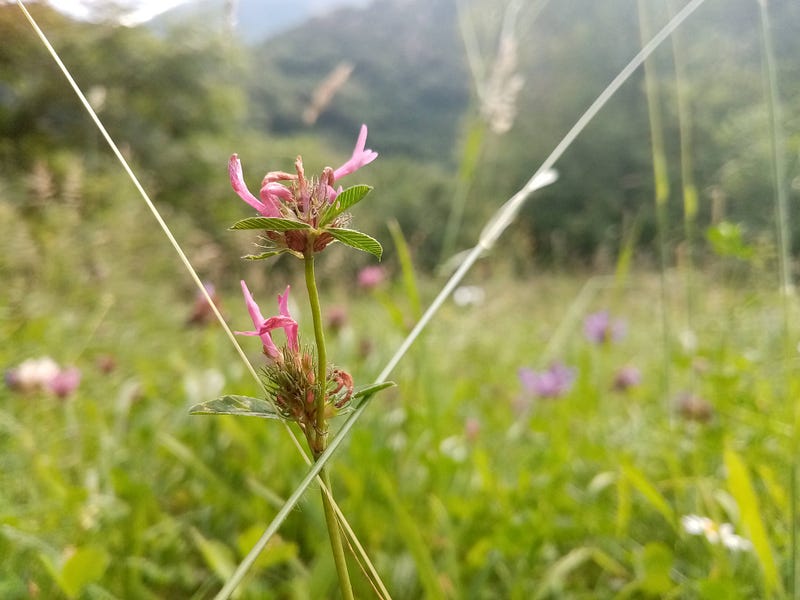
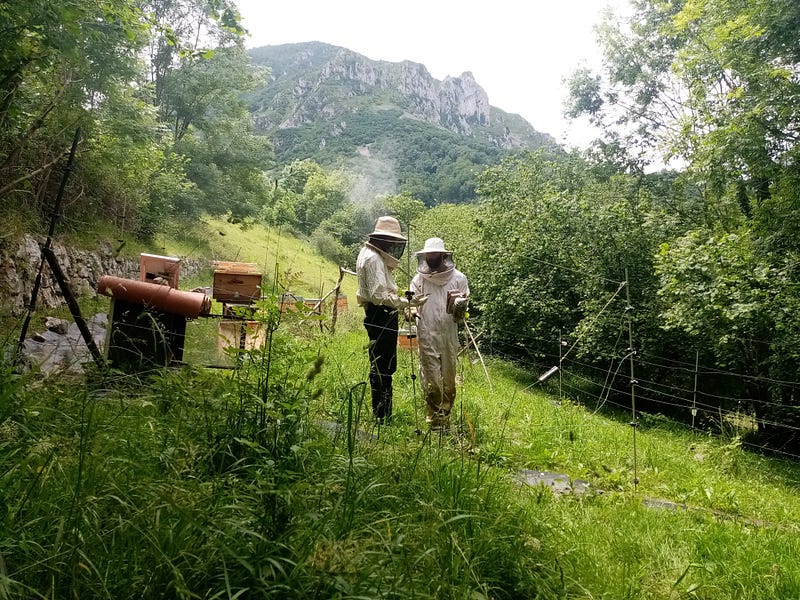
Lying in a field on a sunny Saturday, listening to the bees buzz as my friend and partner attended to the hives.
Purple heads sprang up from the earth all around me, and I tried to ask my friend via WhatsApp if this was the protected mountain tea that her friend picks from his cow fields.

I had no storage space on my phone to download a plant ID app, so as there was no reply, I popped one of the heads in my pocket and continued to amble around the fields and surrounding forest.

Later, when I got home, my friend had replied to say that no, it wasn’t the protected mountain tea, but it was something called prunella vulgaris.
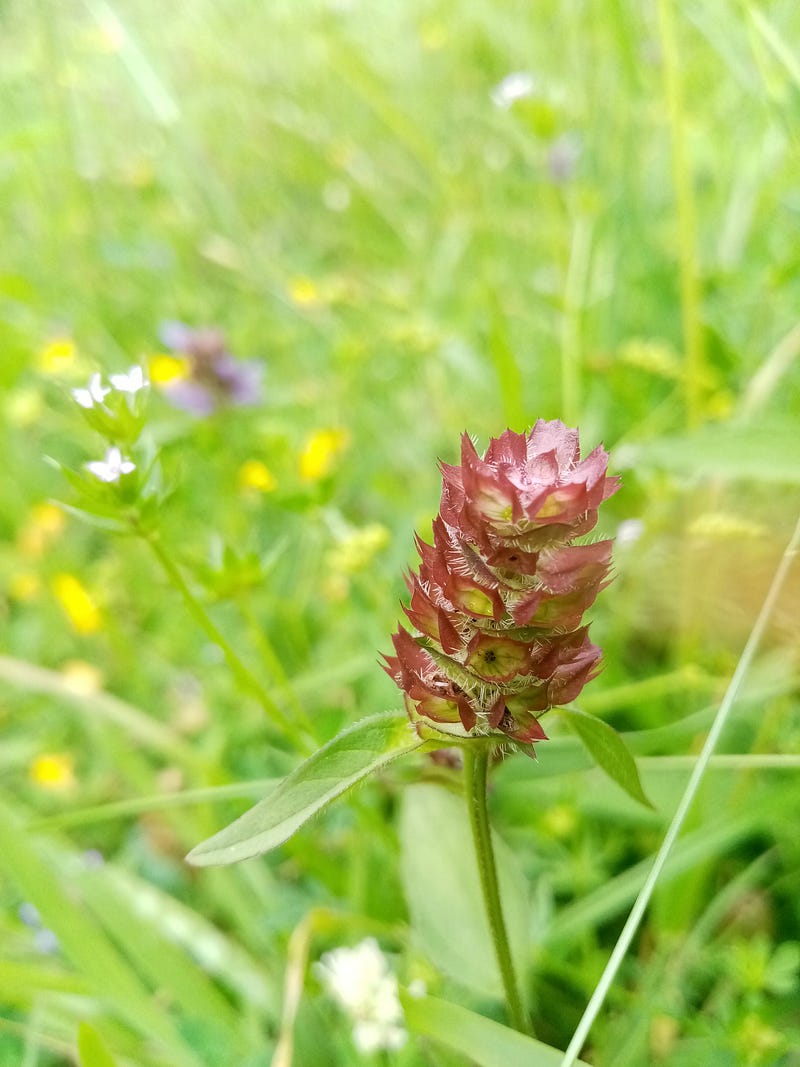
I looked it up and found that its other names such as heal-all come from the fact that, as a medicinal plant, it really does help everything.

‘Heal All has been used as an alternative medicine for centuries on just about every continent in the world, and for just about every ailment known to man’

Damn. What a shame I’d left it behind.

‘Prunella is taken internally as a herbal tea in the treatment of fevers, diarrhea, sore mouth and throat, internal bleeding, and weaknesses of the liver and heart. It is showing promise in research for herpes, cancer, AIDS, diabetes, and many other maladies.’

My friend’s field was a good hour’s walk uphill and it felt ridiculous to go back there after spending so long there before, plus it was already late.

But I still wanted the flowers.

I’d read that it tasted like black tea and thought it could be perfect for a locally sourced caffeine free version (heal-all chai anyone?)

So, I got in my car and drove back up the mountain, armed with my finest wicker foraging basket.
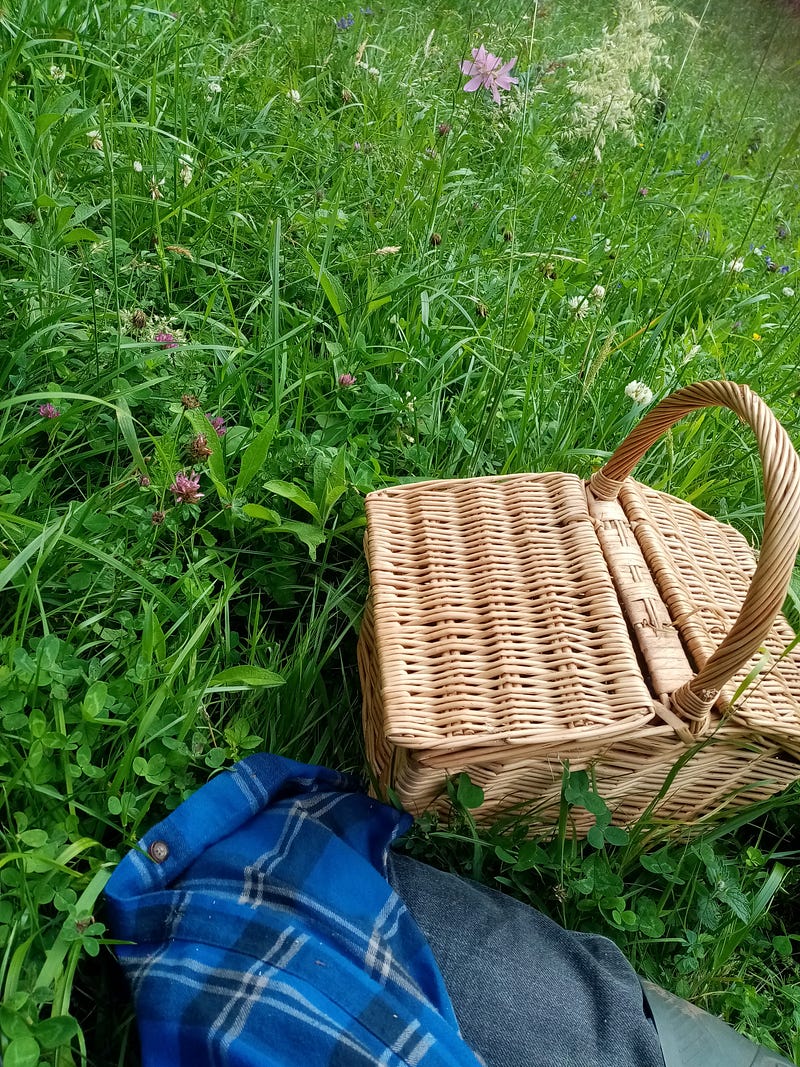
I filled the basket with heads, feeling so glad to have come back to the spot that faces a range of mountains, watching the sun cast shadows over the peaks.

It felt good to spend a Saturday collecting flowers for tea, and learning about a medicinal herb new to me.
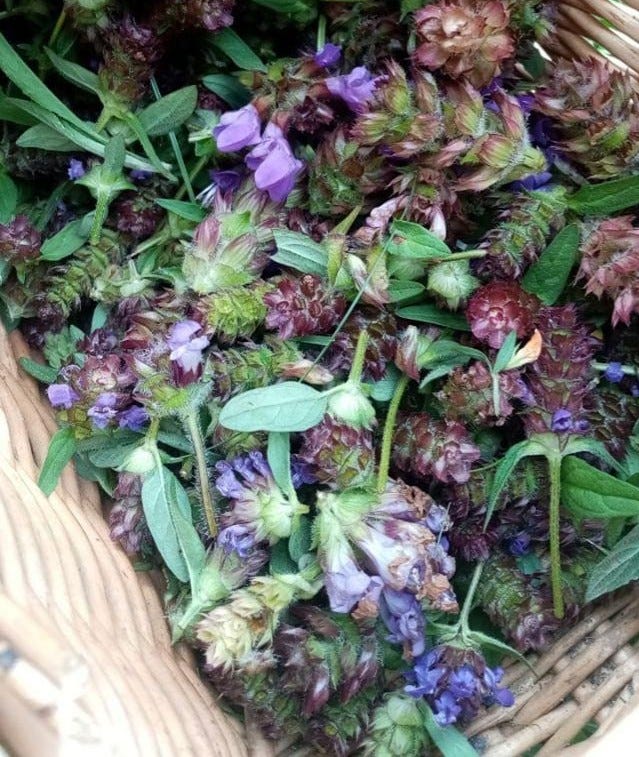
Has anyone else had experiences with this herb? Or know any other unusual plant medicines that can be found in the rolling hills of the European countryside?

How far will you go to forage the season’s gifts?

Foraging
Healing
Permaculture
Wildflowers
Weeds And Wildflowers
Recommended from ReadMedium