
The life of a nettle
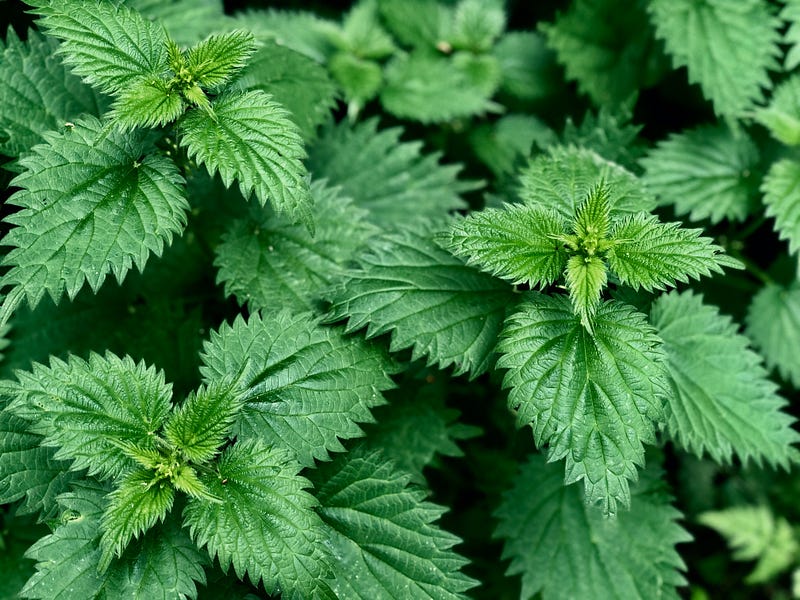
I grow easily and abundantly, though people only tend to notice me when I’m large and leafy.
Or when I sting.
It’s not that I don’t like people, it’s just that I must protect myself from being taken away.
I’ve been taken away so many times, you see, it pains me.
And if it’s not me, it’s my friends.
Sometimes I get lucky, hiding as a little seedling in the path whilst I watch my aunty being cut or ripped from the ground.
But it’ll only take a few weeks before I’ve grown to her height, towering over the path with my hairy stem, tiny little bristles thicken my trunk, whilst my delicate leaves splay out to reach for light.
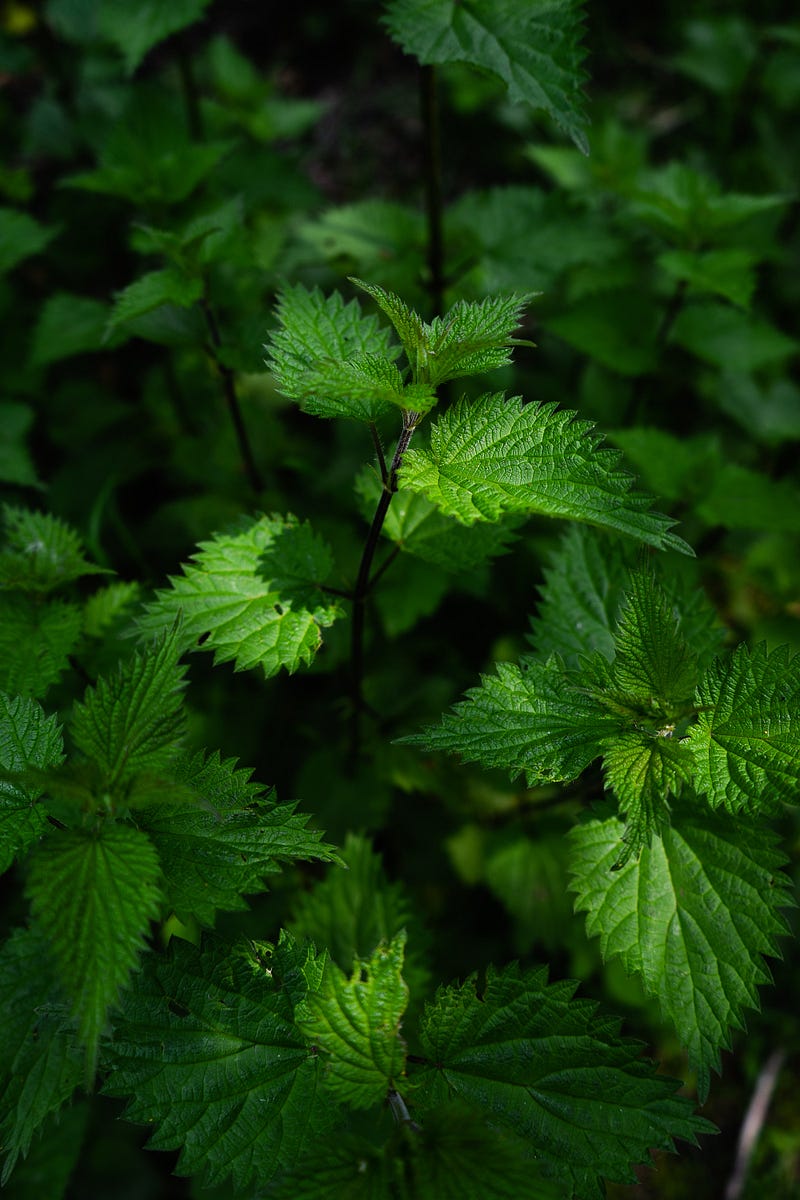
I like it when I’m able to reproduce, it’s so exciting to feel the baby seeds forming, shooting off from my stalk.
The best is when they get to pop off and scatter all over the ground.
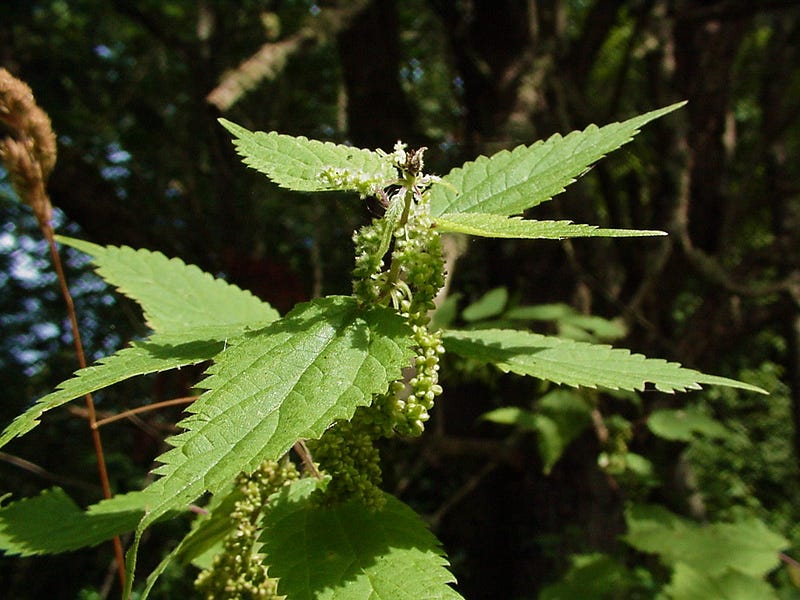
That’s why, in truth, it doesn’t really matter if I get harvested.
There’s always plenty more of me to go around.
And I don’t mind when I’m put to good use — composting with other plants, bulking out a soup, seeping my nutrients into a hot tea.
I’m very medicinal, but not everyone realises.
They feel the sting and they turn away, they think of me as an enemy to be destroyed.
Even though my friend the doc leaf always lives close by for those who need it.
And actually, if you squeeze me tight, just pinching my stem with two fingers, I can be touched and held with bare hands.
I’m great for the soil, I’m nitrogen-fixing, I’m drinkable, edible and wonderful in a tincture for soothing insect bites.
But I do like being left to my own devices.
My favourite home is in the forest, where I can grow and reach out my leaves as far as they can go.
Where I can stand peacefully with the dewdrops landing quietly on my outstretched arms.
Where I can calmly breathe out my fresh, leafy green smell to mix with the woody flavours of the forest.
Where no one will rip my roots out, cut off my top, or scream about my sting.
Where I can just be.


