
Zoomers — Generation Z
Zoomers: the “digitally native” generation
How is technology shaping the workforce of tomorrow?
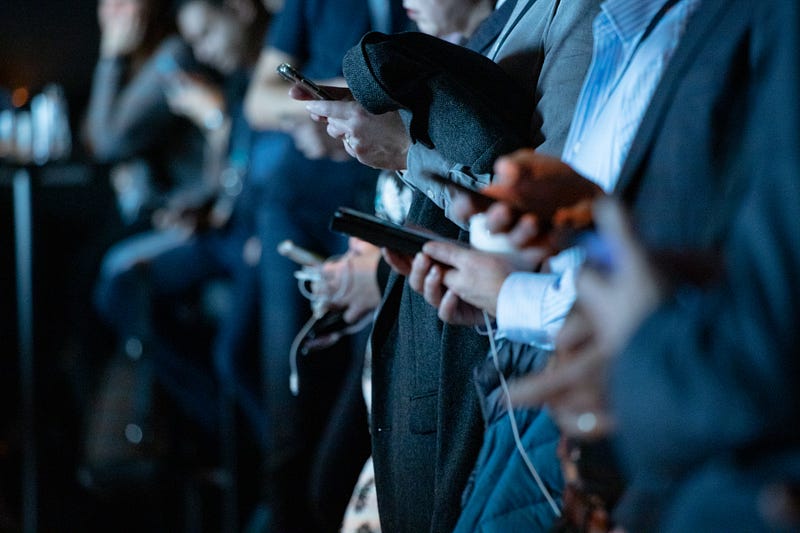
Observing the drastic changes in how we lead our lives today, I ask myself, what is causing this accelerated pace and lifestyle between the different generations?
It is incredible the difference between how my parents lived (Baby Boomer & Generation X), myself (a Millennial) and Zoomers today.
Without a shadow of a doubt, technology is responsible.
Zoomers use technology for almost every aspect of their life. From checking the weather app every morning, whereas Gen-Xers and even some Millennials would have physically walked to the window and looked outside or had to wait for the newspaper or broadcast on TV and radio.
While having breakfast, Zoomers will scroll through Instagram or Facebook, check the news, and listen to music while scrolling their favourite app on their way to school or work.
But despite these apparent benefits, technology is eradicating many fundamental values embedded in prior generations like trust, truth, and patience.
Trust:
Boomers, Gen-Xers and even Millennials believed in the importance of a solid education and hard work that would allow them to grow and secure a good job for life. These generations grew up believing that a good school, a good university degree, and a postgraduate degree to specialise in one job, then work and eventually retire.
Yet technology has revolutionised this traditional blueprint of our lives into one that could eventually transform the traditional, straightforward career path into a more of a spaghetti path and eventually eliminate the mainstream nine to five job that we all have today.
Since the industrial revolution, more than 200 years ago, the quick pace of technology integration in the workplace has seen many inventions designed to eliminate human labour.
Today, advancement in artificial intelligence and its application in the workplace is changing work as we know it.
Studies estimate that over 800 million jobs will be automated by 2030. Thus, the traditional career path blueprint is scrambled into the ambiguity that, for many Zoomers, one master’s degree won’t be enough for them to secure a stable job for life.
The American Psychological Association (APA) “Stress in America 2020 report” concluded that Gen-Z adults score much higher stress levels than other age groups and are characterised as stressed and distrustful.
We should not forget that the COVID-19 pandemic has upended the lives of Zoomers, and they are struggling with mental health issues. No one knows what the long-term consequences will be for this generation.
Truth:
Technology also offers a vast source of ideas and beliefs. Today, there are very few standards and restrictions for one to share his ideas, and the media’s role as a gatekeeper of truth is gone. Anyone can share anything on the Internet, regardless of its accuracy or truthfulness.
Lies spread faster than truth on the Internet: fake news, cyber propaganda, and social media abuse.
The concept of fake news is not new, but the platforms used are.
Today, software algorithms decide the content of our newsfeeds and are programmed to prioritise and optimise user engagement over truth. In many cases, technology is no longer giving us the truth but opinions and beliefs that don’t necessarily build on facts and scientific research.
Patience:
A recent study observed the web browsing habits of more than 6.7 million users and found that users were willing to wait just two seconds before deciding that the page was taking too long to load. Over 25% of users would leave the page after just five seconds, and after 10 seconds, half of the users were gone.
Our brains hate waiting, so technology is speeding everything up.
It is not surprising the diagnosis of attention deficit disorder has skyrocketed amongst Zoomers. According to a study reported by the BBC, the average attention span of adults has dropped from 12 seconds to 8 in less than a decade.
This massive technological shift has caused Zoomers to feel increased inner pressure and a need for instant gratification.
If Zoomers expect relationships and skills to work as fast as their Wi-Fi, they will have no resilience when it comes to the most critical parts of their lives that must be nurtured by their friends, families, communities, and passions.
Click this [link] if you want to receive my stories by email.


