
Yung Birmingham: The Avalanche (Part 3)
The Ultimate Chronicle of Birmingham’s Young Professional Evolution
I am celebrating 20 years in Birmingham with #20For20 — a series of reflections, insights and homages to my journey. Follow me on Medium, LinkedIn and Twitter to be notified of new posts.
Yung Birmingham: The Ultimate Chronicle of Birmingham’s Young Professional Evolution Part I: The Genesis Part II: The Pivot Part III: The Avalanche (read below) Part IV: The Legacy
My second post in this series really centered my own areas of focus in nurturing the spaces me and a handful of my peers were leading, including the Birmingham Change Fund and Birmingham Urban League Young Professionals, among other early movers like Catalyst4Birmingham. This post will offer a far more wide-ranging sense of what really happened over the next fifteen years to get us into the most current form of young professional leadership we see today.
For instance, Amy Bailey, founded MyScoop, an online fashion magazine that hosted periodic, upscale social events at locations like Bromberg’s in Mountain Brook and Saks Fifth Avenue, among others. No one was doing this in Birmingham at the time. Amy helped make a market for young professionals, small businesses and socialites to connect together while relationship-oriented brands find new customers.
Amy built a network and a demand so powerful that her event attendees wanted a collective identity. So, they created a spin-off organization called YP Birmingham, one of the pillar organizations of Birmingham’s young professional scene. What made YP Birmingham so unique is that they were not grounded in service or civic engagement whatsoever. It was a pure party. Some of civic snobs wrote them off, but many people attended their events anyway. It was an unabashed singles party and their event attendance was strong and e-mail list was massive reaching more than 1,000 people in any given month. The vibe was different from anything else happening at that time and proof that Birmingham could do more than one thing at a time. We needed (and still need) options for engagement. YP Birmingham eventually added a civic element to their mission and today, they continue partying and serving.
Of all the organizations founded in the early 2000s, none had a more steady approach or corporate support than the Rotary Club of Birmingham’s civic spawn — Rotaract Birmingham. This auxiliary was unique because it started from a position of distinctive strength given the size of the Rotary Club (the largest club membership in the entire world), the number of members sponsored by their corporate employers and the intangible benefit of having a bigger table to which Rotaract members could eventually matriculate. Rotaract Birmingham and the Birmingham Urban League Young Professionals had that in common — they did not create themselves, their were borne from a flagship with a seriousness about supporting spaces for young leaders to develop.
I knew Rotaract organizing founder, Mike Mahon and several of his co-founders, they were really good people and passionate about doing good work with a structure and discipline seldom seen among our rambunctious young professional crowd. They had a missionary zeal about their effort and, given the fact Rotaract was founded in 1968, they had a strong sense of what needed to be done and what success should look like.
As we approach the 20 year mark of the founding of many of these organizations, Rotaract Birmingham is a singularity among us in terms of contintuity of both leadership and membership, even as Mahon and his peers have been more than 15 years removed.
Two other organizations that made the young professionals movement matter in Birmingham were the United Way Young Leaders Society and my former employer, the Birmingham Regional Chamber of Commerce. Their value was not in their numbers — they did not command the same vigor and interest from young professionals participating in any of the aforementioned groups.
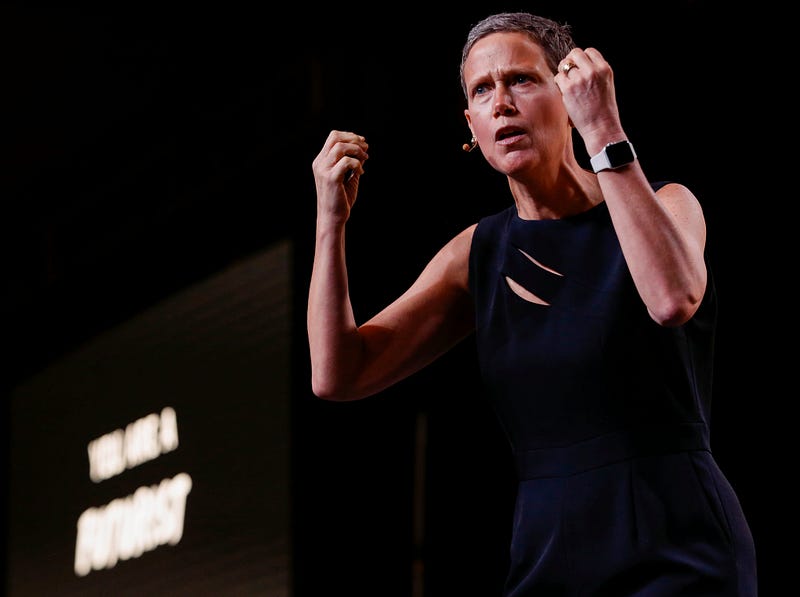
The value these anchor institutions provided was of validation and potential resource allocation — literally a seat at the table — for our generation of leaders. I was engaged in both organizations and can tell you that the efforts were fledgling, but they were earnest. The gray hairs were trying to respectfully engage their padawans. The Chamber even created two ex-officio Executive Committee seats (occupied by Deidra Perry Diaz and Blair Liggins) so they would have young professionals in the room as critical decisions were being made in the sacred space of the biggest table of all — the Chamber’s Executive Committee. And, the Chamber commissioned a brilliant young futurist and economist, Rebecca Ryan, to conduct a study on young talent and to share her findings at the Chamber’s annual meeting, signaling serious interest in the issue of young talent attraction and retention.
Growing City and State Influence
Following our pivot, Birmingham’s nonprofit organizations began launching YP organizations en masse. More than 40 young professional auxilaries were formed in Birmingham and more than 70 in major cities statewide over the past 15 years. Many were fledgling, but formed nonetheless.
Here is a full list of those organizations.
One of the natural outcomes of having so many young professional organizations was the dramatic increase in social events. By 2010 there were well-established and incredibly popular events that anchored the social scene, catalyzing new event spaces, bars, restaurants and other entrepreneurial endeavors.
The UAB Minority Health Research Center young professional group, spearheaded by entrepreneurs Donald Watkins, Jr. and Corey Hartman, created Casino Royale hosted at WorkPlay (an event venue owned by Alan and Hugh Hunter). This event was a mainstay for six years and attracted people of all generations during the first Friday in June of each year. Coincidentally, the Chamber’s African American Business Luncheon (I used to produce this event as well) was always the same day. It made for a pretty busy but exciting and kinetic weekend for Black Birmingham.
NOTE: We need more overlapping weekend events in Birmingham. That’s how South by Southwest got started, y’all. Get 10,000 people out for a weekend instead of 1,000. That is one strategy for attracting talent, tourist, growing businesses and leveraging our community identity. #coordinate
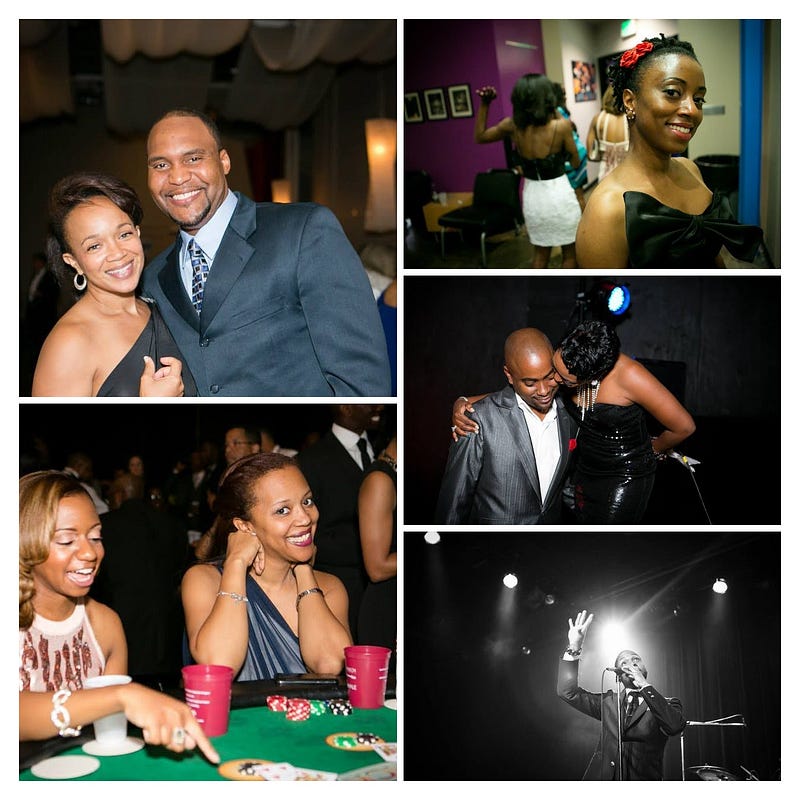
I added a more photos to this Google photo album — be encouraged to add yours.
And, the Birmingham Museum of Art’s Art on the Rocks was launched as a prelude to the formation of the museum’s junior patrons. Here we have another case of young leaders making a markeplace both relevant and revenue-generating.
These events and many more, including Birmingham’s First Fridays from Tanita Cain, served as important talent attraction and retention measures for our generation and those coming behind us.
In 2015, I served as the founding producer of the Alabama Young Professionals Summit — a statewide series of summits in Alabama’s largest cities hosted by my employer, Alabama Media Group. It was one of the more important projects I have led, bringing me full circle as I not only understood the dynamics of leading these organizations, but I just turned 40. It was a good time to “age out” of the young professional community, but still be deeply connected to the people and the ethos.
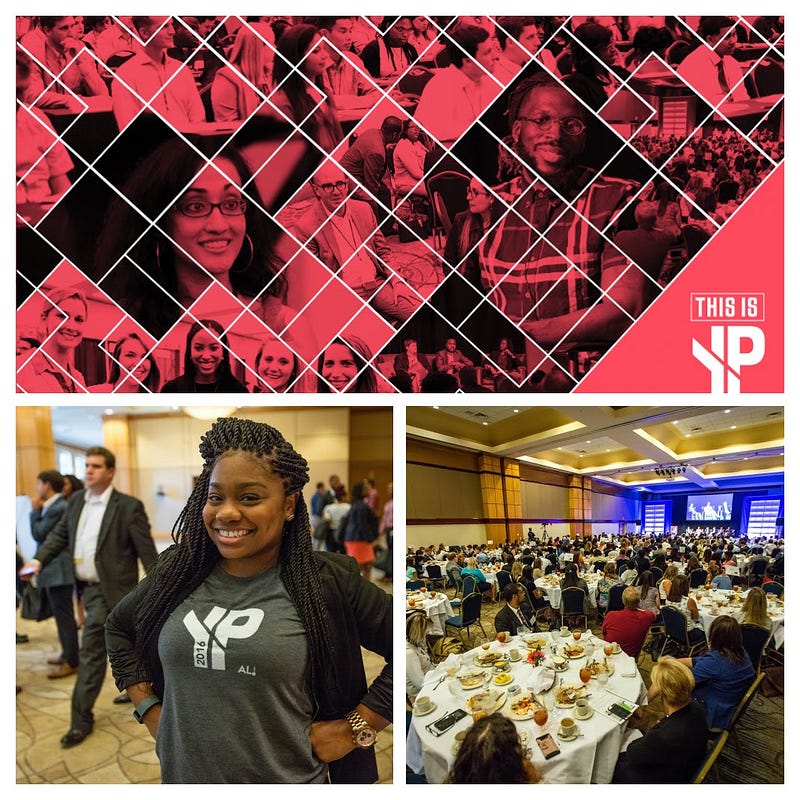
The YP Summit connected key influencers within and between major cities in Alabama. I had an opportunity to connect and speak with numerous young leaders, many of whom were rising in their communities. Here, I saw beyond Birmingham and into communities throughout Alabama to find some pretty amazing insights. It was very obvious that the gray hairs of our communities were truly not appreciating how much was energy and creativity was percolating right under their noses.
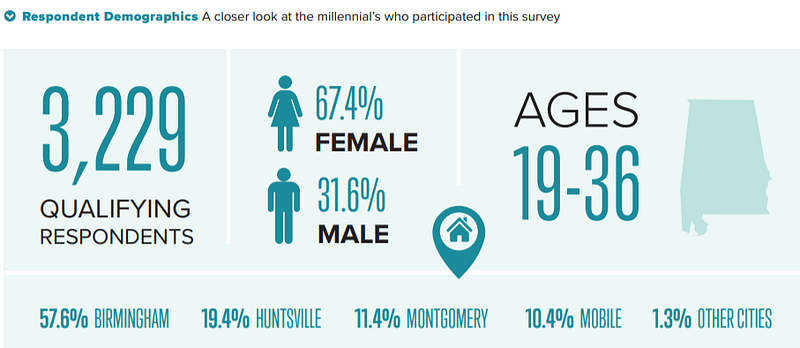
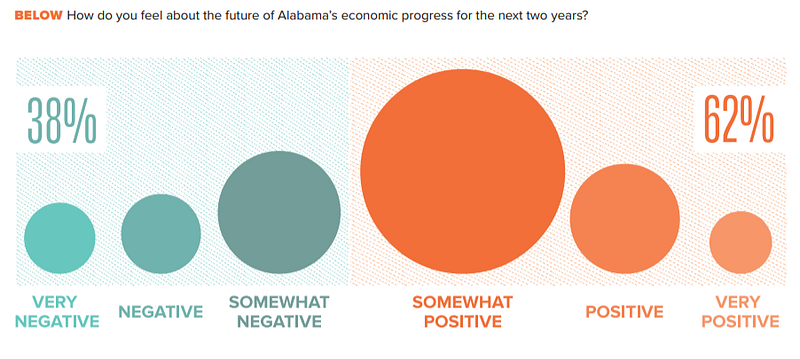
We commissioned a study of Alabama young professionals in partnership with Dr. Susan Fant at The University of Alabama. That study was underpinned by a massive survey promoted on AL.com. Who would have thought those little advertisements on AL.com would generate so much good, quality feedback? Although I was an employee of the company, it was my first “customer” experience and seeing how effective the our advertising products could be.
More than 3,200 people between the ages of 21 and 40 responded in a two week period. The survey was primarily oriented around buying habits — a smart way for us to generate real insights that could be helpful for our advertising clients — but there were other really valuable insights. Read the full report for yourself.
My work on the Alabama Young Professional Summit was the perfect segue for my transition into supporting young leaders in my role as campaign manager for the Woodfin for Mayor campaign. My next post speaks to my experience on that campaign, with the “gray hairs” and what this young professional legacy means to me.
READ Yung Birmingham Part IV: The Legacy
I am celebrating 20 years in Birmingham with #20For20 — a series of reflections, insights and homages to my journey. Follow me on Medium, LinkedIn and Twitter to be notified of new posts.


