
EATING HEALTHY
You Obsess About Protein for the Wrong Reasons
What you should know to prioritise your health.
When people started telling me I wouldn’t have enough protein, I began researching the subject and realised that they were on the wrong track.
Given that it is a structural element of every cell in our body, protein was naturally the first concern when I wanted to switch to a plant-based diet. I discovered that in order to stay healthy, I should pay attention to the type and quality of protein rather than the quantity I eat.
We eat far too much of it.
Our Western hemisphere diet is too rich in meat and many people still equate protein with animal-based food.
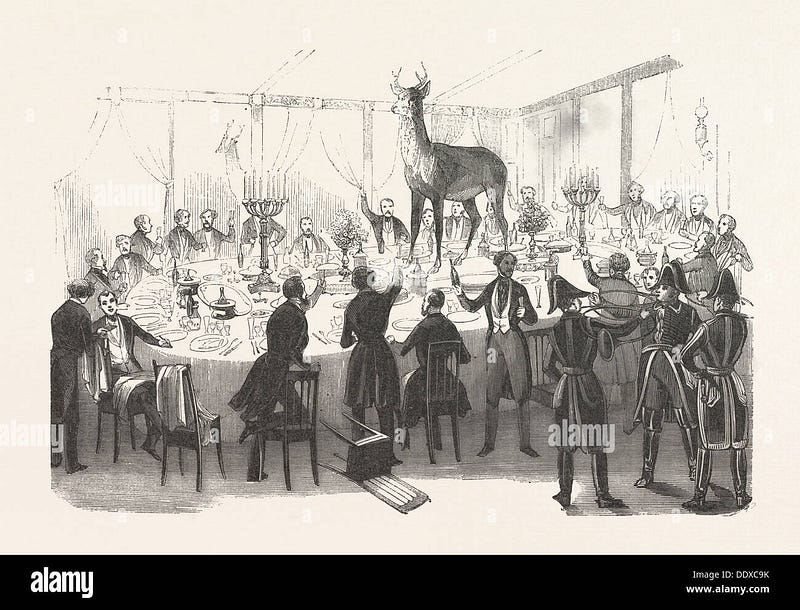
We inherited this cultural bias from the 19th and early 20th century nutritional “studies” dominated by elitism and colonial arrogance. Protein intake, i.e. meat, was a symbol of civilisation itself. It was considered that civilised and rich people ate plenty of meat, and primitive and poor ate simple plant food like bread and potatoes, which made them lazy and inept.
In the early 20th century a prominent English physician, Major McCay, was stationed in India to identify good fighting men in the Indian tribes. He said that people who consumed less meat were of a “poor physique, and a cringing effeminate disposition.”
Doctor T. Colin Campbell, a renowned nutritional biochemist who specialises in the effect of nutrition on long-term health, states that in a healthy diet our daily calories composition should approximately be:
- 10% protein, about 50g for an average adult man
- 10% fat
- 80% complex carbohydrates.
UN Food and Agriculture Organisation data shows that we eat at least 3 times more meat than this. Daily meat consumption per capita in industralised countries exceeds 150g!
Eat meat and milk to be healthy and strong - wrong!
Most of us have been taught that nothing can replace animal protein. It is complete and thus considered of the best quality, because it contains all 9 essential amino acids that our body cannot produce by itself.
There is however the other side of the completeness coin. Animal protein is by nature a “dirty” protein that can be detrimental to our health. Even when animals are raised in the best possible conditions, without recurring to antibiotics, and eating crops without GMOs.
- Affecting our immune system Animal food does not contain any fibre which is essential to our gut health and thus to our immune system strength.
- Impacting bone health Animal protein is an acidic type of food that requires our body to neutralise the increased acidity by leaching calcium from our bones. Over time, this can be harmful to our bone health.
- Introducing cholesterol Most animal foods contain saturated fat and cholesterol, even the so-called “lean meat”. Since our bodies synthesize all the cholesterol we need for our physiologic functions, we do not need to consume any. Eating cholesterol increases our risk of developing cardiovascular diseases.
- Provoking inflammation Eating animal food facilitates the creation of TMAO, a substance that injures the lining of our vessels, creates inflammation, and facilitates the formation of cholesterol plaques in our blood vessels.
- Promoting cancer Animal protein stimulates the production of a growth-promoting hormone in our body. This hormone has been consistently associated with increased cancer risk, proliferation, and malignancy. For example, casein, which makes 87% of cow’s milk protein, promotes all stages of the cancer process.
Clean and healthy protein
It is true that the majority of plants do not contain “complete” proteins. Even though hemp, quinoa, buckwheat or spirulina, for example, are considered to be complete since they contain all 9 amino acids in sufficient quantities.
Combinations of plants, however, do provide all the protein we need. Even more so as we do not need to have all 9 amino acids in one single meal. The objective is to have them in a day, combining all our meals.
Eating a varied whole food plant-based diet virtually guarantees you to get all the amino acids with very little effort. And there is absolutely no need for supplements or fancy protein powders.
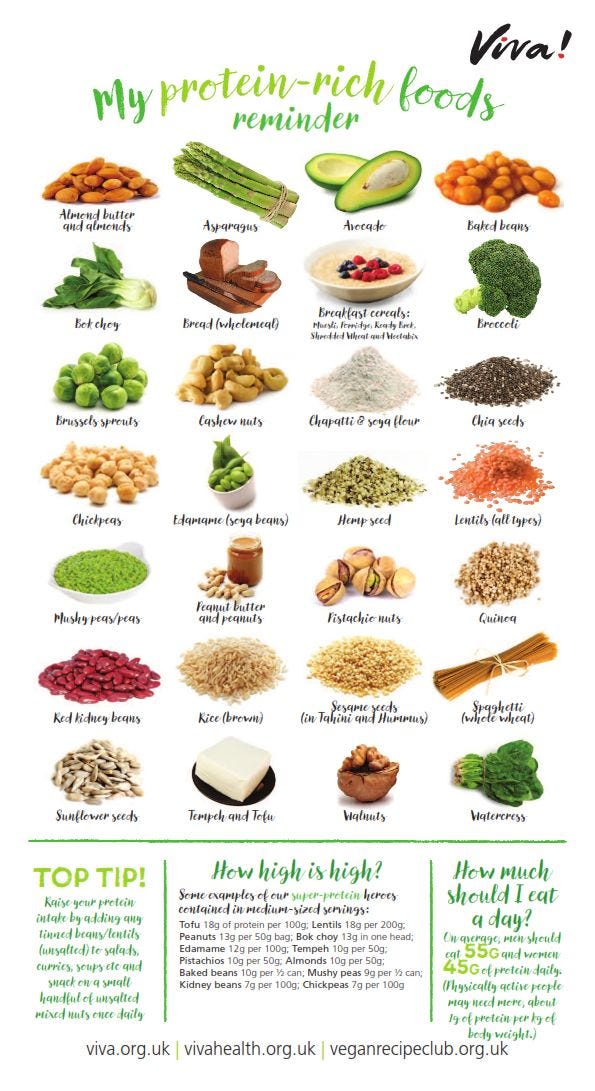
Research shows that plant protein is much healthier than animal protein because it comes in a package with fibre, among other nutrients, that feeds our gut bacteria and keeps us in good health.
Choose your protein wisely because:
“Our food choices have an incredible impact not only on our metabolism, but also on the initiation, promotion, and even reversal of disease, on our energy, on our physical activity, on our emotional and mental well-being; and on our world environment. All of these separate spheres are intimately interconnected.”
From “The China Study” by T. Colin Campbell, PhD and Thomas M. Campbell II, MD.
Years ago, due to personal health reasons, I started paying attention to what the food products were made of. I so much wanted to understand exactly what I was eating, that I ended up co-founding a food-tech startup around the subject.
We decoded the packaged food products’ composition to help people know what they eat in one click and thus make healthy food choices.
I also have formal education in nutrition, as well as plant-based nutrition, and am an amateur plant-based chef.


