
EATING HEALTHY
You Better Feed That Internal Zoo of Yours If You Want to Stay Healthy
The little creatures work their butts off to keep you healthy.
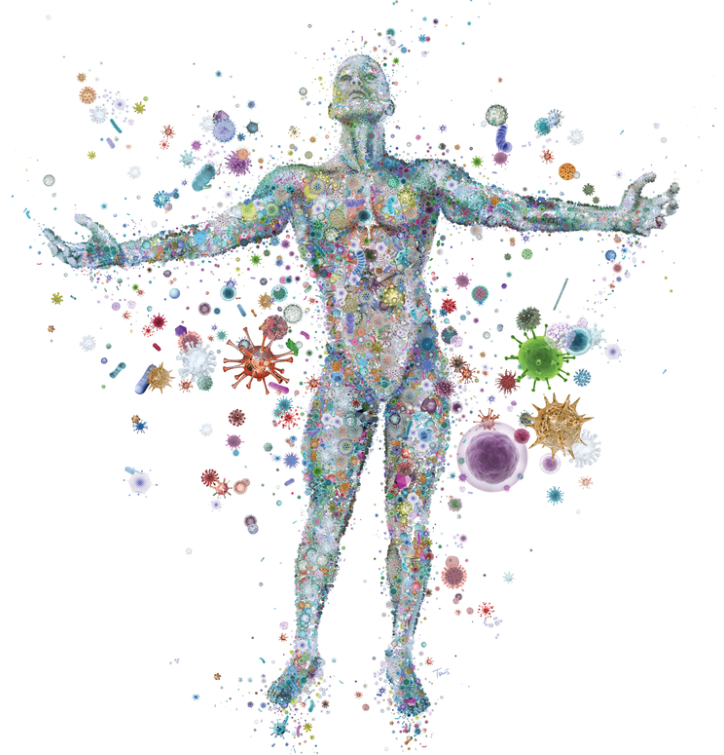
You know how much is a trillion? 1 and 12 zeros!
There are trillionS of little creatures living in our gut: bacteria, archaea, fungi, and viruses. The whole universe…
They are so important in volume, and the role they play, that many scientists consider them to be an organ on their own, called microbiome.
The microbiome is extremely complex, weighs about 2 kilos, and has a huge impact on our short and long-term health. It’s bigger than an average human brain!
Many people close to me, friends, are neglecting their microbiome by eating mostly (or exclusively) animal protein and fat for the sake of dropping kilos quickly. The popular meat and fat-based weight loss diets, you probably know which ones I am referring to, are starving the little creatures and jeopardizing our health.
Let’s see why is nurturing our microbiome crucial.
The most important scientific discovery in healthcare
According to James Kinross, a microbiome scientist and surgeon at Imperial College London, the gut microbiome is the most important scientific discovery in healthcare in recent decades.
Our gut microbes do things the gut cannot do. They liberate or synthesise nutrients from food, especially from plants, producing a multitude of useful chemicals, vital short-chain fatty acids that maintain the gut and colon healthy.
They basically keep our immune system in check and fight free radicals to prevent infections, like Covid or cancers, for example.
Even our disposition to depression or anxiety is clearly impacted by our gut microbes.
Kimberley Wilson, a psychologist and author of “How to Build a Better Brain”, uses nutrition as part of her treatment plans, and affirms:
“The short-chain fatty acids produced from microbial fermentation of fibre [in the gut] are quite similar to some mood-stabilising prescription drugs.”
She continues by saying that certain types of fibre can even improve complex cognitive processes.
James Kinross, a microbiome scientist mentioned above, says:
“The microbiome is associated with everything. Pick a disease, it’s associated. The microbiome is like a convergent science — you have to be an ecologist, a geneticist, a bioinformatician, a clinician and an epidemiologist, to try to make sense of it.”
Diversity is the key
Similarly to our human society, the health of the microbiome depends largely on its diversity. Approximately 300–500 different microbe species are necessary to keep our gut healthy.
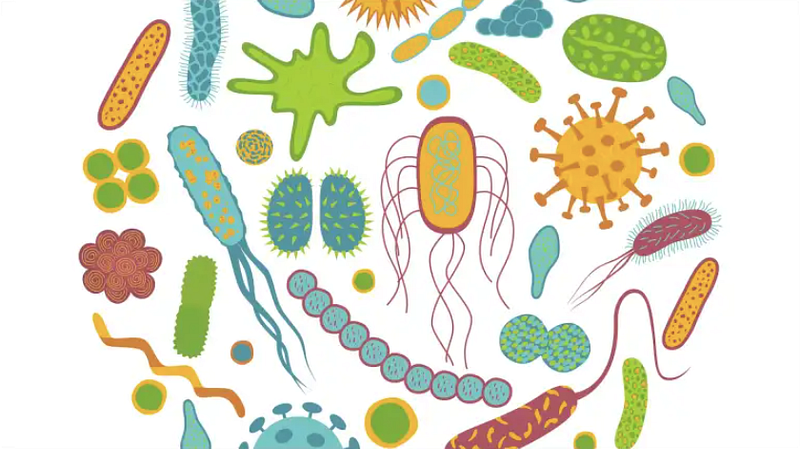
Experts affirm that we have lost an important number of microbiome species over the past 80 years, or since we started using antibiotics. Mostly those microbes passed from mother to child during birth, via breastmilk and skin contact. The reasons for that are not very clear, anything from antibiotics to “cleanliness” in our homes can be the cause.
An overload of chemicals in highly processed food and the lack of fibre in refined foods are probably the biggest culprits and we should avoid eating them as much as possible.
No two persons have the same microbiome. Even the twins share only about 30% of it. Our varying gut microbes may be the reason for the big differences in our individual responses to food: why some of us can tolerate particular foods better than others, or why one person puts weight while another doesn’t when eating the same foods.
Discovering more about this fascinating organ of ours will enable us to tailor specific individual diets to fight obesity, prevent all kinds of infections and inflammations, and protect brain health.
You should obsess about fibre as much as you obsess about protein
In the meantime, you should know that your tiny health guardians feed on fibre and need about 30g of it a day.
To give you a reference point, the average daily fibre intake in the “developed” countries is only about 10 to 15g.
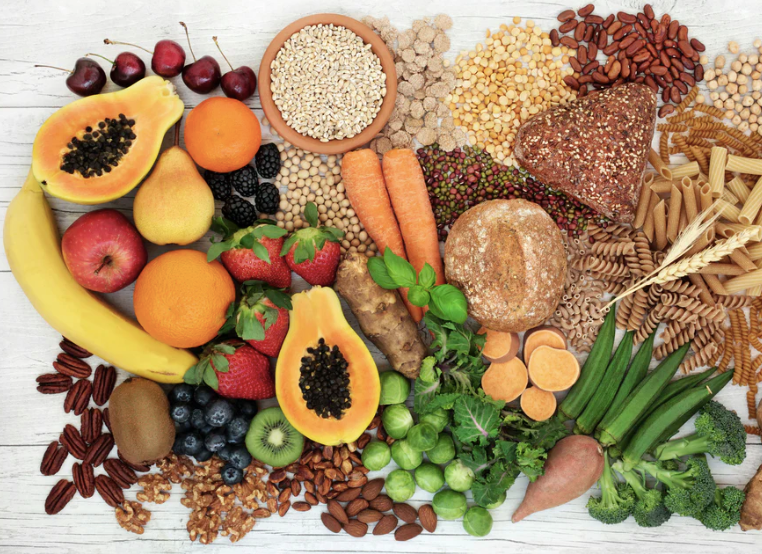
The high-fiber foods happen to be nutrient powerhouses too: lentils, beans, chickpeas, green peas, edamame, chia seeds, wholegrains (pasta, bread), oats, broccoli, brussel sprouts, celery, kale, seaweed, apple, pear, raspberries, blueberries, almonds, sunflower seeds…
A few examples of how much fibre some of them contain:
1/2 Cup of kidney beans - 5,5g of fibre
Cup of cooked broccoli - 3g of fibre
Cup of oats - 4g of fibre
Cup of raspberries - 8g of fibre
1 pear - 5g of fibre
To make it simple, eat a plant-rich diet with added seeds and nuts and you should be fine.
Fermented food is very good for our gut health too, like kombucha, kimchi, sauerkraut, or various fermented veggies traditionally prepared for the winter in the Balkans (zimnica).
Also foods rich in polyphenols like dark chocolate and cocoa powder, flaxseeds, herbs and spices (oregano, sage, thyme, rosemary), olives, chestnuts, hazelnuts…
Avoid highly processed foods especially cured meats and meat products, as well as refined products.
Let kids get dirty and play with animals because research shows that the gut’s population is seeded in early life. Permitting them to dig in the soil and be around domestic animals can reverse much of the harm that our modern lifestyle inflicts on their microbiomes.
Now that you know, take good care of that amazing internal zoo of yours.
Years ago, due to personal health reasons, I started paying attention to what the food products were made of. I so much wanted to understand exactly what I was eating, that I ended up co-founding a food-tech startup around the subject.
We decoded the packaged food products’ composition to help people know what they eat in one click and help them make healthy food choices. I became the small-typo ingredients lists, and especially food additives, nerd.
I also have formal education in nutrition as well as plant-based nutrition, and am an amateur plant-based chef.


