“Live Baby Live”</i> released in late 1991 is a testament to this — and possibly one of the best live albums ever recorded.</p><p id="c599">From those dizzy heights, the decline was Hemingway-esque; <b>“slowly at first and then suddenly all at once.” </b>They put out three more albums in the 90s — none of them devoid of hits — but all of diminishing quality and popularity, and by 1997, <b>Michael Hutchence,</b> the magnetic lead singer, was dead of an apparent suicide.</p><p id="f843">The anniversary was just last week, and I remembered very well where I was when I heard the news.</p><div id="ff9d" class="link-block">
<a href="https://readmedium.com/never-tear-us-apart-where-were-you-when-michael-hutchence-died-6802b5a390c0">
<div>
<div>
<h2>Never Tear Us Apart: Where Were You When Michael Hutchence Died?</h2>
<div><h3>Prague, and a convergence of music 25 years on.</h3></div>
<div><p>medium.com</p></div>
</div>
<div>
<div style="background-image: url(https://miro.readmedium.com/v2/resize:fit:320/1*Ms5vtzhbm6vhEzKzjb7Edg.jpeg)"></div>
</div>
</div>
</a>
</div><p id="fec7">The lead single on <i>“X”</i> was “Suicide Blonde,” an on-brand INXS stomper about unrequited love to a woman who could never be held down. It’s a lively song with a great groove and lent itself well as the opening number to many of their shows that would instantly bring the crowd to its feet, but is not much of a departure for this band.</p><p id="f496">However, it’s the third song on the album, <b><i>The Stairs</i></b>, where things slow down a bit and get a little pensive, and the music and lyrics conspire to make us take a moment to give some thought to the nameless people that we cross paths with every day. What goes on behind everyone’s closed doors?</p><p id="7da9">It’s a slow burner before it soars, this one. Entering on a rather soothing piano chord refrain provided by Andrew Farriss, a drum loop courtesy of Jon Farriss, and a gentle rhythm guitar riff by Tim Farriss, we can finally hear the strains of Kirk Pengilly’s lead guitar at 1:04 as the song crackles to life. The bass of Gary Garry Beers (great name) enters the fray at 1:19, and the song begins to move us somewhere.</p><p id="bc09">Hutchence’s restrained vocal joins in at 1:41 with the snare drum, and a scene is painted of <i>“a room above / busy streets / echoes of a life / the fragments and the accidents / are separated by incidents.” </i>Everything that happens in our little lives has a flow, but things happen randomly in a kind of “Sliding Doors” kind of way.</p><p id="fe59">We are all moving through life, and we all have a story, but perhaps we are all too wrapped up in our own to see another’s unfolding at the same time.</p><blockquote id="70ae"><p>“Listen to the walls</p></blockquote><blockquote id="dd85"><p>We share the same movements</p></blockquote><blockquote id="1c05"><p>Repeated in the corridors</p></blockquote><blockquote id="8a1b"><p>We pass each other</p></blockquote><blockquote id="0765"><p>Storey to storey</p></blockquote><blockquote id="4560"><p>Building to building</p></blockquote><blockquote id="53a1"><p>Street to street</p></blockquote><blockquote id="0d61"><p>We pass each other”</p></blockquote><p id="b1cd">Heads down, collars up, gazes averted, attention on something else…when all we really want is a bit of attention, a bit of notice, a bit of humanness to come our way.</p><p id="3db0">It’s almost like they knew that the Smartphone was coming and what it would lead to: More connected than ever before and yet more unconnected at the same time.</p><p id="88b8">The point has been made that we aren’t paying attention to what’s right in front of us, and it’s here that the song really takes off, around 2:50, in a 35-se
Options
cond passage that is as powerful, affirming, and sweet as it would ever get for this band.</p><blockquote id="6f51"><p>“The nature of your tragedy</p></blockquote><blockquote id="8bff"><p>Is chained around your neck</p></blockquote><blockquote id="acb0"><p>Do you lead?</p></blockquote><blockquote id="ecac"><p>Or are you lead?</p></blockquote><blockquote id="83ab"><p>Are you sure that you don’t care?</p></blockquote><blockquote id="aadd"><p>The are reasons here to give your life</p></blockquote><blockquote id="300d"><p>And follow in your way</p></blockquote><blockquote id="c48a"><p>The passion lives to keep our faith</p></blockquote><blockquote id="0a3c"><p>Though all are different, all are great”</p></blockquote><p id="3487"><b>“Are you sure that you don’t care?”</b></p><p id="a72f">In that one moment, we are asked, for all the walling off we do of our interior lives, for all the time we spend keeping our armour on to protect ourselves, for the energy we put into not pursuing what really sets us on fire, is it true that we can’t be affected by those around us? Don’t we need them?</p><p id="067d">Hutchence is now belting it out at 3:25 as the song sustains and does not yet let go of the energy and force it established earlier.</p><blockquote id="e6c6"><p>“Climbing as we fall</p></blockquote><blockquote id="a7bb"><p>We dare to hold on to our fate</p></blockquote><blockquote id="d3e4"><p>And steal away to our destiny</p></blockquote><blockquote id="74e9"><p>To catch ourselves with quiet grace”</p></blockquote><p id="bc64">The high notes of his vocal in the repeated chorus only underline this and take us into the bridge at 3:56 with a yearning yet hopeful guitar solo that begins at 4:05.</p><p id="c9a4">There is one more exhortation to “listen to the walls,” and we are led into one more soaring chorus at 4:39. There is no fade out, just the last vocal notes that hang in the air for a minute and are gone.</p><p id="478c">Just like the all too brief smile of that person you locked eyes with for an instant on the subway this morning.</p><p id="5716">Here they are, absolutely nailing it in front of tens of thousands at Wembley in London.</p>
<figure id="6e32">
<div>
<div>
<img class="ratio" src="http://placehold.it/16x9">
<iframe class="" src="https://cdn.embedly.com/widgets/media.html?src=https%3A%2F%2Fwww.youtube.com%2Fembed%2FN8CIBNJB2FM%3Ffeature%3Doembed&display_name=YouTube&url=https%3A%2F%2Fwww.youtube.com%2Fwatch%3Fv%3DN8CIBNJB2FM&image=https%3A%2F%2Fi.ytimg.com%2Fvi%2FN8CIBNJB2FM%2Fhqdefault.jpg&key=a19fcc184b9711e1b4764040d3dc5c07&type=text%2Fhtml&schema=youtube" allowfullscreen="" frameborder="0" height="480" width="854">
</div>
</div>
</figure></iframe></div></div></figure><p id="7674">If you have made it this far, it will occur to you that if this is #32 in this series, then there must be 31 previous ones. This is a correct assumption, and here I will link #31. At the bottom of it, you will find a link to #30; at the bottom of it, you can — if you so choose — be taken to #29. This ingenious system that I thought up all by myself continues all the way to #1</p><div id="5c07" class="link-block">
<a href="https://readmedium.com/you-need-to-listen-this-song-right-now-31-da9a561a8800">
<div>
<div>
<h2>You Need to Listen this Song Right Now #31</h2>
<div><h3>Heavy Rotation — Never Let Me Down Again, Depeche Mode (Music for the Masses, 1987)</h3></div>
<div><p>medium.com</p></div>
</div>
<div>
<div style="background-image: url(https://miro.readmedium.com/v2/resize:fit:320/1*Kihb6sNeFgd5Z2F5w5a8wA.jpeg)"></div>
</div>
</div>
</a>
</div></article></body>
Heavy Rotation was a music industry term for songs that, one way or another, got lots of airplay. It referred to the large amount of rotation that a particular record was given on turntables at radio stations. Since, until the 1980s, this was the only way to get new music into the ears and brains of listeners, heavy rotation meant increased sales. These were good for record companies and artists alike.
Today, some of us still put records on at home and give them a spin. Most of us don’t. However, the term still applies, just in a different way. Streaming services like Spotify sell subscriptions to listeners and then pay artists based on listens. At least, that’s the way we think it works.
For me, heavy rotation means a song that is in my head for some reason. Maybe for a moment, maybe for a day, maybe for longer. It’s a song that you come back to from time to time and still feels just as good.
This series of articles is dedicated to these songs.
Here, I aim to highlight a particular song by a particular band or singer. We should know a bit about the band, a bit about where the song fits into its history, and where the song fits into what was happening in music at that time.
Then there’s the song itself. Who’s playing on it, what are the lyrics getting at, and why is it so good? How does it still occupy sonic space in our lives?
I’ll (try to) keep it short. It shouldn’t take you any longer to read this than the song itself. To that end, I’ll put a Youtube clip of the original recording at the top of the article so you can listen as you read. Or not. And because a song is often much different live than in the recording studio, I’ll stick a live clip on at the end.
What song is in your head right now? Here’s the one that won’t leave mine today:
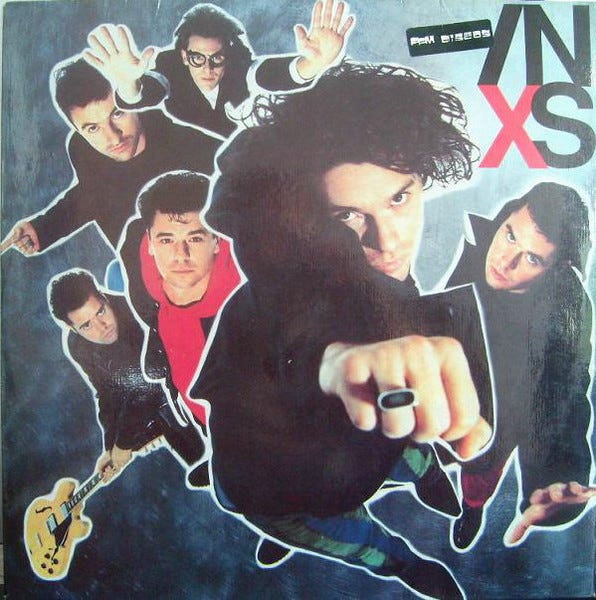
#32 — The Stairs, INXS (X, 1990)
INXS was arguably one of the world’s biggest bands when the late 1980s turned into the early 1990s, up there with U2 and Guns n’ Roses in record sales and stadium tours.
Their massive high watermark, “Kick,” in 1987, turned them from an Australian band to a global one. “X,” their seventh album, was the follow-up to this and, for my money, is their best album. It was as equally full of stadium rock bangers and roof lifters as its predecessors.
There was no Nirvana, and there was no Oasis then. Shortly, music would go in a different direction, and people’s ears moved on to a new flavour. But in 1990, INXS were inarguably on top of their game and on top of the world.
The world tour live album called “Live Baby Live” released in late 1991 is a testament to this — and possibly one of the best live albums ever recorded.
From those dizzy heights, the decline was Hemingway-esque; “slowly at first and then suddenly all at once.” They put out three more albums in the 90s — none of them devoid of hits — but all of diminishing quality and popularity, and by 1997, Michael Hutchence, the magnetic lead singer, was dead of an apparent suicide.
The anniversary was just last week, and I remembered very well where I was when I heard the news.
The lead single on “X” was “Suicide Blonde,” an on-brand INXS stomper about unrequited love to a woman who could never be held down. It’s a lively song with a great groove and lent itself well as the opening number to many of their shows that would instantly bring the crowd to its feet, but is not much of a departure for this band.
However, it’s the third song on the album, The Stairs, where things slow down a bit and get a little pensive, and the music and lyrics conspire to make us take a moment to give some thought to the nameless people that we cross paths with every day. What goes on behind everyone’s closed doors?
It’s a slow burner before it soars, this one. Entering on a rather soothing piano chord refrain provided by Andrew Farriss, a drum loop courtesy of Jon Farriss, and a gentle rhythm guitar riff by Tim Farriss, we can finally hear the strains of Kirk Pengilly’s lead guitar at 1:04 as the song crackles to life. The bass of Gary Garry Beers (great name) enters the fray at 1:19, and the song begins to move us somewhere.
Hutchence’s restrained vocal joins in at 1:41 with the snare drum, and a scene is painted of “a room above / busy streets / echoes of a life / the fragments and the accidents / are separated by incidents.” Everything that happens in our little lives has a flow, but things happen randomly in a kind of “Sliding Doors” kind of way.
We are all moving through life, and we all have a story, but perhaps we are all too wrapped up in our own to see another’s unfolding at the same time.
“Listen to the walls
We share the same movements
Repeated in the corridors
We pass each other
Storey to storey
Building to building
Street to street
We pass each other”
Heads down, collars up, gazes averted, attention on something else…when all we really want is a bit of attention, a bit of notice, a bit of humanness to come our way.
It’s almost like they knew that the Smartphone was coming and what it would lead to: More connected than ever before and yet more unconnected at the same time.
The point has been made that we aren’t paying attention to what’s right in front of us, and it’s here that the song really takes off, around 2:50, in a 35-second passage that is as powerful, affirming, and sweet as it would ever get for this band.
“The nature of your tragedy
Is chained around your neck
Do you lead?
Or are you lead?
Are you sure that you don’t care?
The are reasons here to give your life
And follow in your way
The passion lives to keep our faith
Though all are different, all are great”
“Are you sure that you don’t care?”
In that one moment, we are asked, for all the walling off we do of our interior lives, for all the time we spend keeping our armour on to protect ourselves, for the energy we put into not pursuing what really sets us on fire, is it true that we can’t be affected by those around us? Don’t we need them?
Hutchence is now belting it out at 3:25 as the song sustains and does not yet let go of the energy and force it established earlier.
“Climbing as we fall
We dare to hold on to our fate
And steal away to our destiny
To catch ourselves with quiet grace”
The high notes of his vocal in the repeated chorus only underline this and take us into the bridge at 3:56 with a yearning yet hopeful guitar solo that begins at 4:05.
There is one more exhortation to “listen to the walls,” and we are led into one more soaring chorus at 4:39. There is no fade out, just the last vocal notes that hang in the air for a minute and are gone.
Just like the all too brief smile of that person you locked eyes with for an instant on the subway this morning.
Here they are, absolutely nailing it in front of tens of thousands at Wembley in London.
If you have made it this far, it will occur to you that if this is #32 in this series, then there must be 31 previous ones. This is a correct assumption, and here I will link #31. At the bottom of it, you will find a link to #30; at the bottom of it, you can — if you so choose — be taken to #29. This ingenious system that I thought up all by myself continues all the way to #1