
You Need This To Garden
Organic gardening basics
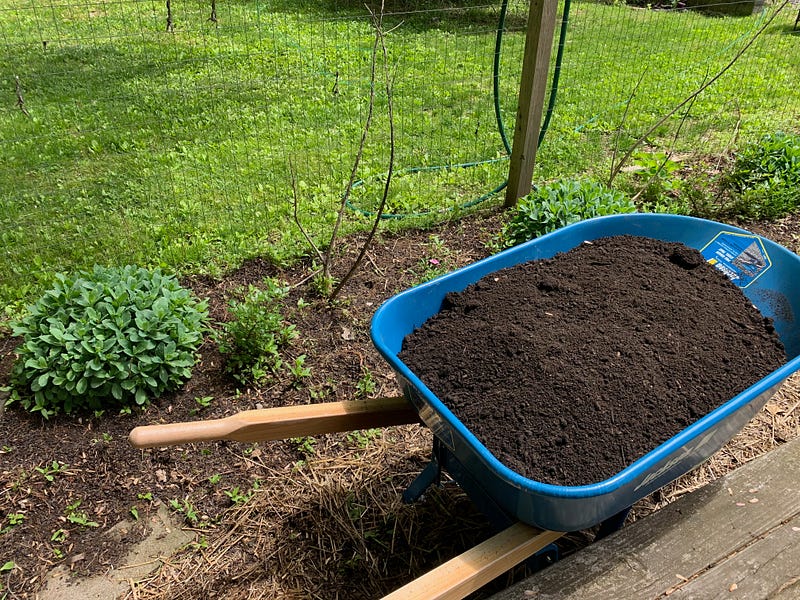
If you are going to start or significantly renovate a garden, there are certain things you need — things you need to do and things you need to use. The first things you need are a location and a sense of how you want to use the garden. You also need to identify any construction that may need to take place and the tools or equipment needed to do the work. Additionally, you need two budgets — one for how much it will cost and the second for the amount of time you have available.
Decisions, decisions, decisions.
The first and most critical decision in starting a garden is location. This decision is quite literally the foundation for your garden. As you decide where you will plant your garden, you need to look at several factors. These include:
- How much sun do you get? Many vegetables need 6 to 8 hours per day, although some can get away with as little as 4 or partial shade. Most vegetables and many plants need a lot of sun. Vegetables that require full sun include tomatoes, cucumbers, beans, spinach, kale, green onions, bok choi, turnips, and radishes. Many herbs and annual flowers also require full sun. If your selected location is in partial shade, you will need to choose plants that will tolerate less sun, such as lettuce, chard, and spinach. Root vegetables such as carrots, radishes, and beets can work if there are at least 4 hours of direct sunlight, but not if the location does not receive full sun at any point.
- Knowing your directions. A southern exposure will provide the most sun. The northern exposure may need protection from winds. Existing structures such as a fence or large bush will impact your garden location, and you will need to take those into account as you make your plans.
- Start small. You can always increase; it is harder to cut back. You can grow enough for one person to eat fresh from the garden in about a square meter.
Both clay and sand will benefit from the addition of well-rotted manure and compost and with annual applications of mulch.
- Getting down in the dirt. You will need to understand your soil type and consider whether it requires amending. If your soil consists of mostly heavy clay, you might consider adding a layer of sand or pea gravel. Sand may benefit from added vermiculite. These additives will help with soil structure but not with nutrients. Both clay and sand will benefit from the addition of well-rotted manure and compost and with annual applications of mulch.
- Structures and supports that already exist. A few other things to consider include whether you will need to install fencing and whether you have or will need a garden shed. You will also need to consider if there trees or bushes that provide shade and whether or not they need to be removed? Finally, the question of water is vital to your success. Consider whether or not you have access to water and how you will provide water to the plants.
The other crucial decision to make is how you will use your garden. Will your garden be primarily for growing plants? Would you also like to have a space in the garden for reading and relaxing? How about incorporating a play space for children? Maybe you want to socialize in your garden. Each of these choices has implications for your garden design, and you will need to come back to this question throughout your planning. You might begin by thinking of things you may want to do in the future, as well as your current garden efforts.
Making a plan
Once the basics are covered, you will need to make more detailed plans about the types of plants you want to grow and start collecting resources to help you design your garden and ultimately plant it.
A first step in making a plan is to consider your budget. Some of the questions to consider in creating a budget are:
- Will you start from seeds or plants?
- Do you already have tools, or do you need to buy them?
- What other items might you need to buy?
- Do you want to add structures?
- Will anything need to be removed?
- How much time do you have?
Another step in the plan is to select the types of plants you want to have in the garden. The types of plants you choose will impact your garden design as well as how you are going to use it. For example:
- Include space for children in your veggie garden — they can eat fresh from the garden.
- Flowers, grasses, and colorful leaves all have a place in an ornamental garden.
- Ornamentals are well suited for social spaces and a relaxing oasis.
- There are many ways that ornamental and edible plants intersect. Some flowers are edible. Others repel insects or add to the soil.
Tools that you will need
You will need to purchase some tools for your garden. A good beginners list would include:
☐ Pruners ☐ Gloves ☐ Kneeling Pad ☐ Hand Tools ☐ Watering Can ☐ Garden Hose ☐ Shovel ☐ Rake ☐ Weeding Tools ☐ Wheelbarrow
Excellent Resources
Another thing you need for gardening is access to information. Below are some resources I consider to be very useful. None of these websites are affiliate links or associated with me in any way except for the class I’m teaching. They are all ones that I use or other gardener friends of mine use. Some of the websites are in the USA, and others are in Europe.
Gardena tool system: These are the tools I bought to start my new garden.
Composting: Intratuin article and tools for composting at home
Plant spacing guide: Proper spacing for plants
Calendar of when to plant: Vegetable garden calendar
Intratuin calendars: Monthly garden calendars
Preparedness Mama: How to improve soil structure with amendments
Real homes: Tips and advice for garden design
Better Homes & Gardens: Steps for starting your first vegetable garden
Joy Us Garden: Things to think about when planning a garden
Square foot gardening: A beginner’s guide
Finally, if you’re interested in taking an online class on organic gardening, I am teaching one this fall at the Volksuniversiteit Amsterdam. You can find out about it here.
I’ve been gardening for over 50 years, but I only started writing about it in the past year. Below is a link to a piece about gardening organically.
I am planning to write a lot more about gardening. I hope you enjoy following my journey as I do.