
You Have a Jaded View of People and Here’s Why
Your past may have controlled you before, but you can now choose your future.

“I’m afraid to try again because I don’t want to get hurt.”
I was sitting across from my friend at the coffee shop, and she was telling me about the new guy at her work that she was interested in. “I’ve tried dating before,” she lamented. “It always seems to end up badly. Either they ghost me, or I find out they’re a terrible person. I don’t even want to try again.”
We have all experienced hurts, traumas, or disappointments.
Haven’t you ever wondered if some of your own thoughts or mindsets are a result of these things? In his book Safe People (2009), Dr. Henry Cloud discusses the reasons behind some of our troubling thoughts.
Here Are Some Reasons Why You Might Be Jaded
Inability to Bond
People have detached, abandoned, offered inconsistent love, criticism, or abuse to us. Common thoughts of people with an inability to bond:
- Nobody around me is safe.
- I don’t want to be hurt again.
- I don’t need people.
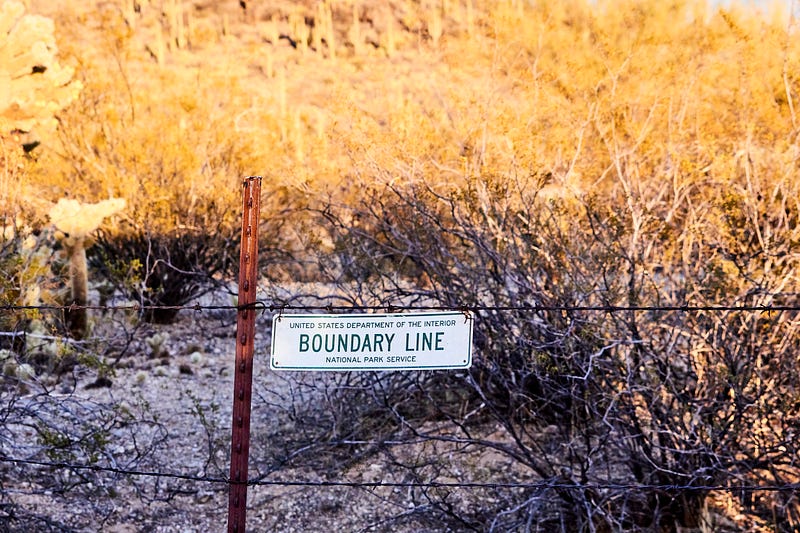
Boundary Breaking
When we said No, someone hurt us, left us or gave us guilt messages. Either that, or no one ever told us No. Common thoughts of people whose boundaries were never respected:
- I have to give in because I’m scared they’ll get angry.
- I set boundaries! I really do. Whenever someone tries to run me over, I leave the relationship.
- If someone criticizes or abuses me I shut down.
Expectation to be Perfect
They expected us to either be perfect all the time, ignored our imperfections, shamed us for our weaknesses, or saw us as good or bad all the time. Common thoughts of people who were expected to be perfect:
- My boyfriends always start out perfect, then all these problems come up.
- I can’t get too close to people because they’ll see my faults and realize how awful I am.
- I have to get rid of all of my weaknesses, then I will be good enough.
- No wonder they criticize me all the time. I’ve always had so many problems.
Not Allowed to Grow Up
They treated us like children and didn’t accept any of our decisions in order to keep us under their control. They treated us like parents so that they didn’t have to be responsible. Common thoughts of people held under control:
- If I get a job, my boss will lord over me and make me miserable.
- I’m terrified that my new coworkers will start to criticize all of my projects.
- I don’t want any of my friends to find out that I’m not really adult enough, like them.
- If I get my own friends and do my own thing, they will make me suffer for it.
Doesn’t that explain a lot? It’s such a relief to know where some of these thoughts come from. I don’t know about you, but I’ve experienced most of these at some point or another in my life.
You’re always wondering if something is wrong with you, or what you did to cause people to leave.
It never crosses your mind that it never started with you at all.
We’ve gone over the reasons why we’re jaded. We’ve talked about how events and people in our life have a huge impact on how we think about ourselves and relate to others.
What next?
We need to understand how those past events affect our present.
All of those negative thoughts above? They influence our behavior. They influence the way we talk to people. They cause problems to pop up in our lives.
According to Dr. Cloud (2009), there are four big categories of problems that are caused by all that negativity.

We All Hate The Big Problems
Self-Sufficiency
We’re told that we are not ___ enough, so in order to feel strong, we refuse other people’s help.
Action Steps: Practice acknowledging your needs and failures with a safe person who won’t offer criticism. Practice accepting their help with a simple thank you.
Healthy people practice self-sufficiency, too. The difference is that they don’t push everyone away when they do it.
Jealousy
It’s easy to be bitter when we feel like other people always get what we want and we are left behind.
Action Steps: Practice being proactive to meet your goals. Change your mental script from “everything bad happens to me” to “this awful thing happened, but here’s what I’m going to do…”
Healthy people experience disappointments and bitterness, too. The difference is that they accept the disappointments, then don’t allow the bitter thoughts to take residence in their minds.
Entitlement
We want people to give us respect before we have earned it. We want people to apologize first, or else we will hold on to the hurt. We want everyone to make us feel special at all times.
Action Steps: Practice being Okay with being in the background. Tell yourself that it’s all right if you aren’t praised for every success. Opt to forgive and forget, even if people don’t give you an apology. You will be much happier.
Healthy people can feel entitled, too. They can feel sad or upset when they feel like they’re passed over. The difference is that they don’t quit and they don’t allow other people’s opinions to change the way they think about themselves.
Rebel Nature
It makes us feel good to break the rules or abusing substances when we’re hurting.
Action Steps: Seek help if you have a weakness for substance abuse when times are tough. Join and become part of communities in counseling, church or volunteer groups where you can get support rather than isolating yourself.
Healthy people seek community when they are hurting instead of holing up by themselves. Rather than binge-watching Disney movies alone when they’re sad, they invite a few friends over and do it together.
These four unhealthy practices can lead us to isolate ourselves from people we desperately need, which further adds to our troubles.
When you start to feel that itch, reach out to your community and get support so that you don’t fall into the old habits. Replace those with healthy things.
The real key to healing is to see your failings, see your successes, and have friends who are really there for you in a crisis.
Thank you for reading.
Resources
Cloud, Henry, and John Sims Townsend. Safe People: How to Find Relationships That Are Good for You and Avoid Those That Aren’t. Zondervan, 2009.
If you liked this piece, check out some of my article, I Want To But I Can’t.
You can share your outstanding stories and inspire others. Just click the below image and be a writer for The Masterpiece.
