avatarLane Henry

Free AI web copilot to create summaries, insights and extended knowledge, download it at here

4679

Abstract

awed by the amazing geology that surrounded us.</p><figure id="e8e3"><img src="https://cdn-images-1.readmedium.com/v2/resize:fit:800/1*jWWALULBfyVc_8d8VkI8tA.jpeg"><figcaption></figcaption></figure><figure id="6774"><img src="https://cdn-images-1.readmedium.com/v2/resize:fit:800/1*2MqQ-HL_nq8urPyFsxNBWA.jpeg"><figcaption></figcaption></figure><figure id="abec"><img src="https://cdn-images-1.readmedium.com/v2/resize:fit:800/1*LNPHSuotECih-l-phBxRPA.jpeg"><figcaption></figcaption></figure><figure id="da24"><img src="https://cdn-images-1.readmedium.com/v2/resize:fit:800/1*wEh8duvDCh8H4rqBVUKT-A.jpeg"><figcaption>Arid mountains, amazing geology, and the foothills of the Andes; photos by author</figcaption></figure><p id="fa7f">We looked across the vast Salinas Grandes, the large salt pans that span into Bolivia as well. The salt is still harvested today in large strips. And if you’re lucky to be there after a bit of rain, the mirror-like reflection is breathtaking.</p><figure id="da8d"><img src="https://cdn-images-1.readmedium.com/v2/resize:fit:800/1*Eg2qQojBn_SdKjdaD0ISSQ.jpeg"><figcaption></figcaption></figure><figure id="78a2"><img src="https://cdn-images-1.readmedium.com/v2/resize:fit:800/1*MCfzNiHarkdTO3IBSV5YBg.jpeg"><figcaption></figcaption></figure><figure id="5d8b"><img src="https://cdn-images-1.readmedium.com/v2/resize:fit:800/1*3SLciDXeI1aHYWW6GJOkTw.jpeg"><figcaption></figcaption></figure><figure id="6349"><img src="https://cdn-images-1.readmedium.com/v2/resize:fit:800/1*iS_5fuZrw1RBv718-FzMsw.jpeg"><figcaption>The Salinas Grandes in two spots: one dry and one with a coating of water; photos owned by author</figcaption></figure><p id="037e">We saw some breathtaking stunts during the <a href="https://en.wikipedia.org/wiki/2014_Dakar_Rally">Dakar Rally</a>, which coincided with our trip, although we didn’t plan it. At one point, our route overlapped with the ending point of one section of the large truck racing. We were sandwiched between two of these trucks (like the one in the picture below), going around narrow mountain roads with steep drop-offs. These trucks were speeding and kicking up dust and obscuring our visibility as they passed our small little rental car. That was a quite nerve-wracking experience and I was glad my partner was driving that day.</p><figure id="7374"><img src="https://cdn-images-1.readmedium.com/v2/resize:fit:800/1*qxYp3AbTBVBHsHrrlbzAzQ.jpeg"><figcaption></figcaption></figure><figure id="adc2"><img src="https://cdn-images-1.readmedium.com/v2/resize:fit:800/1*lgLDYOktm2O7rrRUhAztvg.jpeg"><figcaption>A large truck and a car competing in the Dakar Rally; photos by author</figcaption></figure><p id="df76">We gazed upon the clearest and most star-filled night sky I’ve ever seen since we were so far from the light pollution of civilization. We went for hours without seeing another car. The roads changed from well-paved to graveled with potholes. One day, we went up a valley road to find a deserted mine that someone told us about. A few times, a stream had washed out the road. We would throw rocks into the stream to test how deep it was to see if we wanted to still cross. We crossed twice and then crossed on foot the last time and hiked in.</p><p id="9dea">That day’s experience with rough roads wasn’t uncommon. One major road was washed out during our trip. We had to turn around and find a different way. Another time, we had to move boulders to turn our car around on a narrow road.</p><figure id="25d6"><img src="https://cdn-images-1.readmedium.com/v2/resize:fit:800/1*lfwgV5oPVdx_YBhlHJpRGQ.jpeg"><figcaption></figcaption></figure><figure id="df4c"><img src="https://cdn-images-1.readmedium.com/v2/resize:fit:800/1*KLGEHuUXSSjSoYmpdOhbTw.jpeg"><figcaption></figcaption></figure><figure id="fa7d"><img src="https://cdn-images-1.readmedium.com/v2/resize:fit:800/1*SOshExF8pgT8O4opDyEO4w.jpeg"><figcaption>Road conditions in Argentina are not always optimal. From left to right: a major road washed out by a rising river, moving boulders to turn our car around, and a stream washed out another road on our route; photos by author</figcaption></figure><p id="bfd0">There was abundant wildlife. Plenty of sprawling pastures filled with horses and cattle. That is what you think of when you think of Argentina, after all. There were also llamas, flamingos, condors, and donkeys.</p><figure id="0798"><img src="https://cdn-images-1.readmedium.com/v2/resize:fit:800/1*BJVL2vweK8Y7GGlyu8g9qA.jpeg"><figcaption></figcaption></figure><figure id="6c87"><img src="https://cdn-images-1.readmedium.com/v2/resize:fit:800/1*NR8FOn59yvr79gffwibv3w.jpeg"><figcaption></figcaption></figure><figure id="9acd

Options

"><img src="https://cdn-images-1.readmedium.com/v2/resize:fit:800/1*jnls8AQ0sU_--PNETcCdqg.jpeg"><figcaption></figcaption></figure><figure id="17f5"><img src="https://cdn-images-1.readmedium.com/v2/resize:fit:800/1*Ny_il8h9_qnXwAzcCCq8tw.jpeg"><figcaption>Wildlife of Argentina: donkeys, flamingos, llamas, and condors; photos by author</figcaption></figure><p id="0d6c">After the rich food and steaks in bustling Buenos Aires, we ate much simpler and limited fare in the rural northwest. We traveled more simply as well. The physical atlas for navigation. No data on our phones. We were just equipped with an old Nokia phone and SIM card and a Lonely Planet where we found hostel contact information. This type of unconnected travel may be unfathomable today, but this was eight years ago.</p><p id="f948">So after weeks of more adventurous traveling with very few luxuries, we decided to splurge during our final few days and stay on an Argentinian ranch (<i>estancia)</i>. It was one of my favorite experiences of the trip, although it’s always hard to choose.</p><p id="a947">The landscape around the ranch was flat with large pasture land as far as you could see. We rode horses every day and enjoyed the company of the few other guests and workers. We had a traditional barbeque (<i>asado</i>) together and shared family-style meals. It was a relaxing endcap to our road trip.</p><figure id="0e1f"><img src="https://cdn-images-1.readmedium.com/v2/resize:fit:800/1*2cNkSzPpD-yyAClSxjqd8Q.jpeg"><figcaption></figcaption></figure><figure id="840d"><img src="https://cdn-images-1.readmedium.com/v2/resize:fit:800/1*-7-RYgkiWu6B6lf8aEW9nQ.jpeg"><figcaption></figcaption></figure><figure id="055a"><img src="https://cdn-images-1.readmedium.com/v2/resize:fit:800/1*vOQpdSrlQyloXFOA2jFoTg.jpeg"><figcaption></figcaption></figure><figure id="2edb"><img src="https://cdn-images-1.readmedium.com/v2/resize:fit:800/1*RGEhETe3lCtEu-hDHPmVAA.jpeg"><figcaption>A stay at an Argentinian ranch; photos owned by author</figcaption></figure><p id="8ba2">As anyone knows, a road trip — or any trip where you travel from place to place — can be punctuated with some difficulties. We struggled with two things during our road trip.</p><h2 id="b1de">1. Our Spanish was very basic and rusty. I mean, really basic.</h2><p id="e90b">The northwest had a lot of tourists, but they were mainly local Argentinian tourists. It was a popular backpacking route for young people. We gave some rides to some young hitchhikers we saw along the way. Some spoke English, but many did not. So we weren’t able to interact as much with fellow travelers, but we did the best we could though.</p><p id="beaf">However, if not knowing the language was a reason to not go someplace, I’d never go anywhere. Only in the last few years <a href="https://readmedium.com/if-you-want-to-learn-dutch-dont-move-to-amsterdam-86186728b248">did I finally learn Dutch</a> and now consider myself bilingual. I’ve traveled all over the world only speaking English and I’ve made do with hand gestures and learning a few local phrases and carrying a dictionary.</p><p id="4a60">And the fact that this area wasn’t yet hit by the mob of English-speaking North American and European backpackers was pretty cool. Overall, it was more authentic than my first trip to the major tourist destinations. Both trips were great, just different.</p><h2 id="42da">2. We got food poisoning. Both of us.</h2><p id="0d41">It hit me first. We were just finishing up breakfast and talking about where to drive to that day when the cramps hit. I returned from the bathroom and said, <i>“I think we’re going to have to stay put for another day.”</i></p><p id="3abe">It disrupted our trip a bit, but we were also able to stay in one place for longer and see the small town in short bursts between trips to the toilet.</p><p id="b568">The terrible food poisoning bonded us as a couple long past the liquid poop and debilitating stomach cramps. It showed that the other person could be relied on in emergencies. They could be a caretaker, a cook, or a driver when the other person was at their worst.</p><p id="905e">If there is any luck in the whole tale, it’s that we got sick at back-to-back times and <i>not at the same time</i>. Boy, that would have been even worse.</p><p id="ef01">I’m glad to say that traveling with my partner was a success. Our relationship is not perfect, but I’ve found someone whose travel style meshes with mine. And for me, that’s a big deal.</p><p id="36f4">Argentina is an amazing setting for a road trip. There is no shortage of jaw-dropping natural beauty. I’m convinced that any itinerary would be a hit.</p></article></body>

You Can’t Go Wrong In Argentina

A classic road trip through the lesser-known northwest
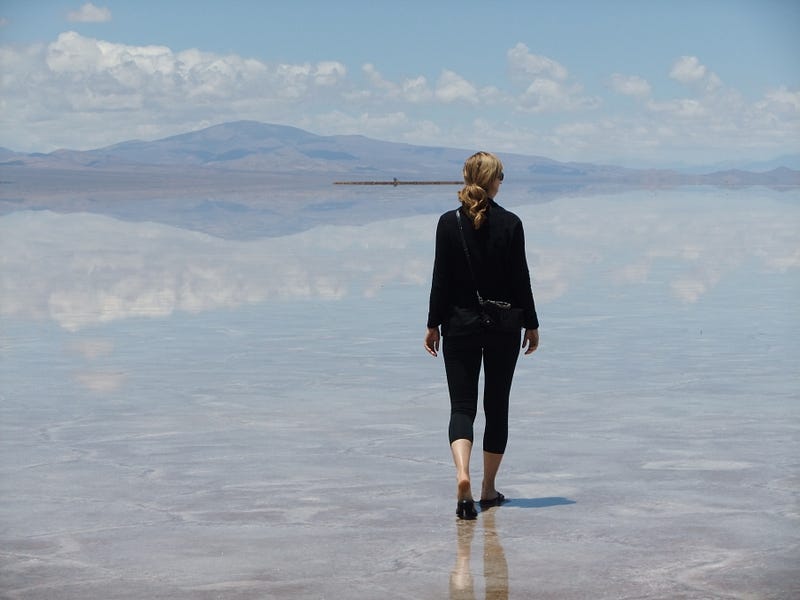
Author at the Salinas Grandes in Argentina; photo owned by author

We arrived in Argentina at the end of December with no plan.

Sure, we knew we wanted to ring in the New Year in Buenos Aires, but beyond that, the options were endless. Where to? In what mode of transportation? Where to stay? Those questions were still to be decided.

When it came down to it, we decided on a road trip. After all, how can you go wrong with a classic road trip?

This was my second trip to Argentina. On the first trip, I was single and backpacking with a girlfriend. We took long bus rides around the country and hit up most of the “must-see sites” that you’d find in a Lonely Planet.

But this time, I was traveling with my partner and it was our first major trip as a couple. We’d been living together for a year already, but I was a bit trepidatious because this trip could make or break our relationship. To me, finding a life partner was synonymous with finding a good travel partner. Eek, a lot was riding on this trip.

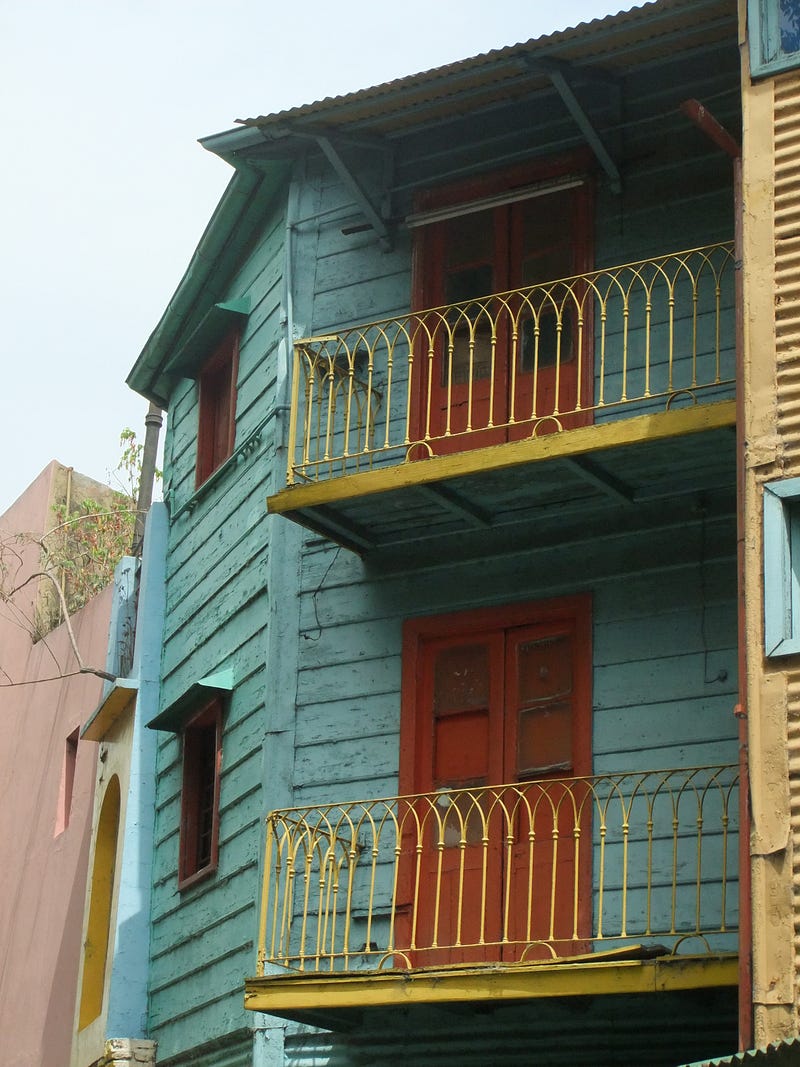
Upon our arrival, we spent a fun few days in vibrant Buenos Aires, where we met a British couple that we still keep in touch with to this day. We rang in the New Year together and attended rowdy street parades. We ate juicy steaks and rich, delicious food. We watched tango dancers and took in the architecture.
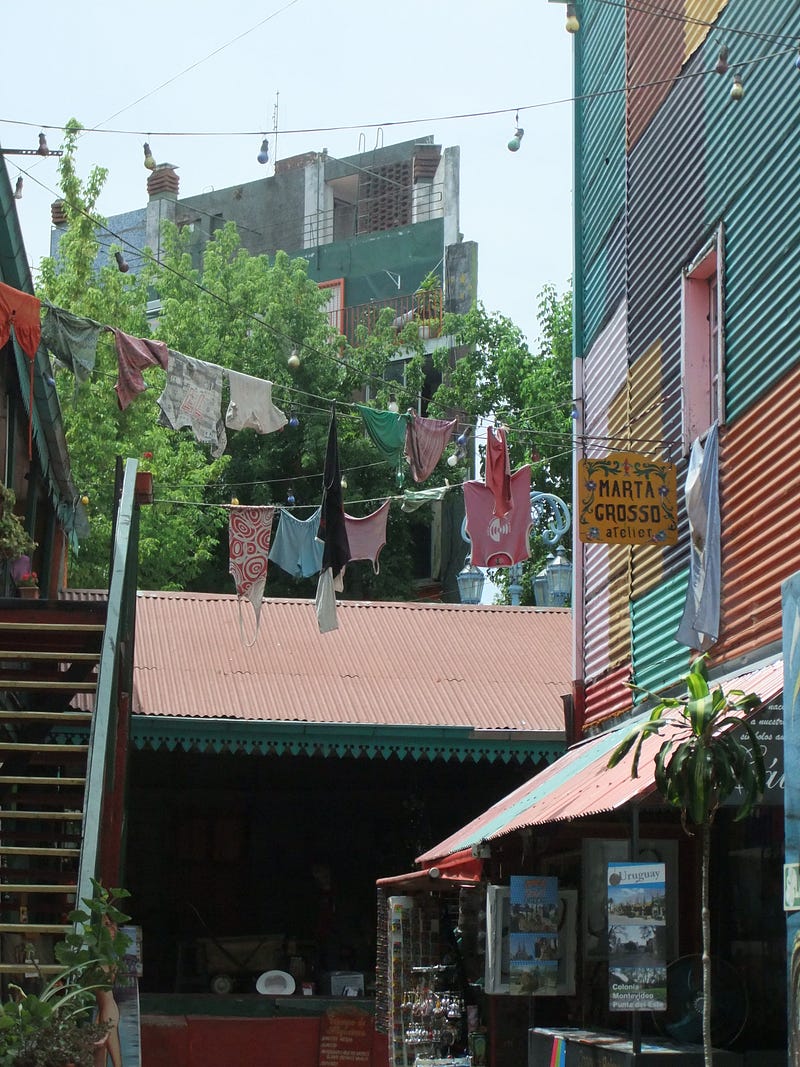
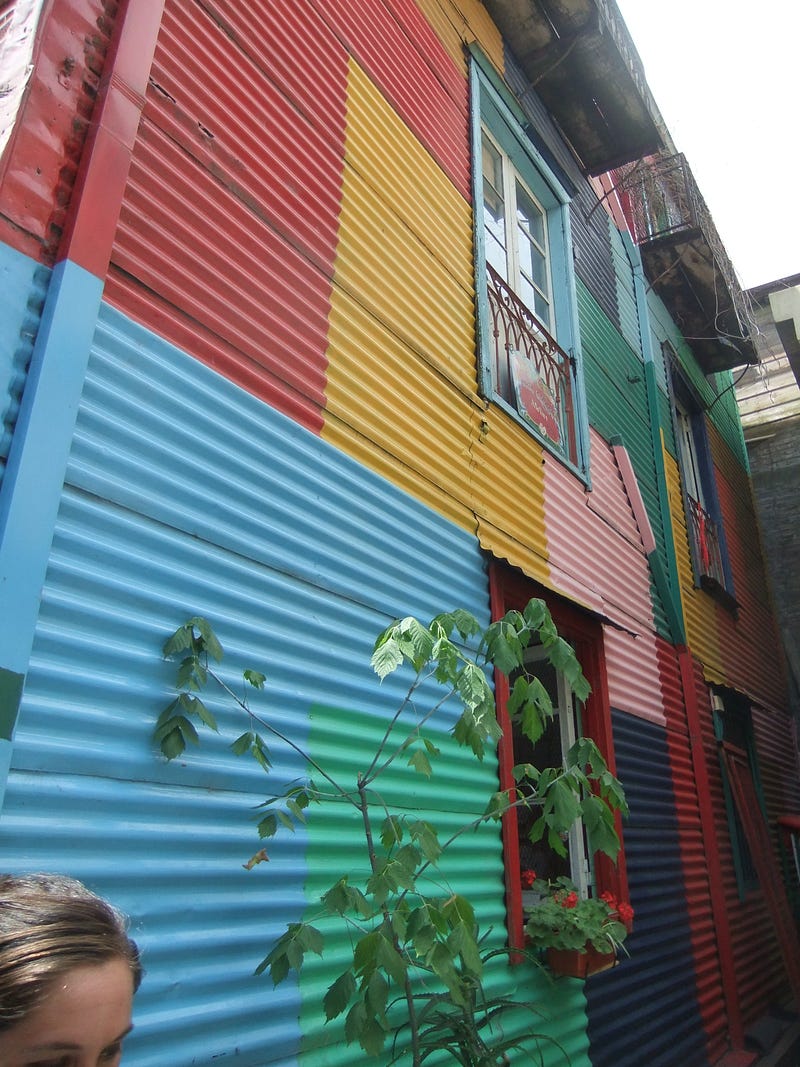
The colorful, art-filled, and sometimes rough neighborhood of La Boca in Buenos Aires; photos by author

Buenos Aires is nice, but it’s a bit like an oasis within the large country of Argentina. The food is different, the people are different, and the bustle is different. If you go to Argentina and only see Buenos Aires, you are missing out.

So after our short stay in the capital, we left.

Our destination? The less traveled northwest of Argentina. It’s an area I hadn’t been to during my first trip, so I was happy to not see things twice. Argentina offers so much and the only overlap in my two Argentina trips (two months in total) was Buenos Aires. There’s that much to see. The country is vast with so much natural beauty.

We bought an atlas from a magazine vendor for $10 and navigated the entire road trip with it. No GPS, no Google Maps. I’ve always found that I remember the route better if I don’t let the GPS navigate for me, but instead, navigate myself. Plus, it can be more fun and more of an adventure. No longer is it a trip from point A to point B, but you are more likely to look at the map and think:

“Hmm, I wonder what that place is…let’s stop and see.”

We started our road trip in Argentina with a spotless white rental car. It only had just over 3,200 kilometers on the odometer. We traveled 6,700 kilometers (4,100 miles) in that rental car in 3.5 weeks and returned it with a thick layer of dirt and dust. After all, as they say, don’t be gentle, it’s a rental.

Our route looked like this:
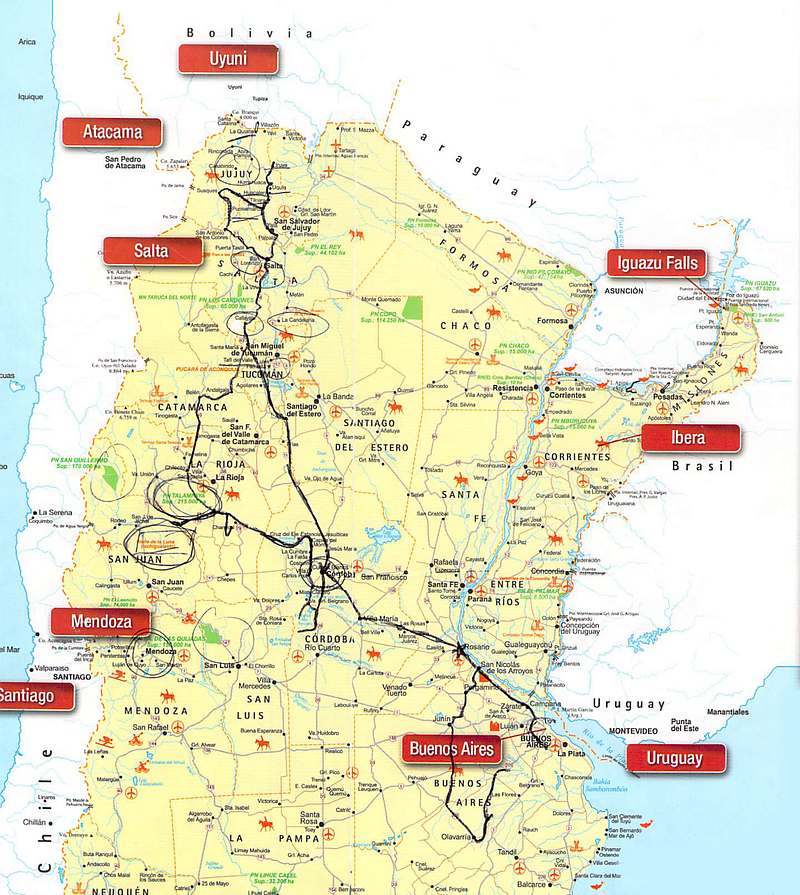
The rough outline of our actual route in the physical atlas from the trip; photo by author

The cities were not the highlight of our trip. Nature was. Along route 40, the scenery seemed to change every 20 kilometers. This was an actual conversation exchange between me and my partner, as noted in my journal at the time:

Me: Look at that nice mountain. [as I took a picture out my side of the car]

My partner: Oh, that’s beautiful too. [pointing out his side]

Me: Oh geez, I can’t capture everything! Argentina…stop being so pretty!

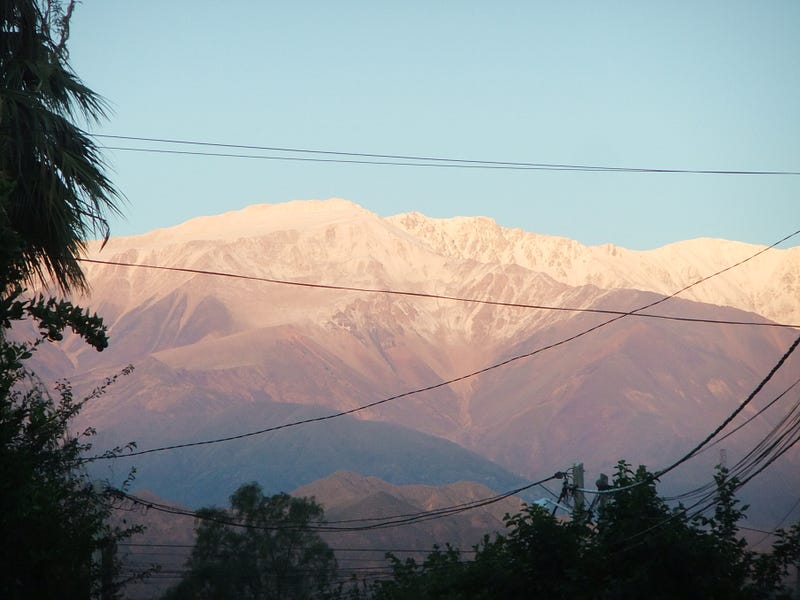
We saw dramatic natural beauty. We took strenuous hikes up mountains in the foothills of the Andes. We were awed by the amazing geology that surrounded us.
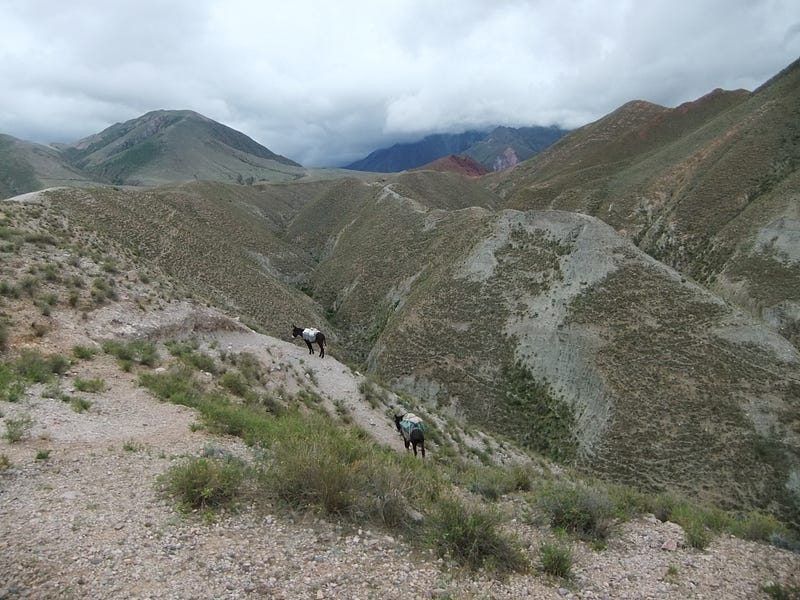
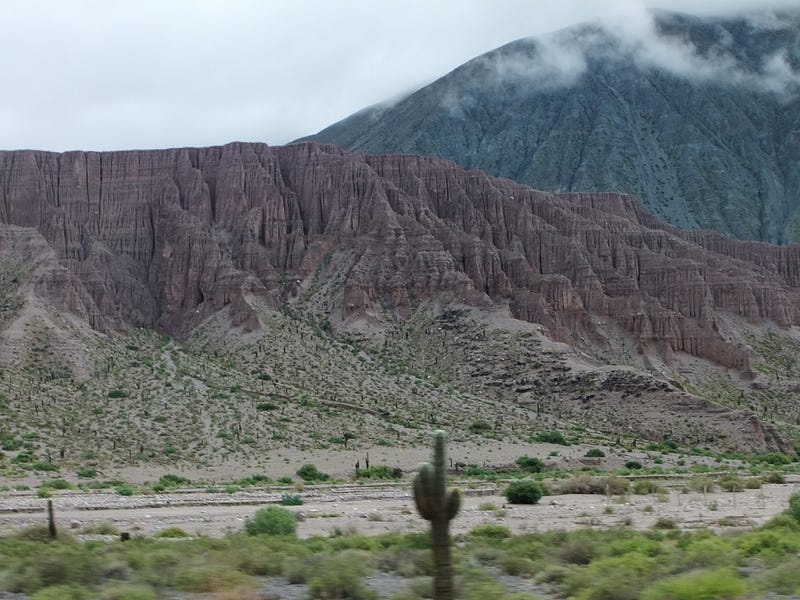
Arid mountains, amazing geology, and the foothills of the Andes; photos by author

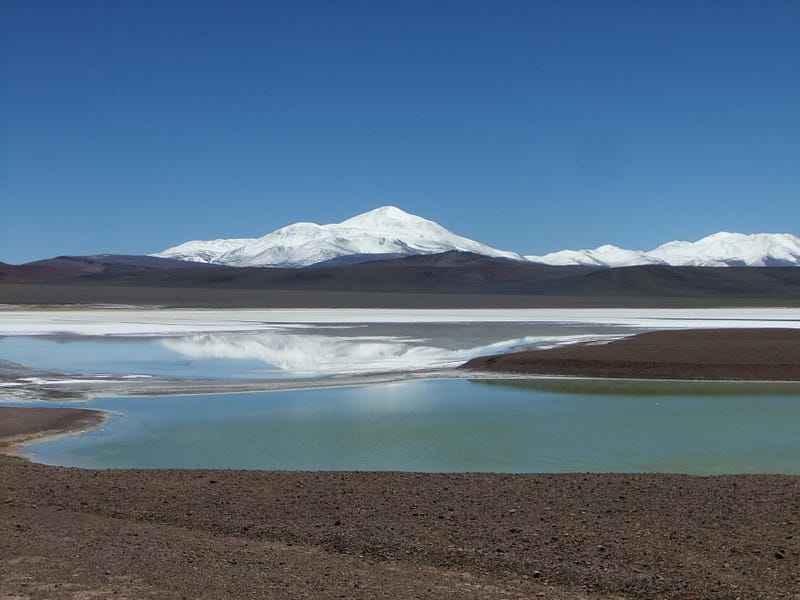
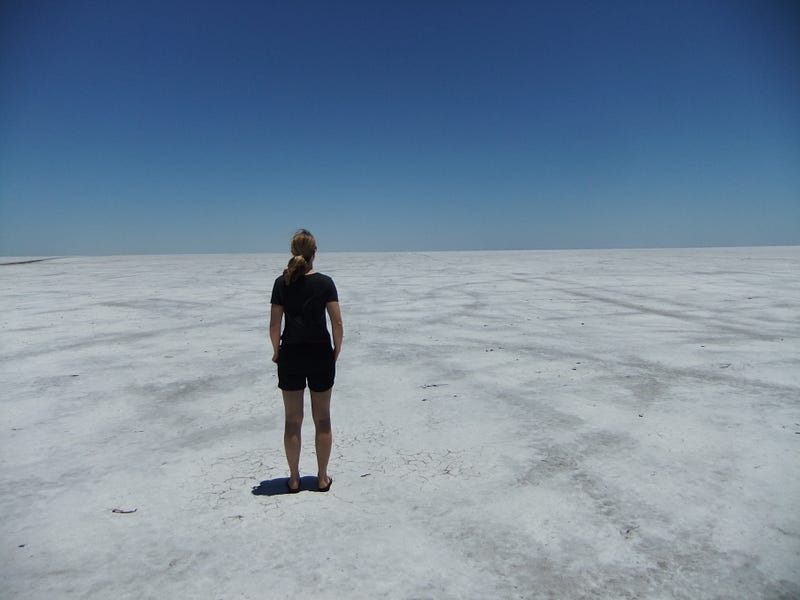
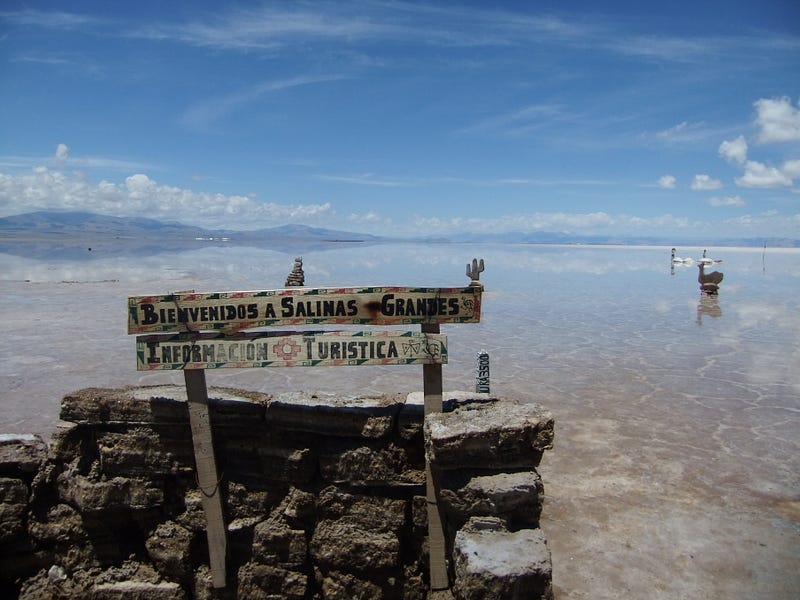
We looked across the vast Salinas Grandes, the large salt pans that span into Bolivia as well. The salt is still harvested today in large strips. And if you’re lucky to be there after a bit of rain, the mirror-like reflection is breathtaking.
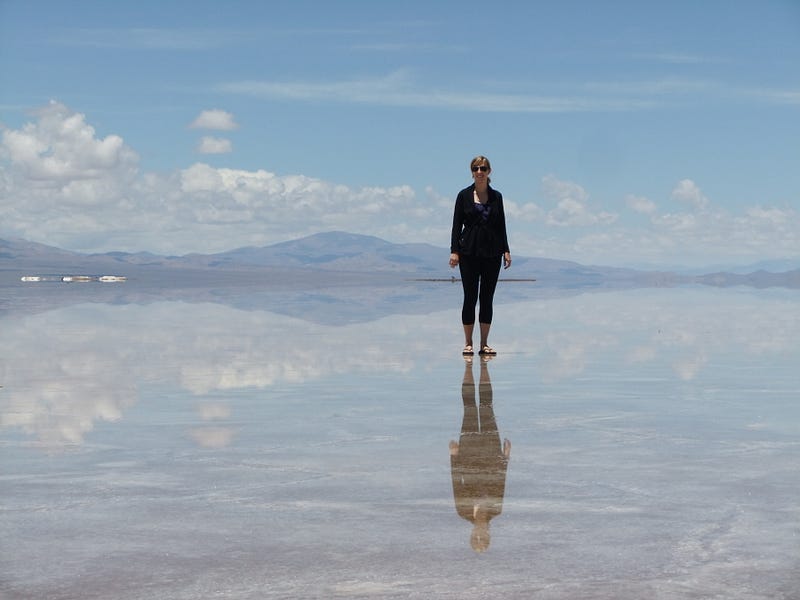
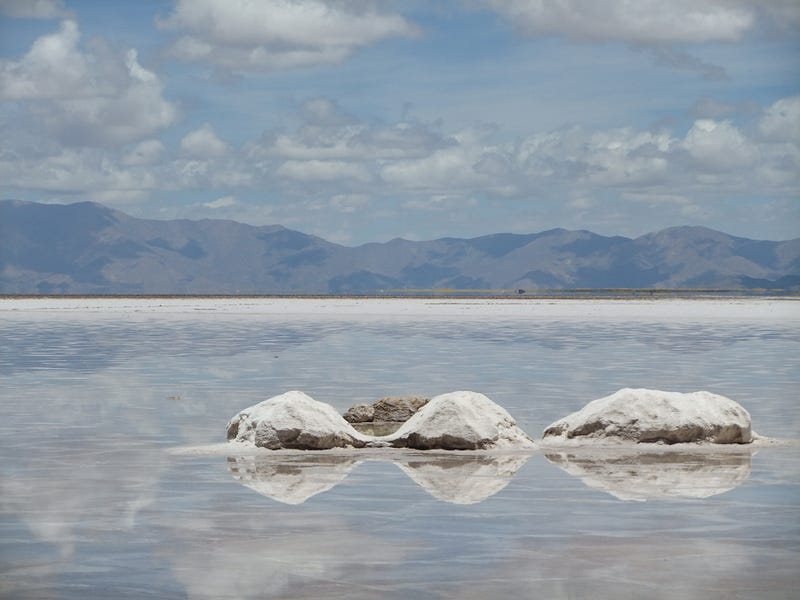
The Salinas Grandes in two spots: one dry and one with a coating of water; photos owned by author

We saw some breathtaking stunts during the Dakar Rally, which coincided with our trip, although we didn’t plan it. At one point, our route overlapped with the ending point of one section of the large truck racing. We were sandwiched between two of these trucks (like the one in the picture below), going around narrow mountain roads with steep drop-offs. These trucks were speeding and kicking up dust and obscuring our visibility as they passed our small little rental car. That was a quite nerve-wracking experience and I was glad my partner was driving that day.
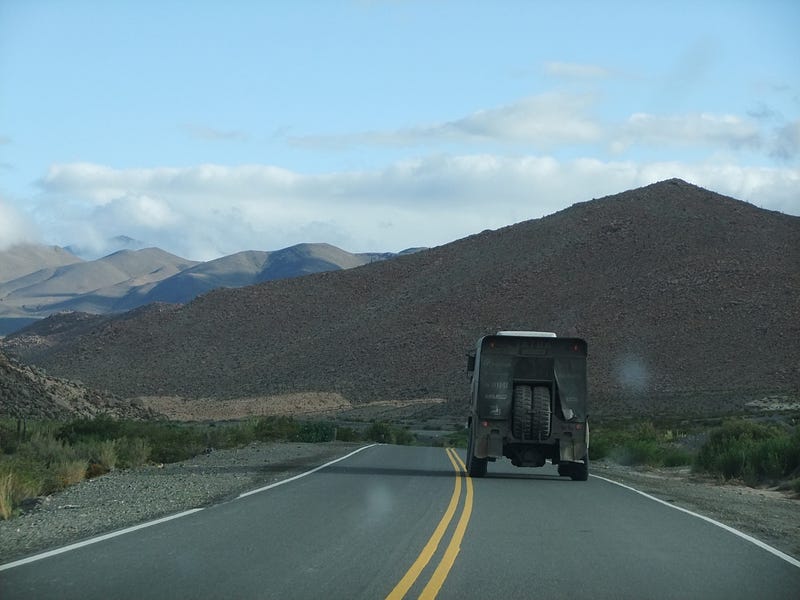
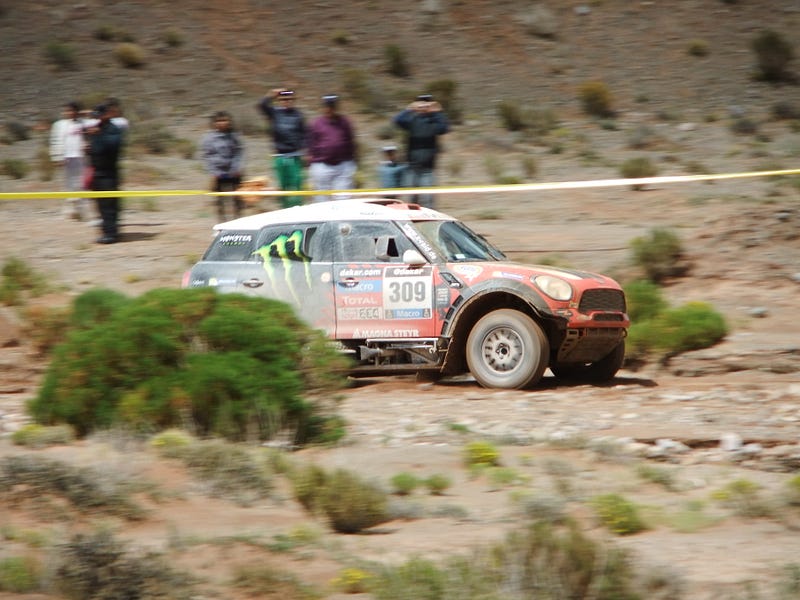
A large truck and a car competing in the Dakar Rally; photos by author

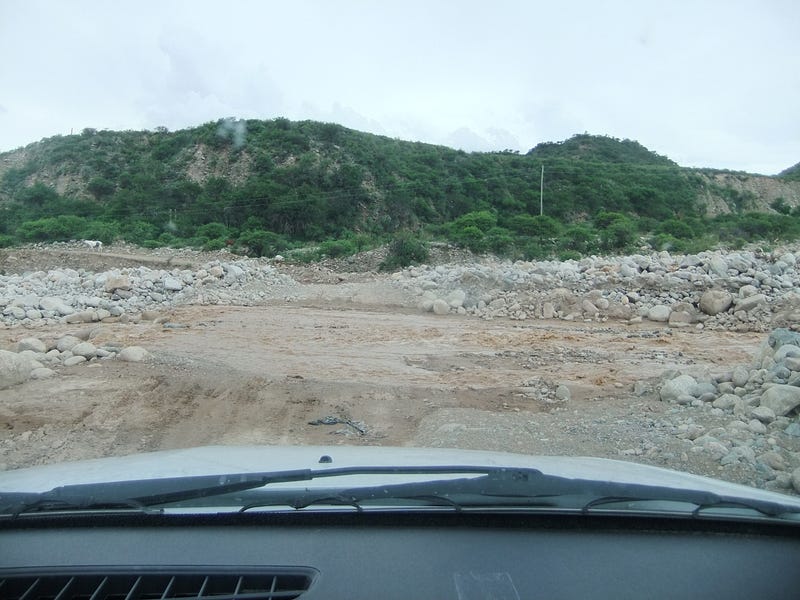
We gazed upon the clearest and most star-filled night sky I’ve ever seen since we were so far from the light pollution of civilization. We went for hours without seeing another car. The roads changed from well-paved to graveled with potholes. One day, we went up a valley road to find a deserted mine that someone told us about. A few times, a stream had washed out the road. We would throw rocks into the stream to test how deep it was to see if we wanted to still cross. We crossed twice and then crossed on foot the last time and hiked in.

That day’s experience with rough roads wasn’t uncommon. One major road was washed out during our trip. We had to turn around and find a different way. Another time, we had to move boulders to turn our car around on a narrow road.
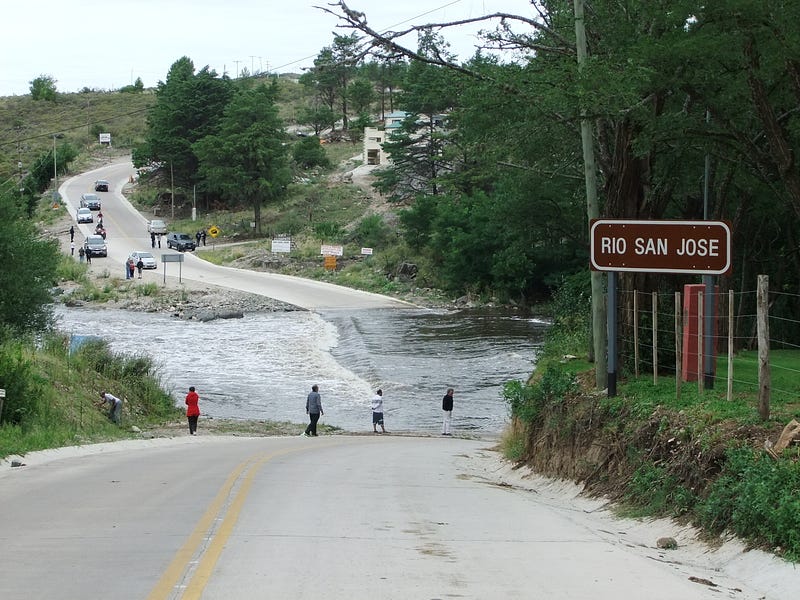
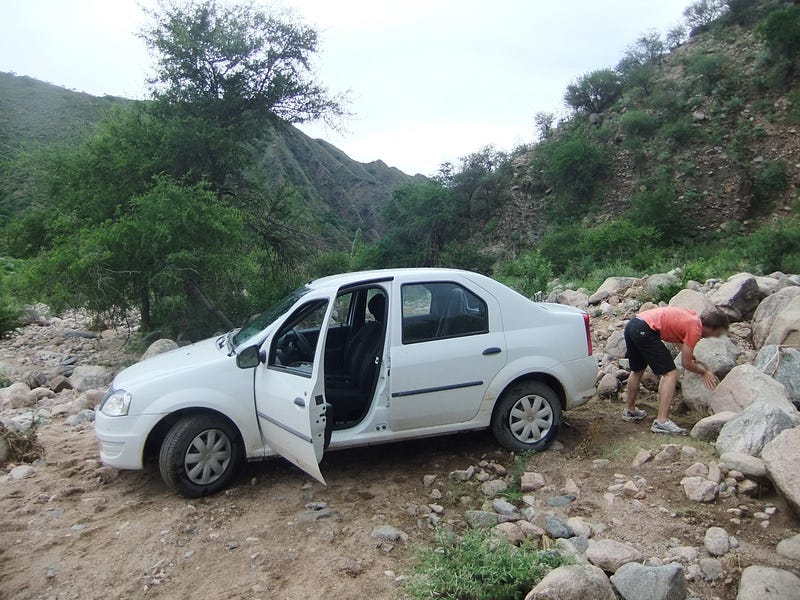
Road conditions in Argentina are not always optimal. From left to right: a major road washed out by a rising river, moving boulders to turn our car around, and a stream washed out another road on our route; photos by author

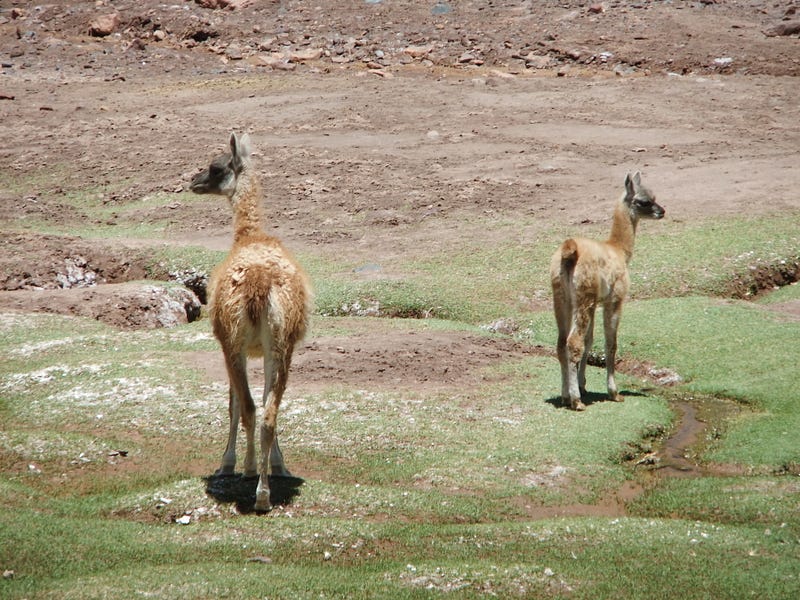
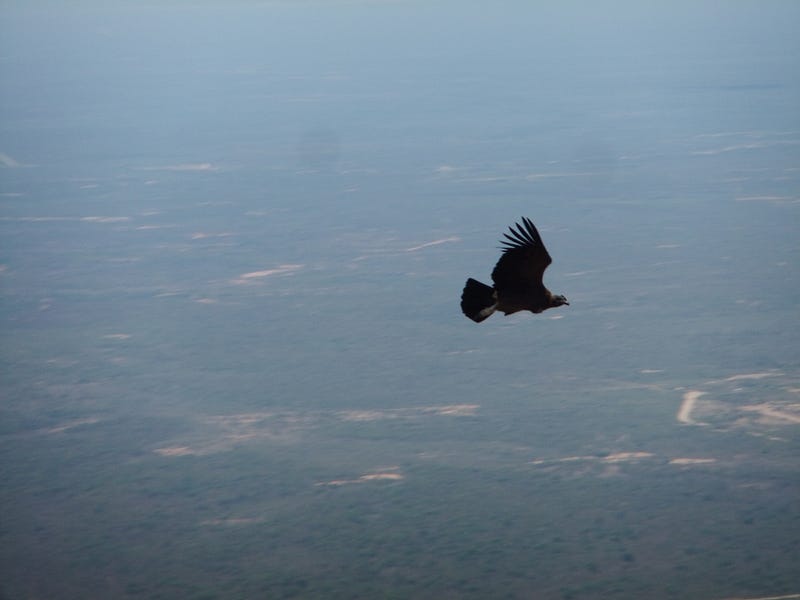
There was abundant wildlife. Plenty of sprawling pastures filled with horses and cattle. That is what you think of when you think of Argentina, after all. There were also llamas, flamingos, condors, and donkeys.
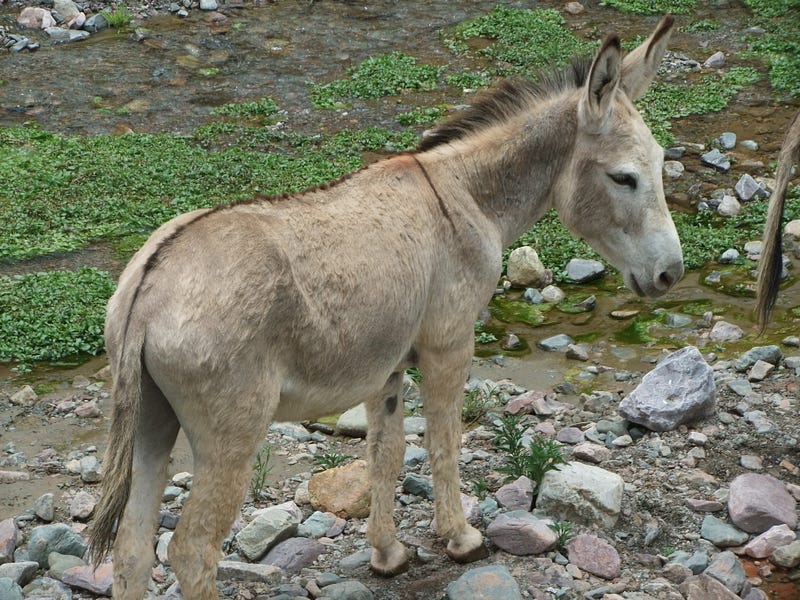
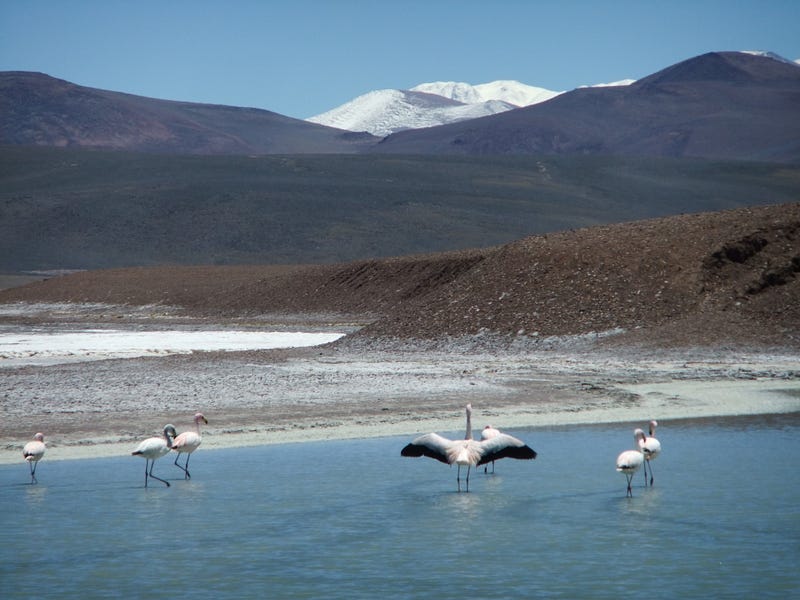
Wildlife of Argentina: donkeys, flamingos, llamas, and condors; photos by author

After the rich food and steaks in bustling Buenos Aires, we ate much simpler and limited fare in the rural northwest. We traveled more simply as well. The physical atlas for navigation. No data on our phones. We were just equipped with an old Nokia phone and SIM card and a Lonely Planet where we found hostel contact information. This type of unconnected travel may be unfathomable today, but this was eight years ago.

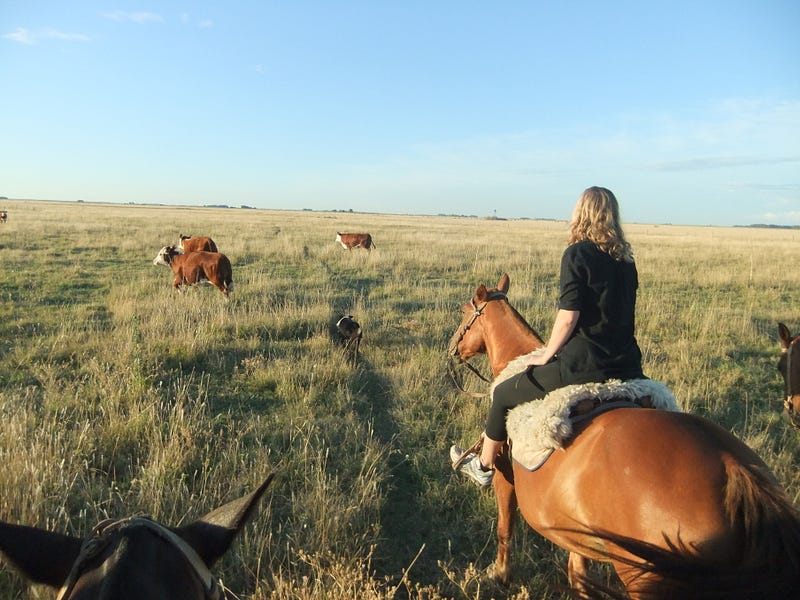
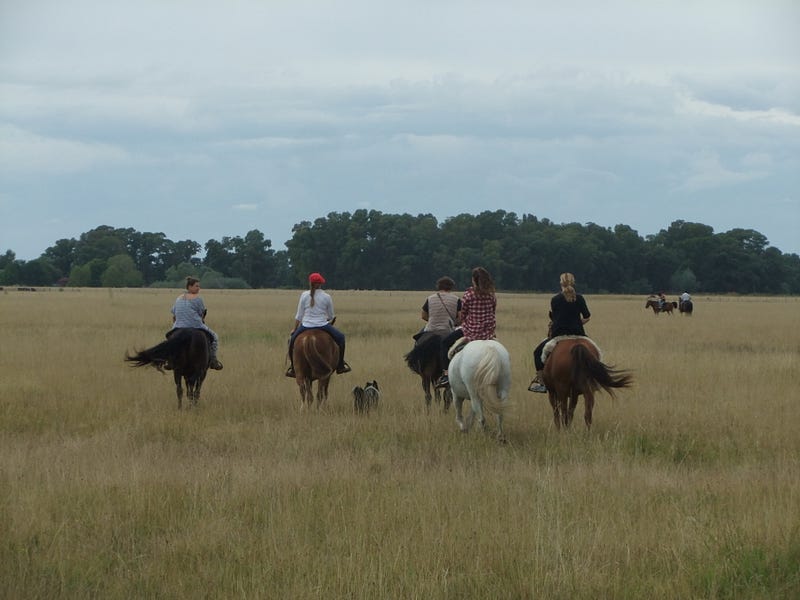
So after weeks of more adventurous traveling with very few luxuries, we decided to splurge during our final few days and stay on an Argentinian ranch (estancia). It was one of my favorite experiences of the trip, although it’s always hard to choose.

The landscape around the ranch was flat with large pasture land as far as you could see. We rode horses every day and enjoyed the company of the few other guests and workers. We had a traditional barbeque (asado) together and shared family-style meals. It was a relaxing endcap to our road trip.
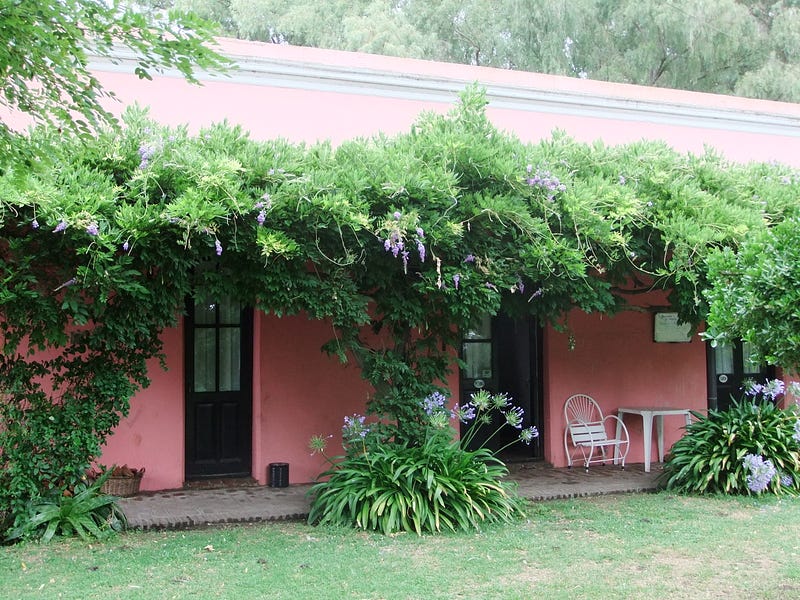
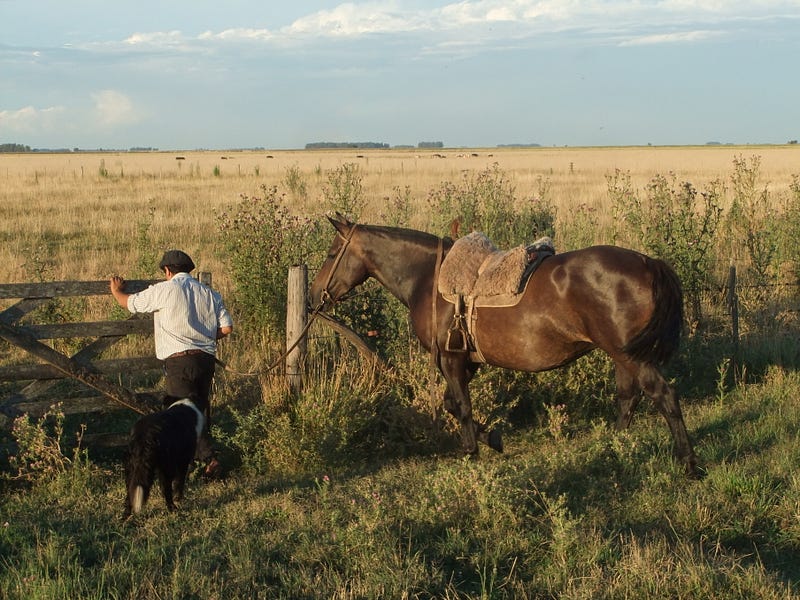
A stay at an Argentinian ranch; photos owned by author

As anyone knows, a road trip — or any trip where you travel from place to place — can be punctuated with some difficulties. We struggled with two things during our road trip.

1. Our Spanish was very basic and rusty. I mean, really basic.

The northwest had a lot of tourists, but they were mainly local Argentinian tourists. It was a popular backpacking route for young people. We gave some rides to some young hitchhikers we saw along the way. Some spoke English, but many did not. So we weren’t able to interact as much with fellow travelers, but we did the best we could though.

However, if not knowing the language was a reason to not go someplace, I’d never go anywhere. Only in the last few years did I finally learn Dutch and now consider myself bilingual. I’ve traveled all over the world only speaking English and I’ve made do with hand gestures and learning a few local phrases and carrying a dictionary.

And the fact that this area wasn’t yet hit by the mob of English-speaking North American and European backpackers was pretty cool. Overall, it was more authentic than my first trip to the major tourist destinations. Both trips were great, just different.

2. We got food poisoning. Both of us.

It hit me first. We were just finishing up breakfast and talking about where to drive to that day when the cramps hit. I returned from the bathroom and said, “I think we’re going to have to stay put for another day.”

It disrupted our trip a bit, but we were also able to stay in one place for longer and see the small town in short bursts between trips to the toilet.

The terrible food poisoning bonded us as a couple long past the liquid poop and debilitating stomach cramps. It showed that the other person could be relied on in emergencies. They could be a caretaker, a cook, or a driver when the other person was at their worst.

If there is any luck in the whole tale, it’s that we got sick at back-to-back times and not at the same time. Boy, that would have been even worse.

I’m glad to say that traveling with my partner was a success. Our relationship is not perfect, but I’ve found someone whose travel style meshes with mine. And for me, that’s a big deal.

Argentina is an amazing setting for a road trip. There is no shortage of jaw-dropping natural beauty. I’m convinced that any itinerary would be a hit.

Travel
Relationships
Monthly Challenge
This Happened To Me
Travel Writing
Recommended from ReadMedium