
You Are Not His Therapist
Don’t be a dumping ground for your boyfriend’s problem.

Kylie-Anne Kelly’s unpaid role as her boyfriend’s therapist led to her being hospitalized and single.
The then 24-years old English teacher had a boyfriend who refused to talk to other men or a therapist about his emotions, mental health, and tribulations in life. Eventually, she became both a girlfriend and an unpaid therapist. Kylie-Anne told Harpers Bazaar,
“I talked him through his aspirations, validated his opinions, and supported his career. I had to be his emotional guru because he was too afraid to admit he had any emotions at all.”
Unfortunately, this emotional dependency was not a two-way street. After three years of acting as both girlfriend and therapist, Kylie-Anne landed in the hospital from exhaustion and anxiety. Kylie-Anne’s boyfriend, the man she had spent countless hours soothing his fears and listening to his work and family problems, would claim he was too busy to visit her at the hospital. They broke up soon after.
Kylie-Anne’s is a cautionary tale to women everywhere.
Women are not free therapists.
What are the signs?
When does the balance tip from being a supportive significant other to an unpaid therapist?
This could show up in your relationship in a myriad of ways:
- They ask you to cancel plans with your friends in order to take care of their needs, but they never cancel their plans for you.
- You always have time to listen to their emotions but they don’t seem to have the same time or energy for you.
- You compromise your boundaries more than your partner.
- You ask about their work and their day but they don’t reciprocate with the same energy.
Now for the real questions. After the countless sleepless nights listening to your partner’s rants, do you find yourself with chronic stomachaches or headaches? Are you constantly drained, on edge, feeling unwell, or simply exhausted? This may be a sign of anxiety. And if you do not make a change, you’ll soon learn the hard way that internalizing someone else’s trauma can wreak havoc on both your mental and physical health.
Men vs. Women
Why do women take on this emotional burden?
According to Lisa Aronson Fontes, a psychologist, and author of “Invisible Chains: Overcoming Coercive Control in Your Intimate Relationship,” most girls are raised to be caretakers. She told Business Insider,
“Even when we raise our daughters to have a career and strive for economic independence, we typically also raise them to take care of other’s needs. Girls become acutely aware of the moods of those around them and feel responsible for making others feel happy. Girls feel responsible for meeting others’ needs, whereas boys are typically raised to get their own needs met.”
From childhood and onwards, women are instructed to police their language, manage the household, plan meals, and organize playdates. This is in addition to listening, counseling, and helping loved ones manage their trauma and negative emotions.
Yet, women also have their own issues they are battling. However, unlike men, women tend to be more health-conscious and actively work towards bettering their physical, emotional, and mental health. Women are more likely to turn to a support system of family and friends, search for a diagnosis to their problems, read self-help books, go to therapy, and seek mentors and advisors.
In comparison, men tend to avoid seeking outside help for their emotional and mental issues, falsely believing that self-care is for females and it is not “manly” to admit that they are struggling.
This attitude towards masculinity leads to a culture where men are reluctant to admit they need help, don’t acknowledge their emotions, drink their pain away, and develop unhealthy coping mechanisms. In turn, these men end up treating their significant other as their emotional outlet and unwitting therapist.
“I don’t know what I’d do without you.”
Life isn’t a Hollywood movie. “You complete me,” is a load of crap. Such mentality can turn toxic if left unchecked, leading to codependency, insecurity, and controlling behavior. A partner’s presence should enrich one’s life, not complete it.
“If your partner depends on you to help manage their mood, anxiety, and depression, you’re a hostage to their mental health.” — Megan Fleming, Ph.D. Sex and relationship therapist.
For a relationship to be successful, each person needs to be able to take care of themselves. We each have our own personal struggles to deal with, and it’s not your responsibility to add your partner’s struggles to your plate.
Let’s take a look at the following real-life example. Ruby Marez, a comedian in her early 30’s, got so fed up with functioning as an unpaid therapist that she gave her then-boyfriend of five years an ultimatum: Get a therapist or we’re over. Yet, unlike a fairytale Hollywood ending, the then-boyfriend stalled for two years, before finally agreeing after multiple arguments, prodding, and reminding from Marez. Yet, despite all of her efforts, he rarely went, often blaming the therapist for scheduling conflicts; and only conceded to couples counseling after Marez did all the work to find the therapist and set up the appointments.
The second time around, Marez was a little wiser. Marez broke up with her most recent romantic interest after he said he didn’t need therapy because he had her for that.
Speaking of therapy
So, what are the benefits of seeing a licensed therapist?
Well, apart from saving the sanity of your untrained significant other, a licensed therapist can provide a safe place to express thoughts, emotions, and concerns. They can also help you rewire your default patterns in a way a partner cannot, as they are taught to analyze thought patterns and actively find coping strategies for their patients.
If that’s not enough, therapists can help their clients deal with future curveballs, improve communication skills, deal with repressed emotions, and learning how to make healthier life choices.
Best of all, there are many different types of therapies out there.
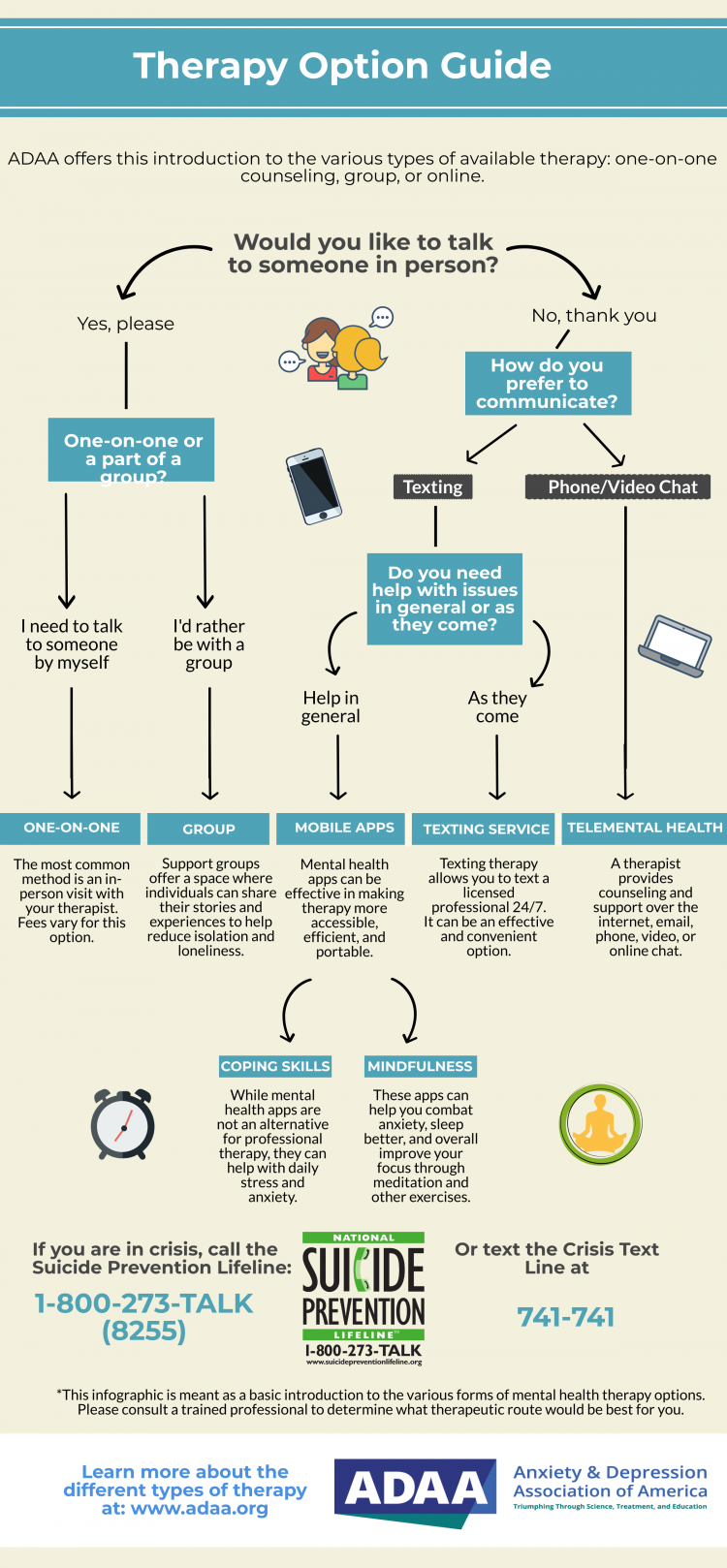
Can’t afford therapy?
Don’t fret; there are many affordable alternatives to traditional therapy, including:
- Employee Assistance Programme (EAP). A workplace program designed to provide confidential counseling and support for a range of work-related and personal concerns.
- College/university counseling services and mental health support. The service is often free to students.
- Online therapy
- Apps, support groups, and hotlines
Conclusion
Protect your energy. You cannot be in charge of your partner’s emotions, nor should you be. Be in charge of your own emotions and let other’s be responsible for theirs. While speaking up for your needs isn’t easy, but if you’re truly committed to living your best life, and having a fulfilling relationship, then it must be done.


