
Yes, You CAN Put Coincidences And Other Weird Stuff In Your Stories
5 ways creators can make strange incidents believable by learning from authors like Jane Austen
Once when I was just starting out as a writer, a magazine was a few days late in sending a check, and I wasn’t sure how I’d eat until it arrived. To burn off my frustrations, I went for walk in Carl Schurz Park, near my apartment in Manhattan, and just inside it, I found a wet $10 bill stuck to a bush after a recent cloudburst.
The park usually heaved with people but was nearly empty after the rain. Had I arrived on a sunny day, someone no doubt would have spotted that bill before I did.
Flukey or coincidental events like that can happen to anyone. So can harder-to-believe incidents: near-death experiences, miraculous recoveries from illness, life-changing chance encounters. Any of them can work in fiction if you make them credible to readers.
‘But it really happened that way!’
Like most writing teachers, I’ve at times told students that their description of an incident wasn’t believable, only to hear them protest, “But it really happened that way!” They’ve received a gentle correction.
Whether or not it “really happened” doesn’t matter in fiction. What matters is whether or not you make readers believe it did or willing to suspend their disbelief and stay with you.
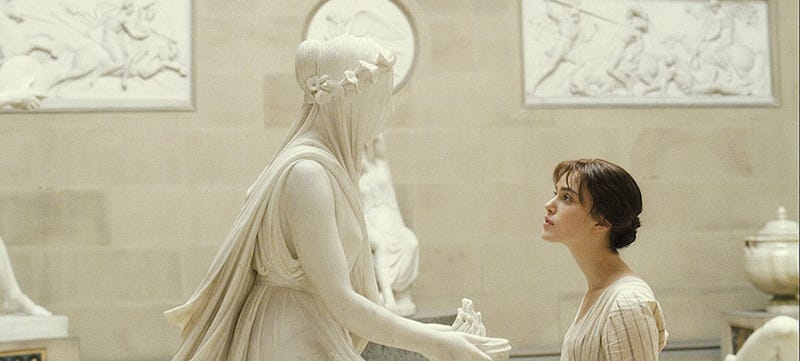
Three coincidences occur in Chapter 43 of Pride and Prejudice: Elizabeth Bennet’s aunt Mrs. Gardiner happens to live near Mr. Darcy’s estate, Pemberley. Her husband happens to have business that requires a visit after Elizabeth has rejected Darcy’s proposal. And Darcy happens to return early from a trip and run into them while they’re touring Pemberley, an encounter that causes her to see her proud suitor more favorably.
So many coincidences might be too much for a modern novel. But Austen was an exceptionally skilled writer, and the literary conventions of her day were different. And by the time the rapid-fire coincidences turn up late in Pride and Prejudice, most readers have invested so much in Elizabeth and Darcy’s romance that they’ll go along with them.
What if you or someone you know had an experience so strange, it might make a great story? If you have enough facts, you can write about it in an essay, memoir, or other nonfiction. That’s especially true if you’re telling a quick anecdote, as I did at the beginning of this story.
But what if you recall too few details of an incident to make it work as nonfiction? Or if you’d have trouble describing it without violating someone’s privacy? Or your experience was so personal, you wouldn’t want your clients or co-workers to know about it?
Then you may need to fictionalize what happened, or write about it in a novel, short story, or screenplay. That approach holds its own challenges. One is that you need to situate the coincidence or uncanny event in a context that makes it believable.
Two-time regional Emmy Award-winner Scott W. Smith gives screenwriters helpful tips on how to do that on his excellent blog, Screenwriting from Iowa, distilled into his book Screenwriting With Brass Knuckles. Screenwriting has conventions stricter than those for many other literary forms.
But much of Smith’s advice could work for creators of other types of fiction, including novels and short stories, as well as for some forms of creative nonfiction.
Here are five tips for writing about coincidences or other hard-to-believe events in fiction, culled from his blog and my experiences as a writing teacher of students ranging from adolescents to graduate students.
1 Banish ‘But it really happened that way!’ from your vocabulary
When you write fiction, you’re not a journalist trying to give a strictly faithful version of events. You’re trying to tell a story readers will believe.
2 Report accurately any verifiable facts in your story
If an incident happened at a real place, get the name, location, and related details right.
Are you writing about your bizarre experience of looking at Van Gogh’s The Starry Night at the Museum of Modern Art when you ran into the teacher who introduced you to the painting years ago and haven’t seen since? You can invent a lot when you fictionalize such an experience: what you wore, said, and felt. But you need to get the name of the artist, painting, and museum right, or you’ll undermine the credibility of your entire story.
3 Limit the number of implausible events except in high comedy
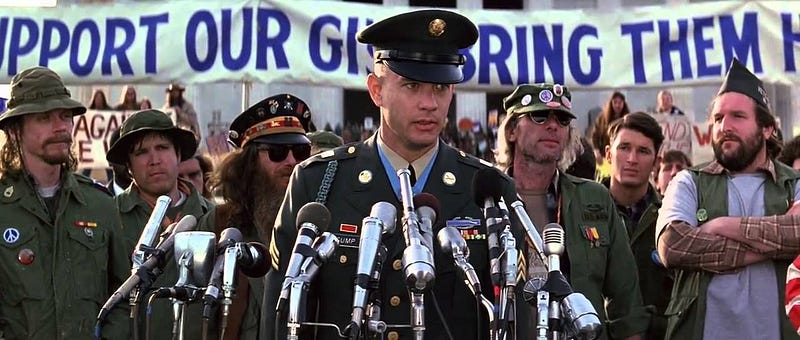
Coincidences may be baked into the plot in farcical or satirical fiction. Forrest Gump runs into Elvis, John Lennon, and John F. Kennedy, Scott Smith notes, and you don’t mind, because they’re part of the fun. Gump’s improbable encounters drive a story in which he also meets Abbie Hoffman and other celebrities.
You have less leeway in realistic fiction. Your story will look unrealistic if you include too many implausible events.
4 Introduce early an essential coincidence or odd event
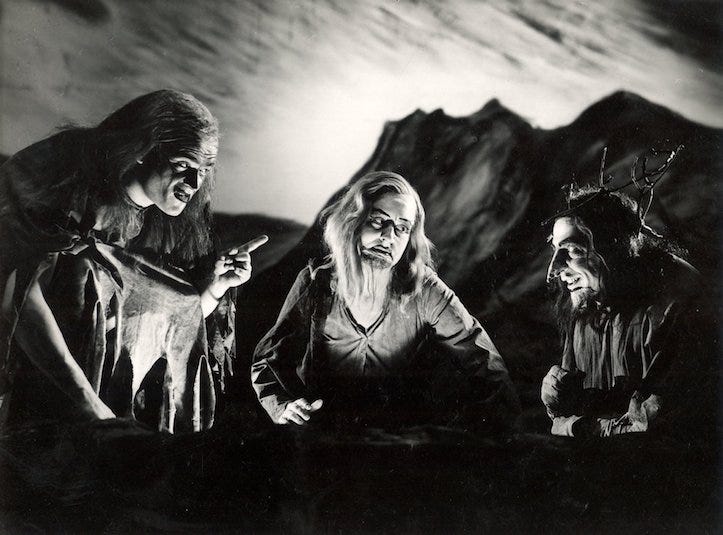
Three witches turn up in the first scene of Macbeth, and Hamlet appears to see the ghost of his father in the first act Shakespeare’s tragedy about him. In those plays, the witches and the ghost reappear later in the plot, but the opening act sets the tone for their return, which would have been jarring or inexplicable without a proper setup.
5 Don’t end your story with a coincidence, or use one to resolve a problem with the plot
Eleventh-hour coincidences break a solid, time-tested rule for endings in fiction: They should be surprising yet inevitable.
A coincidence is unpredictable and never inevitable. It’s often a deus ex machina, the literary term for someone or something that arrives out of the blue and solves a problem with the plot. It comes across at best as contrived and at worst as cheating.

Finally, consider a screenwriting truism cited by “Pirates of the Caribbean” screenwriter Terry Rossio in his Wordplay column: Coincidence must favor the antagonist. He writes:
“One of the classic rules of coincidence is that fate — if it must be present — should always favor the antagonist. If our hero has a gun on the villain and the hero’s gun jams, it’s called drama. If the villain has our hero dead in his sights, and the villain’s gun jams, it’s called a lousy cheat, a not-very-inventive way to sneak the hero out of his predicament.”
That principle is less strictly observed in novels and short stories, particularly in literary fiction. But it might help you decide whether a coincidence goes too far.
To paraphrase Smith, when your beta readers roll their eyes and give you a “you’ve-got-to-be kidding” look, don’t ignore it. They’re telling you that — while coincidences are part of your fictional toolkit — you haven’t found haven’t found the right hammer for your nail.
@JaniceHarayda is an award-winning critic and journalist who has been a writer and editor for Glamour and a vice president of the National Book Critics Circle. She has taught writing at two major U.S. universities and currently teaches and coaches writing privately on the Gulf Coast.
You might like another of my stories about books and writing:


