
Yes! Use Shopping as Therapy — Here’s One Way To Do it
Spending can make sense and save you from yourself
Me encanta! I love it in Spanish.
One of the first things I learned from “Guapa.”
She texted me the other day:
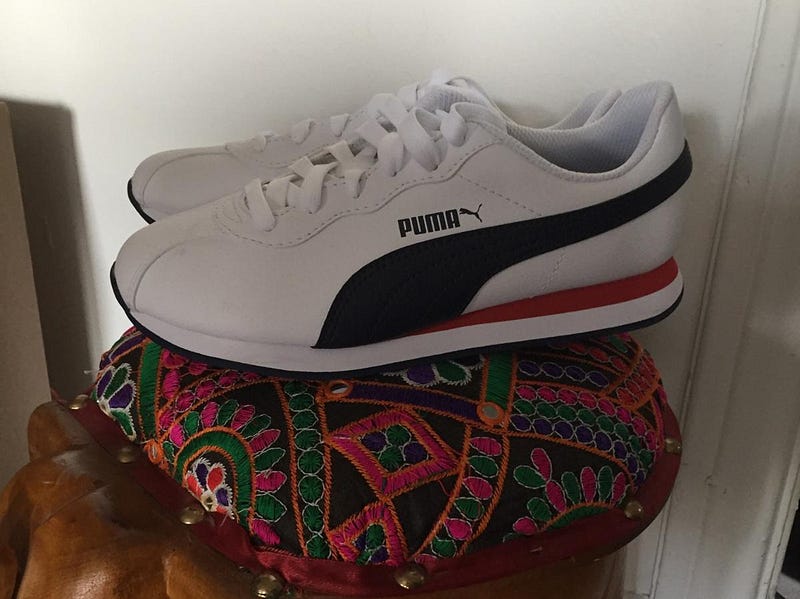
Talk about bad financial decisions! I got 2 new pairs of tennis shoes that I didn’t need at all. It was therapy shopping for sure.
My reply:
Me encanta, guapa!
She is beautiful. And I do love it!
I write a lot about frugality and an insanely low cost of living. However, I am not and will never be part of the cult of frugality. When you go to the extreme of the spending scale, you can do yourself more harm than good.
Medium author Mary DeVries made my point better than I ever could have in her recent 2 Minute Madness article:
I choose to be frugal in some areas so I can spend generously in others…
Savoring your daily cup of Starbucks may be exactly the luxury that is keeping you on track to meet your other financial goals. If so, own it and don’t feel guilty…
The world may try to pin a label on you, but you don’t need to accept it. Spend so you can save, and save so you can spend.
You crushed it, Mary.
Spend so you can save, and save so you can spend.
Mary gets it.
It’s sort of like the whole work to live, don’t live to work mantra. Increasingly, we find ourselves turning our passions and creative outlets into our livelihoods. Even still, it’s work. As much as you might love what you do, I reckon you’d love it more if you didn’t have to do it.
I love getting up each day, writing for Medium, and doing my other freelance work. I’m lucky enough — knock on wood — to have a flexible schedule. I can blow off entire days or work very little in a given day and still generate cash flow. It’s just the nature of the job I created for myself.
That said, I still long for the day when I’m 100% financially flexible. When I write an article while on vacation because I want to knock one out first thing in the morning while my girlfriend’s in the shower to keep the pace I set for myself. Not because I need to — or think I need to —to keep the cash flow wheels churning.
It’s a mindset.
Could I not write an article for an entire week or even a month and escape the process unscathed? Most likely. However, I’d feel guilty. Some of that nine-to-five work ethic mentality from my childhood still dogs me. In this regard, I continue to rewire my brain. Every time I “slack” and nothing bad happens, I actually come closer to true professional, personal, and financial freedom.
A similar dynamic applies to Mary’s motto.
Spend so you can save, and save so you can spend.
Reading that quote can trigger guilt, even feelings of irresponsibility. For many of us, it’s certainly counterintuitive, even if it’s anything but. Mary’s outlook on spending is super healthy.
Like anything else, you can’t just casually jump from not having a dime in your checking account or saved to running out and spending so you can save. That’s nonsensical. Objectively speaking, the math doesn’t work. If you’re broke and in overall bad personal financial shape, you’re either draining your checking account for stuff you don’t need or spending money you don’t have via credit cards.
That said, I can even see the logic behind the latter if you have some of your other ducks in a row — some savings, a relatively secure job. What’s a few hundred bucks on a credit card if you’re able to harness “shopping therapy” and make your overall life better in the process? Especially if you pay the card off when the bill comes.
Here’s the rule of thumb I like to use when you wrestle with buying something you don’t need with cash or credit. It bears repeating and should be a personal finance tenet.
When you spend money, does your checking account even notice?
I do this with small, mostly everyday purchases such as coffee. My checking account has no clue. It’s like I was sleeping beside it and, as I slowly slid my arm out from underneath its body, it's breathing never changed. So I comfortably “throw money away” each day at local coffee shops.
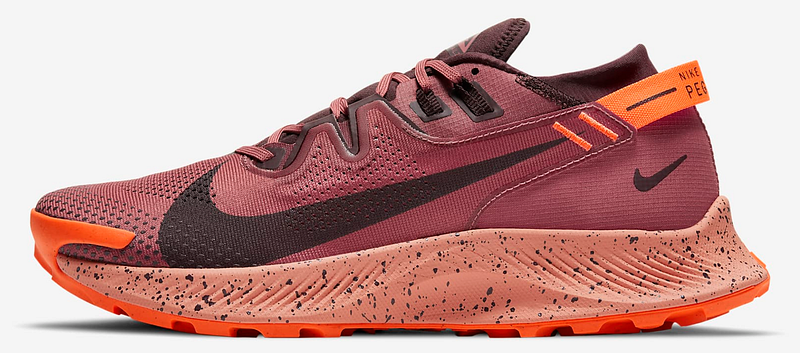
I do this with bigger, less frequent purchases. Like the other day, I decided I needed new sneakers. Partially guapa-inspired, I bought a $130 pair of shoes.
Do I need them? Yes and no. Do I want them? Absolutely. Will I get something out of the purchase? Pretty sure I will. Did my checking account flinch? Nope.
I might be rationalizing the hell out of this. But it’s better than not thinking about it at all.
I just don’t see the sense in viewing a lifetime like it exists in 20-minute capsules. This doesn’t apply to being present and enjoying the moment. However, it sure does apply to playing the nickel-and-dime game with yourself.
The frugality extremists don’t spend because they think it represents sound personal finance and a fast track to financial freedom. They’re misguided. They live how they live because it makes them feel better about themselves and superior to others. That’s at the core of much of it. This doesn’t necessarily make it a bad thing. If it works for them, who am I to judge? But let’s call it like it is.
It’s not much different than buying something because it makes you feel good. When you feel good, maybe you’re more productive and creative. When you’re more productive and creative, you work smarter. When these forces collide, you have hit life and personal finance’s sweet spot, especially if one result is making more money. Like you make more money, but you feel like you didn’t have to work that much harder.
If you tie yourself to frugality’s dogma, you run the risk of hurting yourself. Depriving yourself (when you don’t have to) can set you up for a world of hurt. It might feel like the right decision in the moment. However, the culmination of not allowing yourself to just be — to live — can have toxic psychological and, yes, financial consequences.
The day will come — for some people who rob themselves of living, all in the name of frugality — when things catch up to you, and you go off the deep end. If you can mitigate this real possibility of out and out financial destruction with little splurges here and there, you’re probably better off than the extreme savers who run around touting the line that they’re going to “retire” before they hit 40.
This article is for informational and entertainment purposes only. It should not be considered Financial or Legal Advice. Not all information will be accurate. Consult a financial professional before making any significant financial decisions.