
Xenophobia: A Beautiful Word for an Ugly Sentiment
It doesn’t feel good to experience a dose of xenophobia
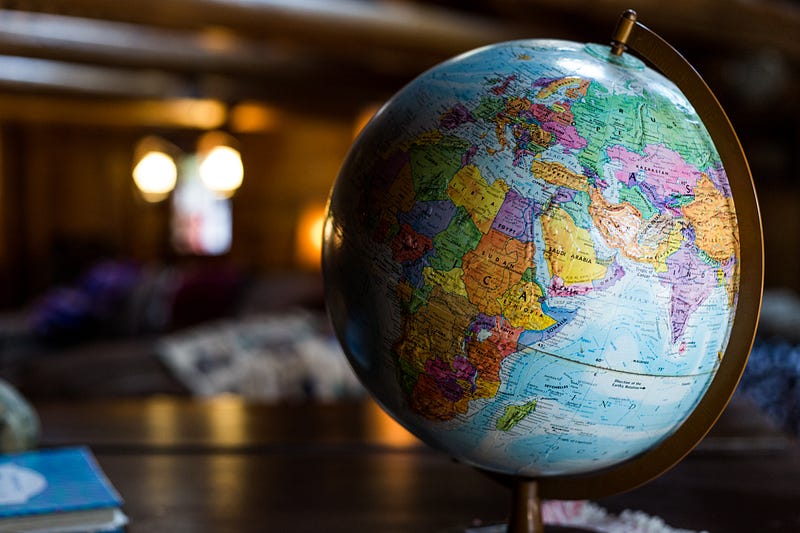
Globalisation only became a mainstream term in the late 80s, but by now, it’s a word everyone knows well. Perhaps it’s a word that you use daily.
Just look at your smartphone. It doesn’t matter the brand; it’s a product of globalisation. It might be from an American, Korean, Japanese, or Chinese company. Its parts are manufactured in places like Taiwan, Brazil, UK, Indonesia, and Germany. The final product is assembled in China, or perhaps even in Malaysia, the Philippines, or the Czech Republic. And that’s just your phone before you even turn it on and engage with people from all over the world.
Modern living isn’t local. It’s global. Xenophobia shouldn’t have a place in the contemporary globalised world. But it’s a reality for many, and today, I tasted its bitterness.
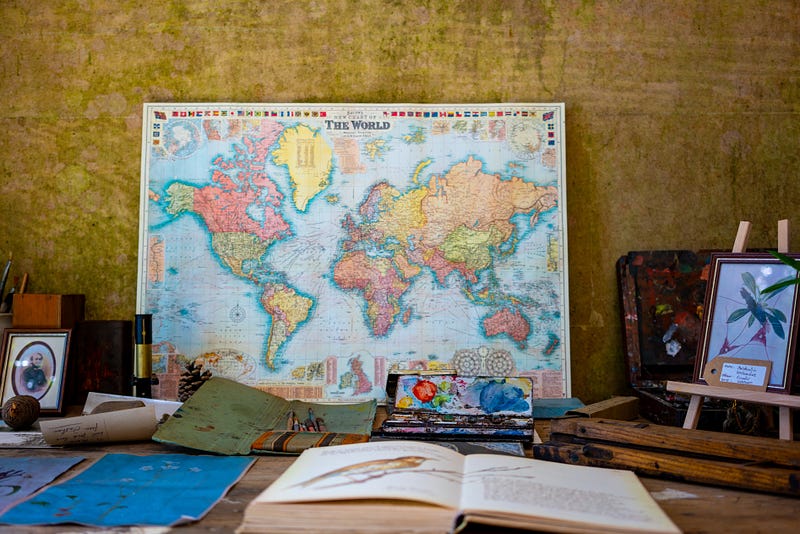
All around the globe
People move around the world for many reasons. Sometimes, it’s out of necessity — wars and famine aren’t yet a thing of the past. Other times, it’s by choice — looking for better opportunities, jobs, or even a more suitable climate.
Whatever the reason, expats are a common sight in many countries, making up 3% of the global population. Ireland is no different; in fact, such a multicultural aspect is even more exacerbated over here — with over 15% of the population being migrants and the country ranking 4th on the globalisation index.
I moved to Ireland in 2014, almost a decade ago. I can’t say I feel Irish, but I definitely feel very much at home. I have a life here. I married an Irish guy (well, half-Irish; his mother is Dutch), we bought a house and started a family together. We now have two little girls. Ireland is my home.
When I first moved here, we used to joke that finding other Brazilians in Ireland was easier than meeting an Irish person. Of course, that was an exaggeration, but it’s very much true that Ireland, and Dublin in particular, is home to people from all over the world. I would think it almost impossible not to know any foreigner if you live in Ireland. This island is generally very welcoming; the Irish people are great craic.
I’ve heard other Brazilians saying they encountered some sort of xenophobia or racism, but I hadn’t experienced anything like that in my almost ten years on this island. You see, I look foreign. I have tanned skin (although my Brazilian family and friends would find such a notion hilarious. Over there, I’m light-skinned); my eyes are dark, and so is my hair. I don’t look Irish, and I don’t sound Irish either. But I’m still white; my English is not too bad. So I never faced any problems. Until today.
I’m SCUM
My new glasses were ready today at the village. It’s not far from my house — just about a quarter of an hour’s walk. So, even though my baby is sick, I decided to go and collect the glasses. It was cold this morning, 10°C (about 50°F), and windy, but it’s a lovely sunny day. I put the little one on the buggy, a nice warm winter coat, and wrapped up in a cosy blanket for good measure. I gave her a cute crocheted doll I made a few years ago, and we were on our way. She wasn’t feeling too well, so she stayed in the buggy the whole morning, quietly watching the world as I pushed her here and there.
I collected my glasses, and also some Halloween candy on the way home. I’m helping organise the Halloween party in our housing estate. I’m in charge of one of the games, so I needed to get extra sweets to give out as prizes. The detour was too much for the little one, and she fell asleep on the way back. I tugged her in, put her buggy in a laying position, and continued on my way home. That’s when it happened.
“Scum.”
My heart skipped a beat. For the first time since moving to Ireland, I felt unsafe. It was just an old man on a bike. He zipped past us on the path beside the local primary school. I barely even saw his face; I wasn’t paying attention.
But I heard his word loud and clear.
“Scum.”
There was nobody else on that path. Just me pushing my sleeping baby on the buggy and this man on his bike. I wasn’t on his way; the path was more than large enough.
Of course, I don’t know for sure why he called me scum. I’m sure it was meant to me, he said it looking straight at my face while he passed me on the path. There was nobody else there. He didn’t stop to explain himself, so I can only guess the reasons that took him to call me scum.
I assume it’s because I’m foreign. It’s the first time such a thing has happened to me, and it feels rank. I know I don’t deserve it — I’m not scum. I’m not dirty, or even different. I’m a human being like himself, a woman like his mother.
But it still bothers me to know that there is someone out there who thought it was a good idea to call another person “scum” just for the sake of the hate. I can’t see how this has improved his day. But somehow, he must feel better for it; otherwise, why would he be bothered?
It certainly hasn’t improved my day. I don’t feel like scum, but I also don’t feel as welcome here as I did yesterday. Our daughter will probably start going to that school next September. I’ll be on that path every day, twice a day. Will I feel safe?
I’m sure this feeling will pass. One random guy can’t undo the almost ten years of being welcomed in this country.
I first heard the word xenophobia in a school lesson when I was ten. I thought it was a beautiful word. In Portuguese, the term is “xenofobia”, pronounced very similarly to English, although the x makes a “ch” sound. Of course, when the teacher explained what the word meant, I wasn’t such a big fan anymore.
But it would be another twenty-five years before I finally experienced it on my skin. It was just a brush, not an immersive experience, and for that, I’m grateful. But I’m also aware that I’m fortunate. There are many who are not as lucky as I am. Many who experience such atrocities on a daily basis, must keep going despite such gratuitous hate.
Let me tell you something, xenophobia feels bad. If anything is scum, that’s xenophobia.