
WWII’s Most Iconic Kiss On The VJ-Day Wasn’t Romantic But Forced
Unexpected true story behind this famous photo where the sailor & nurse were actually strangers.
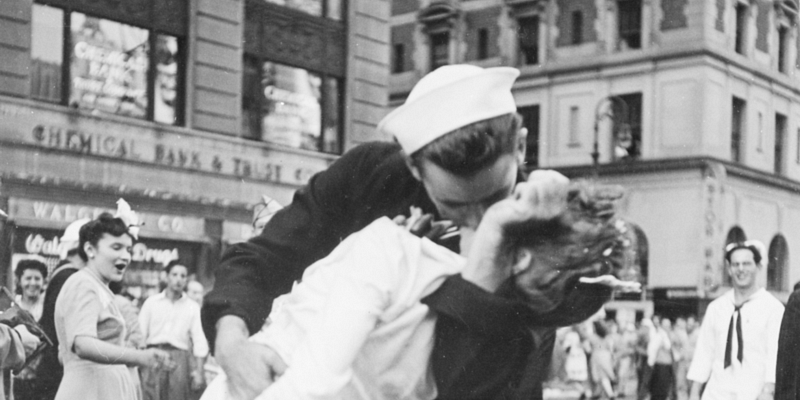
When the second World War finally came to its end on the 14th of August, 1945, people all over America took to the streets to celebrate the end of the longest and bloodiest war the world had ever witnessed.
The emotional outflow of happiness and relief is summed up by a photograph which was taken by Eisenstaedt — a sailor is kissing a woman in a white dress while celebrating Victory In Japan Day, more commonly known as the VJ-day, in the middle of famous Times Square.
The photo of a sailor kissing a nurse was published a week after as a full-page layout in Life Magazine, soon becoming one of the world’s most recognizable photo.
Who Were The People In Famous VJ-Day Kiss Photograph
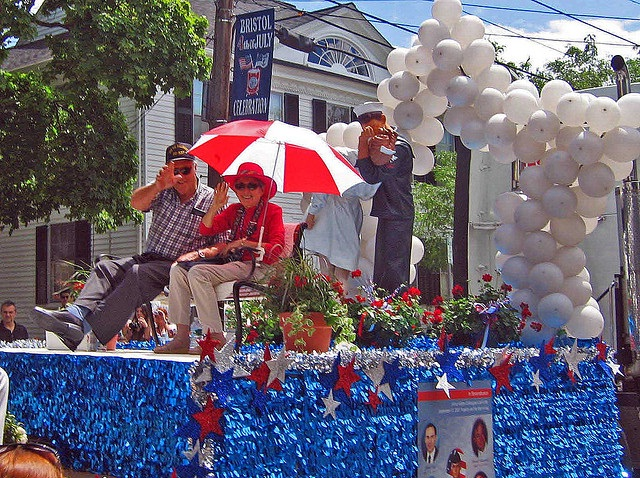
The man and the woman in the famous picture were more of a mystery despite all the fame the photo got.
However, in recent years few clues helped a lot in finding these subjects. It was tough to find the two real people in the image because many showed up after the photo became an overnight hit.
Dozens of men showed up and claimed that they were the sailor man in the photo; however, there were only a handful of women who showed up and claimed to be the nurse.
Forensic analysis of these individuals eliminated all except two claimants: Greta Zimmer Friedman as not a nurse but a Dental assistant, and George Mendonsa as the guy from the U.S Navy.
Greta first saw the photograph of her in 1960, and she says she instantly realized that it was her.
Greta proved she was wearing the same attire on that evening — especially the hair-do, before sending some of her photographs to the magazines.
It was in 1980 she was finally contacted by Life Magazine, where she first met the man who captured that photo, Mr. Eisenstaedt, who signed some of the pictures that Greta brought with her, also apologizing for the behavior.
Eisenstaedt, The Man Who Captured The Legendary Photo
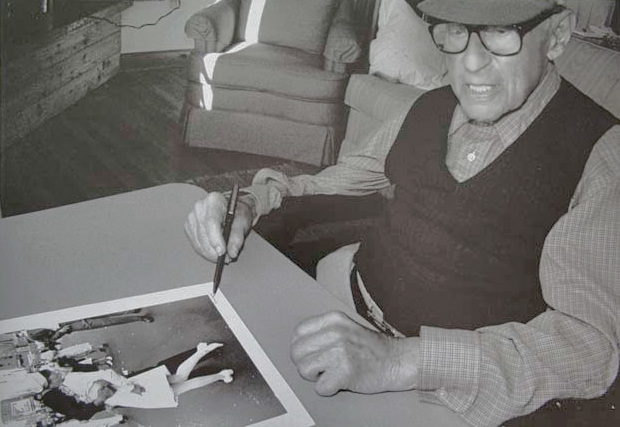
Eisenstaedt became famous after his photo was published in Life Magazine. This fame was not the one that would leave him anytime soon because the iconic image, well, let’s say, went viral to a degree it could have been in those days.
On the VJ-Day, Eisenstaedt was not the only one taking shots; however, he was in the right place at the right time to capture the moment.
Eisenstaedt was at Times Square when he saw a navy man walking around grabbing and kissing the ladies among the crowd.
It didn’t matter if she was young or old — Eisenstaedt noticed the woman in white nurse’s clothing standing in the midst of the crowd.
Suddenly a sailor came along, grabbed the nurse, and kissed her. It was this combination of black uniform, and white dress is what really gave the image its depth.
Furthermore, the photographer says if the woman were in any kind of dark dress, he wouldn’t have noticed her; thus, there would have been no photo.
Some Say It Is Not What It Seems
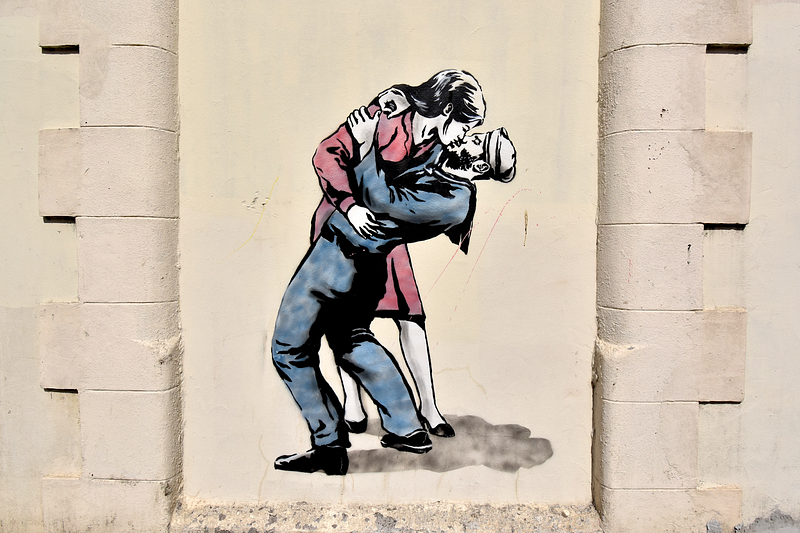
For a long time, we thought that the two people in the picture were lovers, casually roaming around Time Square, rejoicing at the fact that they had won, and finally, the Major War ended.
However, things were so different, and these other theories were proven when Greta herself spilled the beans in an interview of hers.
At the time, Greta Friedman was working as a dental assistant in an office that was situated on Times Square, and when she came out to see what all the fuzz was about, she soon ended up in Sailor George Mendosa’s embrace.
Furthermore, Greta said that all she felt was that the guy holding her was very strong — he was holding her very tight.
Greta was not sure about the kiss; it was just someone celebrating in his way; for Greta, it was more of a thank God the War has ended type of an event.
In the years that followed Greta’s interview, the moment was reinterpreted by many because of the things that Greta stated earlier.
The photograph was re-examined over and over again until they concluded that the kiss appears more forceful than loving.
After this conclusion, people started saying all kinds of stuff; for some, it became more of a sexual assault than a kiss that would be cherished by millions.
However, Greta Friedman didn’t view it this way still; she said that it wasn’t my choice the sailor came over and grabbed her.
Many Other Pictures Taken On That Day Should Be Of An Equal Importance
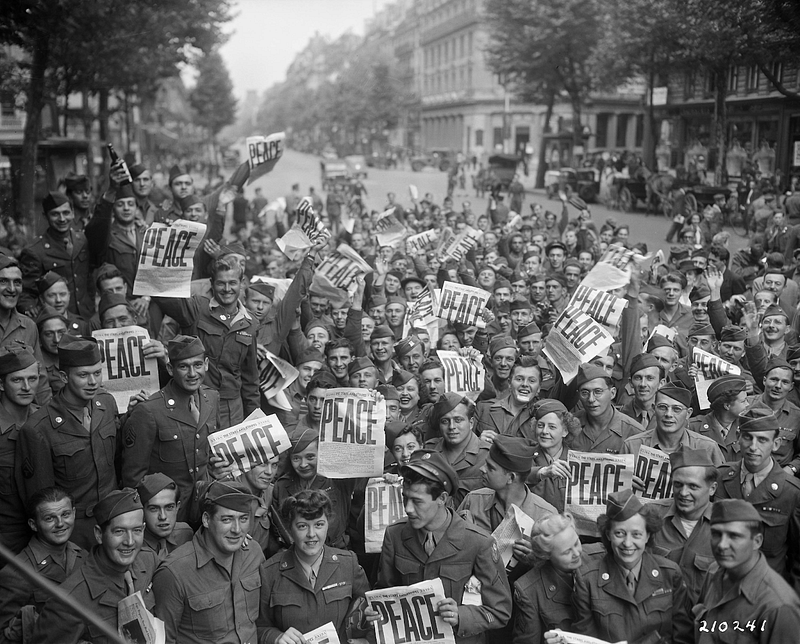
American men and women gathered in front of the Red Cross Club in Paris to celebrate the surrender of the Japanese. We can see how American troops celebrated the Victory in Japan while in Paris, France.
Parade in Chinatown of Montreal
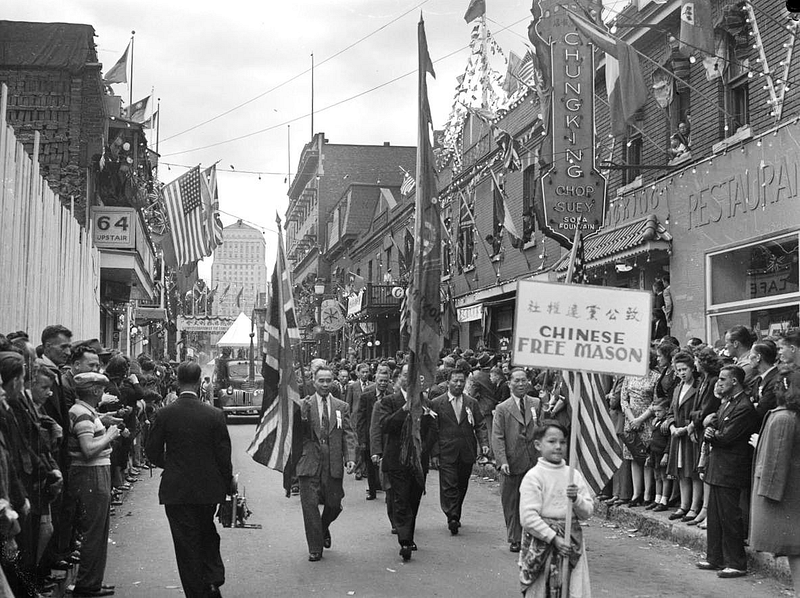
The image above captures how the Chinese community in Montreal’s China-Town, celebrated V.J. Day after Japan’s unconditional surrender.
Civilians, Service Men & Women Celebrating the Victory in Japan in London
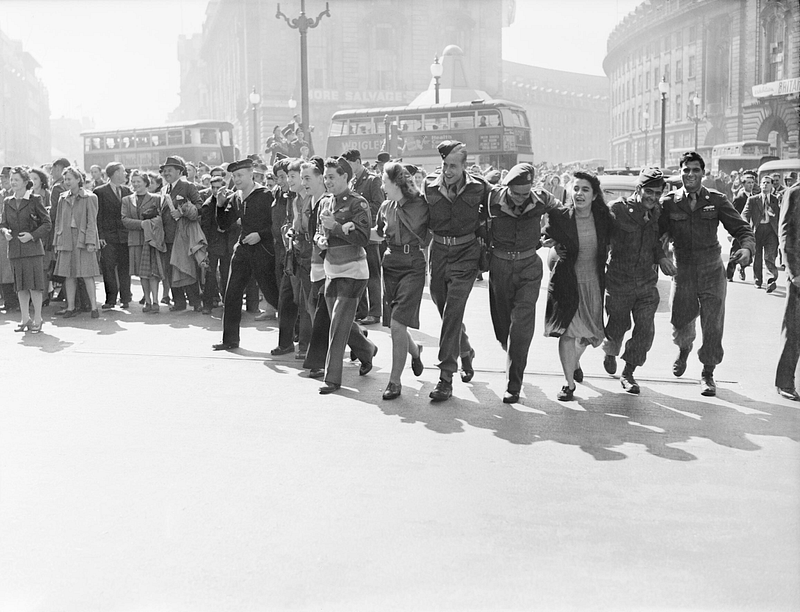
British service personnel and civilians celebrate at London’s Piccadilly Circus after the news of Victory in Japan in 1945.
The story of George Mendonsa and Greta Friedman became famous because of Eisenstaedt’s photograph; however, this sort of spontaneous celebration was common in those days.
Especially in large cities where people swarmed the streets, on the other hand, there were those who preferred celebrating in a more subtle way — like filling up their cars with extra gas or with bringing home some food and sodas to celebrate with their families at home.
Final Words
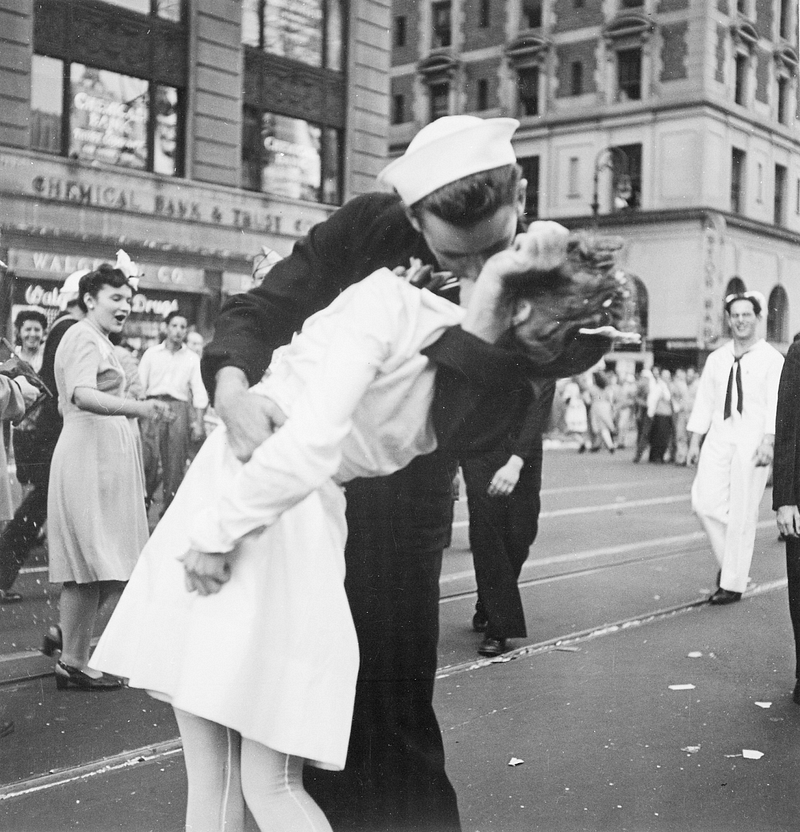
The end of war brought happiness for all; however, there were some who feared about their jobs and the families of soldiers.
Some people were worried whether their loved ones would return back home or not. This shows us how the world experienced mixed feelings during and after the war — to be honest it’s pretty complicated.
More from the author:


.jpg#mw-jump-to-license)


