
Writing to Escape the Words
Considering asemic writing, expressive calligraphy, and post-literate abstraction — ancient and modern…
It seems the origins of asemic writing, as a respected artform, can be found in ancient China, as far back as the mid-eighth century. Despite this, when I was studying art and design to degree-level — albeit decades ago, now — I never came across the term ‘asemic’ in relation to either graphic design or expressive art. Yet it was practiced by American poet, Emily Dickinson in the mid-nineteenth century and was central to the development of abstract expressionism in the 1950s ‘New York Scene’.
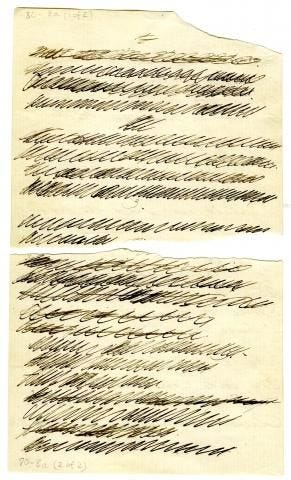
Incidentally, my spellcheck is still underlining the word ‘asemic’ in red as I type. Yet, I was recently curating a handful of submissions from a small group of artists and at least two mentioned their fondness of “asemic, post-literate mark-making”. Did they know it’s one of my favoured expressive modalities?
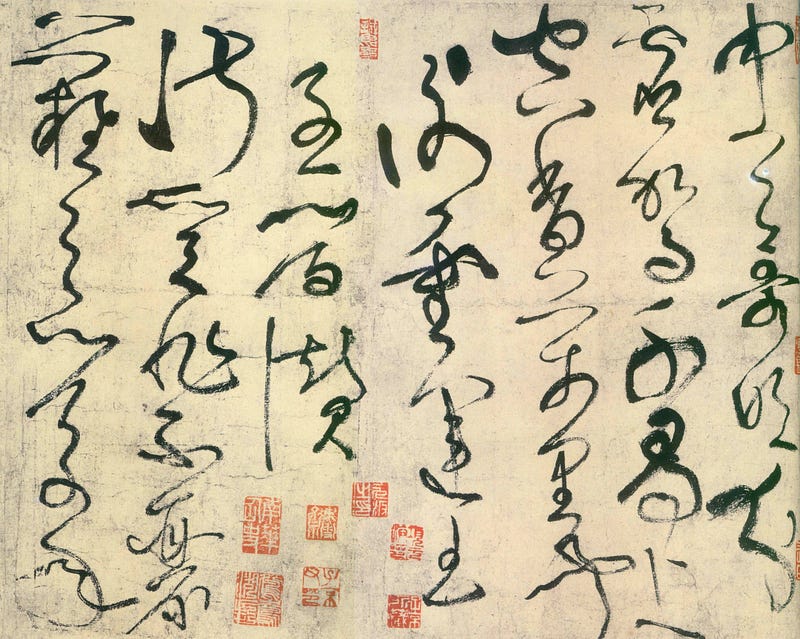
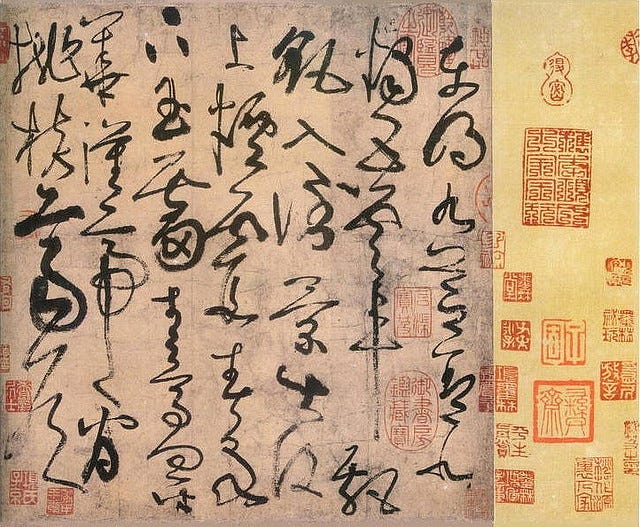
Perhaps the first deliberate practitioner of the form is Zhang Xu, officially known as Zhang Changshi, and as ‘Bogao’ to his friends. Zhang Xu was a poet, philosopher, and official calligrapher during the height of China’s Tang dynasty who was famed for his eccentric behaviour and fondness for wine. Reputedly, he would become so impassioned when writing his poems that his calligraphy became rushed and vigorous, sometimes so much so that it bordered on illegibility.
This would’ve been unimaginably radical for an official scribe of the era, when formal writing adhered to a strict grid pattern and used precise hanzi characters that relied on careful control of the ink-load, angle, and pressure of the brush tip. Zhang Xu, though, was very happy with the results that expressed the feelings behind the words more than their literal interpretation, which he considered insufficient to convey the depth of emotion that sometimes overwhelmed him.
Zhang Xu was also prepared to break with tradition and use vernacular handwriting, informal coashu cursive, and formal kaishu scripts, often colliding in hybrid forms. He pioneered a new, exciting calligraphic style known as ‘wild-writing’ or ‘grass-style’ due to its vigour, resembling wind-whipped grass. He is listed among ‘The Eight Immortals of the Wine Cup’ — a group of creatives who used alcohol as a method of pushing through conventional and creative inhibitions. Indeed, China has a long tradition of utilising alcohol to break down social barriers and recent archaeological discoveries, in Zhejiang province, indicate the ritual use of fermented beverages dates back at least nine millennia!
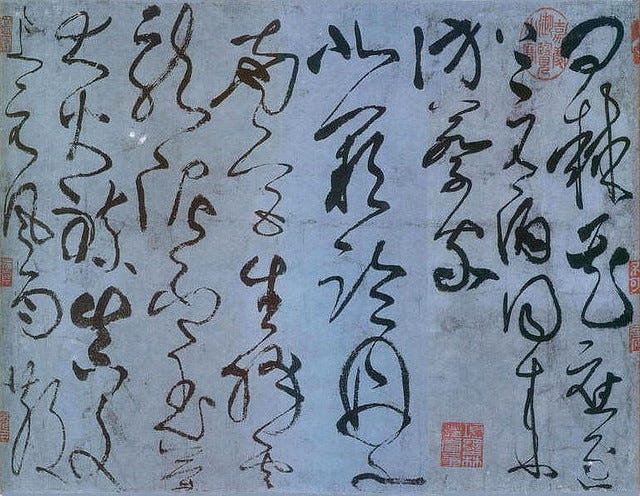
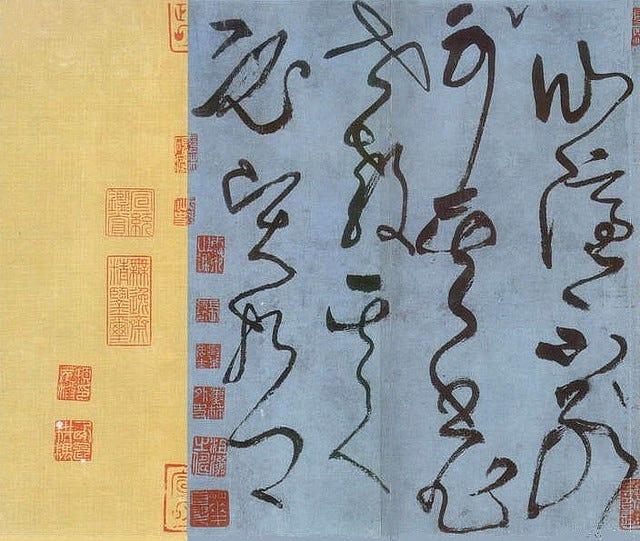
My favourite story about Zhang Xu is that he had passed out after an evening spent prodigiously imbibing only to awake, drunkenly inspired in the middle of the night. In the half-light he couldn’t find his brush so, he twisted his long hair together and dipped it in the ink instead.
In the morning he woke to find the scroll he’d written and was most impressed with the energetic calligraphy — some of the best he’d ever achieved in terms of vitality, strength, and fluidity! The only problem being that he couldn’t read it back and had forgotten the words of the verse. However, this didn’t bother him in the slightest as he could ‘read’ the depth of honest passion usually concealed behind the intellectual meaning of words. Apparently, this innovative approach was one he would deliberately employ from then on, influencing the calligraphy of his successors.
Here, the famous quote from maverick graphic designer David Carson springs to mind: “Don’t mistake legibility for communication.”
Which brings us nicely to a definition of asemic writing… Y’see, one may think that the scruffy hand-writing of a friend that only they can decipher might qualify as asemic. Or, maybe, script written in an unknown foreign language. This would not be the case as the mark-making still has literate meaning encoded within it. Therefore, it is semantic — meaning that it could, in theory, be interpreted as words which, in turn, are cyphers for pre-established meanings beyond their formal appearance.
Asemic is, pretty much, the opposite of semantic. Asemic mark-making should be impossible for even the writer to decipher in terms of literate language. There may well be an aesthetic parallel with writing, yet there should be a ‘vacuum of meaning’ that the viewer is allowed to fill with their own interpretation, albeit influenced by the formal characteristics of the patterns employed by the artist. In this way, asemic writing overlaps significantly with abstract expressionism that certainly conveys emotional, but non-literate, meanings.
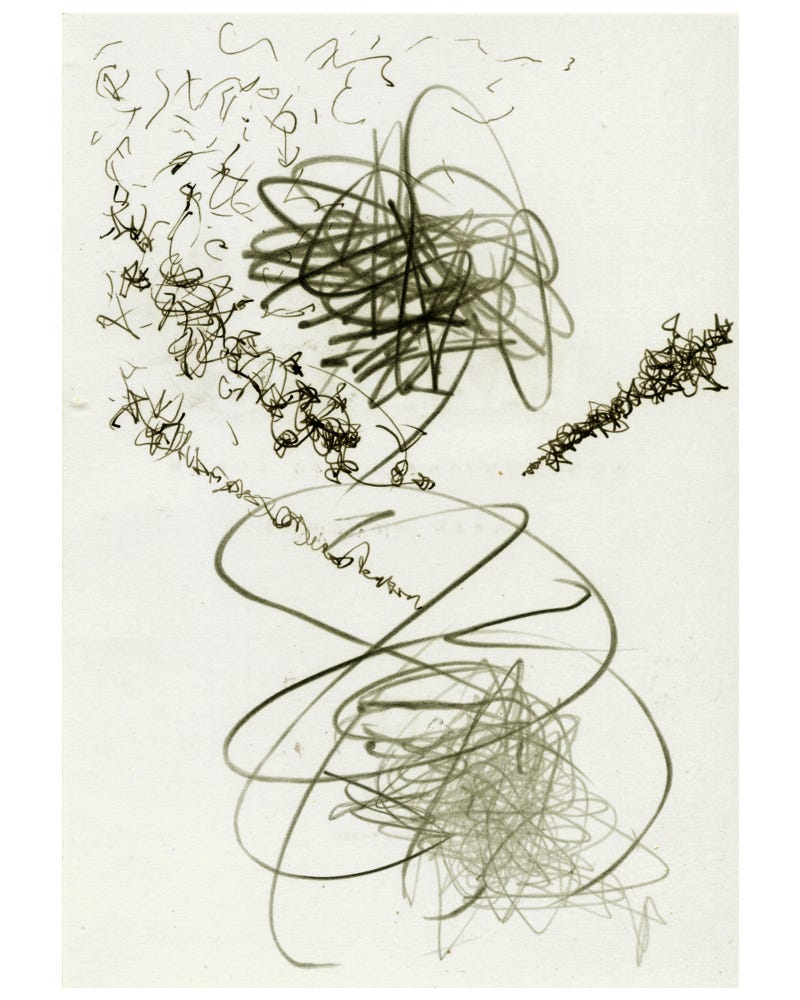
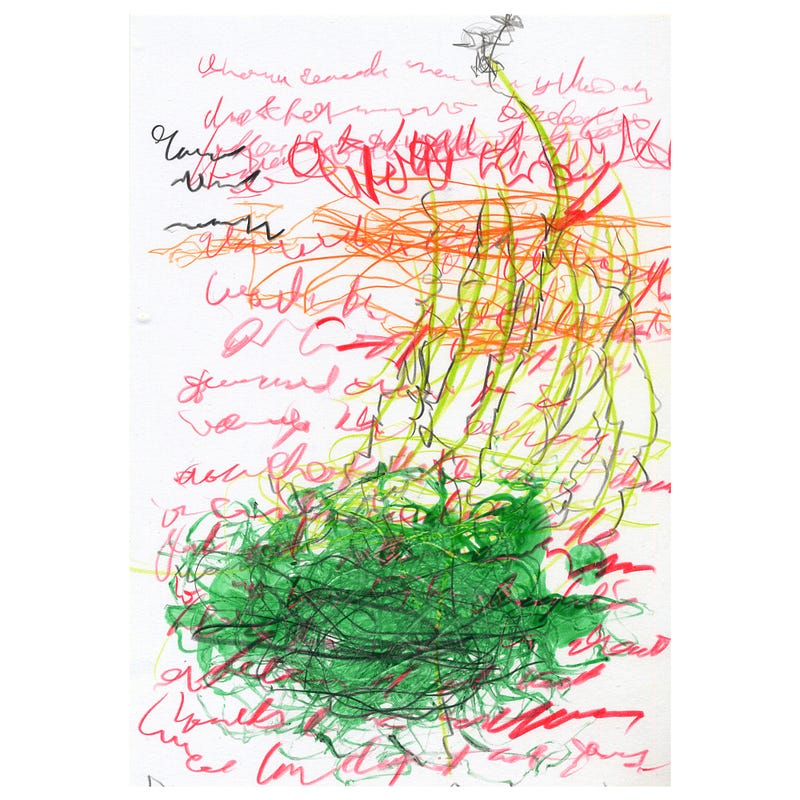
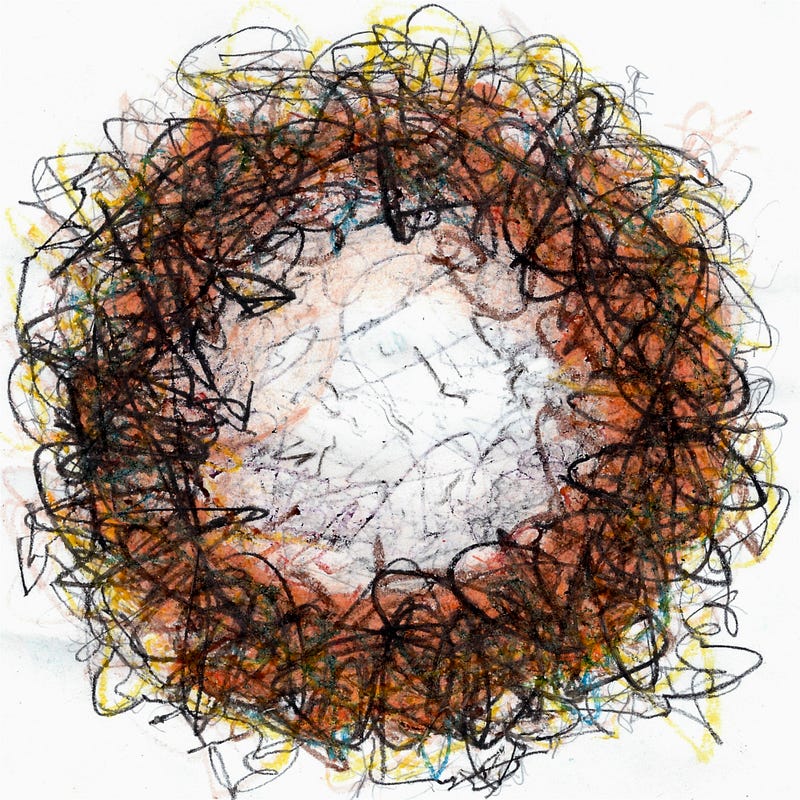
A big part of my own creative practice has been experimenting with the gesture of writing as a form of drawing, trying to find common ground for writing and visual art to cohabit. Using the same pathways from mind, through brain, to hand — utilising those same conditioned (hand-writing) reflexes to create a unique visual language of mark-making that shares many formal elements with writing, without the encumbrance of literal meaning… Expressing emotions whilst avoiding the deliberate formation of word-language and so, perhaps, circumventing the cultural dogmas often attached to words and languages.
I find this approach exciting and adopted it as an on-going method of creative exploration. I’m indebted to one perceptive gallery visitor who described these works as, “a tiny form of dance, recorded visually,” which I find a good description, offering a way toward an understanding of the concept.
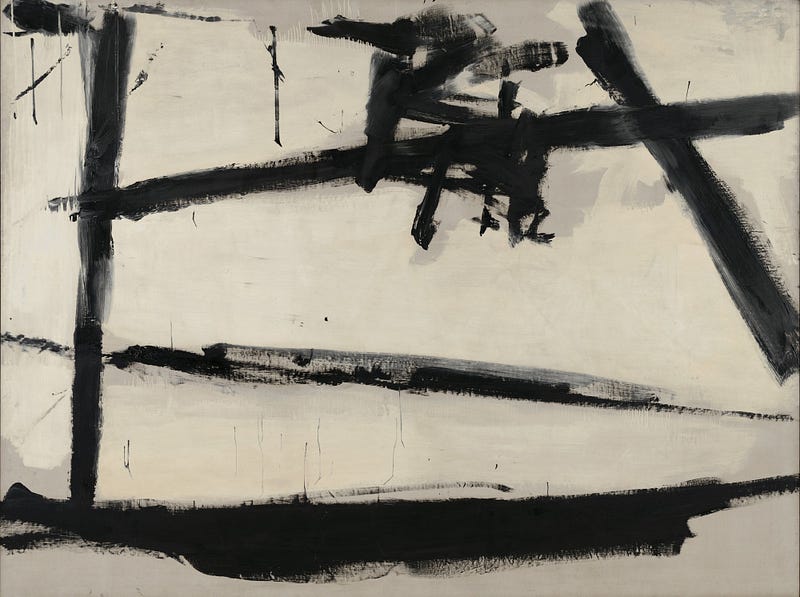
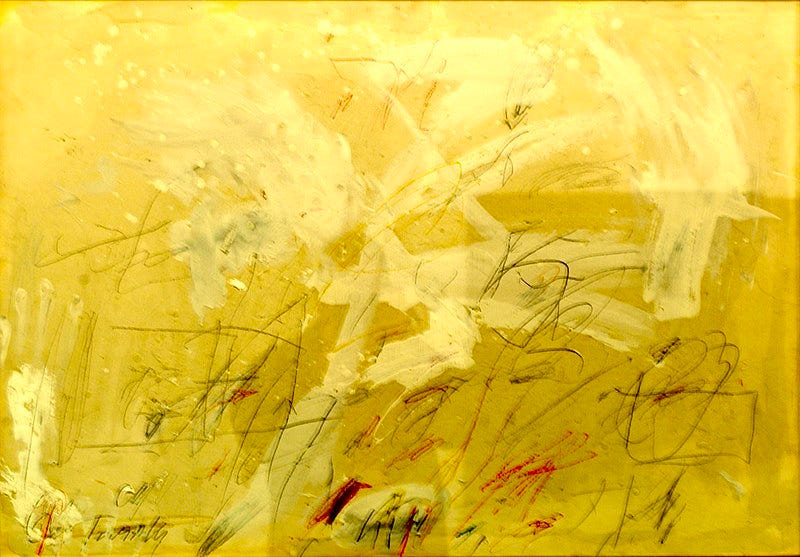
Sometimes, asemic writing is also discussed in terms of post-literate abstraction, particularly relating to the works of artists like Franz Kline and Cy Twombly. Kline employed the aesthetics of Oriental brush calligraphy to balance positive and negative forms across his bold canvasses. Sometimes, he was enlarging smaller gestural marks, made using his ‘writing muscles’, to the limits of ergonomic scale.
Twombly employed literate notations pushed to the limit of legibility and often relinquished text-based form in favour of his own symbols, some of which became intuitively expressive — effectively abstract rather than intellectually constrained. Ideas of asemic writing can also be detected in the prints of Hans Hartung, and most readily in the whole-body, human scale action painting of Jackson Pollock.
So, asemic writing can be approached as a branch of Abstract Expressionism that takes many forms: unreadable poems, meaningless cyphers, writing in a code that even the writer cannot read back… and yet, I have seen and heard live readings of asemic poetry!
Cited as the pioneer of ‘concrete poetry’ in the 1960s, Bob Cobbing was known to perform selections of his sound poems, read from purely visual patterns on the page rather than words. He famously wrote an epic poem by progressively slicing through a cabbage and taking prints from the cross-sections as they expanded and then diminished from page to page. Cobbing would then perform such poems, reciting them before a live audience, often accompanied by a stringless guitar, played by using different substances and textures rubbed over its soundbox. In this way, he managed to fuse visual art, which could be displayed on gallery walls, with performative elements that bridged between sonic sculpture and poetry — a voice transcending the bondage of words whilst remaining potent and honest at its primal core.
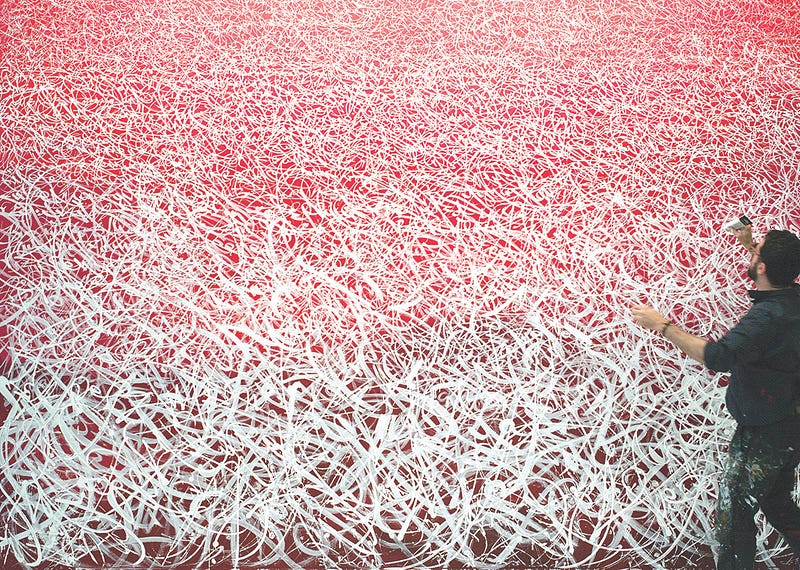
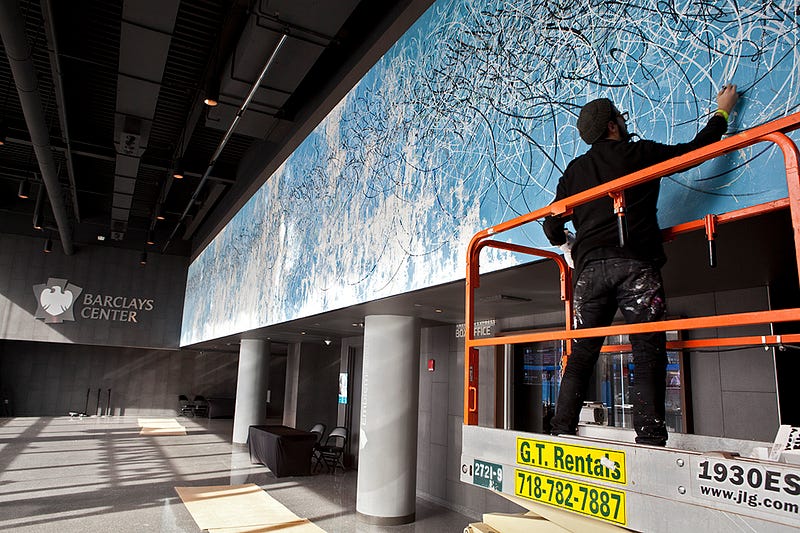
Probably, the most prominent contemporary proponent of asemic writing (apart from the author*) would be José Parlá who started out as a graffiti artist on the streets of Miami and pushed the medium’s concept of expressive typography and ‘tagging’ into the realm of the abstract.
Parlá’s approach is showcased with his breakthrough public works including two huge murals for Toronto’s Concord CityPlace in 2010; another titled Diary of Brooklyn installed in 2012 at the Brooklyn Barclays Centre; his large 2013 work for the Hunt Library of North Carolina State University; and arguably his most prestigious to date, One: Union of the Senses, a 15-feet high and 90-feet long work unveiled at New York’s World Trade Centre in 2014. Asemic writing, it seems, has recently become a big thing in the art world… and ‘out there’ in public spaces.
* reader to add appropriate level of irony.
Some parts of this article were originally published at https://remydean.blogspot.com.


.jpg)
.jpg)
.jpg)

_-_Cy_Twombly_(1928_-_2011)_(29493634887).jpg)

