
Writing is as Easy as Baking Cookies
An analogy to explain writing
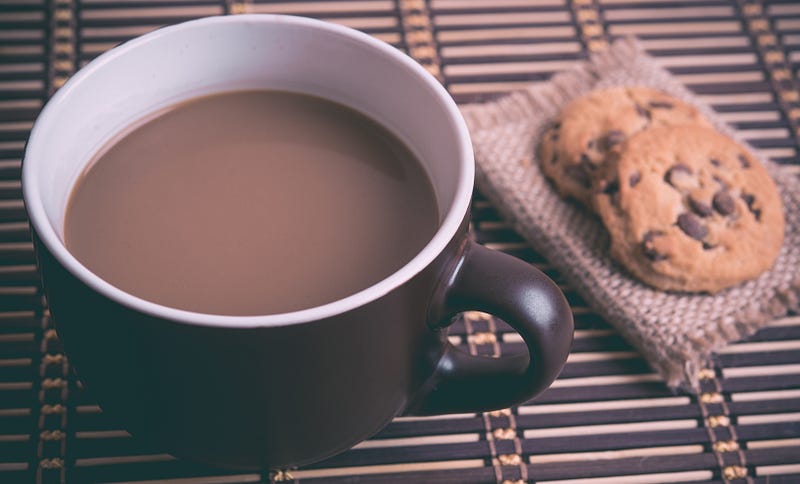
Most people learn from analogies. Comparisons strengthen understanding; thus, application occurs. The process of baking cookies and the process of writing form a natural analogy. One that easily demonstrates the importance of the writing process. Most individuals are familiar with baking cookies, or at least eating them, so this comparison clarifies the value of a process to a beginning writer.
Similarities exist in the process of following a recipe for cookies with that of moving through the stages of writing. Each should lead to a palatable outcome; one that can be savored, enjoyed, and celebrated.
Prewrite: check supplies and gather ingredients
Products do not miraculously appear when baking begins. Planning is required. A baker would not begin making cookies without first checking the cupboards for necessary ingredients. Likewise, a writer gathers thoughts and ideas before writing a paper.
A recipe explains how each item in the list can be used in the beginning stage of baking cookies. For the writer, a list of ideas gathered from prewriting prompts creative juices. A baker checks the cupboard to make sure that all the necessary ingredients are present before mixing. Similarly, a writer explores the dark corners of their minds where proven and favorite strategies are stored that lead to successful writing.
While a baker gathers the ingredients, she must determine if the quantity of each item is enough for the recipe. Writers usually do several prewrite activities to ensure they have enough information before they write the first draft. This analogy stresses preparation; it demonstrates why a baker would not just jump into mixing ingredients, but instead gathers all ingredients and check quantities before mixing. Too often, writers do not set aside time for prewriting.
In the beginning the ingredients can be separately seen within the same bowl and ideas are simple sparks of inspiration. But when the contents are mixed together, a substance blends and develops. Ideas are joined together to create a draft.
Writing: mixing the dough
Without the baking ingredients the dough cannot be made; without the prewriting ideas the rough draft cannot be created. As the ingredients blend in the bowl the ingredients collectively reshape themselves. This is the same as blending the different prewriting ideas to form a rough draft.
At this point the dough is not a cookie and the writing is not a finished product. They can both be consumed but neither has reached its full potential.
Revise: bake, add nuts, and bake another batch
Before placing the cookie dough on a cookie sheet, the final flourishes are added: chocolate chips, nuts, M&M’s or a multitude of other embellishments. Once placed in the oven more changes happen as the ingredients meld together, firm up, and change color to an appetizing light brown.
Once the first batch is removed from the oven, a cookie must be sampled to determine its quality. Does it need more flour? Sugar? Could candies be added to create a more flavorful experience? Each of these additions creates a change in the original dough. Each change is made to more closely respond to the tastes of those who will eat the cookies.
The word change should resonate when discussing revision. By bringing the analogy back to revising a paper, a writer has an increased awareness of the audience and purpose of their writing. Their changes make the communication more logical and clearer for the reader — more appetizing.
Edit: decorate
Finally, after cooling, the finishing touches can be added to the cookies: a dusting of powdered sugar, icing, or decorations. Though the cookies now are ready to eat, the decorating enhances the look and creates a desire to devour the final product. Bakers understand they would not decorate a cookie before it is baked, and they realize decorations would melt and drip down the sides if applied prior to cooling. The decorating should wait until the end of the process.
This part of the analogy demonstrates why a writer should not do the final editing before a draft is complete. By editing after revision, the writer gets one last opportunity to prepare the draft for consumption. Little touchups are applied to eliminate messy sentence construction and other errors that distract from the beauty of the final draft. The writer’s goal is to publish a final draft that not only looks appealing but also can be intellectually ingested by the intended audience.
Publish: pour the milk and enjoy
A baker takes pride in the accomplishments laid on the table and already imagines the type of cookies to bake next time upon entering the kitchen. Similarly, the writer celebrates in her accomplishment. A need exists to share with readers. A baker does not bake cookies and then hoard them; instead, the baker shares with others and welcomes the connection she has created between herself and eaters. Writing creates bonds between writer and readers. Finishing a paper provides a venue for communication with many readers and a cause for celebration.
When writers think about writing as a process, the words gain flavor, entice readers and leave a pleasing taste after consumption. By following this recipe for writing, readers will relax with coffee and enjoy your writing — maybe with some cookies.


