inevitably, no one) such as a form letter you get from a cold institution: “Dear Occupant.”</p><p id="1a7f">The “generic marketing video’’ shows examples of cold cliches repeated again and again until they mean nothing. Specific always beats generic.</p><h2 id="8df3">The related Rule of Email</h2><p id="2a5b">The more people you copy on an email, the less likely it becomes that any one person will reply (since it’s to a group but not specifically to them). If I email you personally in a meaningful way, you’re more likely to answer.</p><h2 id="8308">Contrast the generic with a love letter: The more specific, the better</h2><p id="fe3a">Think back to the first “great’’ love letter you ever received, one that gushed about you, by name: words that mentioned your unique gifts making you one of a kind. The more specific the letter was about you, the more likely you were to read it repeatedly and save it.</p><p id="11f9">I still have letters my grandpa sent my grandma decades ago. However, if a person or organization wrote me a generic impersonal card with a “luv ya,” that impersonal bit of writing eventually wound up in a garbage bag.</p><h2 id="65ac">Writing is a dance between you and your reader</h2><p id="e5d3">Writing with a specific person (or a composite or imaginary person representing the ideal person you hope to reach) turns writing into a dance between you and “the other,” the specific reader you have in mind.</p><p id="6904">When I started writing for newspapers early in my life, we couldn’t know exactly who or how many people were reading our printed word, at least not immediately.</p><h2 id="200a">Writing Online vs. Writing for Print</h2><p id="5ada">Today, via social media and sites like Medium, we can know almost instantly how many people have viewed, read or clapped for our words (which is both wonderful and terrifying). Getting no response is rather depressing. but even depression can be a gift: If something isn’t connecting online, we can go back
Options
and edit and rewrite, trying different words.</p><p id="acee">In the days of pure print, words were far more final: I worked at an institution that misspelled the first name of their biggest donor (Steven instead of Stephen) in a page 1 headline. They decided to recall every paper and destroy it rather than risk offense to the major donor. Online, we can fix something immediately for free.</p><h2 id="0ac3">Story + Identity = Mission</h2><p id="a5a9">Remember, we all have a story (including the hopeful story of who we hope to be, the true story of who we actually are and the greater story of who we are meant to be). The story we focus on shapes our identity and our identity leads us to our life’s mission and purpose:</p><div id="0ff3" class="link-block">
<a href="https://readmedium.com/story-shapes-identity-mission-de96a396e55">
<div>
<div>
<h2>Story Shapes Identity, Mission</h2>
<div><h3>Your story shapes your identity, leading to your mission and purpose: who you are and should become…</h3></div>
<div><p>medium.com</p></div>
</div>
<div>
<div style="background-image: url(https://miro.readmedium.com/v2/resize:fit:320/0*B176g8tbbV9Cw7pj)"></div>
</div>
</div>
</a>
</div><div id="cf0e" class="link-block">
<a href="https://readmedium.com/stories-within-stories-1de3142f719e">
<div>
<div>
<h2>Stories within Stories</h2>
<div><h3>Great films and books unravel hidden stories, details and messages within bigger stories…</h3></div>
<div><p>medium.com</p></div>
</div>
<div>
<div style="background-image: url(https://miro.readmedium.com/v2/resize:fit:320/1*HJHLHrI_O5ZBjH2zu_RFXw.jpeg)"></div>
</div>
</div>
</a>
</div></article></body>
Writing for Readers
We treasure love letters — hating generic “form letters.” One touches, the other leaves us cold …
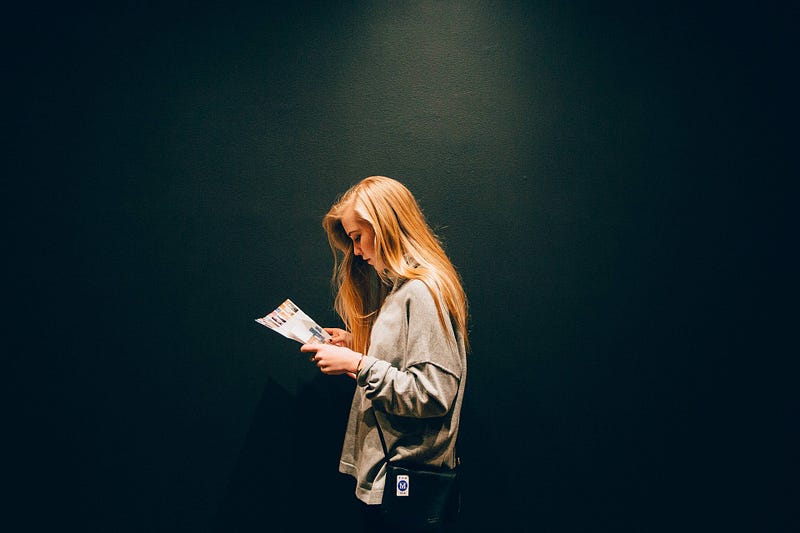
The best writing lesson: Imagine a specific person you hope to reach. Write your words to and for that single person you hope to move and you’ll wind up growing your audience greatly.
The top communications error:
typically, we assume that everyone knows a key detail we leave out of a story (assumimg people already know this detail you think is so obvious). If you have a certain kind of reader in mind (your target audience) you can make sure you’re telling them what theyneed to know.
Avoid the Generic…
The worst, generic writing is written for everyone (and inevitably, no one) such as a form letter you get from a cold institution: “Dear Occupant.”
The “generic marketing video’’ shows examples of cold cliches repeated again and again until they mean nothing. Specific always beats generic.
The related Rule of Email
The more people you copy on an email, the less likely it becomes that any one person will reply (since it’s to a group but not specifically to them). If I email you personally in a meaningful way, you’re more likely to answer.
Contrast the generic with a love letter: The more specific, the better
Think back to the first “great’’ love letter you ever received, one that gushed about you, by name: words that mentioned your unique gifts making you one of a kind. The more specific the letter was about you, the more likely you were to read it repeatedly and save it.
I still have letters my grandpa sent my grandma decades ago. However, if a person or organization wrote me a generic impersonal card with a “luv ya,” that impersonal bit of writing eventually wound up in a garbage bag.
Writing is a dance between you and your reader
Writing with a specific person (or a composite or imaginary person representing the ideal person you hope to reach) turns writing into a dance between you and “the other,” the specific reader you have in mind.
When I started writing for newspapers early in my life, we couldn’t know exactly who or how many people were reading our printed word, at least not immediately.
Writing Online vs. Writing for Print
Today, via social media and sites like Medium, we can know almost instantly how many people have viewed, read or clapped for our words (which is both wonderful and terrifying). Getting no response is rather depressing. but even depression can be a gift: If something isn’t connecting online, we can go back and edit and rewrite, trying different words.
In the days of pure print, words were far more final: I worked at an institution that misspelled the first name of their biggest donor (Steven instead of Stephen) in a page 1 headline. They decided to recall every paper and destroy it rather than risk offense to the major donor. Online, we can fix something immediately for free.
Story + Identity = Mission
Remember, we all have a story (including the hopeful story of who we hope to be, the true story of who we actually are and the greater story of who we are meant to be). The story we focus on shapes our identity and our identity leads us to our life’s mission and purpose: