avatarJane Frost (Jane Grows Garden Rooms)

Free AI web copilot to create summaries, insights and extended knowledge, download it at here

2050

Abstract

tos and submitted them to a Facebook group for identification. I was relieved that it was native and thrilled that it was edible.</p><figure id="74b5"><img src="https://cdn-images-1.readmedium.com/v2/resize:fit:800/0*QM_yZu-Uz1exOkzf.jpg"><figcaption>The split orange berry is ready to harvest for the edible white aril and seeds to plant.</figcaption></figure><p id="9c35">The white arils in the berries taste like coconut, but they aren’t a substantial harvest. Apparently the roots, which are popular with Wombats and Bandicoots, are crisp and sweet. I haven’t sampled them yet, but as soon as I have some growing in my Permaculture Room I plan to try them! The roots can be up to a metre underground so it hardly seems worth digging in to our compact soil and depriving the ecosystem of this endemic species. The other advantage is that I can continue to harvest seeds from established survivors.</p><figure id="111a"><img src="https://cdn-images-1.readmedium.com/v2/resize:fit:800/0*GU9P4vDJQq_iGcYZ"><figcaption>A Wombat Berry vine climbing a fence. Photo by Author</figcaption></figure><p id="db1c">In my area Wombat Berry can be found sprawling across the ground or climbing anything from fences to shrubs to small trees. It is an understorey plant so it is frequently found in the shaded areas and a great vine to grow in a shady spot. I have one established plant that has survived for years in a very sunny spot with compacted soil, but it is the exception to the rule. The rest are all in well-shaded locations.</p><figure id="32cd"><img src="https://cdn-images-1.readmedium.com/v2/resize:fit:800/0*VXhpXnUIeeIRUEtj"><figcaption>The leaves of Wombat Berry Vines connect directly to the stalk with no petiole. Photo by Author.</figcaption></figure><p id="7ac4">There are two forms of this plant and countless variations in those two forms. The leaves can be very thin or as broad as a Scrambling Lily. Another way to distinguish the two plants is that the Wombat Berry leaves connect directly to the stem whereas Scrambling Lily has a shor

Options

t petiole (stalk). Wombat Berry flowers look furry whereas Scrambling Lillies don’t.</p><figure id="48fe"><img src="https://cdn-images-1.readmedium.com/v2/resize:fit:800/0*HCjLB-88jvcRsKZT"><figcaption>Seeds ripe for harvest. Photo by Author.</figcaption></figure><p id="c990">This hardy survivor lasted through the two year drought with no apparent issues, though I wonder if the root would be as palatable after a lengthy time without rain. I haven’t observed any species eating the berries or digging up the roots but the berries frequently vanish from the most visible vines. From research, I suspect it may be King Parrots who reportedly love the berries and seeds. Wombats and Bandicoots are rarely sighted in our area due to being displaced by development. Perhaps this is why I never see any signs of digging around the plants.</p><p id="e570">This vine is ideal for any size gardening space. Its tolerance of various soil types and drought-hardy nature mean that it can be planted almost anywhere. If you wish to try the tubers, a hanging pot is recommended so that the soil is loose. You also get to enjoy the hanging leaves and bright orange berries for a couple of years before harvest!</p><p id="5911">This story was originally posted on the Jane Grows Garden Rooms Blog.</p><p id="0c31">Want to know more about bush tucker?</p><div id="c72f" class="link-block"> <a href="https://readmedium.com/save-for-katie-what-is-this-bush-tucker-you-speak-of-f05205b407b3"> <div> <div> <h2>What is this “Bush Tucker” you speak of?</h2> <div><h3>Dear Editor — This has been submitted as part of the new plant series so that it can be published when it is launched.</h3></div> <div><p>medium.com</p></div> </div> <div> <div style="background-image: url(https://miro.readmedium.com/v2/resize:fit:320/1*NNgbNN9jqO3YAIfrkbdX8g.png)"></div> </div> </div> </a> </div></article></body>

Bush Tucker Banquet

Wombat Berry Plant Profile

Eustrephus latifolius is a Bush Tucker plant for even the tiniest gardening space.
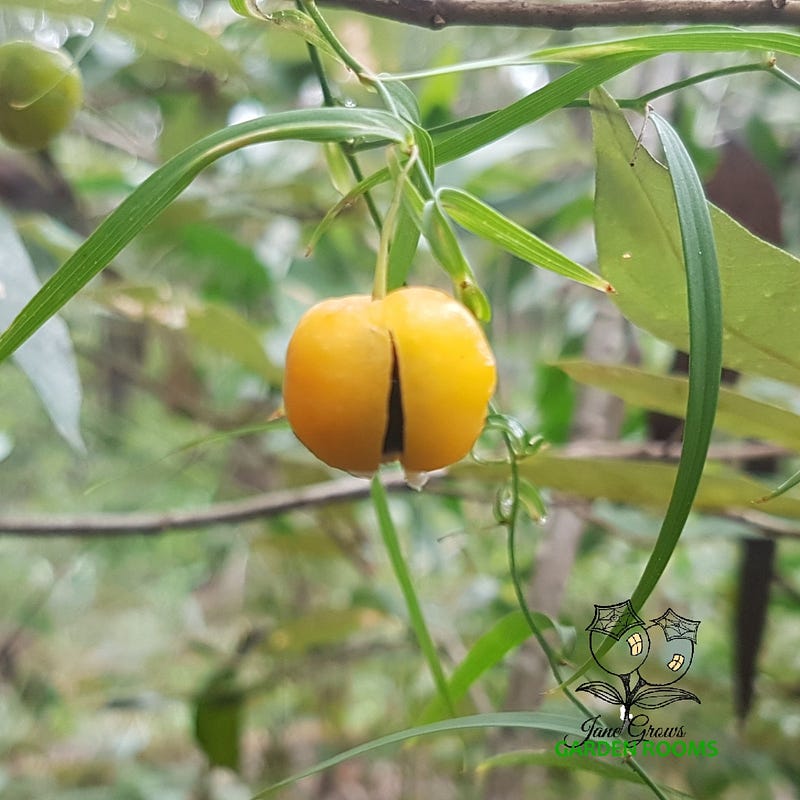
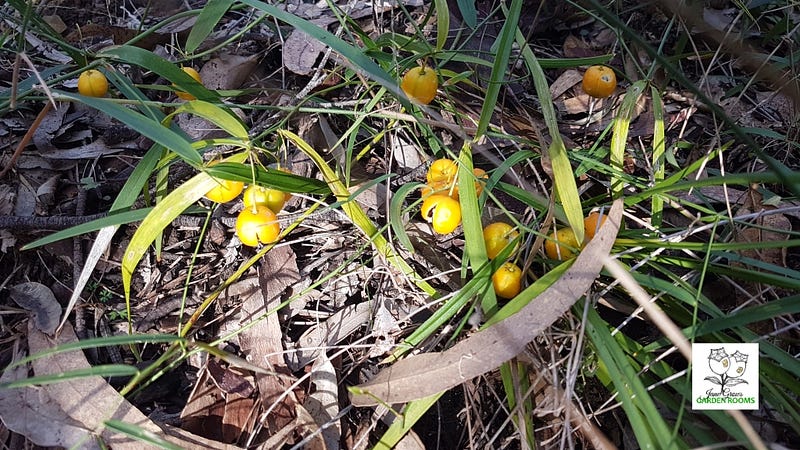
Photo by Author

Also known as:

  • Eustrephus latifolius
  • Orange Vine
A Wombat Berry acting like a groundcover in my “Wild Woods” rehabilitation area.

Growing conditions:

  • Part shade/shade
  • Tolerant of most soils
  • Vine, gentle climber that doesn’t restrict the host
  • Groundcover
  • Suitable for pots, garden beds, rockeries, bush rehabilitation
  • Suits hanging pots which allow the foliage to hang over the edges
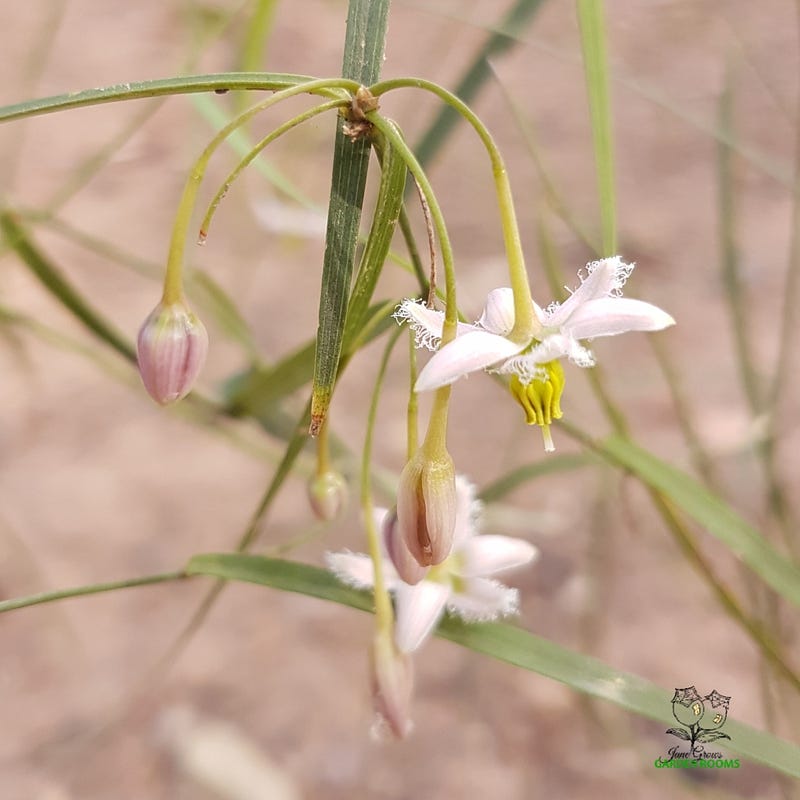
The flowers of the Wombat Berry are hard to spot as they hang downwards. Note the frilled or furry edges of the petals. Photo by Author

Propagation:

  • Fresh Seeds, 54–368 days germination

This plant is truly unique, occupying a genus all to itself. It’s closest relative, which it can be confused with, is the Scrambling Lily (Geitonoplesium cymosum) also alone in its genus. It is found all along the East Coast of Australia in dry and wet forests and heathlands.
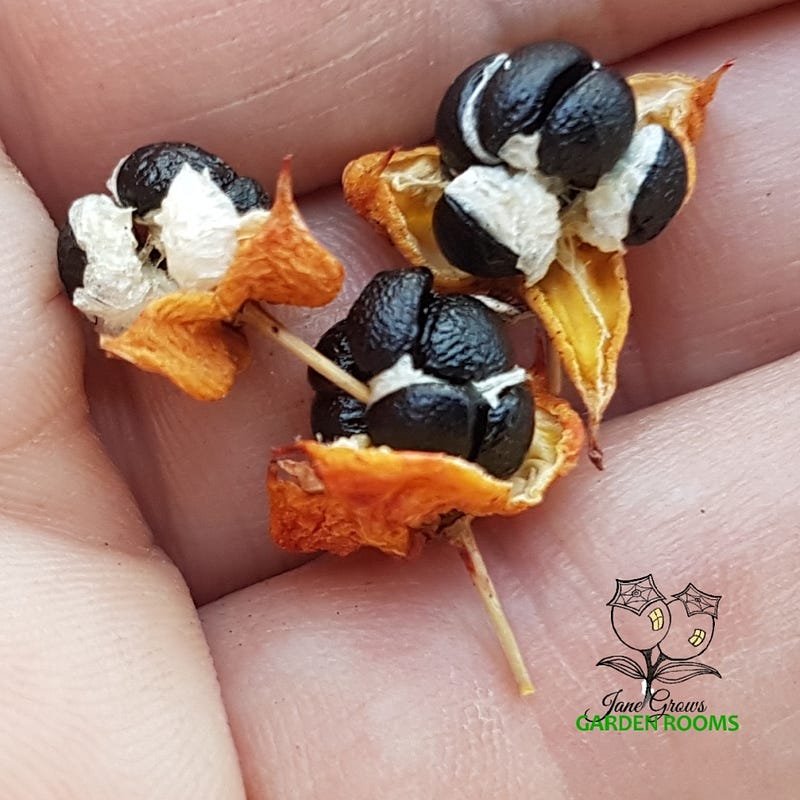
Seeds ripe for planting — fresh seed is best. The edible white arils, which taste something like coconut, are clearly evident. Photo by Author

It was the orange berries on this vine that first caught my eye in the Wild Woods, one of my bush rehabilitation rooms. I took photos and submitted them to a Facebook group for identification. I was relieved that it was native and thrilled that it was edible.
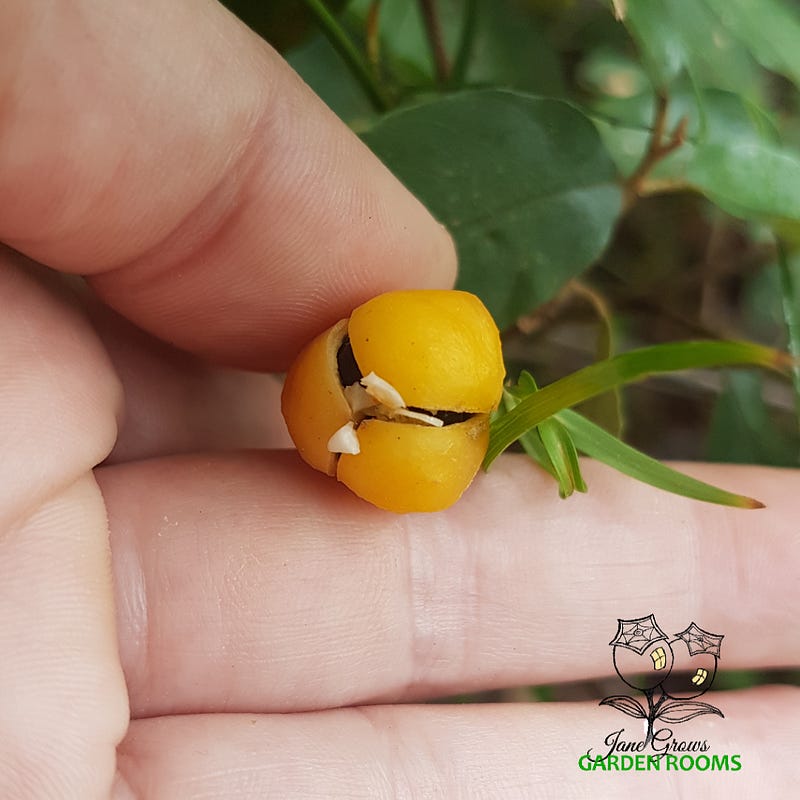
The split orange berry is ready to harvest for the edible white aril and seeds to plant.

The white arils in the berries taste like coconut, but they aren’t a substantial harvest. Apparently the roots, which are popular with Wombats and Bandicoots, are crisp and sweet. I haven’t sampled them yet, but as soon as I have some growing in my Permaculture Room I plan to try them! The roots can be up to a metre underground so it hardly seems worth digging in to our compact soil and depriving the ecosystem of this endemic species. The other advantage is that I can continue to harvest seeds from established survivors.
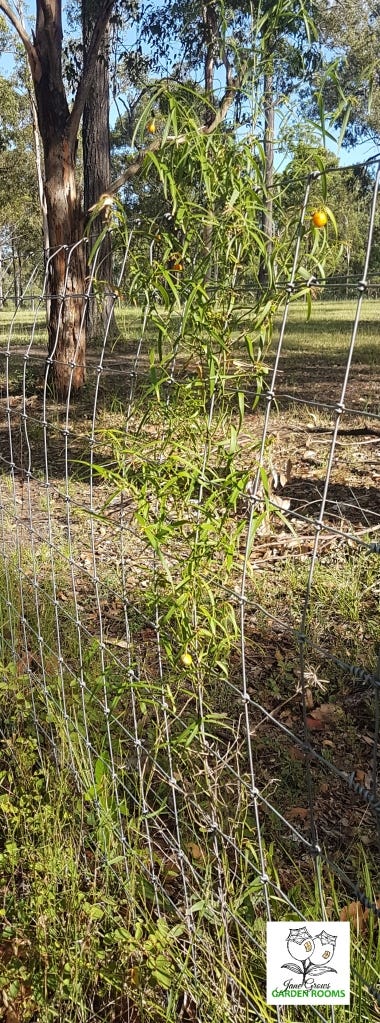
A Wombat Berry vine climbing a fence. Photo by Author

In my area Wombat Berry can be found sprawling across the ground or climbing anything from fences to shrubs to small trees. It is an understorey plant so it is frequently found in the shaded areas and a great vine to grow in a shady spot. I have one established plant that has survived for years in a very sunny spot with compacted soil, but it is the exception to the rule. The rest are all in well-shaded locations.
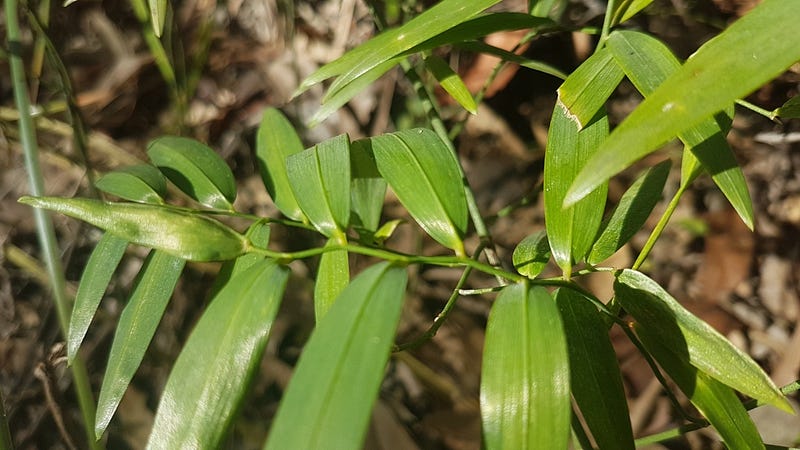
The leaves of Wombat Berry Vines connect directly to the stalk with no petiole. Photo by Author.

There are two forms of this plant and countless variations in those two forms. The leaves can be very thin or as broad as a Scrambling Lily. Another way to distinguish the two plants is that the Wombat Berry leaves connect directly to the stem whereas Scrambling Lily has a short petiole (stalk). Wombat Berry flowers look furry whereas Scrambling Lillies don’t.
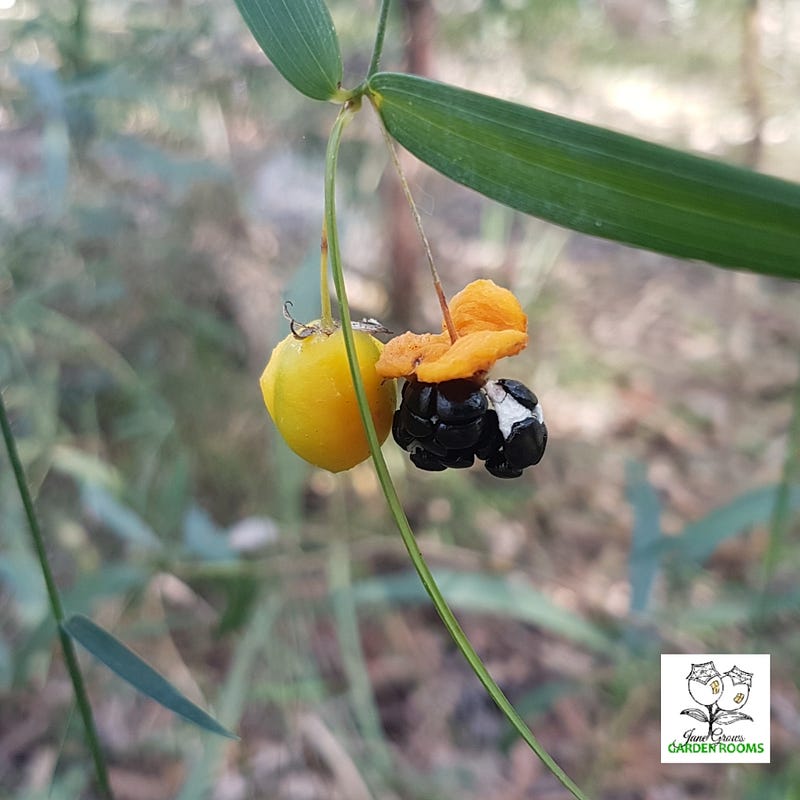
Seeds ripe for harvest. Photo by Author.

This hardy survivor lasted through the two year drought with no apparent issues, though I wonder if the root would be as palatable after a lengthy time without rain. I haven’t observed any species eating the berries or digging up the roots but the berries frequently vanish from the most visible vines. From research, I suspect it may be King Parrots who reportedly love the berries and seeds. Wombats and Bandicoots are rarely sighted in our area due to being displaced by development. Perhaps this is why I never see any signs of digging around the plants.

This vine is ideal for any size gardening space. Its tolerance of various soil types and drought-hardy nature mean that it can be planted almost anywhere. If you wish to try the tubers, a hanging pot is recommended so that the soil is loose. You also get to enjoy the hanging leaves and bright orange berries for a couple of years before harvest!

This story was originally posted on the Jane Grows Garden Rooms Blog.

Want to know more about bush tucker?

Bush Tucker
Walkabout
Gardening
Plants
Tea With Mother Nature
Recommended from ReadMedium
avatarClaire Kelly
Heavy Hearts

A poem

2 min read