
Winter is Coming to China. Remember to Stay Cool
Be proud to be the weird foreigner that likes the air conditioning on in winter!
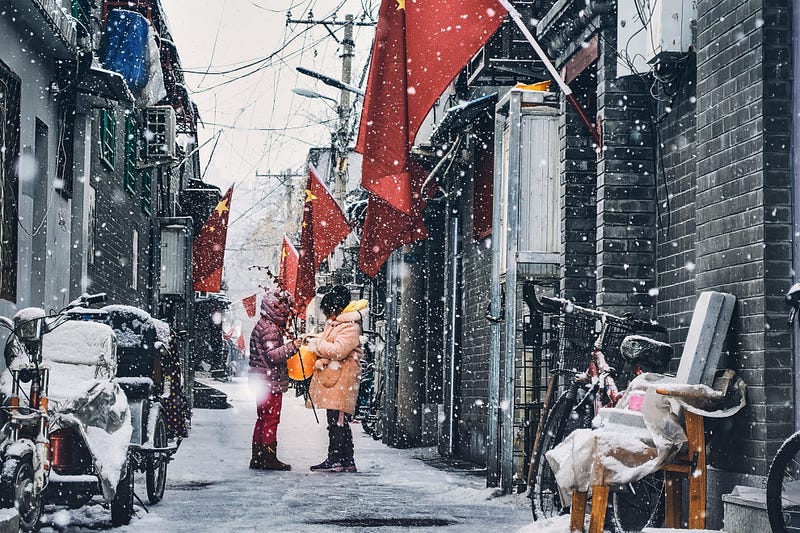
One thing I don’t miss about living in China is the wintertime. In the first three years, I lived in Beijing, the heating systems in most buildings was coal-based, so the AQI was awful. It got to a point I could tell how polluted the air was by how painful my tonsils were. About three years ago, China changed its heating system from coal to natural gas, and the pollution in the wintertime isn’t as hazardous anymore.
It wasn’t because of the cold either. Beijing, to me, wasn’t a cold city. I grew up in Northern Michigan. Beijing’s extreme cold was regular grilling weather for me, on most days. There would be one day of the year where I’d walk around work shivering.
The worst part about winters in China would be the locals’ need to have constant heat in the classrooms at all times. The local staff I worked with hated working with me in the winter because they felt my class was too cold, but it was better than having multiple kids overheat at once.
China’s aversion to the cold
At my company, the two biggest complaints I knew from the parents of my students were the temperature of the room and my strictness. The strictness is another story for another day. However, the cold was a mixture of both my preference and to benefit the health of my students.
Growing up, I was the kid that fared the worst in hot weather. My mom always told me stories about how she made sure every babysitter we ever had made sure I stayed hydrated because of how bad the heat could get to me. As a result, I grew up slightly scared of the hot weather.
China, on the other hand, hates anything remotely cold. Even in the summer, where temperatures were over 100 degrees Fahrenheit, parents complained about having the air conditioning on in the classrooms. Grandparents acted like the slightest cold breeze would kill their grandchildren.
Because of their hatred of the cold, I could always tell when the weather started getting colder for the kids. Weeks before heating was turned on for buildings, and my students would come into class with three or four sweaters on to make sure they weren’t cold. Parents were often seen feeding their children liters of water before they came into class to make sure they had enough water, too.
I had many talks with parents about bathrooms and overheating risks. Even when I had a child overheat in my classroom, I got the blame for keeping my room so cold.
The War on Heat is on
In my first year of working in China, I was afraid to speak up. I bore the heat, figuring I’d be blown off for speaking up. I was too scared of my boss to say any concern I had. Until he realized I was afraid of him. Then he stepped back a bit, and I started talking about my concerns about the heat.
After that, I became more vocal in my aversion to the heat, and the War on Heat started.
The way the thermostat worked at my work was one room controlled half of the training center, while another thermostat controlled the second half of the center. If one person got cold and decided to turn the heat on, I had to leave my class to turn the air conditioning back on.
The room that controlled my classroom’s temperature had huge windows, so Saturday and Sunday mornings were the worst times to teach a class. I’d be sweating as I taught my classes, but the room with the windows was drafty. So people got cold quickly. To make things more complicated, those were the times I had full classes. In the middle of a game, the kids were out of their seats. Someone jacked up the heat.
By the time I left the company, the management realized having the classrooms as hot as they were wasn’t healthy, and they made sure no one touched the thermostat for the rest of the winter.
Communication is key
In these situations, I started communicating with parents and coworkers about the cold weather. I had to get management involved with the air conditioning, but when it came to the parents, they were easier to talk with.
Sometimes, the parents need a reminder that the temperature inside is not the same as the temperature outside. They might need reminding we give water breaks, so cramming a ton of water down their throats is a bad idea. I used to tell them that the more they go to the bathroom, the less they learn, which is true. And because they were small children, if one went, then they all had to go.
Work situations like this can be frustrating because of the difference in culture, but more communication happening, the more smoothly things will go. It won’t feel like a war happening when significant weather changes occur.
If you want to hear more from me, you can sign up for my email list here!