
PHOTOGRAPHY, CULTURE, FOOD
Winter Harvest Festivals in India
Celebrating India’s Unity in Diversity Through Food
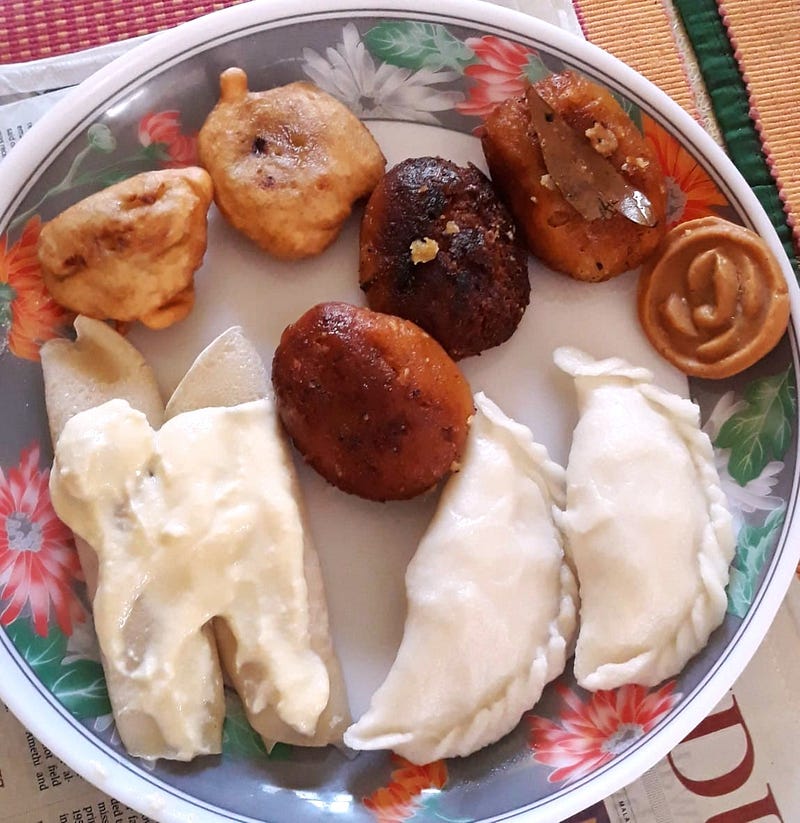
My country, India is largely dependent on agriculture. A sizable proportion of the Indian population is actively engaged in agrarian activities.
The first harvest of their new crop is a happy moment for the farmers. It is a moment to celebrate the food that has been cultivated. Hence, harvest festivals, believed to be the oldest form of festivals around the globe, become important events across the nation.
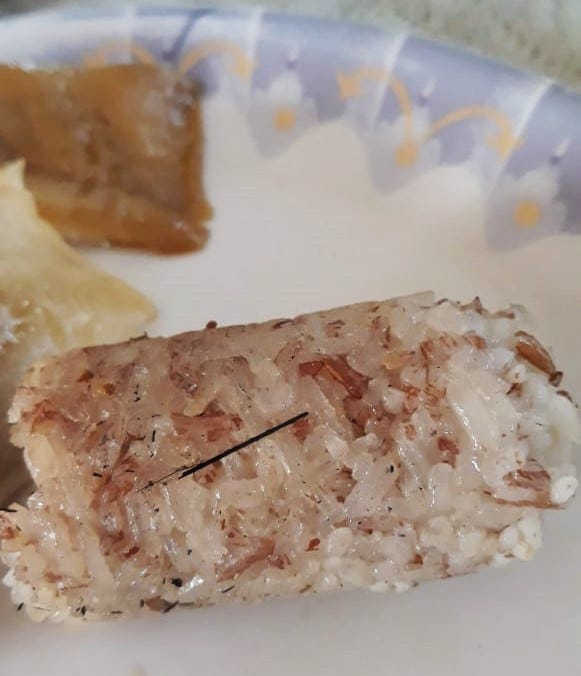
They are not just about celebrating the ripe crops or harvest. They are a way of thanking the nature for the bounty it offers in the form of new crops and considered to be auspicious periods and therefore marked with celebrations and prayers.
What we plant in the soil of contemplation, we shall reap in the harvest of action- Meister Eckhart
India — The Uniquely United Land of Diversity and Festivals
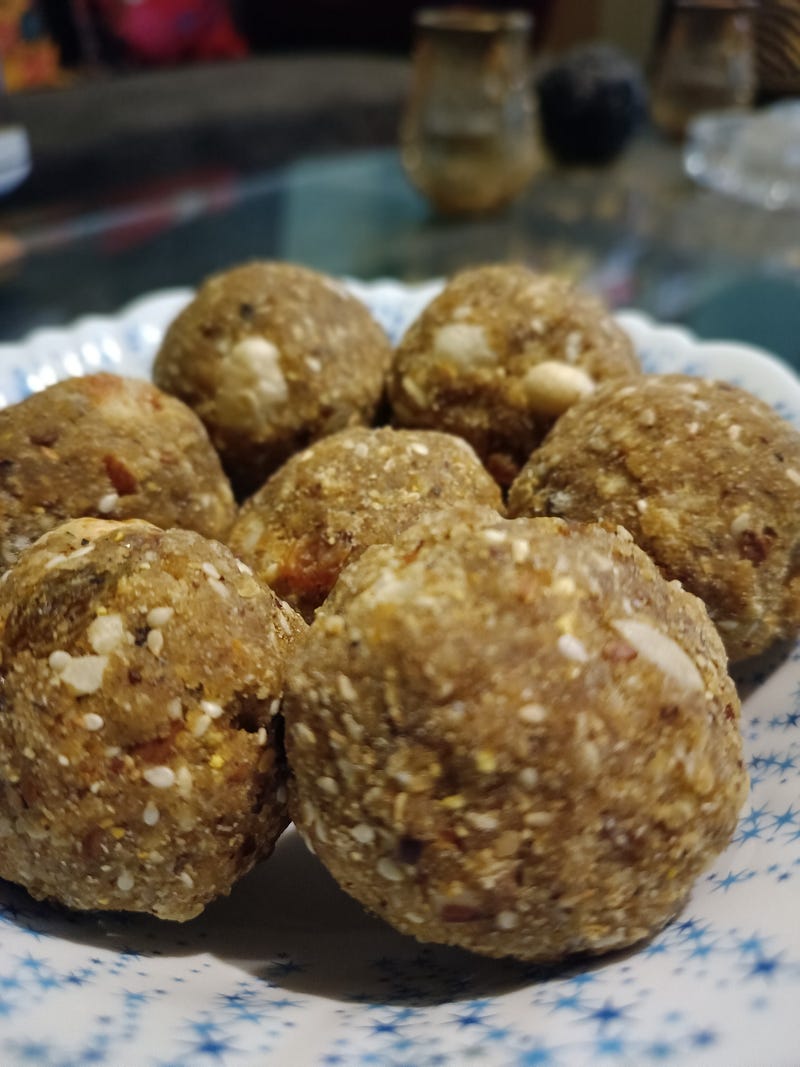
India is a land of of festivals and unique biodiversity. Due to the diverse climatic conditions and differences in the staple crop of a region, every state of the nation celebrates its harvest festival at several times of the year.
Winter Harvest Festivals
Winter harvest festivals of Lohri, Makar Sankranti and Pongal are celebrated in the month of January every year. These festivals are observed in different parts of the country and celebrate India’s spirit of unity in diversity.
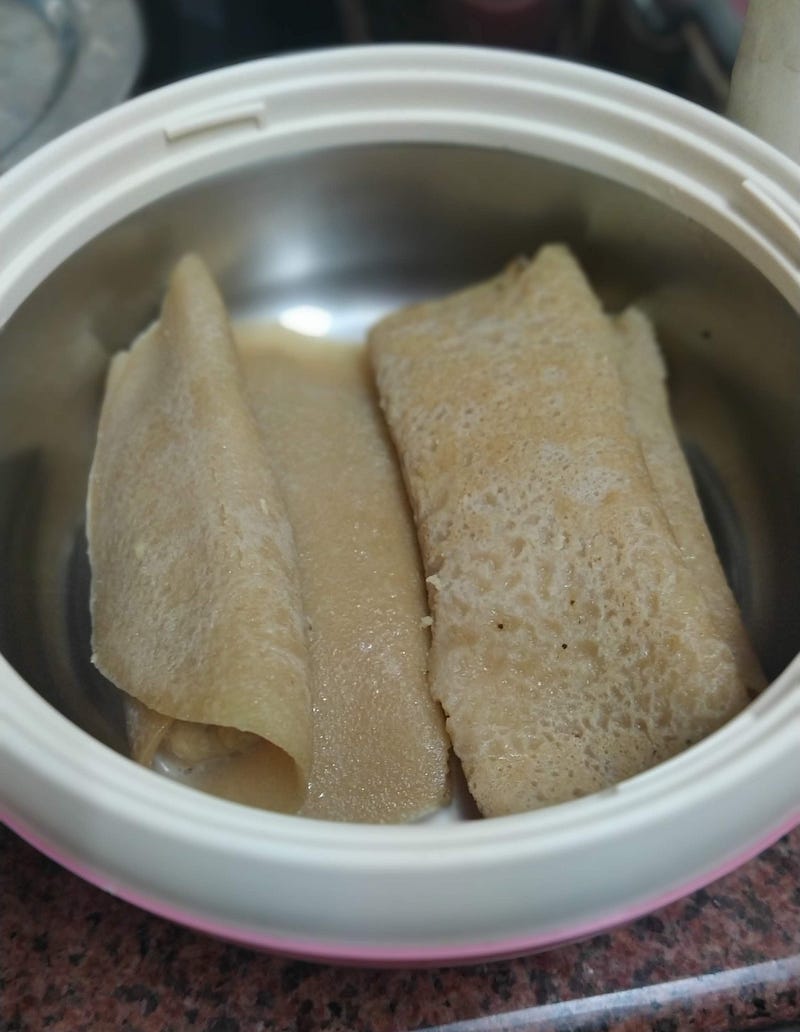
Now you call it Makar Sankranti of West Bengal, Uttarayan of Gujarat, Bihu of Assam, Pongal of Tamil Nadu, Lohri of the northern Indian states etc., the essence, its significance, the fervor remain the same — being thankful to Mother Nature for a plentiful harvest.
Makar Sankranti
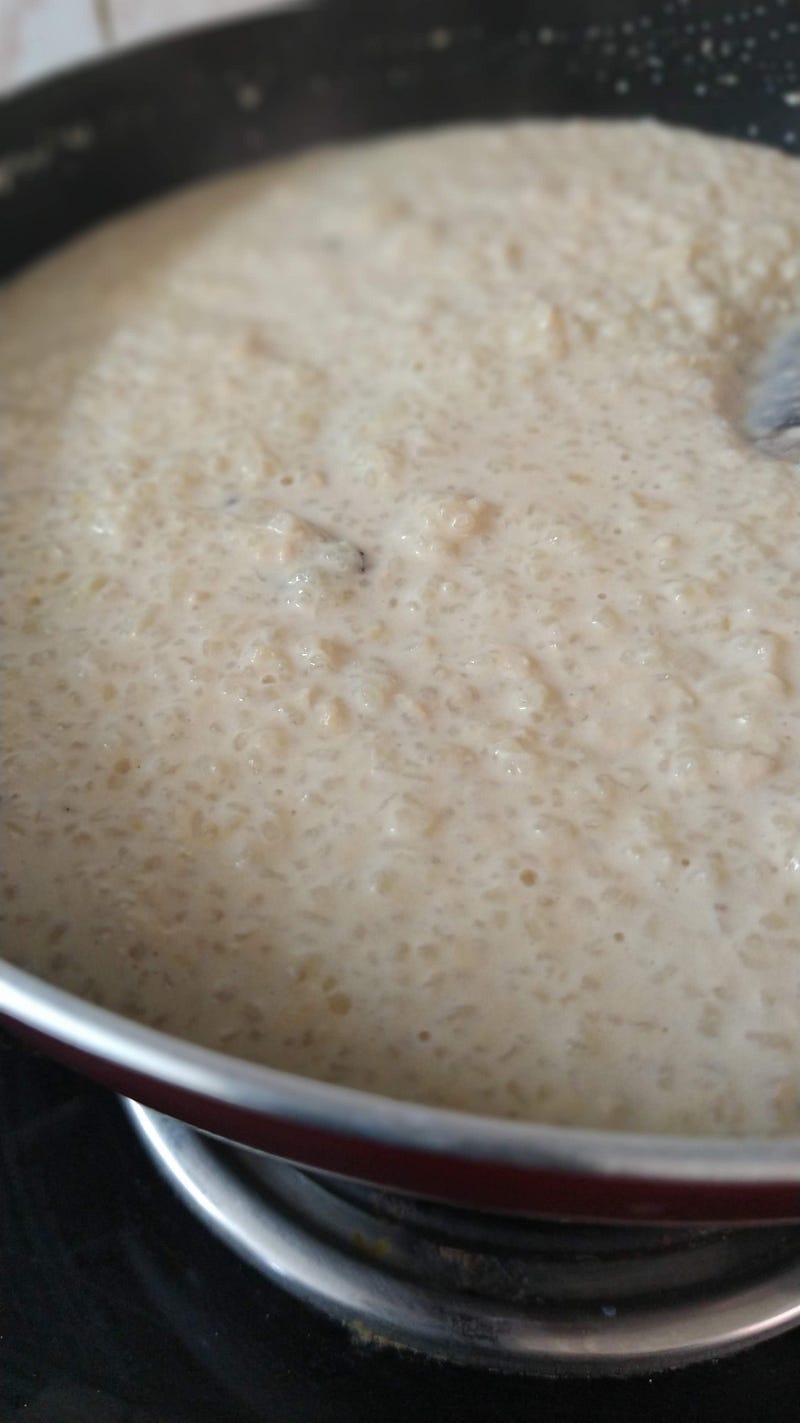
Normally falling on January 14 every year, Makar Sankranti marks the end of the winter with the winter solstice and the start of longer days. The festival marks the sun’s arrival into the zodiac sign of Makara (Capricorn) as it moves along its celestial route.
We celebrate the harvest of fresh crops with bonfires, carnivals, music, dance, kite flying and rallies, and of course making pithas.
Pitha
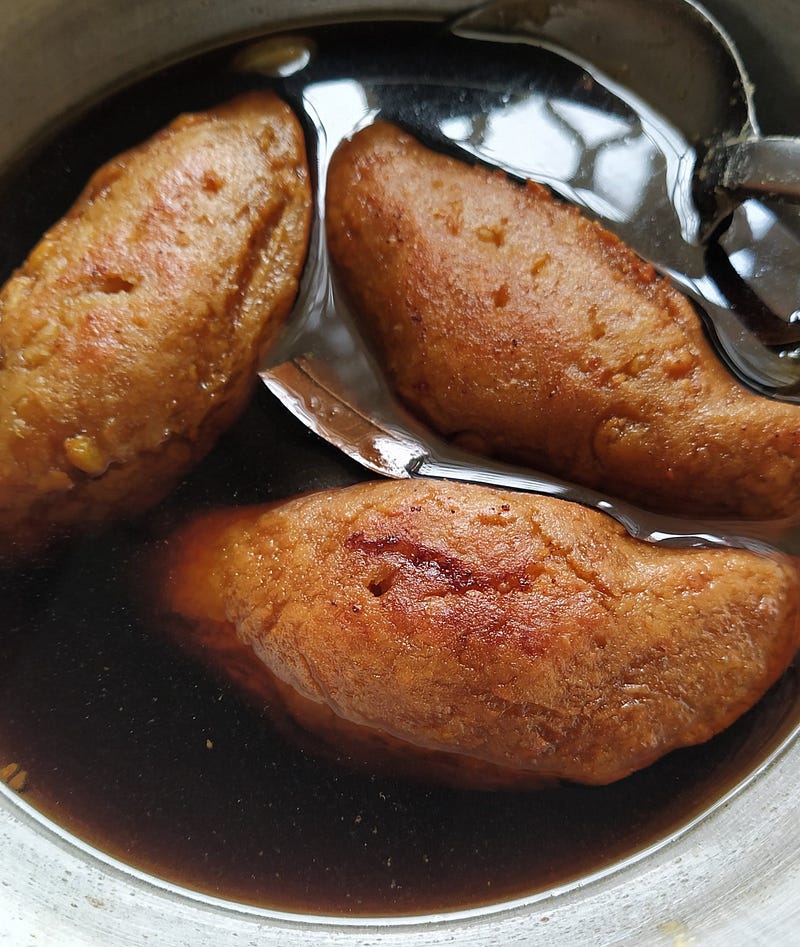
I was one of those fortunate ones who could rub shoulders with a few homechefs par excellence, the best being my maternal grandmother (I used to address her as Didima).
She used to cook like dream. And as far as preparing the quintessential ‘pithas’ are concerned, I haven’t met anyone like her thus far. My mother, too, prepares lovely pithas but nothing as compared to my Didima.
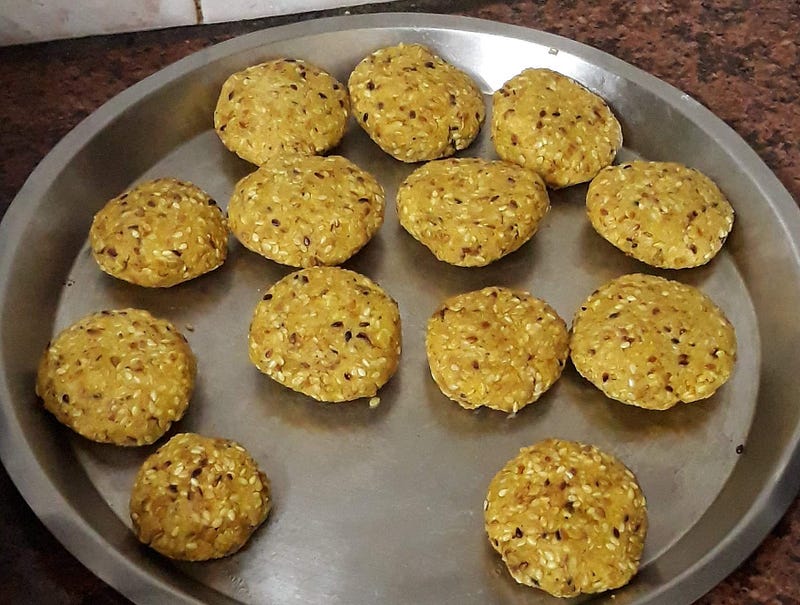
I used to assist Didima every winterbreak while she would prepare a wide range of ‘pithas’ with impeccable finesse during Makar Sankranti. She would start preparing two days before and we used to relish those delectable varieties to heart’s content on Makar Sankranti day after bathing and offering prayers.
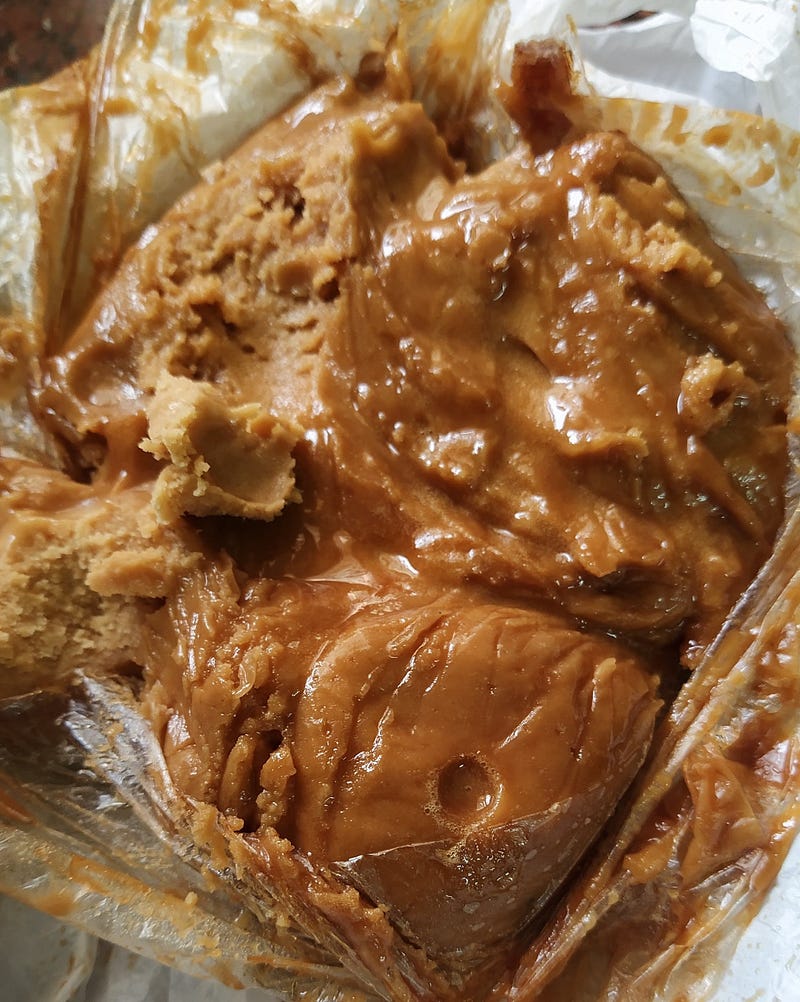
Now you must be wondering what actually pithas are.
Similar to pancakes, dumplings or fritters, pithas are primarily made from a batter rice flour or wheat flour, which is shaped and optionally filled with sweet or savory ingredients.
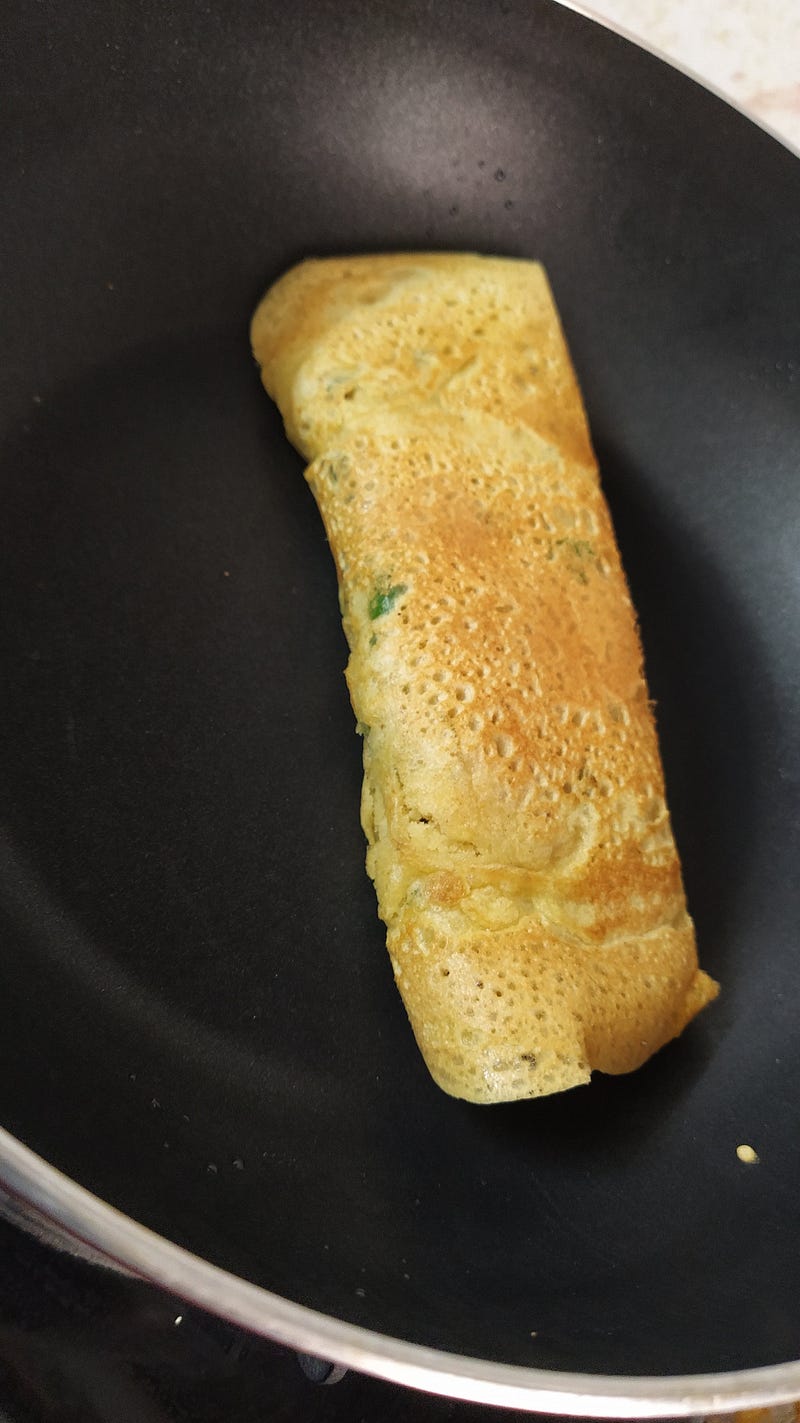
It is a range of delicacy originating from India and extremely popular particularly in West Bengal, Assam, Bihar, Odisha, Jharkhand and Kerala.
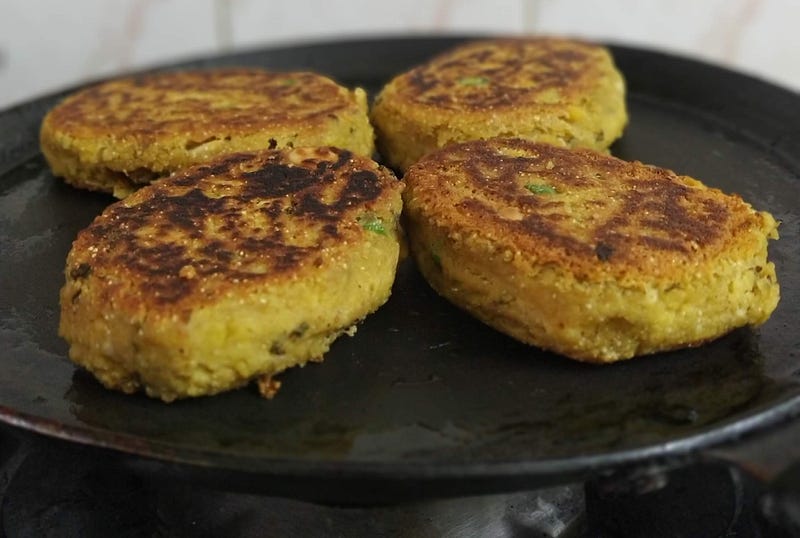
Depending on the variety, pithas can be steamed, or baked, rolled over a hot plate, fried in oil or clarified butter, even slow roasted over fire.
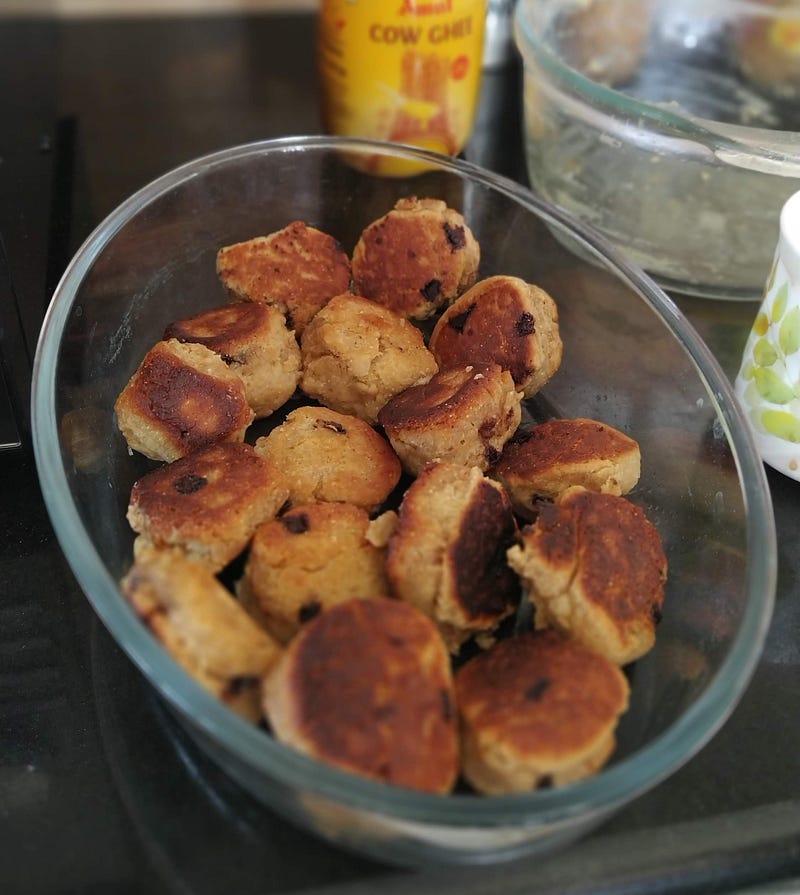
Often flavored with cardamom or camphor, sweet pithas comprises sugar, date juice, jaggery, or palm syrup and can be filled with grated coconut, fried or roasted sesame seeds, dry fruits and many more.
You can jolly well replace sugar with any sugar-free variety available in the market.
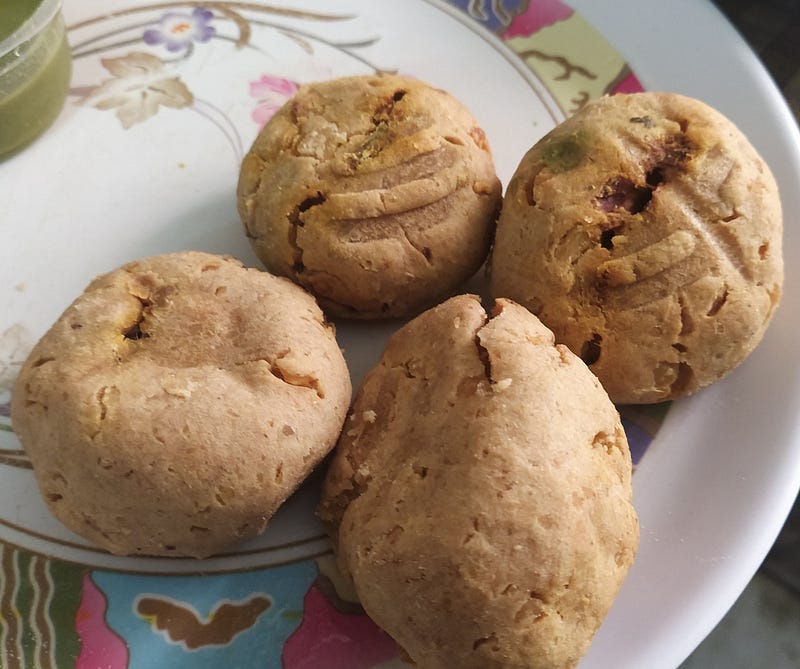
There are stuffed vegetable pithas too. Seasonal vegetables can be fried, baked, steamed, and then mashed, cooled, and formed into small balls to stuff into the pithas. Tastes yumm!
Happy eating!
Hearty thanks JoAnn Ryan for considering my write-up to occupy a place in your beautiful publication, In Living Color.
A B-I-G shoutout to some amazing storytellers:
Jan| David| Jason| JoAnn| Anne| Jillian| Katie| Mukundarajan| Indra| Nancy| Vidya| Penny| Cristina| Mary| Sandi| Adrienne| Dr. Preeti| Lucy| pockett| Osan| Ravyne| Linda| Ellie| Dennett| The Sturg| Christine| Donna| Rhonda| Kristina| Erika| Sherry| Denise| Nicole| Alize| Jennifer| Mulan| Pam
Happy Makar Sankranti! Wish you health and happiness. May 2023 usher in peace and prosperity in your and your loved ones’ lives.


