
Will iPhone 15 be the 1st with USB-C? Will it make it perfect?
We are still a good few months away from the release of this year’s iPhone, the 14, but as is often the case in the world of technology, we are already looking at what the 2023 release may bring. Specifically, will it bring the USB-C port to iPhone for the first time?
Why change?
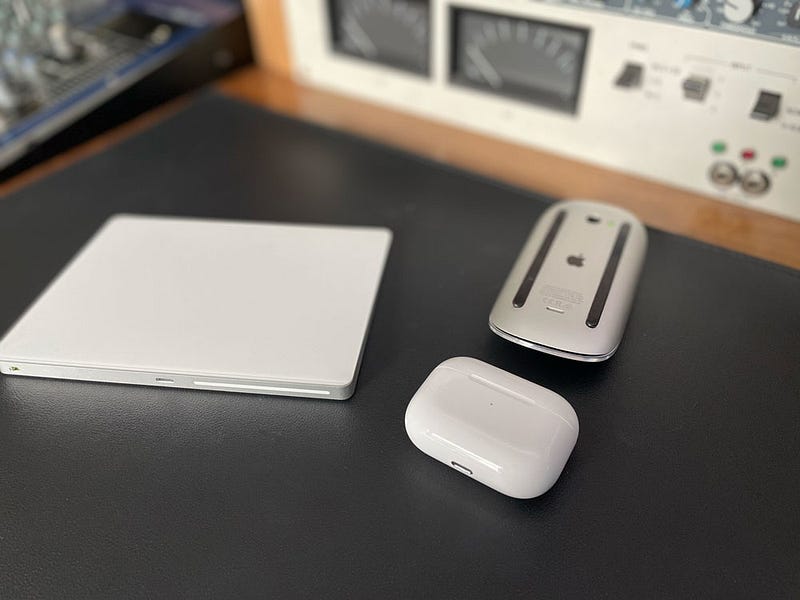
Currently, as we all know, we are stuck with the Lightning Port on iPhone. For us in the Apple world, of course, iPhone is not alone in having Lightning, but it really is a pain. From a very basic standpoint, it means one extra cable on the desk. Now, for a ‘neat-freak’ like myself, that is a good enough reason right there that we should be rid of it. But, of course, there are other, far more important reasons that it should change, such as data transfer speed & charging. More on that later.
The cable-less future
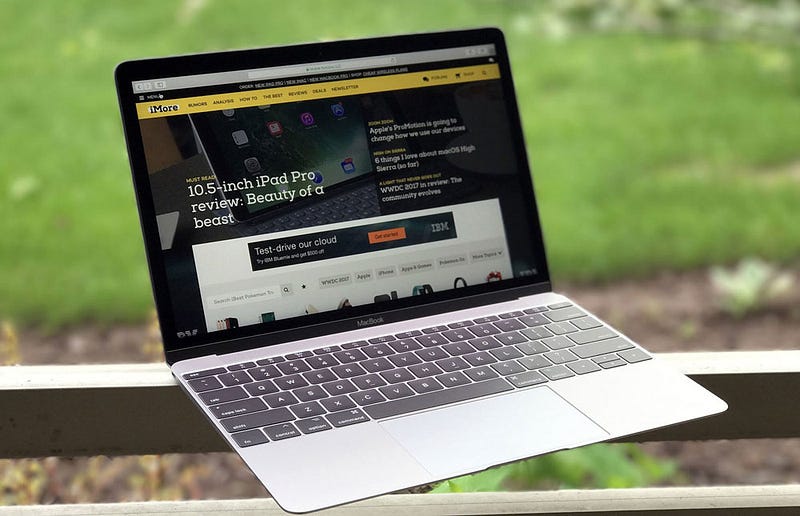
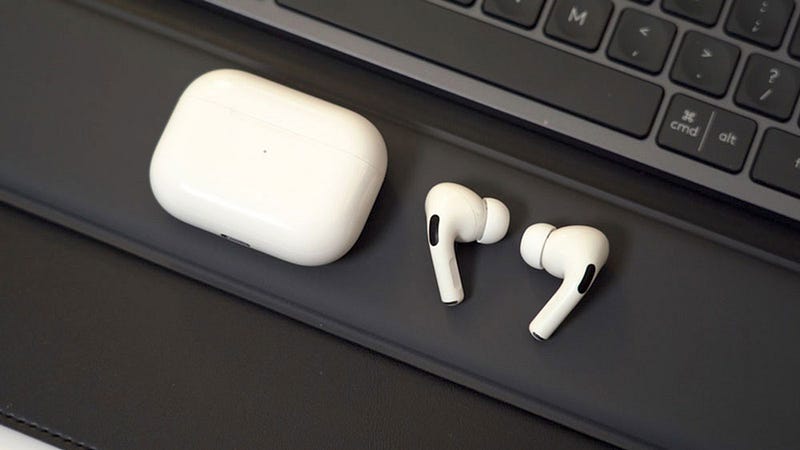
When AirPods were released, it was the first time we’d heard Apple speak of their vision of the wireless future. Whether they were merely talking about the headphone part of their business being cable free, or all of it, is unclear. Apple, certainly through the Jony Ive era, when design was sometimes more important than function, ports were paired back. Remember the port-less MacBook? The future was to be AirDrop. Talk still rumbles on today about the desire for a port-free iPhone, but I just don’t think that is yet a reality.
Why USB-C now?
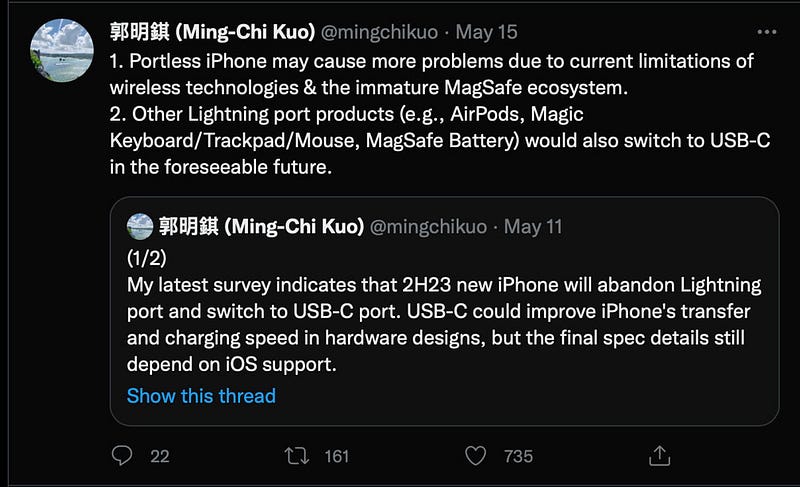
The trusted leaker Ming-Chi Kuo has recently tweeted that the Lightning port will be relieved of its duties in the back-half of 2023, in favour of USB-C. However, I don’t think this is a case of Apple listening and reacting, rather its arm being forcibly twisted. The EU are not too keen on Apple using its proprietary Lightning cable, and are pushing to have all small devices use the standard USB-C port as soon as possible. Apple clearly have enough funds to politically lobby hard, but, pressure is growing, and not just from the EU. Australia, UK, Korea, all have concerns over Apple and the Lightning port. If they do end up using the new port next year, then the ramifications could be widespread.
Not all about iPhone
Getting rid of Lightning in favour of USB-C sounds simple enough, but it really isn’t. Will it appear just on the Pro iPhones next year, or across the entire range? What about the other ‘Magic’ items in Apple’s line-up that currently use Lightning? We’d have to consider the Magic keyboard and mouse, AirPods, AirPods Max, the Magic Track Pad, all of which are fuelled by lightning.
If Apple were forced to change, there is one quick, simple fix, they could possibly explore, to ‘dodge the bullet’. They could simply include an adapter/dongle with each iPhone. They have form for this too. In France, for instance, where they were told they had to include headphones with iPhone, they just attached an old pair of cabled ones, to the box. It was a quick fix to another political storm. Would they do this with USB-C, though? I doubt it, as it really does not fit in to their sleek, stylish lifestyle image. A dongle hanging out the back of a £1300 iPhone 14 would not be cool. And anyway, I think it likely that when the new legislation goes through, it will state the port has to be integral.
Then there is the argument of a regional iPhone. So, phones sold in the EU would have USB-C and the rest of the world retains Lightning. Again, that seems unlikely too. The separate tooling costs, I’d have thought, would preclude that.
Apple lobbied against Right to Repair, but finally, had to acquiesce. A change will come, so in what form?
The need for speed
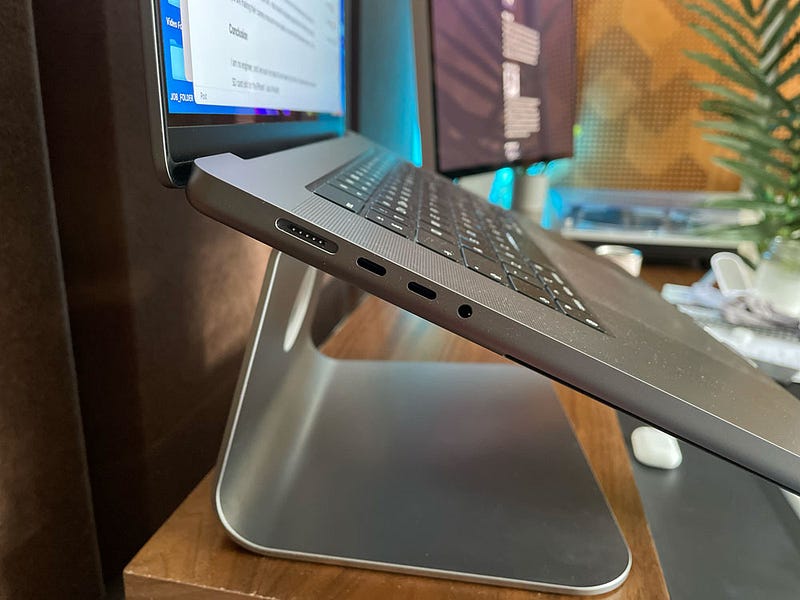
Lightning operates at a woeful data transfer speed of 480Mbps, whereas USB-C you can achieve up to 40Gbs! The story is much the same with charging, too. I have just bought a new MacBook Pro, which is laden with USB-C ports. Yet, having just spent over £3500 on the MBP, I was forced to spend another £25 to get a Lightning > USB-C cable to charge my phone at the desk.
The biggest bottleneck though with Lightning is the one of data transfer. I feel this pain about three times a week. Until I get a camera for my studio, all the video for my channel, is shot in 24fps, 10-bit Log V3. This means the files are BIG. I often need to export and transfer a file of 20Gbs or more from the iPhone. AirDrop can’t cope, so I use the Lightning cable and Image Capture on the Mac. It does the job…but very, very slowly. And this is set to get worse. You could argue it’s about time I get a camera…and I will soon enough, but equally, Apple are rumoured to be raising the bar anyway, with 8K video on the horizon. We already have ProRes files as it is, so Apple need to address this elephant in the room. They must find a way to get these massive files from our devices. USB-C with all its inherent speed bumps would seem the answer. At some point, they will have to bite the bullet, and it would seem, sooner rather than later.
No point in portless
So, the desire for a cable & port free iPhone, much as I would love it (the neat-freak me!), seems to be quashed because of one simple fact — data transfer and getting large files from the iPhone to desktop. Apple are making their camera more and more capable, so a port free iPhone seems a waste….unless….
Conclusion
I am no engineer, and I am sure I am about to set myself up for a fall, but I have a thought. How about an SD card slot on the iPhone? Just a thought.
If you know why this can’t be done, please let me know — I am all ears.
Before you go
Join my behind-the-scenes mailing list
Originally published at https://talkingtechandaudio.com on May 25, 2022.


