Will I Die on Kilimanjaro?
19 341 feet: Kilimanjaro Part III
“Mountains are not fair or unfair, they are just dangerous.” — Reinhold Messner, the first mountaineer to summit Everest solo.
In two weeks, I’m going to climb Mount Kilimanjaro with Claire — the woman I love — and my two cousins.
Ten people die every year on the mountain. That’s twice the average number of people who die every year climbing Everest.
Every death is heartbreaking.
In 2017, a 33-year-old entrepreneur and motivational speaker named Scott Dinsmore was killed by a falling boulder while climbing the mountain with his wife.
Brett Clark, an adventurer from New Zealand, died after experiencing severe altitude sickness at 11 000 feet. He told his son Byron to go on to the top without him. By the time Byron came back down, his father had died at the local hospital.
Last year, Aleksander Doba, a Polish man who crossed the Atlantic three times in a kayak, lost consciousness after he summited. Aleksander never woke up.
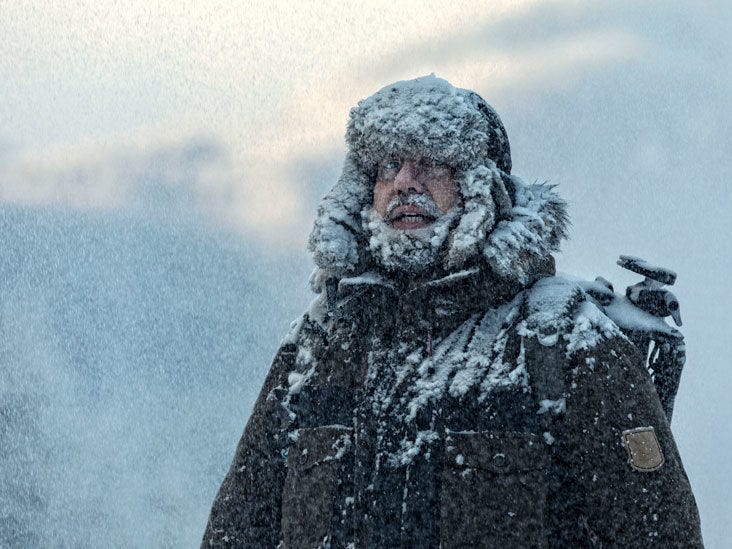
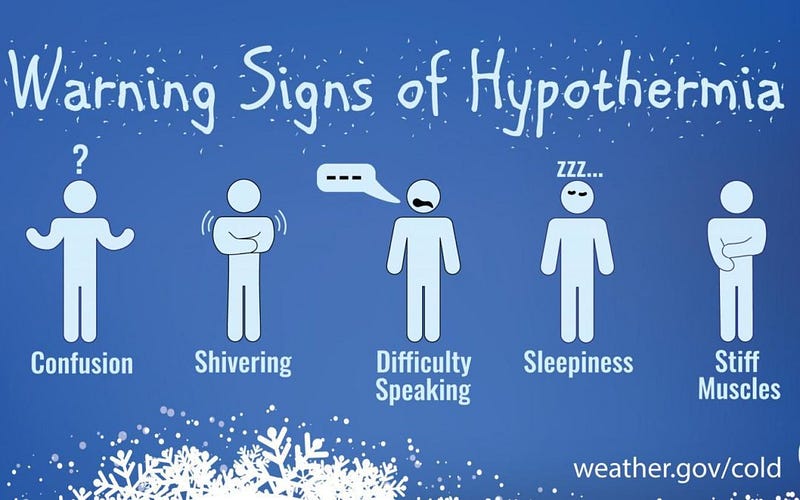
Hypothermia and altitude sickness are the two great scourges of Kilimanjaro. The temperature at the summit often drops below -25 Celsius. Combine that frigid air with high winds and sudden storms, and you have the perfect recipe for hypothermia.
My goal is to keep myself from being wet and cold at the same time. That way I get to stay alive and keep all my toes.
Acute Mountain Sickness — AMS — occurs as climbers experience the effects of reduced air pressure and lower levels of oxygen. Symptoms usually begin above 8000ft, and come in the form of vomiting, headaches, and diarrhea. All the fun stuff. I’m told that the faster I climb, the more likely I am to experience AMS, and wouldn’t you know it: we’ve picked the fastest possible route up the mountain.
The good news is that AMS itself doesn’t kill you. The bad news: AMS can trigger pulmonary embolisms (that’s when clots disrupt blood flow to your lungs and brain) or pulmonary edemas (that’s when fluid pools in your lungs), and those can kill you.
The more I read about the hazards of the climb, the more I add to that little bundle of nervous butterflies in my stomach. Still, as tragic as these deaths are, it is important to keep them in context.
30 000 people attempt to summit Kilimanjaro every year. If 10 people die on the mountain annually, then there is only a 0.03% chance that I will die on Kilimanjaro. Compare that to Everest, where only 800 people attempt to summit but 5 of them die. That means climbers on Everest are 21 times more likely to die than climbers on Kilimanjaro.
The disparity between the number of deaths is primarily because Kilimanjaro does not have a death zone, an altitude where your body can never acclimatize. If you don’t bring supplemental oxygen into a death zone, you die. On Kilimanjaro, no matter how bad it gets, I should always be able to breath.
The bottom line is that mountains are dangerous places, but what I choose to do in the face of that danger can save my life. I can let my fear of freezing to death or drowning in my own fluids paralyze me, or I can prepare myself. Hypothermia mostly takes the lives of people who underestimated the cold; people who didn’t pack warm, moisture-wicking clothing; people who didn’t bother to test how waterproof their fancy new boots really were.
As for AMS, my best preparation is to understand the symptoms, and be ready to admit when it is time to turn around. I’m also going to take Diamox, a drug which decreases the buildup of bodily fluids that cause edemas. The hope is that by swallowing two tablets a day, I’ll trade nausea for ‘frequent urination’. If I can get to the top of Kilimanjaro and the worst inconvenience was stopping to pee twenty-eight times, I’ll consider that a big win.
Can I die on Kilimanjaro? Yes, it is possible. It is also possible to die strolling underneath a palm tree at the moment a coconut comes loose. Wisdom does not come from avoiding what scares us. It comes from understanding our fears. Then we can choose which fears we are going to face.
“Only those who will risk going too far can possibly find out how far they can go.” T.S. Eliot
If you’re interested in following my trip, you can read Parts I and II here: