
Why You Need to Focus On Healthy Sleep Habits
The benefits might exceed your expectations
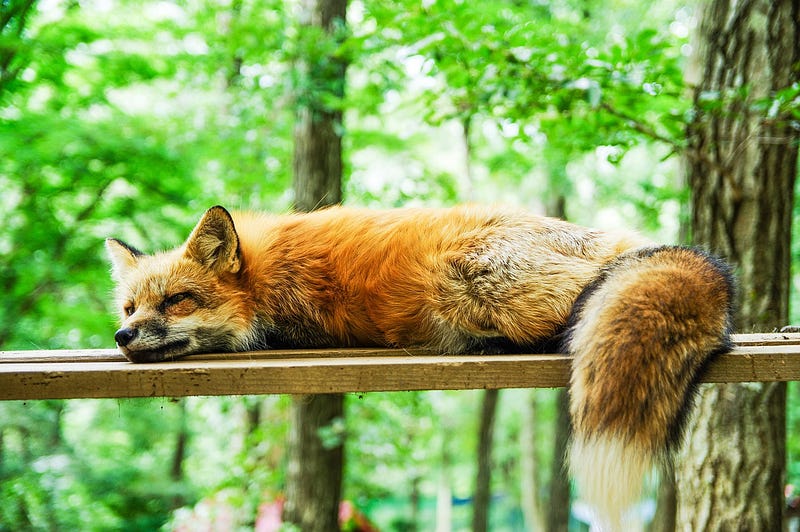
The best bridge between despair and hope is a good night’s sleep.~ E. Joseph Cossman
Most people in the US are perpetually sleep-deprived. Some are new parents, often with nighttime demands. Quite a few struggle with mental health issues and sleep disorders.
Then there are those of us who push sleep boundaries. North Americans tend to ignore the importance of sleep. We’re often working long hours, then staying up too late. A screen is involved most nights. Maybe someone might have a few drinks. These habits interrupt a good night’s rest. They can lead to insomnia or restless sleep.
Whatever the reason, we need to make some changes. Improving sleep habits reduces stress and increases overall wellness. There’s a strong chance we could alleviate symptoms of sleep disorders from practicing good sleep hygiene.
Today I’m going to talk about healthy habits to incorporate into your nighttime routine. Some will sound familiar. Others are from my personal experience. Then I’ll share the amazing benefits of a good night’s rest.
Here are a few basic practices for good sleep hygiene:
1) Stop electronics use — cell phone, TV, computer — one hour before your intended bedtime. Whenever possible, remove anything with a screen from your bedroom.
2) Listen to your body for cues. If you’re tired and ready, go to bed. If you’re not sleepy at your intended bedtime, find a quiet activity until you get drowsy.
3) Quiet bedtime activities may include: reading, journaling, stretching, meditation
4) Stop eating at least an hour before your intended bedtime
5) Keep your room dark and quiet. Eliminate any distractions whenever possible. My silicone earplugs work wonders for sound reduction.
6) Take naps. Some of us have children waking us or mental health issues impeding our sleep. Napping can alleviate stress from sleep deprivation. It’s ok to rest anytime. Under these circumstances, any sleep is better than none.
If you’ve done all you can to prepare yourself and still have difficulty falling or staying asleep, please reach out to a health care professional for an evaluation. Often we don’t see the underlying issue, especially when we’re exhausted.
When you maintain good sleep hygiene for an extended period, you’ll feel better. You’ll have more energy and be more apt to do more throughout the day.
Here are some benefits from getting enough sleep:
You’ll be more creative
Have you noticed how some of your best ideas come to you in sleep or upon awakening? You spark creativity in dreams. You find it when your mind is calm and rested. You’ll be surprised at how easily things come to us when we’ve had enough sleep.
Dreaming is one of the best places to access creativity. We have sufficient REM activity when we get uninterrupted sleep. I’ve noticed a difference in my dreamworld when I get off of social media earlier in the evening. My dreams are rich and powerful.
If I’ve been on my phone until bedtime, it takes longer for my brain to acclimate to resting time. My dreams reflect an overactive mind. If I recall them, I tend to have repetitive, frustrating scenarios.
If you adhere to sleep hygiene recommendations and let your body to the work, your ideas will flow with ease. You won’t have to work hard to create something.
I stayed up too late the night before last, and I had nothing to say. I couldn’t think clearly, and writing seemed impossible. I had to give all my energy to the basics, like getting dressed, eating, and tending to my kids. My brain had to compensate for the loss.
When you get enough sleep, creativity comes naturally. Everything flows.
You’ll increase productivity
Sleep gives you energy. Having energy helps you finish things. People talk about working hard all day and come home spent.
What if you emphasized rest as the primary way to get your work done? You’d get more done, I promise you. You’re more efficient, making fewer errors and powering through the task at hand. It’s a much different experience than groggy, half-measures with a perpetual cup of coffee.
Give yourself a chance to reset, then watch what you can accomplish. When you’re feeling restored, you’ll have more to give.
Your mental health will improve
Sleep is essential for maintaining your mental health. There’s a strong correlation between sleep problems and mental disorders.
“Studies show that 65% to 90% of adult patients and 90% of children with major depression have some kind of sleep problem. More than one-half of insomnia cases are related to depression, anxiety or psychological stress.”~ sleephealth.org
A key element of wellness appears related to sleep quality. Although the relationship is not fully understood, evidence suggests sleep as a factor in improving one’s mental health.
“In fact, lack of sleep may be contributing or even causing psychiatric problems.”~sleephelp.org
Even without outstanding mental health issues, getting a good night’s rest has its advantages. You’ll be more likely to stay calm under pressure and handle challenging situations with more ease.
Parents of young children have such a hard time with sleep-life balance. But we need to prioritize rest as best we can. Everything feels less complicated when you don’t have to overwork your mind to make it through the day. I’m prone to irritability and confusion when sleep deprived. It’s worth it to get to bed a little earlier and bypass any avoidable problems.
You’ll be more inclined to engage in other healthy habits
When you’re well-rested, be prepared to do other healthy things for yourself. When we feel good, we want to continue the trend.
You’re likely to make healthy food choices and have plenty of energy for exercise. If you’re not nodding off, you’ll have an easier time reading instead of hanging out on social media in the evenings.
Maintaining one healthy habit can inspire you to do more good for yourself.
You’ll be happier
When our bodies and minds are clear from getting enough sleep, our spirits soar. You’ll want to take on the world. When you’re feeling happy, you’re more likely to spread your joy to others. Happiness feeds on itself. The more you share your joy, the happier you’ll feel.
At the end of a good day, there’s a chance you’ll consider another night of early shut-eye. Happiness is key to a satisfying life. Many of us downplay it like an afterthought. But happiness and contentment are a part of your wheel of self-care. When you’re happy, you can improve your overall health and well-being.
It’ll increase your overall wellness
Getting enough sleep boosts your immune system and makes you feel better. I caught an illness last week and noticed how crucial sleep could be in healing my body. I got sicker when I had to stay up with my youngest daughter. She suffered from an earache, and we barely slept. When she took an extended nap the next day, her health dramatically improved. I neglected myself and got worse. But once I got the rest I needed, I finally got better.
I can be stubborn when it comes to allowing myself sufficient rest. I know it’s good for me, but I want to stay up late some nights. It’s ok if our bodies can handle it, but it’s best not to push it. We have a golden opportunity every day. We can choose to accept the gift or deprive ourselves.
When you make time to get appropriate rest, you’ll see the positive effects in every area of your life.
Final thoughts
If you know you’ll be healthy if you do this one thing, will you give yourself a chance? If you’ve tried everything and still can’t sleep, are you willing to ask for help?
I envision a change in how we approach health and wellness. We can start by acknowledging sleep’s role in our overall well-being.
Sleep is a catalyst for enhanced creativity and productivity, can improve our mood, and keeps us healthy overall. When you want to reach for your cell phone or remote when you’re tired, reconsider. Pick up a book instead. Tomorrow’s a brand new day, filled with infinite potential. Go to sleep, dream big, and awaken refreshed.
And if tonight my soul may find her peace in sleep, and sink in good oblivion, and in the morning wake like a new-opened flower, then I have been dipped again in God, and new-created.~D.H. Lawrence
Related reads:
Let’s stay in touch. You can find me on Facebook, Twitter, Instagram, LinkedIn, or my personal blog at gratefulx365.wordpress.com. Email me at [email protected]. Thanks for reading.


