
Why It Is Ok to Skip Breakfast
That doesn't mean you, kids.
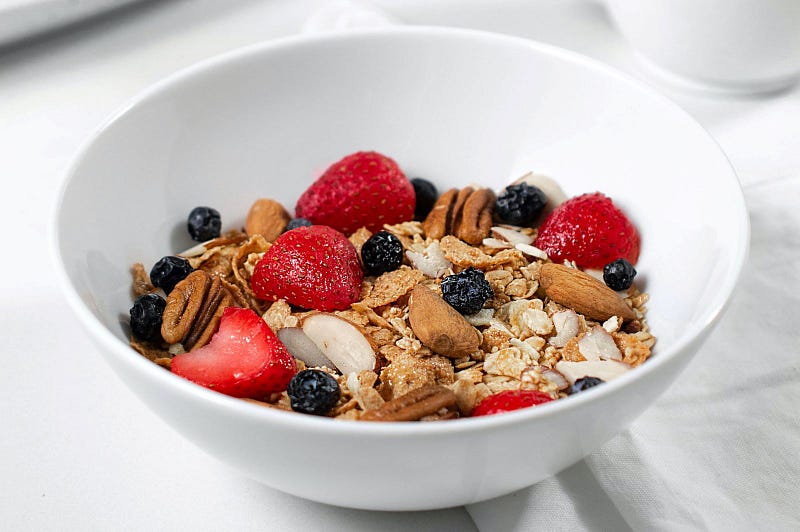
Do we have to eat breakfast? We're commonly told it's the most important meal of the day.
But, did you know who initially said that breakfast is the most important meal of the day? The Kellogg's guy. The same person who invented Corn Flakes…
“Breakfast is the most important meal of the day… And it shouldn’t be eaten hurriedly, and all the family should partake of it together.” — Good Health Magazine, 1917
John Harvey Kellogg was the editor for Good Health Magazine in 1917 when they published an article proclaiming breakfast an essential meal. There was also no scientific evidence — it was just something he decided. His statement is just a little bit biassed, and there's an obvious conflict of interest here.
Yes, it does make sense to provide your body with nutrients and energy to power your day. Yet, it's not essential, and at least not for adults.
I don't want anybody to think I'm encouraging you should skip breakfast; I'm just saying you don't have to eat when you first get up.
You can have your first meal at midday if that's what you prefer.
For kids, they should be having breakfast. Canadian Paediatric Society discourages teenagers from fad dieting, "fasting and skipping meals".
When you eat doesn't matter as much as you may think
We've been programmed for over a century to eat breakfast.
However, recent science suggests it's not as essential as we've been led to believe.
This study found no change in resting metabolic rate for people who don't eat breakfast. Moreover, there are no convincing metabolic or health effects in the literature for breakfast "kick-starting" your metabolism for the day.
The same study found that skipping breakfast can cause you to overeat later, but not enough to offset the reduced number of calories consumed from skipping breakfast.
Furthermore, there isn't any consensus on general health, whether skipping breakfast is more unhealthy.
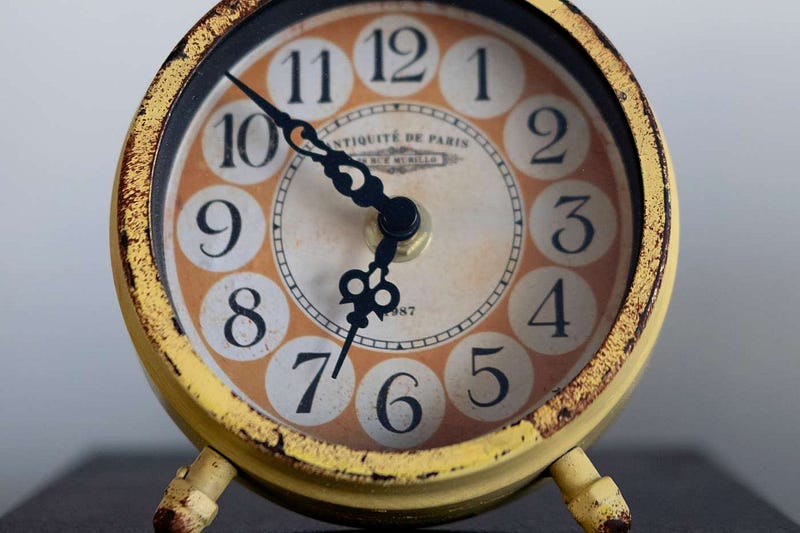
Another popular piece of dieting advice is not eating carbs after a particular time or not eating at all. Somehow, the food we eat at night is magically turned into fat as soon as we sleep.
But no — that's not how it works.
What matters is the total number of calories we consume over a day on average. Overeating one day is fine if we consume fewer calories than usual for the rest of the week.
How calories work
We have a base level of calories that sustains our current body weight.
Consume less, lose weight, and consume more, gain weight. It's that simple!
Have you heard of "If it fits in your macros…"?
Essentially, this means that food quality doesn't matter so much and what matters is the total number of calories you consume. Obviously, it's not an absolute truth and the quality of the food you eat matters to your general health and wellbeing.
But calories do control our weight. It's a highly simplified system; but, it's something we should all understand.
How much energy did you consume from food today compared to how much energy it takes to sustain your current body weight?
You may be thinking, "How the fuck do I know?" And, I'll get to that soon.
But that's why understanding calories matter. At least having an understanding of the fundamentals of what controls our weight.
Calories are just a way to understand the energy within the food we eat. We burn these calories throughout the day, and any physical activity will burn energy/calories — how many calories we burn is based on our physical effort.
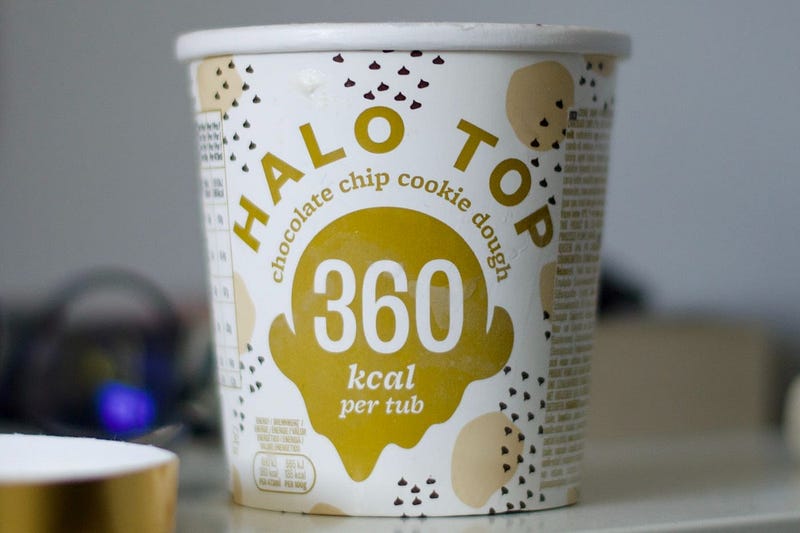
If we consume fewer calories than it takes to maintain our body weight, then we lose weight. But, conversely, if we consume more, we gain weight.
The more calories we consume, the more activity we require to burn this energy. Or our body stores it as body fat for later use.
If we don't give our bodies as much energy as it requires, it uses body fat as an energy source. We have a unique 'energy budget' dictated by our individual energy intake and activity level.
The laws of thermodynamics govern the energy transfer of food. Energy cannot simply disappear; instead, it transforms from one form to another. This rule applies to food as eating adds potential energy to our bodies.
We measure the energy or calories of a particular food by burning it in a calorimeter, calculating the heat combustion of waste products excreted.
“We as human beings metabolize our food, meaning we convert the energy from the food into energy we can use.” — Natalie Stam
How do we know how much to eat?
Going back to my earlier question — how much energy did you consume from food today compared to how much energy it takes to sustain your current body weight?
The amount of energy required to maintain your current weight is called maintenance calories, and this number depends on your genetics, activity level, and current body weight.
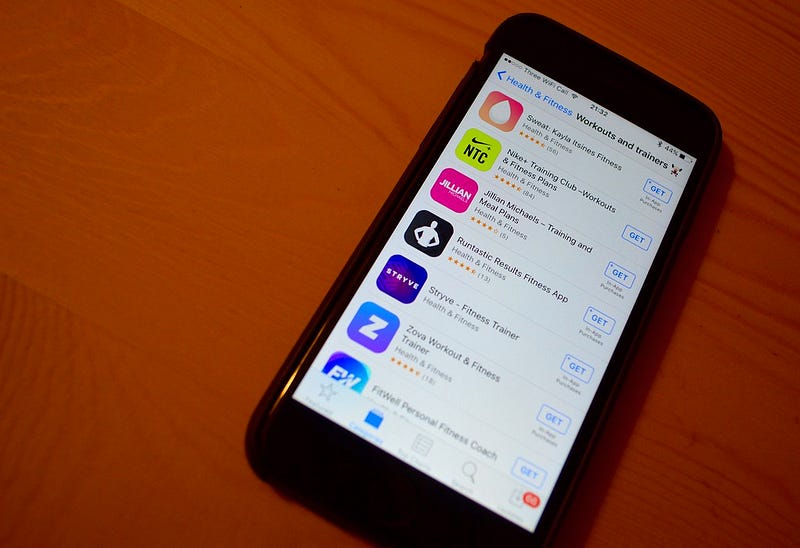

To work this out, record everything you consume over a few days. The food obviously, but also sauces and drinks like juice or beer. Count the total calories and find your average daily calorie intake. Apps like MyFitnessPal help you count the calories or use Google to find the calories in different whole foods that aren't labelled.
Calorie calculators give an approximate estimate of your maintenance level of calories if you want to start from that.
By reducing calories, we lose weight. Aim for a reduction of around 250 calories a day. You don't want to lose weight fast, as that means you'll probably lose some muscle mass, which most of us don't want.
What this all means
In conclusion, it doesn't matter what time you eat. Ultimately, what matters is how much you eat.
Whether you eat most of your calories between 7 am and 7 pm or consume them between 12 pm, and 12 am, it doesn't matter.
Someone will get angry at how much I have simplified dieting, and talk about the benefits of fasting, not having carbs at night, or whatever.
If you want to argue about a 1% variable, have fun.
This article has outlined the science behind how the total number of calories we consume dictates our weight.
You don't have to eat breakfast, but you might want to. Some people wake up hungry, and others don't — tailor your diet to your own needs.
Thank you for reading.
If you enjoyed the content, you might be interested in this article explaining how the 80/20 diet works, taking the complication out of dieting.
Read More Medium Articles
Non-Medium members can only read 3 articles a month — become a Medium Member for unlimited access.
If you would like to read more articles like this one, sign up to become a Medium member for only $5 a month.
Subscribe to be notified when I publish new content.