
Why We Each Respond to COVID-19 So Uniquely
A large multi-disciplinary study of COVID-19 patients
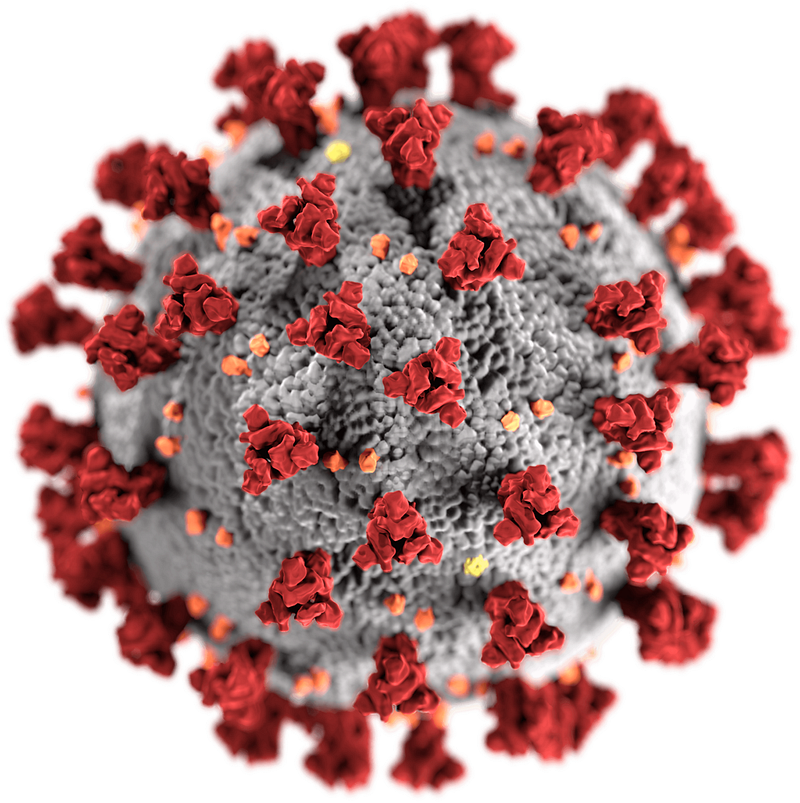
Just in time for Christmas, we now have two vaccines approved in the US against COVID-19. Yet, the question remains, why does each person respond so differently to the infection, from complete apparent health in some to rapid deterioration and death in others? Since it will take most of 2021 and perhaps longer to immunize the US, and just as importantly, even longer to immunize the rest of the world, we still need to understand this variability, perhaps as a way to prioritize who gets the vaccine.
Our individual immune responses to COVID-19
One of the puzzles from the start of the 2020 COVID-19 pandemic is the tremendous variability in how people respond to infection by SARS-CoV-2, the virus that causes COVID-19. Some people, though confirmed with the virus, are asymptomatic and report no effects at all. Others recall it being no worse than a cold or mild flu. Some were floored by a powerful illness that seriously disabled them. And some quickly succumbed and died. Why is that?
When a person is infected by a pathogen like a bacteria or virus and reports no illness, despite the lack of symptoms, there is actually a lot going on under the hood. One reason a patient might remain healthy despite a significant viral infection is that the immune systems responded accurately and precisely.
An accurate response means that the immune system correctly detected and targeted the specific pathogen and ultimately destroyed it.
A precise response means that the immune system did not under- or over-react to the pathogen — that it modulated the strength of its attacks on the pathogen to the correct level needed to be effective.
An immune system that under-reacts (too weak of a response) to a pathogen fails to destroy it, thus risking the health or survival of the host due to the actions of the pathogen. A system that over-reacts (too strong of a response) to a pathogen also risks injuring or killing the host by the damage caused by immune system’s own actions on the body.
This last possibility is the one that has attracted the most attention during this COVID-19 pandemic, and the associated phrase “cytokine storm” has garnered a lot of press attention.
Patient responses to SARS-CoV-2 virus
A recently published paper in the journal Science addressed the highly variable patient response to SARS-CoV-2 by measuring immune cells in healthy, recovered, and COVID-19 patients admitted to the University of Pennsylvania’s Perelman School of Medicine.
E. John Wherry, Ph.D., the senior author of this paper, is also the newly appointed Chair of the Department of Systems Pharmacology and Translational Therapeutics and Director of the Institute for Immunology at the University of Pennsylvania.
The lead author of the Science paper was Divij Mathew, Ph.D., a post-doctoral student in Wherry’s Lab. The study was highly interdisciplinary and also involved members of the Parker Institute of Cancer Immunotherapy, and the Departments of Pathology, Microbiology, Human Genetics, Pulmonary Medicine, Gastroenterology, Cellular Immunotherapies, Rheumatology, Hematology, and Oncology and Infectious Diseases.
This was a massive effort to dig deep into a large number of patient’s individual clinical and biological responses to the disease to understand the huge variability in their response to infection, especially the dangerous immune over-reactions that seem to lead to the most dire cases and death.
Indeed, in this study, 90% of the admitted COVID-19 patients showed various markers for inflammation resulting from an over-active immune response, markers such as C reactive protein and ferritin among others.
One of the key questions the researchers tried to answer was, what features of the immune system varied among different groups of patients and how did they compare to people who were healthy or who recovered from COVID-19.
We have two broad categories of immune systems operating within us. One is called the innate immune system, which is the rapid-response version of the two systems. The innate system uses pattern recognition to quickly recognize and kill anything that is foreign and also releases signals called cytokines, which alert and awaken the slower but more specific and long-lasting adaptive immune system.
The long-lasting aspect of the adaptive immune system is important for us because this is the system that retains an immune memory of past infections. Part of the immune memory are the antibodies which specifically bind to and recognize proteins unique to that past infection.
SARS-CoV2 has a spike protein which is used by the virus like a key by binding to a human protein called ACE2 which acts like a lock and opens up the cell for the virus to enter. This spike protein is unique to the COVID-19 virus and so antibodies that bind to the unique parts of the spike protein will be able to identify future infections. I posted an article earlier about this lock and key feature of viruses and how SARS-CoV-2 enters our cells.
The Science paper reported on efforts to characterize which immune cells and signals were active and how numerous they were in which patients. The hope was that this systematic breakdown of immune components in each patient might shed light on why patients respond so differently to this one virus.
Highly varied immune cell populations in COVID-19 patients
Two of the cell types associated with the adaptive immune system are B cells (a type of white blood cell that makes antibodies and matures in the bone marrow) and T cells (another type of white blood cell which develops in the thymus and is involved in killing virus-infected cells and cancer cells). I just wrote an article about lymphoma, a cancer of these specific immune cells, here.
The authors found that B and T cells were more plentiful in healthy and recovered donors compared to COVID-19 patients (Figure 1E). This deficit in adaptive immune cells was thought to contribute to the varied mix of clinical symptoms suffered by COVID-19 patients.
B and T cells come in many different flavors and each type and flavor has a different job. Often these different cells can be recognized by the mix and match of different proteins that stud the outside of each cell.
For example, one flavor of T cell is called the CD4 T cell, also known as a T helper cell, and are detected because they express the CD4 protein on the cell surface. These T helper cells help other immune cells by releasing signals called cytokines, which either suppress or activate other adaptive or innate immune cells. We call these helper cells, as if they were lower class citizens (hopefully this pandemic is illustrating just how critical are those helper professions that we ignore and stigmatize, the people who cook and clean and pack and move and fix and do so many things for us). But a great reminder of just how important these CD4 T cells are to the immune system and our health is to remember that HIV infection targets and destroys CD4 T cells, kills the helpers, thus causing AIDS.
In this study the authors found that COVID-19 patients had significantly reduced CD4 T cell populations, but that the responses were highly varied with many COVID patients showing similar levels of CD4 T cells as healthy donors and many with much lower levels (Figure 1E). Despite the lower numbers of CD4 T cells in most COVID-19 patients, a larger fraction of these cells was active and proliferating.
Yet another type of adaptive immune cell is the CD8 T cell, otherwise known as the cytotoxic T cell. Now there’s a name to respect. These are T cells that specifically kill cancer cells or cells infected with viruses (sometimes they are the same, as some viruses are known to cause cancer). Just as for CD4 T cells, the authors found that CD8 T cell populations were significantly reduced in number in many patients, but were more likely to be activated and proliferating in COVID-19 patients compared to control patients. But the central feature of this data is that the immune response varied considerably with a significant percent of patients showing no response at all.
One of the key immune cells is called the plasmablast, which is the bone-marrow-derived white blood cell (B cell) that produces antibodies. The authors found that COVID-19 patients had significantly increased plasmablasts and other B cells called memory B cells. Patients with increased plasmablasts often had increased numbers similar to patients with Ebola or Dengue viruses which are notoriously lethal infections. At the same time, a large percent of patients showed no increased B cell populations compared to healthy or recovered donors.
Perhaps one of the most interesting aspects of this research is that the authors were able to identify characteristics of the immune response (such as increasing or decreasing immune cells) which correlated with the patient’s clinical information (such as drug treatment or other clinical metrics).
Finally, the authors identified three general groups of COVID-19 patients, classified based on a unique combination of activated and proliferating T cells and other immune cells. One of the patient groups lacked a significant immune cell response at all (Figure 6). This was a fascinating data analysis exercise in which the specific sub-populations of B and T cells and other immune characteristics for each patient was clustered with their clinical outcome, with the groups assigned automatically from the unwieldy mass of variables by an algorithm called UMAP (uniform manifold approximate projection for dimension reduction). I have no idea what that means. The documentation for this algorithm talks about Riemannian manifold, fuzzy topological structures, and locally connected manifolds… I would love if someone, one of you dear readers, could break that down into English for the rest of us.
But I believe the basic idea for using UMAP is straightforward — the goal of the algorithm is to group the data into classes. What makes the analysis and math complicated is the huge number of variables and amount of data generated in this study, all being the inputs for segregating each patient into initially unspecified groups.
The final result is a map of sorts, which places a patient with a particular pattern of immune cells and cytokines into a most likely disease outcome — and therefore into a (yet to be determined) best recommended therapeutic plan.
The takeaway
I think this study is a very important part of the COVID-19 puzzle, perhaps a critical part, by classifying the highly personal responses to this particular virus. Most of us, if we are lucky, will suffer at most a very severe flu-like set of symptoms (ignoring for the moment that the virus might cause long-term or permanent damage that we are not aware of yet). But that still leaves a very large number of people who are at risk of losing their lives to this disease (a 1% fatality rate in the United States would mean over 3 million possible fatalities — right now the case-fatality ratio is about 3%). Even among this “smaller” cohort of people who are at risk of dying from COVID-19, the clinical and biological responses vary tremendously.
This study gives us a strategy and possibly even targets for personalizing the clinical (diagnostic and therapeutic) response to COVID-19.
Although we now have a COVID-19 vaccine, it is still important to find ways to personalize treatments for the most severe cases based on an individual’s immune responses to an infection in order to minimize fatalities.
.


