avatarDanya Khelfa

Free AI web copilot to create summaries, insights and extended knowledge, download it at here

4419

Abstract

g and allow for them to respond in the appropriate manner.</p><p id="a2d3">Teachers therefore, need to be aware that in structuring a lesson, students should be given the opportunity to move around during the lesson as to meet the needs of both genders and avoid behavior issues.</p><p id="7e64">Visit my article on <a href="https://myetiacademy.com/lesson-plans-for-teachers/"><i>lesson planning</i> </a>to see how to structure the class to allow for some independent time where students can be free to move around, while getting their work done.</p><h2 id="d724">II) Communicating in the Classroom</h2><p id="18fc">The differences in gender when it comes to communication is simple.</p><p id="52f9">Boys tend to prefer short, direct communication when it comes to answering or asking questions.</p><p id="ccf6">On the other hand, girls tend to prefer to elaborate as they tend to enjoy the experience of communicating.</p><p id="09da">In understanding the nature of communication styles between boys and girls, teachers can better structure their questions in a manner that showcase the strengthens in responses between girls and boys.</p><figure id="12e9"><img src="https://cdn-images-1.readmedium.com/v2/resize:fit:800/1*Ogl2tHrEh-56u6W5Ux8aHw.jpeg"><figcaption>Boys and girls in the middle school classroom — photo courtesy of Pavil Danilyuk from Pexels</figcaption></figure><p id="c790">In using assessments to check for understanding, teachers should assess for understanding in ways that allow for freedom of expression, whether it be long or short.</p><p id="7316">So long as the main objectives of the lesson are being understood or met, it doesn’t matter the length of the response.</p><p id="162d"><b><i>Therefore, it is important that teachers not expect the same communication style from boys as they do with girls.</i></b></p><h2 id="279a">III. Behavior in the Classroom</h2><p id="ac09">When it comes to behavior, it goes without saying that students must be on their best behavior to get the most out of learning.</p><p id="ea57">Students must work together to make the learning environment safe and open to making mistakes and learning from these mistakes.</p><p id="4438">The classroom must have its own culture rather than defer to society’s culture norms as to how boys and girls should behave. It is one where the behavior of the individual is recognized over that of being a boy or girl.</p><figure id="4485"><img src="https://cdn-images-1.readmedium.com/v2/resize:fit:800/1*L7N5NxgO62cfsFsyWYC-EA.jpeg"><figcaption>Boys and girls in the middle school classroom — photo courtesy of Pavil Danilyuk from Pexels</figcaption></figure><p id="9997">It is to be understood that when you are communicating in the classroom, we are all seen as individuals and are to be treated with respect and common polite words.</p><p id="8ff1">Therefore, it is important that students recognize the value of building behavior skills as individuals looking to find success in society.</p><p id="c8d8"><a href="https://myetiacademy.com/behavior-strategies-inside-the-classroom/"><b><i>Click here to read more about behavior strategies in the classroom.</i></b></a></p><p id="8267">Students who do not follow classroom rules can be disciplined by having them reflect on their behavior and the negative impact it can bring to themselves and those around them.</p><p id="f133">Visit my article on <a href="https://myetiacademy.com/discipline-strategies/"><i>discipline in the classroom</i></a> and how to deal with behavior issues in the classroom.</p><h2 id="1633">The Benefits Gender Differences Bring To Learning</h2><p id="3f22">Failing to recognize the value boys and girls bring to the classroom as boys and girls, and as individuals can cause serious problems to teaching and learning.</p><p id="5061">When boys and girls seem themselves as being appreciated for who they are, and the value they can add to the classroom is being appreciated, they will then become more attentive and active members of the classroom.</p><p id="8174">They will add benefits to the discussion and improve their learning.</p><p id="ffc5">Teachers will find it easier to communicate with the students and appreciate how responsive they will become to all the teacher asks them to do.</p><figure id="90d5"><img src="https://cdn-images-1.readmedium.com/v2/resize:fit:800/1*UT9qSe0GsaLMZV6bLSz52g.jpeg"><figcaption>Teacher and Students in

Options

the Classroom — photo courtesy of Pavil Danilyuk from Pexels</figcaption></figure><p id="1002"><i>This also works to help build <a href="https://myetiacademy.com/teacher-student-relationship/">solid relationships between teachers and students.</a></i></p><p id="bf72">Lessons will be met with high levels of enthusiasm and students will find it easier to communicate all they have learned during the lesson, and in being able to show what they have learned in being given the opportunity to demonstrate it to others.</p><h1 id="e99b">Gender & Learning YouTube Video</h1><p id="85fc">Watch this video I made to highlight these important points mentioned above when it comes to gender and learning.</p> <figure id="2d0d"> <div> <div> <img class="ratio" src="http://placehold.it/16x9"> <iframe class="" src="https://cdn.embedly.com/widgets/media.html?src=https%3A%2F%2Fwww.youtube.com%2Fembed%2FrnhILF1f-Tw%3Ffeature%3Doembed&amp;display_name=YouTube&amp;url=https%3A%2F%2Fwww.youtube.com%2Fwatch%3Fv%3DrnhILF1f-Tw&amp;image=https%3A%2F%2Fi.ytimg.com%2Fvi%2FrnhILF1f-Tw%2Fhqdefault.jpg&amp;key=a19fcc184b9711e1b4764040d3dc5c07&amp;type=text%2Fhtml&amp;schema=youtube" allowfullscreen="" frameborder="0" height="480" width="854"> </div> </div> </figure></iframe></div></div></figure><h1 id="b3a9">Final Thoughts…</h1><p id="4cc0">They say that as presenters of truths, either as teachers or as comedians, it is <i>always</i> important to know your audience.</p><p id="612b">In knowing your audience you will be able know when it is the best time to present, how best to present the material, and what kind of response it may bring.</p><figure id="527c"><img src="https://cdn-images-1.readmedium.com/v2/resize:fit:800/1*HSV8g1s_Y6OFwZ2VQN9nkg.jpeg"><figcaption>Teacher and Student enthusiasm in the Classroom — photo courtesy of Pavil Danilyuk from Pexels</figcaption></figure><p id="e0b9">When teachers know the behavior of their students in the class both as individuals and in how nature is involved with boys and girls when it comes to movement and communication, then they can co-ordinate their teaching strategies to help build confidence and enthusiasm when it comes to learning.</p><p id="73a7">If you enjoyed reading this article, please read my other articles focusing on students in the classroom.</p><div id="c054" class="link-block"> <a href="https://readmedium.com/fueling-your-energy-through-motivation-3340a6a9c270"> <div> <div> <h2>Fueling Your Energy Through Motivation</h2> <div><h3>The two kinds of motivation students need to reach their educational goals.</h3></div> <div><p>medium.com</p></div> </div> <div> <div style="background-image: url(https://miro.readmedium.com/v2/resize:fit:320/1*aOdGrqYNKS6KAOQIhfW-VQ.jpeg)"></div> </div> </div> </a> </div><div id="de3c" class="link-block"> <a href="https://readmedium.com/the-secrets-to-acing-any-test-in-school-e69eca39d079"> <div> <div> <h2>The Secrets to ‘Acing’ Any Test in School</h2> <div><h3>The two factors that impact on how well students do on tests and strategies to help ace those tests.</h3></div> <div><p>medium.com</p></div> </div> <div> <div style="background-image: url(https://miro.readmedium.com/v2/resize:fit:320/1*ktdaTI7OE4Fu-yMn8-ZUVA.jpeg)"></div> </div> </div> </a> </div><div id="bbb9" class="link-block"> <a href="https://readmedium.com/unlock-student-potential-through-differentiation-41a6a00ed81c"> <div> <div> <h2>Unlock Student Potential Through Differentiation</h2> <div><h3>A look at differentiated instruction in the classroom and five methods teachers can use to make learning easier.</h3></div> <div><p>medium.com</p></div> </div> <div> <div style="background-image: url(https://miro.readmedium.com/v2/resize:fit:320/1*mj9y_XagawIDrJ-DmEc9lQ.jpeg)"></div> </div> </div> </a> </div></article></body>

The Role Gender Plays in the Classroom

A look at celebrating the benefits genders bring to the classroom.
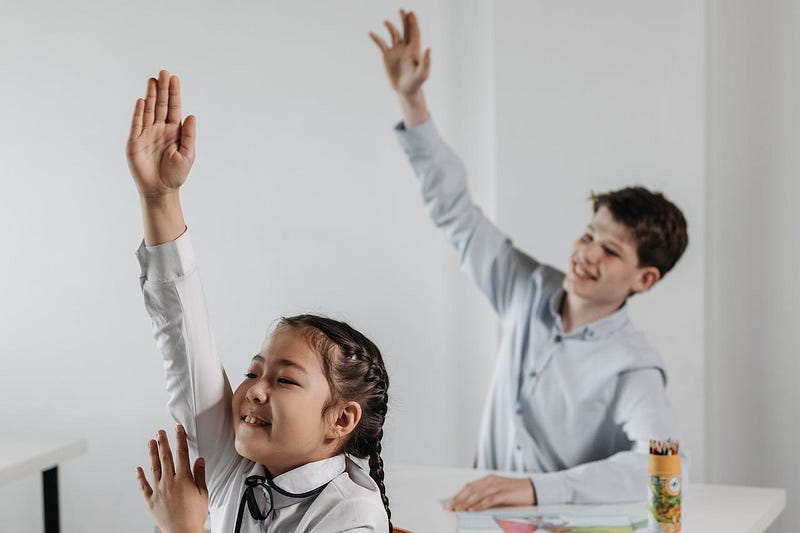
Boy and Girl in the Classroom — photo courtesy of Pavil Danilyuk from Pexels

Note: the observations made in this article as to the differences in gender is meant to give a general representation of boys and girls. I understand that not all boys and girls behave or communicate in the same manner.

When I first began my teaching career, I had a parent come to me and say, “you give the girls more attention in the class than you do the boys”. I was taken aback because it never crossed my mind as I thought my approach in teaching was to see students and not boys and girls.

She said this to me because her son complained to her that I always seemed to favor the girls over the boys.

This then forced me to take a look at my approach to teaching boys and girls in the classroom.

Could it be true?

I took to the Internet to do some research.

In my research, I came across a YouTube video that highlighted the differences between “men’s brains and women’s brains” and that opened the door to looking at my beliefs in schools and my approach to how boys and girls learn in a whole new light.

The ideas connected to gender differences I will look at include what sort of differences there are when it comes to learning, and how understanding these differences can benefit different approaches to teaching.

Prior to middle school, generally there is not much difference between the genders in terms of how they interact in the classroom.

Once students reach university level, again there is not much difference in how they interact in the classroom.

Therefore, this article will focus on the ages of students between middle school and high school where understanding differences may bring the most benefits to teaching and learning.

The Design of the Schools

Generally speaking, girls tend to mature faster than boys, and it is perhaps why the design of school systems seem to favor girls over boys.

Schools are generally designed to have students sit for long periods (generally 40 minutes) of time in order for teachers to teach.

They also expect certain forms of communication and behaviors both inside and outside the classroom.

In this article, I look at differences between how genders respond to:

i) sitting in the classroom

ii) communicating in the classroom

iii) and the ways boys and girls generally behave in the classroom.

I. Sitting in the Classroom

It takes a great sense of control over your “kinetic energy” to remain sitting still for long periods of times, and so with mixed gender classrooms, boys are often seen as the “immature” ones, or always seeking attention, because they just can’t seem to contain their “kinetic energy” as well as the girls generally seem to do in the classroom.

Depending then on the teacher’s discipline strategy, boys may be made to feel like they are misbehaving for wanting to move around more during class time.

If the teacher takes the approach to note how well the girls are “behaving” (i.e. sitting still) and how the boys seem not to be “behaving” as well for wanting to move around more, then two things may happen when it comes to behavior responses.

The boys may completely withdraw and not participate, or they may begin to rebel and cause further problems in the classroom.
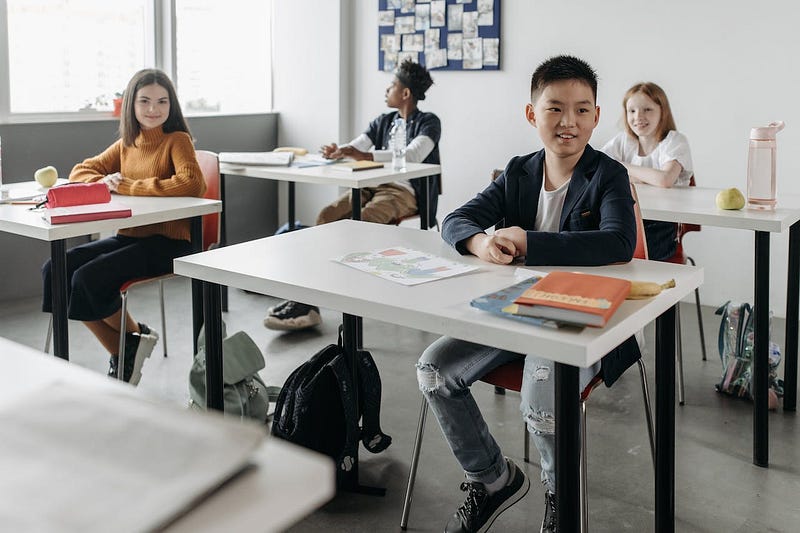
Boys and girls in the middle school classroom — photo courtesy of Pavil Danilyuk from Pexels

When teachers include the ability for moving around during class, they allow room for boys to redistribute their pent up “potential energy” into useful “kinetic energy” that may be more beneficial to thier learning and allow for them to respond in the appropriate manner.

Teachers therefore, need to be aware that in structuring a lesson, students should be given the opportunity to move around during the lesson as to meet the needs of both genders and avoid behavior issues.

Visit my article on lesson planning to see how to structure the class to allow for some independent time where students can be free to move around, while getting their work done.

II) Communicating in the Classroom

The differences in gender when it comes to communication is simple.

Boys tend to prefer short, direct communication when it comes to answering or asking questions.

On the other hand, girls tend to prefer to elaborate as they tend to enjoy the experience of communicating.

In understanding the nature of communication styles between boys and girls, teachers can better structure their questions in a manner that showcase the strengthens in responses between girls and boys.
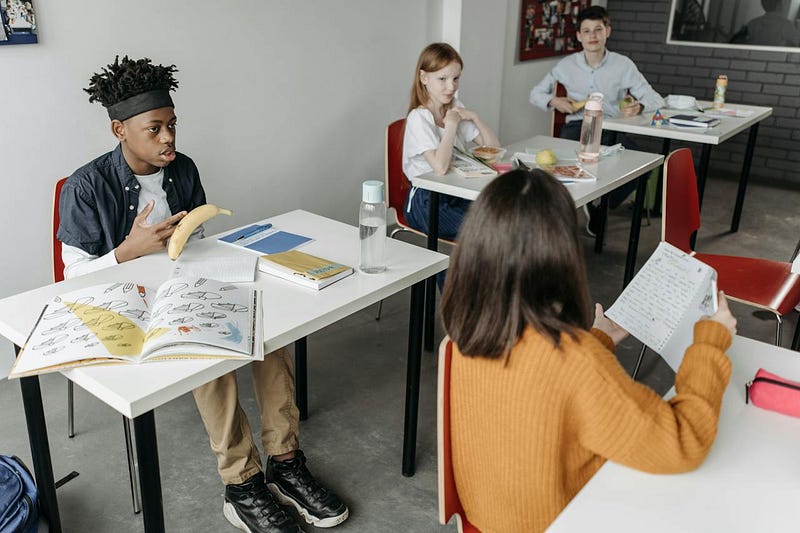
Boys and girls in the middle school classroom — photo courtesy of Pavil Danilyuk from Pexels

In using assessments to check for understanding, teachers should assess for understanding in ways that allow for freedom of expression, whether it be long or short.

So long as the main objectives of the lesson are being understood or met, it doesn’t matter the length of the response.

Therefore, it is important that teachers not expect the same communication style from boys as they do with girls.

III. Behavior in the Classroom

When it comes to behavior, it goes without saying that students must be on their best behavior to get the most out of learning.

Students must work together to make the learning environment safe and open to making mistakes and learning from these mistakes.

The classroom must have its own culture rather than defer to society’s culture norms as to how boys and girls should behave. It is one where the behavior of the individual is recognized over that of being a boy or girl.
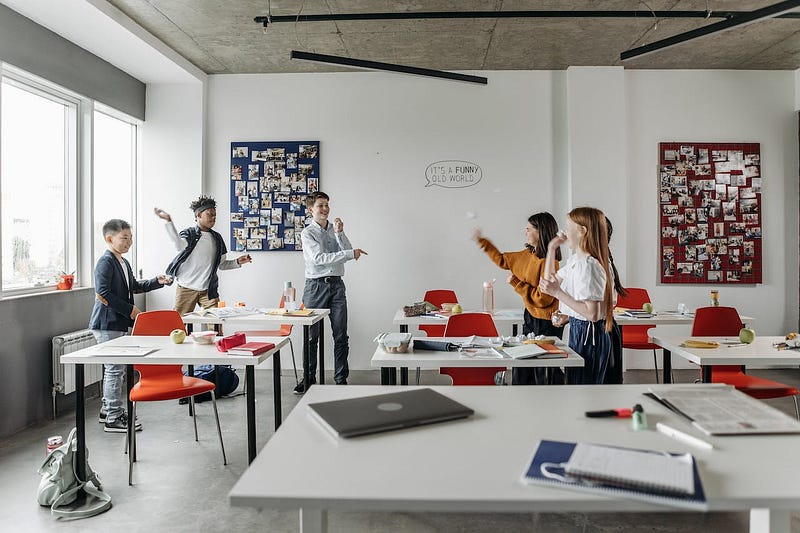
Boys and girls in the middle school classroom — photo courtesy of Pavil Danilyuk from Pexels

It is to be understood that when you are communicating in the classroom, we are all seen as individuals and are to be treated with respect and common polite words.

Therefore, it is important that students recognize the value of building behavior skills as individuals looking to find success in society.

Click here to read more about behavior strategies in the classroom.

Students who do not follow classroom rules can be disciplined by having them reflect on their behavior and the negative impact it can bring to themselves and those around them.

Visit my article on discipline in the classroom and how to deal with behavior issues in the classroom.

The Benefits Gender Differences Bring To Learning

Failing to recognize the value boys and girls bring to the classroom as boys and girls, and as individuals can cause serious problems to teaching and learning.

When boys and girls seem themselves as being appreciated for who they are, and the value they can add to the classroom is being appreciated, they will then become more attentive and active members of the classroom.

They will add benefits to the discussion and improve their learning.

Teachers will find it easier to communicate with the students and appreciate how responsive they will become to all the teacher asks them to do.
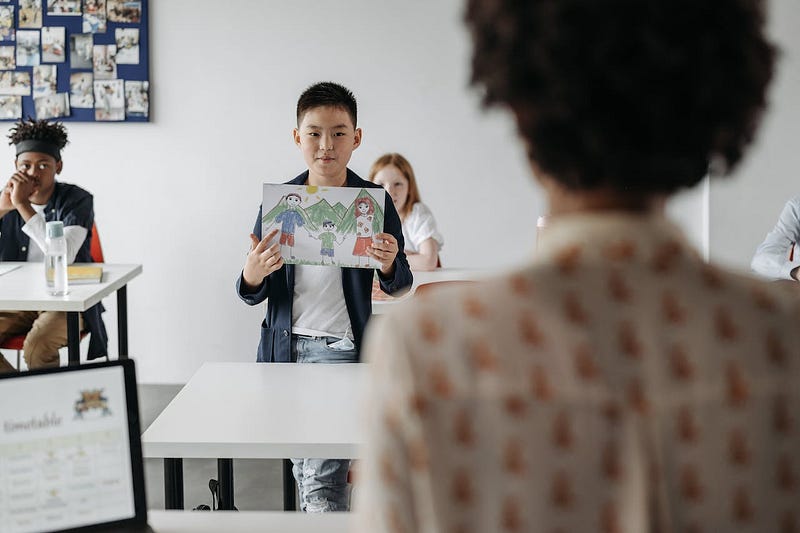
Teacher and Students in the Classroom — photo courtesy of Pavil Danilyuk from Pexels

This also works to help build solid relationships between teachers and students.

Lessons will be met with high levels of enthusiasm and students will find it easier to communicate all they have learned during the lesson, and in being able to show what they have learned in being given the opportunity to demonstrate it to others.

Gender & Learning YouTube Video

Watch this video I made to highlight these important points mentioned above when it comes to gender and learning.

Final Thoughts…

They say that as presenters of truths, either as teachers or as comedians, it is always important to know your audience.

In knowing your audience you will be able know when it is the best time to present, how best to present the material, and what kind of response it may bring.

Teacher and Student enthusiasm in the Classroom — photo courtesy of Pavil Danilyuk from Pexels

When teachers know the behavior of their students in the class both as individuals and in how nature is involved with boys and girls when it comes to movement and communication, then they can co-ordinate their teaching strategies to help build confidence and enthusiasm when it comes to learning.

If you enjoyed reading this article, please read my other articles focusing on students in the classroom.

Gender
Classroom
Schools
Teachers
Students
Recommended from ReadMedium