
Why Spirituality Has Stayed With Us
It’s baked into our evolutionary history
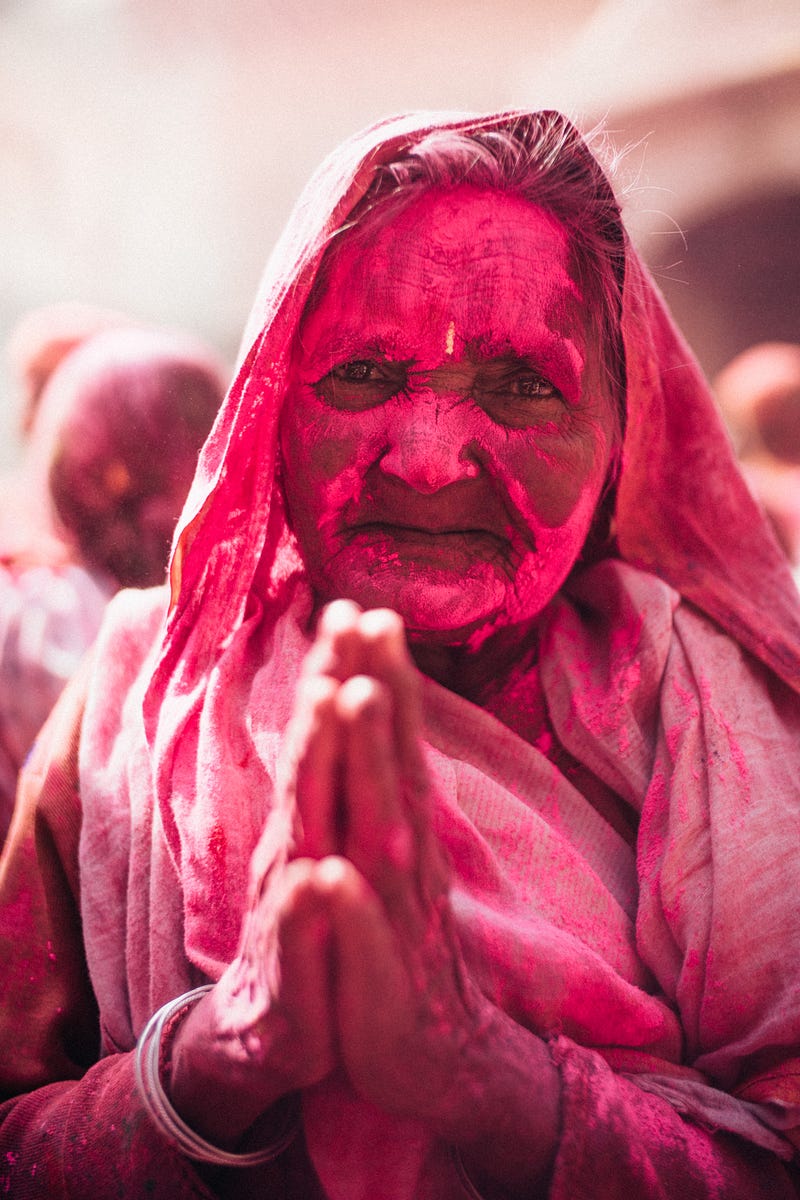
I’ve always felt extremely fortunate to have been born into a world where science is respected and informs our collective consciousness. Any other world seems unbearable, leaving humankind without any definitive answers. All creatures hate the darkness of uncertainty which reminds us of how little control we have. That is why the pursuit of knowledge has long played a central role in human history. Before the enlightenment period, we made meaning through spirituality but even after the dawn of modern thought, spirituality has not been left behind. Of course, there has been a steep decline in church attendance and overall religiosity in our society, but the benefits of maintaining one’s connection to a higher purpose have long been acknowledged in academia. According to this article by Allen S. Maller published in the Linacre Quarterly Journal, there are evolutionary reasons for this.
Life has always presented a variety of highly distressing challenges. Within each species, certain individuals manage these challenges better than others which gives them a reproductive edge. As conscious beings, humans can learn from the problems we face every day and share them with others, allowing our species to progress together and increase our chances of survival as a group. As a result, early humans had developed culturally grounded strategies for dealing with life’s hurdles. Faith provided this outlet in several different forms.
According to Maller, spirituality is “as deeply rooted, if not more deeply, in the Homo sapiens brain as art and music.” This is an eye-opening statement that sheds light on spirituality’s integral role in the human wellness equation. I think it’s safe to say that humans have a need for a spiritual outlet. There is no need to be part of an organized religion to enjoy the benefits of spirituality. In fact, there are several simple ways to sprinkle it into everyday life despite any skepticism that may exist about the existence of a higher power. Here are three ways you can start improving your spiritual wellness today.
1. Meditate
Meditation involves attaining a state of awareness through stillness and inward focus. Contrary to common belief, meditation is not about turning off the brain but being aware of thoughts without attaching judgment or negativity to them. Studies suggest that meditation can actually change the structure of a person’s brain. One MRI meta-analysis highlighted increased activity in the brain network that involves processing self-relevant information. Meditation has also been associated with problem solving, self-awareness, and self-regulation. When you quiet the anxiety of everyday life by focussing on your breath alone, you can establish mental clarity and make choices that better align with who you are.
2. Practice Gratitude
Expressing gratitude plays a significant role in religious culture but I believe it should be more widely practiced because of its extremely enriching benefits. We tend to focus on the negative, creating a hostile subconscious environment where we feel unhappy and powerless. Choosing to focus on whatever causes the heart to swell with gratitude can shift your subconscious narratives. As a result, your behavior and reality changes for the better. I wrote about how positively practicing gratitude impacted my life here.
3. Listen to your body
Spirituality does not live in the mind alone. Some beliefs disregard the body as sinful or a distraction from higher things; however, the physical body can lead to a more spiritual life. When you listen to it, your body will remind you to get out of your head and be present so that you can experience life on a profound level. Unfortunately, many of us ignore our bodies even when they scream for our attention. Staying active, eating mindfully, and learning to read your body’s signals will be a good start to fortifying your spiritual well-being through your physical form.