
Life
Why Some People Are Happier Than Others
Happiness Does Not Equal Pleasure
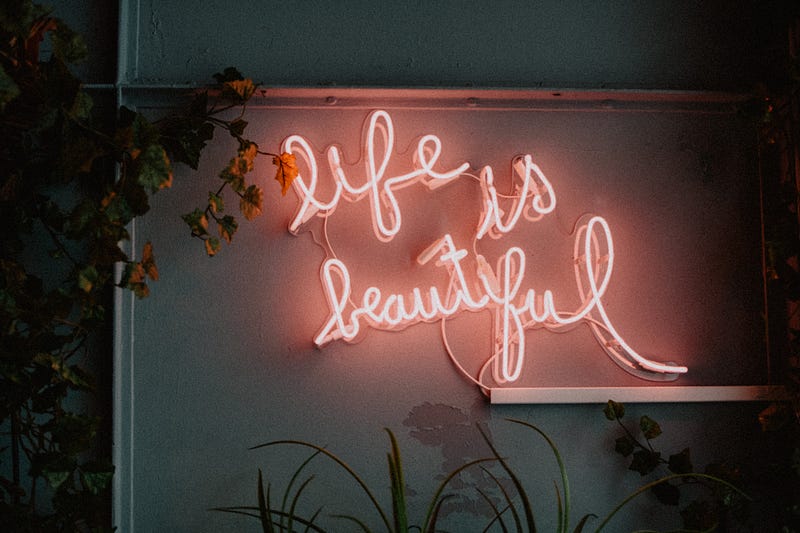
Like intelligence, weight, and wealth, the level of happiness also varies from person to person.
Yes, some people are happier, some are unhappy. There could be many reasons for this.
Mostly when we ask happy people why they are happy, they cannot give an obvious answer.
They say, “I don’t know, I just am”.
We can describe such people as “happy for no reason”.
But thousands of studies on large groups enlighten us why some people are happier than others.
But first, it would be appropriate to define the concept of happiness. In Wilhelm Schmid’s words, “happiness is not a state of uninterrupted pleasantness, constant joy, good fun and lots of fun”.
So happiness does not equal pleasure.
Happiness is a character state and refers to being satisfied with life, experiencing positive emotions more often, and experiencing negative emotions less often.
Happiness, as Tal-Ben Sahahar defines it, is “living life meaningfully by enjoying it.”
Once we’ve clarified what happiness is, we can look at why some people are happier.
Happiness and Genetics
Ask someone who looks physically healthy and fit, “Why are you in shape? How do you maintain your weight?” ask a happy person, “Why are you happy?
Asking what do you do to be happy is very similar. The fit person may say, I don’t know, I’ve been like this for as long as I can remember, I do nothing special, I guess my metabolism works fast.
He really isn’t doing anything special, and he may even have some harmful habits and things they’re doing wrong.
Nevertheless, these people are in shape.
They look very fit and strong. Genetic inheritance can explain the condition of these people.
In other words, genetically inborn, some people’s metabolisms may work faster, they may be more physically fit and they may feel stronger in terms of physical health.
However, this does not mean that they will never feel physically inadequate.
We Are Not Captives of Genetics
The same is true for happiness. Some people are inherently advantageous and feel happy even when they’re not doing anything special.
This situation can be explained by genetic factors, just as in physical well-being.
Such people’s bodies may be more balanced and produce higher levels of happy hormones or chemicals. But you may be thinking that this is unfair.
Yes, some people may be more disadvantaged from birth, but we are not entirely a prisoner of genetics.
Alright then Lets find the answer ;
Why are some people happier?
- Happy people have higher levels of self-esteem (self-worth, self-esteem). They are content with themselves. They enjoy being who they are.
- Happy people have high levels of self-compassion. In other words, they are compassionate and understanding to themselves as well as to others. They do not criticize themselves ruthlessly and disproportionately.
- Happy people have higher self-confidence. They are self-confident in many ways.
- Happy people also have higher levels of hope and optimism. Their prospects for the future are more positive. They show less pessimism.
- Happy people are more extroverted. They like to socialize. They experience less loneliness.
- Happy people have a higher perceived level of social support. There are enough people around them who care about them.
Not yet a Medium Member? Join now with my referral link and Earn Income From Writing Just 3 Min/Day About Your Thoughts & What You Love to do! You’ll also get full access to every story on Medium for just $5/mo. Your membership fee supports independent writing. I’ll earn a small commission at no additional cost to you!
Thanks for reading. I hope you’ve found my articles at least slightly compelling. If it interested you ever more slightly, you could kindly consider leaving a clap or following for more stories. Let me know what you think in the comment, too!
If you enjoyed this article, you might also like:


