THUNDERDOME
Why Severus Snape is the Best Hogwarts Teacher
“It may have escaped your notice, but life isn’t fair.”
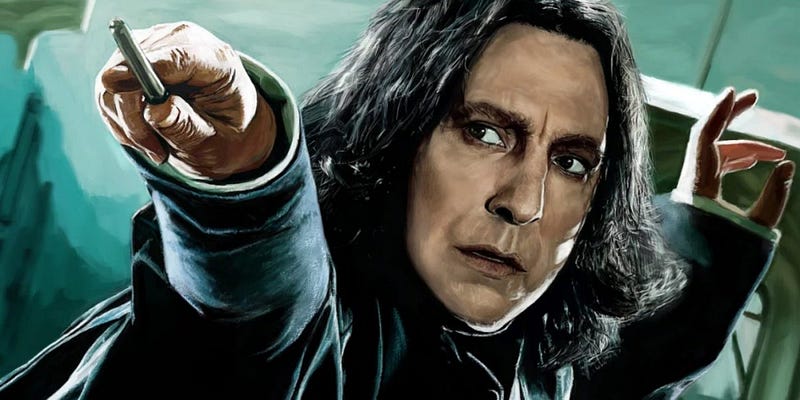
Thunderdome is a FanFare series where our writers good-naturedly debate some matter of pop culture and then leave it to the readers to decide. Read each post and vote at the bottom!Who is the best teacher at Hogwarts School of Witchcraft and Wizardry? I suppose it depends on your definition of “best”. Kindest? Fairest? Funniest? Or the one from whom Harry Potter learned the most, in order to survive when targeted by Lord Voldemort? By the latter criteria, the answer must be the Potions Master, Severus Snape.
From the very start, JK Rowling paints this enigmatic teacher as misunderstood and unfairly judged by Harry (and by extension the reader). Of the many lessons in the Harry Potter novels, not judging by appearance is one of the cogently and instructively demonstrated. Nowhere is this more potent than in the character of Severus Snape. That alone makes him the greatest teacher of Harry, and by extension, the impressionable minds lapping up Rowling’s riveting adventures.
Whilst unravelling the mystery of who is attempting to steal the Philosopher’s Stone, Harry, Hermione, and Ron come to suspect Snape, when in fact Snape was hot on the trail of the true villain. They believe Snape jinxed Harry’s broom when in truth he was uttering a counter-curse to protect Potter. Snape is misjudged all the way along, and why? Because he doesn’t suffer fools gladly in his classroom.
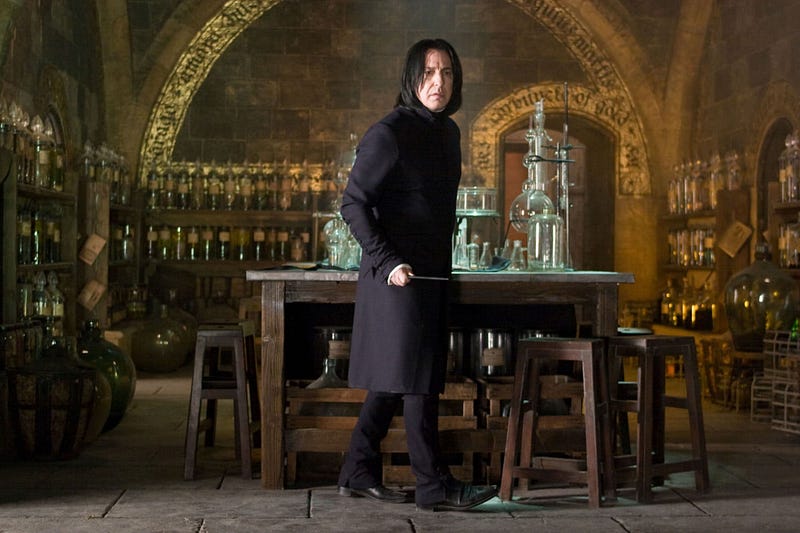
It is here that Snape teaches his greatest lesson to Harry and his friends: Life isn’t fair. Dumbledore has full knowledge of Snape’s shenanigans in his Potions class, and life-isn’t-fair is a lesson Dumbledore wants his charges to learn. Why else would he keep Snape around? Of course, Snape is all too happy to administer said lesson. Yes, he may have something of a cruel streak, but given he was bullied as a child at the hands of Harry’s father, this is understandable, if not excusable.
In the course of his Potions lessons, Snape frequently praises Slytherin pupils at the expense of our Gryffindor heroes. Or he punishes Harry, Neville, Ron, et al unfairly. Again, Dumbledore stands by and lets this happen, rarely interfering unless it directly impacts his own agenda (such as when he needs Harry to help learn the truth about Horcruxes). How Harry responds to and deals with unfair treatment provides a mirror of reality for children reading the novels, informing them that life will treat them no differently — at school or in the workplace. Dumbledore doesn’t believe in mollycoddling, and neither does Rowling.
At the same time, for Harry, the crucible of Snape’s classroom is vital to toughen him up for when he faces genuine evil. The villains are not going to treat Harry fairly, and by then he doesn’t expect them to. I would argue it is experiences like those in Snape’s classroom that enables Harry to rise to the challenge and triumph again and again, against overwhelming odds.
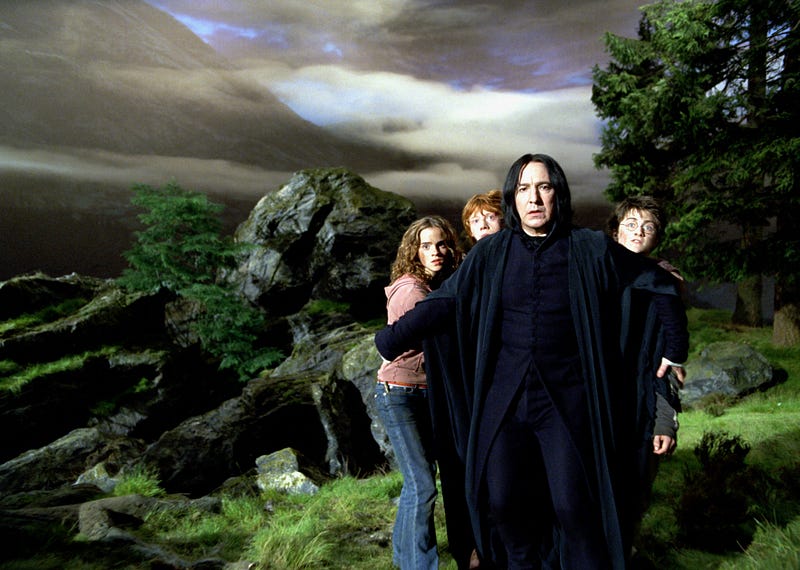
That isn’t to suggest the value of Snape’s lessons is limited to school-of-hard-knocks. Snape’s classes directly impact the heroic trio’s ability to make Polyjuice potion, for instance. His potions expertise also helps a great deal when Harry consults him unknowingly via his old school textbook. Outside of regular classes, Snape also teaches duelling, where Harry picks up the vital Expelliarmus disarming spell.
Later, Snape teaches Occlumency, to help Harry shut his mind to unwelcome intrusions from Voldemort. On top of this, when he finally obtains his much-coveted position of Defence Against the Dark Arts teacher, Snape teaches further vital skills, such as non-verbal spells. Even when Snape flees Hogwarts, having apparently been identified as a Death Eater spy at the climax of events in The Half-Blood Prince, Snape is still covertly teaching Harry, amid taunts and insults, as Harry attempts to pursue and chuck spells at him.
“Blocked again, and again, and again until you learn to keep your mouth shut and your mind closed Potter!” — Harry Potter and the Half-Blood Prince, JK Rowling.
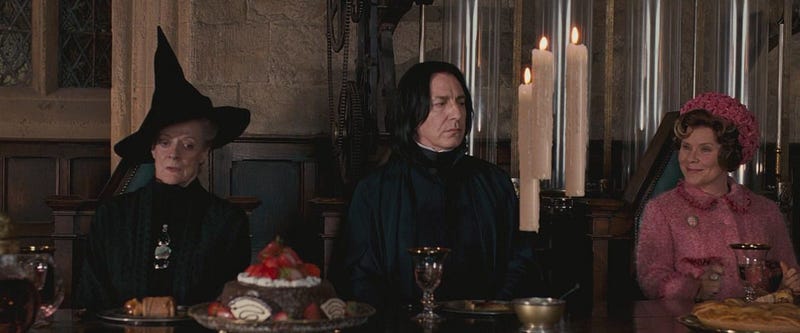
Of course, Snape isn’t really a traitor. He is a double agent for the Order of the Phoenix with nerves of steel. For instance, he doesn’t flinch or break character when Harry alerts him — in front of Dolores Umbridge — to Voldemort’s imminent heist at the Ministry of Magic. He simply pretends not to know what Harry is talking about, before secretly raising the alarm. Speaking of Umbridge, even she couldn’t find fault with Snape’s professional competence.
It requires even stronger nerves to make the Unbreakable Vow, but Snape does this, knowing that he will not be able to duck out of killing Dumbledore (as per Dumbledore’s own request, given that he is dying in any case). Following this act, it is no easy feat convincing Harry (let alone the reader) that Snape’s sympathies don’t really lie with the Death Eaters, but Snape is provided with fascinating motivations, and as such constitutes Rowling’s most complex character. His unrequited love for Lily fuels the good that he does, though he seeks no credit for it. A lesser man would have brewed a get-over-it potion and properly sided with Voldemort, but Snape’s bravery and unquenchable love always trumps his baser instincts of resentment towards Harry, even though he doesn’t outwardly show it.
During the events of the final novel, as headmaster of Hogwarts, Snape covertly acts to curb the more brutal inclinations of the Carrows, often protecting the pupils without their knowledge. On top of this, he secretly helps Harry throughout the entire story — the Patronus incident in the Forest of Dean, for instance, during one key Horcrux smashing sequence. Snape’s bravery is put to the ultimate test when Voldemort murders him, but he knew this was a likely outcome of such dangerous undercover work. With his dying breath, Snape provides Harry with his memories, enabling him to at last know the full truth about his life.
I will add that this flashback sequence in Harry Potter and the Deathly Hallows Part 2, featuring the excellent Alan Rickman, is the only time I would argue that the films manage to reach the emotional highs of the novels. Snape’s discovery of Lily’s corpse following Voldemort’s murderous rampage that left Harry an orphan is truly heart-rending. In the end, every calculating move Snape made, every tough and unfair action towards Harry, every time he let himself be hated, every time he refused to let his goodness be seen by anyone… It was all motivated by love of the woman he lost.
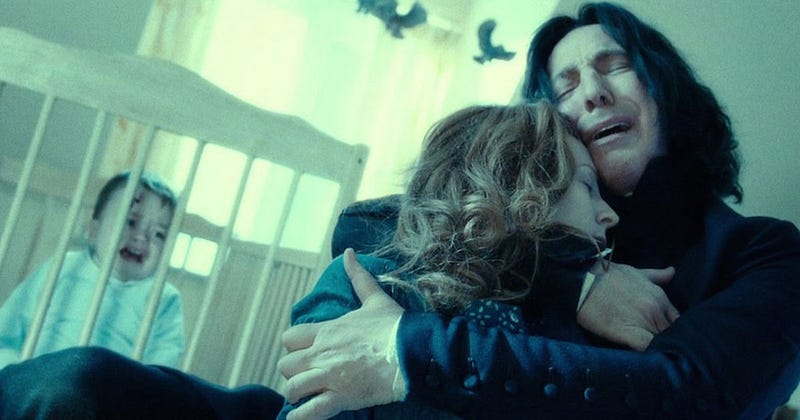
“‘I have spied for you, and lied for you, put myself in mortal danger for you. Everything was supposed to be to keep Lily Potter’s son safe. Now you tell me you have been raising him like a pig for slaughter — ”
‘But this is touching, Severus,’ said Dumbledore seriously. ‘Have you grown to care for the boy, after all?’
‘For him?’ shouted Snape. ‘Expecto patronum!’
From the tip of his wand burst the silver doe: she landed on the office floor, bounded once across the office and soared out of the window. Dumbledore watched her fly away, and as her silver glow faded he turned back to Snape, and his eyes were full of tears.
‘After all this time?’
‘Always,’ said Snape.” — Harry Potter and the Deathly Hallows, JK Rowling.
That is why, in final analysis, Snape was the greatest Hogwarts teacher. He was also the bravest, as Harry himself ultimately acknowledged.
What say you?
Based only on the arguments presented (you have read all of them, haven’t you?) and not on personal preference: who wins this bout? Voting closes on July 29 at 7:59 AM.The other entries:
Author’s note: I hope you enjoyed this article. For more about me and my writing, please click here.


