
Why Science Is Our Best Chance at Mitigating the Coronavirus
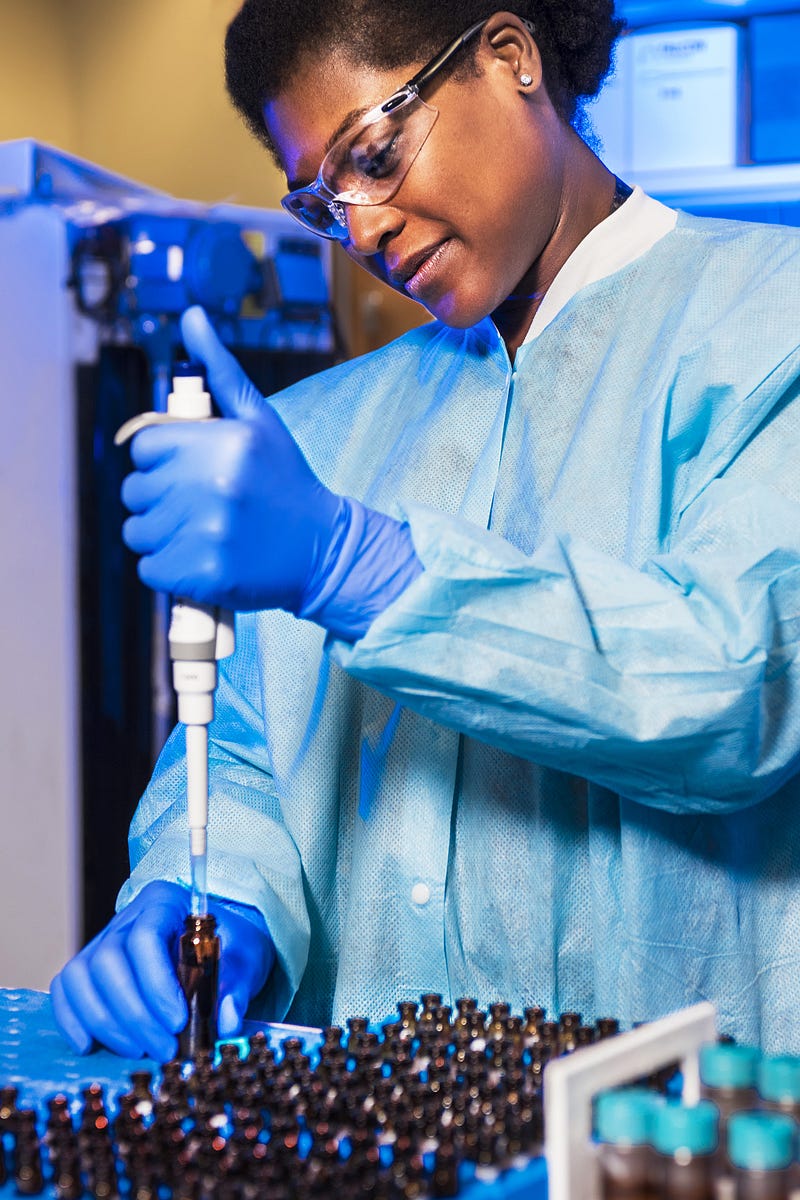
To raise new questions, new possibilities, to regard old problems from a new angle, requires creative imagination and marks real advance in science. Albert Einstein
COVID-19 is a horrible disease that is taking lives all over the world. Income, nationality, race, or gender doesn’t matter. No one is immune. It’s stressful at the moment as more cases of coronavirus are discovered all over the country. Dozens of people died in the last few days in the United States as the rest of the world braces for what’s next.
New York’s governor Andrew Cuomo has initiated a one-mile containment zone around New Rochelle because of the 108 confirmed cases of the infection in the city. The citizens not in quarantine can move around as they please. However, it’s a warning that the virus is rapidly spreading in the area.
The panic has caused toilet paper, water, and hand sanitizer to disappear in stores across America and the world. I can understand the fear because the mortality rate worldwide is 3.4 percent. However, as medical professionals administer tests more widespread, that number is expected to decrease. Why? Because most who contract the virus don’t die.
An example of this is North Korea and the United States. In North Korea, the mortality rate is .06 percent because they have administered 1100 tests per 1 million residents. In contrast, the mortality rate in the United States is 5 percent because only seven tests were conducted per million residents.
The rate of infection and media hype is creating fear across the globe. However, I have faith in our scientific community.
I must state I am no expert or advising a course of treatment. I will leave that to the ones with medical degrees and more knowledge than me about viruses. I do believe science is our best bet to discover a proven course of treatment.
The 1918 flu pandemic killed 50 million people worldwide, including 650,000 in the United States. It was the H1N1 strain that eradicated these many lives. In comparison, now the flu, according to WHO (World Health Organization), the seasonal flu kills between 290,000 to 650,000 world wide.
Yes, the current death rate is still staggering, but the flu vaccine is saving more lives. It’s not a perfect solution, but at least we have a fighting chance of surviving the disease.
Another example of human scientific ingenuity is the polio vaccine developed by Dr. Jonas Salk at the University of Pittsburg. Polio was one of the most feared diseases in history. In 1894 a severe polio outbreak struck 27,000 children and killed 6,000. However, after Dr. Salk’s vaccine was mass-produced, we eradicated the disease in the Western Hemisphere by 1991.
Millions of children avoided a crippling disease because of the ingenuity of Dr.Salk. Parents can watch their children grow up without fear of them dying of polio
I have faith science will beat COVID-19. As of right now, a company Regeneron labs, which has successfully treated the Ebola virus, is working on a vaccine. It involves creating a coronavirus that cannot replicate.
The company genetically engineered mice to mimic a human immune system. The scientists are currently injecting these mice with the pseudo coronavirus. By doing this, the scientists hope to create a vaccine or treatment from the antibodies the mice produce. Regeneron is aiming for human trials in late Summer and, if successful, produce 20,000 doses a month. This treatment is quite promising.
We have drastically curtailed flu deaths since 1918 and eradicated a child killer named polio. All of this accomplished because of the tireless and heroic work of scientists.
We have survived pandemics and epidemics before, and we will survive this one. I do weep for the families whose loved ones died because of COVID-19, and I hope we don’t see a drastic spike in deaths.
In 2011 my son received a life-saving heart transplant. He takes two powerful drugs to suppress his immune system. If he doesn’t take his medication, he will go into rejection and possibly die. Individuals with immunosuppressed systems are very susceptible to COVID -19. It’s ironic that his medication, which keeps him alive and healthy, opens him up to a virus that could make him severely ill or kill him.
I have no choice but to believe science because it saved my son’s life.
Estacious(Charles White) is a 23-year educator. He began writing over 25 years ago. His work experience encompasses managing schools and teaching a variety of subjects. His passions are poetry, short fiction, playwrighting, and non-fiction. He won one of six prizes in the Rockford play festival for his play “Incarcerated Christmas”. He is married with three children and a native of New Orleans.